Georgia’s Best Lakes for Fishing
Oh, the age-old dilemma for any angler stepping foot in the Peach State: with so many incredible bodies of water, how do you even begin to choose where to cast your line? Georgia is absolutely blessed with a tapestry of diverse lakes, each offering its own unique challenges and rewards, from the deep, clear mountain reservoirs to the sprawling, fertile impoundments of the Piedmont. It can feel overwhelming to pick the perfect spot, but don't you worry! This guide is going to walk you through Georgia's best lakes for fishing, breaking down what makes each one special, what species thrive there, and how you can make the most of your time on the water.
Understanding Georgia's Diverse Lake Landscape
Georgia isn't just one type of fishing experience; it's a whole spectrum! From the rugged Appalachian foothills down to the coastal plains, the state's geography shapes its waterways dramatically, offering vastly different angling opportunities depending on where you drop anchor. Knowing these regional differences is key to understanding what makes each lake tick and what kind of fish you can expect to find.
North Georgia's Mountain Reservoirs
When you think of North Georgia, images of rolling mountains, crisp air, and clear, deep water often come to mind – and for good reason! Lakes like Lake Lanier, Lake Allatoona, and Lake Blue Ridge are prime examples of these mountain reservoirs. They are typically deeper, with colder, more oxygenated water, which makes them ideal habitats for species that prefer these conditions.
The structure in these lakes is often dramatic, with steep drop-offs, underwater humps, and submerged timber, remnants of the valleys they once filled. This complexity can be challenging but incredibly rewarding for anglers. You'll often find a thriving population of spotted bass, known for their aggressive nature, alongside robust populations of striped bass, which are stocked regularly and absolutely thrive in the cooler, deep waters. Don't be surprised to find some impressive largemouth bass lurking in the coves, too, especially during the warmer months when they move shallower. For those who love a good fight, the sheer size and power of a Lake Lanier striped bass is an experience you won't soon forget.
Central Georgia's Piedmont Lakes
Move a bit south into the Piedmont region, and the landscape changes, and so does the fishing. Lakes such as Lake Oconee, Lake Sinclair, and Lake Hartwell are characteristic of this area. These lakes are often more sprawling and shallower on average than their mountain counterparts, with a richer nutrient base that fuels a different kind of fishery. They tend to warm up more quickly in the spring and stay warmer longer into the fall, creating excellent conditions for a wider variety of warm-water species.
The banks of these lakes are typically less steep, featuring a mix of rocky points, sandy flats, and abundant shallow cover like docks, brush piles, and hydrilla beds. This diverse habitat is a paradise for largemouth bass, which grow fat and feisty here, alongside healthy populations of crappie and bream. You'll also encounter hybrid striped bass, particularly in lakes like Oconee, where power generation schedules can create exciting current breaks that draw in schooling fish. These lakes are incredibly popular and offer fantastic year-round action for anglers of all skill levels, from those chasing trophy bass to families looking to fill a cooler with panfish.
South Georgia's Shallow, Productive Waters
Further south, as the terrain flattens out, you'll find lakes that are generally shallower, warmer, and even more nutrient-rich, like Lake Seminole, Lake Blackshear, and Walter F. George Reservoir. These waters are characterized by extensive shallow flats, cypress trees, lily pads, and thick submerged vegetation, making them feel almost like natural swampy systems. This environment is a breeding ground for forage species, which in turn supports an incredible population of game fish.
The warm water temperatures and lush vegetation create ideal conditions for Florida-strain largemouth bass, known for their potential to grow to massive sizes. Lake Seminole, in particular, has a legendary reputation for producing true giant bass. Beyond the largemouth, these lakes are also phenomenal for bream, bluegill, and various species of catfish. The extensive shallow cover can make fishing a bit more challenging, often requiring specialized techniques like flipping and pitching, but the rewards are often well worth the effort. These southern lakes offer a distinctly different, often more "wild" feeling fishing experience compared to their northern and central cousins.
Premier Largemouth Bass Lakes in Georgia
Ah, largemouth bass! For many, these aggressive, hard-fighting fish are the holy grail of freshwater angling. Georgia is a true mecca for largemouth, boasting several lakes that consistently produce both high numbers and trophy-sized specimens. Whether you're a seasoned tournament pro or a weekend warrior, there's a Georgia lake waiting to test your skills and reward your persistence.
Lake Lanier: A Bass Angler's Dream
Nestled in the foothills of the North Georgia mountains, Lake Lanier isn't just a popular recreational lake; it's a legitimate bass fishing powerhouse, though it's primarily known for its spotted bass population. While largemouth certainly inhabit its waters, the spotted bass here have truly carved out a niche, often outnumbering their largemouth cousins and growing to impressive sizes. The lake's deep, clear waters and abundant rocky structure provide ideal habitat for spots, which are often found schooling over humps, points, and timber in deeper water.
Anglers targeting largemouth on Lanier often focus on the shallower, stained water in the backs of creeks and coves, especially during the spring spawn or when heavy rains push nutrient-rich runoff into the lake. You'll find largemouth seeking refuge in the abundant docks, brush piles, and sparse natural cover. During the summer, they might move to deeper brush or remain in the shade of docks. The sheer size of Lanier means there's always new water to explore, and a good fish finder is often your best friend here, helping you locate those submerged structures and baitfish schools that attract the bass. For more specific insights, our guide on Best Spots for Bass Fishing on Lake Lanier offers a deeper dive into productive areas.
Lake Oconee: Trophy Bass Potential
Moving to Central Georgia, Lake Oconee offers a distinctly different, yet equally exciting, bass fishing experience. This reservoir is known for its fertile waters and varied structure, including plenty of standing timber, rocky points, and docks, which create a smorgasbord of habitats for largemouth bass. Oconee benefits from being a Georgia Power lake, and the generation schedules often create current that positions baitfish and bass predictably, making it a favorite for many anglers.
The lake boasts a healthy population of largemouth, with anglers frequently reporting catches of fish in the 3-5 pound range, and legitimate trophy opportunities for those over 8 pounds. Spring is a prime time here, with bass moving shallow to spawn, and the topwater bite can be absolutely explosive in the early mornings and late evenings. During the summer, fishing deep brush piles and ledges, or targeting bass around the docks with jigs and worms, can be incredibly productive. Don't overlook the river arms and major creek mouths like Lick Creek and Richland Creek; these areas often hold excellent populations of bass seeking forage and cover. If you’re looking to plan a trip, checking out a service like FishingBooker can help you find experienced local guides who know the ins and outs of Oconee's ever-changing patterns.
Lake Seminole: Southern Bass Haven
Down in the southwestern corner of Georgia, straddling the Florida border, lies Lake Seminole – a name whispered with reverence among trophy bass anglers. This sprawling, shallow impoundment is renowned for its dense submerged vegetation, vast cypress tree forests, and abundant hydrilla and lily pad fields. It's a classic southern bass lake, where big Florida-strain largemouth bass thrive in a rich, natural environment.
Seminole is a challenging lake to fish due to its sheer size and the amount of cover, but the rewards can be truly monumental. Anglers here often employ heavy tackle and techniques like flipping and pitching jigs or soft plastics into the thickest cover, searching for those monster bass lurking within. Topwater frogs and buzzbaits can also be incredibly effective worked over the mats of vegetation, especially during low light conditions. The sheer abundance of forage – from shad to bluegill – ensures that the bass here are well-fed and grow quickly. While it might take a bit more effort to navigate and fish, the potential for a double-digit largemouth bass makes Lake Seminole an absolute must-visit for any serious bass enthusiast.
Top Lakes for Crappie and Panfish
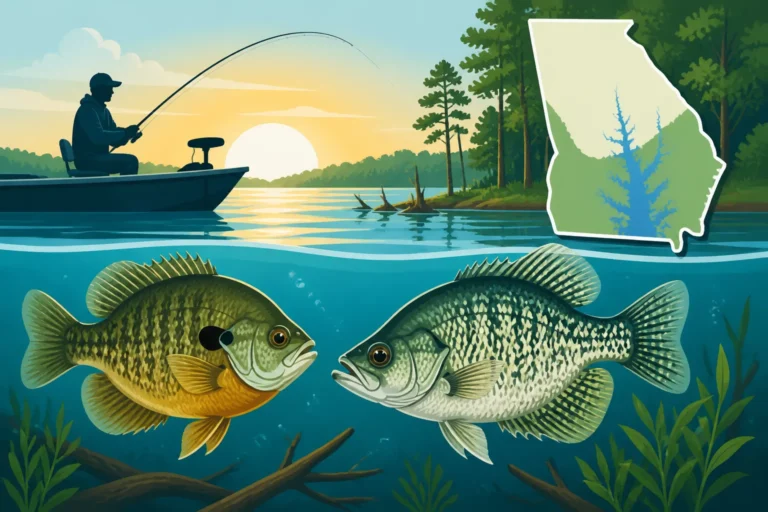
While largemouth bass often steal the spotlight, let's not forget the humble, yet incredibly delicious, crappie and panfish! These schooling fish offer fantastic action, are notoriously good eating, and provide an excellent opportunity for anglers of all ages and skill levels to enjoy a productive day on the water. Georgia's lakes are brimming with these smaller but equally exciting game fish.
Lake Sinclair: Slab Crappie Paradise
Lake Sinclair, nestled just downstream from Lake Oconee, is often hailed as one of Georgia's premier crappie destinations. What makes Sinclair so special for crappie? Its warmer water temperatures, especially through the cooler months, and an abundance of varied cover. The lake is filled with submerged timber, bridge pilings, docks, and natural brush piles that provide perfect ambush points for crappie.
Anglers targeting Sinclair's crappie often do well with spider rigging multiple poles, tightlining jigs, or using minnows under a float. In the spring, crappie move shallow to spawn, making them accessible to bank anglers and those fishing from docks. During the colder months, they tend to congregate in deeper brush piles and creek channels, often around the bends. The crappie here are known for their size, with "slab" crappie (over a pound) being a common catch. If you're looking for consistent crappie action and a freezer full of fillets, Lake Sinclair is hard to beat. Our specific guide on Lake Sinclair Fishing Spots can point you towards some local favorites.
Clarks Hill Lake (Lake Thurmond): Crappie Hotspot
Straddling the Georgia-South Carolina border, Clarks Hill Lake, also known as Lake Thurmond, is another colossal reservoir that offers exceptional crappie fishing. Its immense size and diverse underwater landscape, featuring vast expanses of standing timber, submerged creek channels, and numerous coves, create endless opportunities for crappie.
The crappie population in Clarks Hill is robust, with both black and white crappie present. During the spring, anglers flock to the shallow coves and creek arms, where crappie congregate around flooded brush and docks to spawn. Trolling small jigs or minnows is a popular and effective method for covering water and locating schools. As the seasons change, crappie retreat to deeper water, often holding tight to the standing timber in the main lake or suspending over brush piles in creek channels. Many anglers utilize fish finders to pinpoint these submerged structures, then drop jigs or live minnows directly into the school. The sheer volume of water and cover means there's always a new spot to explore, and the crappie are usually willing biters.
Lake Blackshear: Bream and Crappie Galore
Down in Southwest Georgia, Lake Blackshear offers a more intimate and exceptionally productive panfishing experience, particularly for bream (bluegill, redear sunfish, etc.) and crappie. This lake, characterized by its cypress trees, lily pads, and relatively shallow, fertile waters, feels like a classic southern fishing hole. It's a fantastic choice for families and anglers looking for consistent action and a delicious meal.
Bream are abundant in Blackshear, thriving in the copious shallow cover. Worms under a bobber, crickets, or small beetle spins cast around lily pads, docks, and cypress knees will almost guarantee a bite. Crappie also do very well here, especially around the submerged timber and brush piles. Like Sinclair, Blackshear benefits from its warmer water, allowing for good crappie fishing throughout much of the year. During the cooler months, crappie will suspend over deeper structures, while spring sees them pushing into the shallow, woody cover for spawning. The laid-back atmosphere and consistent bites make Lake Blackshear a beloved spot for those who appreciate the simple joys of panfishing.
Chasing Striped Bass and Hybrids
If you're looking for a fish that pulls hard, fights dirty, and can reach impressive sizes, then chasing striped bass and their hybrid cousins in Georgia's lakes is definitely for you. These powerful pelagic predators offer an exhilarating angling experience, often requiring different techniques and a good understanding of baitfish movements.
Lake Lanier: Striped Bass Mecca
Lake Lanier truly shines as Georgia's premier destination for striped bass. The lake's deep, cold, and well-oxygenated waters provide the perfect environment for stripers, which are stocked annually by the Georgia Department of Natural Resources. Lanier's stripers are known for their strength and size, with catches in the 10-20 pound range being common, and fish pushing into the 30-40 pound class not unheard of.
Anglers targeting stripers on Lanier often employ live bait techniques, such as downlining or free-lining shad, herring, or shiners, especially around submerged humps, points, and river channels where baitfish congregate. Trolling with large crankbaits or bucktail jigs is another popular method for covering water and locating schooling fish. During the warmer months, stripers will often seek the coolest, deepest parts of the lake, sometimes suspending over vast depths. In spring and fall, they can be found shallower, chasing baitfish in the backs of creeks. Early mornings and late evenings, or even night fishing under lights, can be incredibly productive. For detailed seasonal patterns, you might want to look at a Lake Lanier Fishing Guide, Georgia. Many anglers also find success by hiring a local guide through services like FishingBooker to help navigate the lake and locate the active fish.
Lake Oconee: Hybrid Striper Action
While Lake Lanier is famous for its pure striped bass, Lake Oconee has made a name for itself with its fantastic hybrid striped bass fishery. Hybrid stripers, a cross between striped bass and white bass, offer a similar hard-fighting experience but often thrive in warmer waters than pure stripers. Oconee's hybrids are aggressive feeders, often schooling up and chasing baitfish on the surface, providing exciting topwater action.
The power generation schedules at Wallace Dam (between Oconee and Sinclair) play a significant role in hybrid striper movements. When the current is flowing, hybrids become very active, feeding heavily on baitfish pushed through the gates. Anglers often target them around current breaks, humps, and points using live shad, jigs, or artificial lures that mimic baitfish. During the warmer months, hybrids will often go deep, suspending in creek channels or around thermo-clines, requiring deep jigging or downlining. Look for bird activity or surface schooling busts to locate active fish. These fish provide an excellent fight and are fantastic table fare, making them a popular target for many anglers. If you're passionate about these powerful fish, explore our guide on Georgia's Top Striped Bass Fishing Spots.
Lake Hartwell: Big Water, Big Stripers
Another significant striped bass lake on the Georgia-South Carolina border is Lake Hartwell. This massive reservoir, formed by the Savannah River, boasts extensive deep water and a thriving population of striped bass. Hartwell's stripers are known for their size and their tendency to roam wide expanses of the lake, often following large schools of baitfish.
Like Lanier, live bait is a primary weapon for Hartwell stripers, with anglers frequently using blueback herring or gizzard shad. Downlining in deeper channels, especially near the dam or major creek mouths, is very effective. Trolling with umbrella rigs or large bucktail jigs is also popular, especially for covering large areas and locating schools. During the spring, stripers will often move into the backs of creeks, offering exciting opportunities for casting topwater plugs or bucktails. In the summer, they retreat to the cooler, deeper water, often suspending over the old river channel. Hartwell's vastness can be intimidating, but for anglers willing to put in the time and learn its patterns, the rewards of a big striper are definitely there.
Catfish and Other Bottom Dwellers
Beyond the glamour species like bass and stripers, Georgia's lakes are also teeming with robust populations of catfish and other bottom dwellers. These whiskered warriors offer powerful fights, grow to impressive sizes, and are considered some of the best eating fish in freshwater. For many, a quiet evening spent catfishing is the epitome of relaxation.
Lake Sinclair: Catfish Capital
Lake Sinclair isn't just a crappie hotspot; it's also a fantastic destination for catfish, boasting strong populations of channel, blue, and flathead catfish. The lake's fertile waters, abundant forage, and varied bottom structure – from deep channels to rocky points and submerged timber – create ideal habitats for these bottom feeders.
Anglers targeting catfish on Sinclair often find success using classic bottom-fishing techniques. Cut bait (like shad or bream), chicken liver, and stink baits are popular choices for channel and blue catfish, while live bait (like bream or smaller fish) is often preferred for targeting trophy flatheads. Night fishing is particularly popular for catfish on Sinclair, as they become more active after dark, cruising the shallower flats and creek channels for food. Trotlines and jug fishing are also common methods for those looking to catch a large quantity of catfish. The action can be fast and furious, and it's not uncommon to pull in channel cats in the 5-10 pound range, with larger blue and flathead catfish providing serious battles.
Walter F. George Reservoir: Flathead Stronghold
Also known as Lake Eufaula, Walter F. George Reservoir on the Chattahoochee River is a legendary spot for trophy flathead catfish. Its riverine nature, with deep channels, submerged timber, and plenty of natural structure, creates an ideal environment for these solitary, predatory giants. Flatheads are distinct from channel and blue catfish in their diet and behavior, preferring live bait and often ambushing their prey from cover.
Anglers targeting flatheads on Walter F. George often use heavy tackle, fishing live sunfish, bream, or small carp on the bottom in deep holes, around fallen trees, or along steep channel edges. Unlike other catfish that will scavenge, flatheads are pure predators, so fresh, lively bait is key. The fight of a large flathead is truly something to experience – they are incredibly powerful and will test your gear to its limits. While flatheads are the star, you'll also find plenty of channel and blue catfish here, ready to bite on cut bait. If landing a true freshwater monster is on your bucket list, Walter F. George Reservoir should be at the top of your list. Our guide to Best Catfish Fishing Spots in Georgia can help you narrow down your search even further.
Ocmulgee River and Altamaha River: River Monsters
While this guide focuses on lakes, it would be a disservice not to mention the extensive, lake-like stretches of Georgia's major rivers, particularly the Ocmulgee and Altamaha, for their incredible catfish populations. These rivers, especially in their lower sections where they broaden significantly, offer vast stretches of slow-moving water, deep holes, and abundant cover that are perfect for growing truly massive catfish.
The Altamaha River, formed by the confluence of the Oconee and Ocmulgee rivers, is especially renowned for its blue and flathead catfish. These rivers are true wild environments, offering a different kind of challenge and reward. Anglers here often employ heavy tackle, trotlines, and jug fishing, using large cut baits or live baits. The feeling of battling a monster blue cat from the depths of the Altamaha is an unforgettable experience. While accessing these areas often means launching from river ramps rather than traditional lake marinas, the reward of colossal catfish makes them worth the journey for serious catfishermen.
Planning Your Lake Fishing Adventure
Now that you've got a taste of what Georgia's incredible lakes have to offer, it's time to start planning your next fishing adventure! A successful trip involves more than just picking a lake; it means understanding the right gear, knowing how to access the water, and being aware of the rules.
Essential Gear and Techniques for Each Lake Type
The beauty of Georgia's diverse lakes is that they often demand different approaches, making it an exciting challenge for anglers. For instance, if you're heading to the deep, clear waters of Lake Lanier for spotted bass or stripers, you'll want medium-heavy to heavy spinning or baitcasting gear, braided line for sensitivity and strength, and a selection of jigs, shaky heads, drop shots, and spoons for deep-water presentations. Live bait such as blueback herring or shad will also be crucial for stripers.
Conversely, for the shallow, vegetated expanses of Lake Seminole, you'll need robust heavy-action rods, strong braided line (think 50-65 lb test!), and Texas-rigged worms, jigs, or topwater frogs designed to punch through dense cover. For crappie and panfish on lakes like Sinclair or Blackshear, lighter action rods, small jigs, and live minnows or crickets will be your go-to. It’s not just about the species, but the type of lake. Knowing when to switch from deep cranking on a rocky main lake point to flipping a jig into shallow flooded timber can make all the difference. Our guide on How to Choose the Right Bait and Lure for the Season provides great insights.
Access and Amenities: Boat Ramps, Piers, and Guides
Getting onto the water is the first step! Thankfully, most of Georgia's major fishing lakes offer excellent public access. You'll find numerous well-maintained boat ramps, often managed by the Georgia Department of Natural Resources (DNR), the Army Corps of Engineers, or local counties. Many state parks, like those found in our Georgia State Park Fishing Spots guide, also offer great access, some with fishing piers that are perfect for bank anglers or those without a boat. Before you go, it's always wise to check online maps or call ahead to ensure ramps are open and suitable for your boat size, especially if water levels have been fluctuating.
If you're new to a lake or targeting a specific species, hiring a local fishing guide can be an invaluable investment. Guides have years of experience on their home waters, understand seasonal patterns, and can put you on fish much faster than trying to figure it out yourself. Websites like FishingBooker are excellent resources for finding and booking reputable guides across Georgia's top lakes. They allow you to filter by lake, target species, and even boat type, ensuring you find the perfect match for your trip.
Understanding Georgia Fishing Regulations
Before you even think about casting a line, it is absolutely essential to familiarize yourself with Georgia's fishing regulations. These rules are in place to protect fish populations and ensure sustainable fishing for everyone. You'll need a valid Georgia fishing license, and depending on the species or location, there might be additional permits required, like a trout stamp for designated trout waters.
Regulations cover everything from daily creel limits (how many fish you can keep) to minimum and maximum size limits for various species. These limits can vary not only by species but also by specific lake or river, so always check the latest Georgia fishing regulations booklet, available online through the Georgia DNR website or at license agents. For example, bass size limits on Lake Lanier might differ from those on Lake Oconee. Understanding these rules is not just about avoiding penalties, it's about being a responsible steward of Georgia's incredible natural resources. Our comprehensive Georgia Fishing Regulations Explained article can serve as an excellent resource for all the details.
Seasonal Strategies for Georgia's Lakes
One of the most exciting aspects of fishing in Georgia is how dramatically the patterns change with the seasons. What works in spring might be completely ineffective in summer. Understanding these shifts is crucial for consistent success on the water.
Spring: Spawning Frenzy
Ah, springtime in Georgia! This is often considered the most exciting time for many anglers, as warming water temperatures trigger the spawning instincts of most freshwater species. Bass, crappie, and bream move from their deeper winter haunts into shallow coves, creek arms, and protected areas to reproduce.
For bass, the pre-spawn period (when water temps are in the high 50s to low 60s) sees them gorging themselves, building energy for the spawn. This is a fantastic time for throwing spinnerbaits, crankbaits, and lipless crankbaits around points and shallow cover. During the spawn itself (mid-60s), bass will be on beds, and flipping jigs or soft plastics into visible cover can be highly effective. Crappie will also be shallow, making them accessible to dock and bank anglers using minnows or small jigs under a bobber. The sheer abundance of active fish and the willingness of many species to strike a variety of lures makes spring an unforgettable time on Georgia's lakes.
Summer: Deep Water Tactics
As Georgia's summer heat sets in, water temperatures can soar, pushing many game fish into deeper, cooler, and more oxygenated water. This is when understanding depth, structure, and thermoclines becomes paramount.
Largemouth and spotted bass will often hold on deep ledges, humps, and brush piles, often suspending over the old river channels. Techniques like deep cranking, drop-shotting, Carolina rigging, and jigging spoons become highly effective. For striped bass and hybrids, the summer heat means they'll be seeking out the coolest water available, sometimes suspending over vast depths or congregating near generation outflows. Downlining live bait is a classic summer striper technique. Early mornings, late evenings, and even night fishing can also be incredibly productive during the summer, as fish move shallower under the cover of darkness. Don't be afraid to fish deep, sometimes 20, 30, or even 40 feet!
Fall: Feeding Blitz
Fall is a beautiful time to be on Georgia's lakes, characterized by cooler temperatures and fish entering an aggressive feeding period as they prepare for winter. Baitfish, particularly shad, begin to school up in large numbers, and game fish follow suit, often creating incredible surface activity.
Bass, stripers, and hybrids will actively chase these bait schools, often pushing them to the surface, creating explosive "topwater boils." This is prime time for throwing topwater plugs, swimbaits, and Alabama rigs. Look for bird activity – gulls and terns diving – as a tell-tale sign of baitfish being pushed to the surface by predatory fish. Fish will often be relating to main lake points, creek mouths, and channel swings. Crappie also become very active, often suspending in deeper creek channels or around baitfish schools. The cooler, crisp air and vibrant fall foliage only add to the appeal of fishing during this season.
Winter: Slow and Steady
While many anglers might pack away their gear for the winter, Georgia's lakes can still offer some fantastic fishing for those willing to brave the chill. Fish metabolism slows down, meaning they don't need to eat as often, but when they do, they're often looking for a substantial meal.
Largemouth and spotted bass will typically be found in deeper water, often tightly bunched on structure like humps, ledges, and submerged timber. Slow, methodical presentations like jigging spoons, slow-rolling swimbaits, or dragging jigs can be incredibly effective. Striped bass and hybrids will often be found in large schools in very deep water, sometimes near the dams or generation discharge areas on Georgia Power lakes, where the slightly warmer water can keep them active. Crappie fishing can also be excellent, as they often school up tightly around deep brush piles or standing timber, making them vulnerable to vertical jigging or tightlining. Lakes like Sinclair, which benefit from warm water discharges from power plants, can be particularly productive for all species during the colder months.
| Lake Name | Primary Species | Best Season | Key Features | Access & Notes |
|---|---|---|---|---|
| Lake Lanier | Spotted Bass, Striped Bass, Largemouth Bass | Spring, Fall, Summer (deep) | Deep, clear, rocky, abundant humps/points, cold water | Numerous public ramps, marinas, popular |
| Lake Oconee | Largemouth Bass, Hybrid Striped Bass, Crappie | Spring, Fall, Winter | Fertile, standing timber, varied structure, current from dam | Good public ramps, docks, popular for guides |
| Lake Sinclair | Crappie, Catfish, Largemouth Bass | Year-round (especially Winter for crappie) | Warmer water, abundant brush, docks, shallow cover | Many public ramps, ideal for smaller boats |
| Clarks Hill Lake (Thurmond) | Crappie, Largemouth Bass, Striped Bass | Spring, Fall | Massive, standing timber, diverse habitats | Excellent public ramps, large body of water |
| Lake Seminole | Largemouth Bass, Bream, Catfish | Spring, Fall | Shallow, heavy vegetation (hydrilla, lily pads), cypress trees | Ramps available, challenging navigation, trophy potential |
| Lake Hartwell | Striped Bass, Largemouth Bass, Spotted Bass | Spring, Fall, Summer (deep) | Large, deep channels, points, abundant baitfish | Ample public ramps, recreation heavy |
| Lake Blackshear | Bream, Crappie, Largemouth Bass | Spring, Summer, Fall | Shallow, cypress trees, lily pads, family-friendly | Good public ramps, scenic, relaxed atmosphere |
| Walter F. George Reservoir | Flathead Catfish, Blue Catfish, Largemouth Bass | Year-round, especially Summer/Fall for cats | Riverine, deep holes, submerged timber, trophy catfish | Public ramps, strong current in river sections |
Disclaimer
The information provided in this guide is for general informational purposes only and should not be considered legal advice. Fishing regulations, license requirements, and local conditions can change frequently. Always consult the most current regulations published by the Georgia Department of Natural Resources (DNR) and local authorities before engaging in any fishing activities. Ensure you have the proper licenses and adhere to all size and creel limits. Fishing, boating, and other outdoor activities carry inherent risks; always prioritize safety and wear appropriate personal protective equipment.