Best Fishing Spots in Georgia
Feeling overwhelmed by the sheer number of breathtaking lakes, winding rivers, and pristine coastal areas available for fishing in Georgia? You're not alone! This state offers such an incredible diversity of fisheries that it can be tough to know where to even begin. This comprehensive guide is here to cut through the noise and point you to the absolute best fishing spots across the state, from the tranquil mountain streams teeming with trout to the bustling coastal waters where redfish patrol the marshes, ensuring your next angling adventure is nothing short of spectacular.
North Georgia Mountain Streams: Trout Angler's Paradise
For many, the mention of North Georgia conjures images of cool, clear mountain streams, and for good reason. This region is a haven for trout enthusiasts, offering a mix of wild, native brook trout and robust stocked rainbow and brown trout. The beauty of these waters is matched only by the challenge and reward of fishing them.
Iconic Trout Waters: Toccoa and Chattahoochee Headwaters
When you talk about premier trout fishing in North Georgia, the Toccoa River and the headwaters of the Chattahoochee River are often the first names to come up. Both offer distinct experiences that draw anglers from all over.
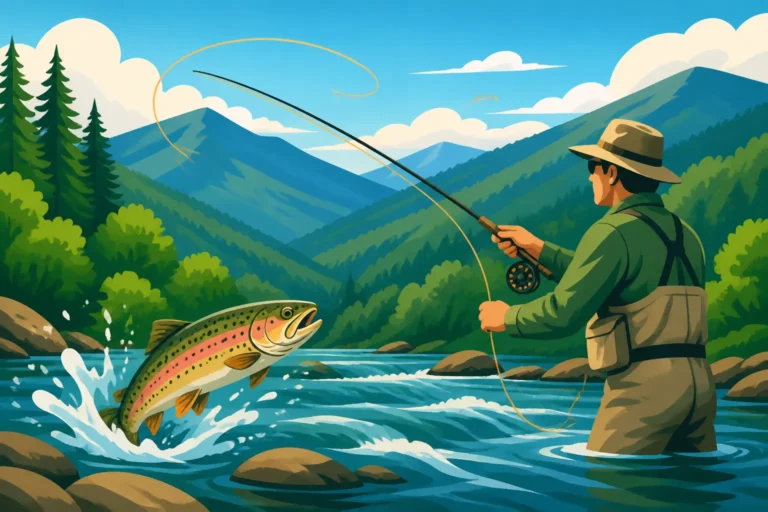
The Toccoa River, particularly the section designated as Delayed Harvest, is a true gem. Imagine standing in the cool, crisp water on a fall morning, the mist rising off the surface, and the vibrant colors of autumn reflecting in the water. This section of the river, located near Blue Ridge, is managed for catch-and-release fishing with artificial lures only from November 1st to May 14th, creating an incredible opportunity for impressive trout numbers. During these months, the fish grow large and become less wary, offering fantastic opportunities for fly fishing and spin fishing alike. It’s an experience that truly connects you with nature, far from the hustle and bustle.
Similarly, the headwaters of the Chattahoochee River, especially above Lake Lanier, are legendary for their trout populations. These upper reaches, winding through national forests, offer a mix of stocked trout and wild fish. The accessibility varies, with some stretches easily reached via roadside pull-offs and others requiring a hike into more secluded areas. Anglers can expect to find a healthy population of rainbow and brown trout here, and with a bit of effort, even native brook trout in the highest, coldest tributaries. For a deeper dive into these picturesque locales, you'll find plenty of valuable information in our dedicated guide on the Best Trout Streams in Georgia.
Fishing these iconic waters often involves precise casting and a good understanding of trout behavior. Whether you're drifting nymphs under an indicator, stripping streamers through deeper pools, or flicking small spinners into eddies, the thrill of a strong trout tugging on your line is an unforgettable sensation. The scenery alone is worth the trip, with towering pines, rhododendron thickets, and the soothing sound of rushing water providing the perfect backdrop for a peaceful day on the water.
Smaller, Secluded Trout Streams for the Adventurous
Beyond the well-known rivers, North Georgia boasts a myriad of smaller, often overlooked creeks and streams that offer a more intimate and challenging trout fishing experience. These are the places where you can truly escape the crowds and perhaps even discover a hidden honey hole all your own.
Many of these secluded spots are found within the vast expanse of the Chattahoochee National Forest and various Wildlife Management Areas (WMAs). Take, for instance, some of the smaller tributaries flowing into the Toccoa or Etowah Rivers. These streams, often requiring a bit of a hike or bushwhack to access, are where you’re more likely to encounter Georgia’s only native trout species: the beautiful brook trout. These vibrant fish, though typically smaller than their rainbow and brown cousins, are a testament to the wildness of these pristine environments. They demand a stealthy approach and light tackle, rewarding the patient angler with stunning catches.
Accessing these more remote streams can be an adventure in itself. You might find yourself navigating narrow forest trails, crossing fallen logs, and wading through shallow riffles, but the solitude and the chance to cast into untouched waters are incomparable. It’s here that the true spirit of mountain stream fishing comes alive, where every bend in the creek could hold a surprise. Before heading out to these wilder areas, it's crucial to understand the specific license requirements, especially regarding trout. Our guide on Georgia Trout Fishing License Requirements can help ensure you're fully prepared and compliant.
These smaller streams are perfect for anglers seeking a deeper connection with the wilderness. They often require more technical casting, as overhead cover from trees can be dense, and presentation needs to be spot-on. However, the feeling of successfully enticing a wild trout from a tiny, crystal-clear pool, surrounded by nothing but the sounds of nature, is a reward that far outweighs any challenges encountered along the way.
Central Georgia's Mighty Reservoirs: Bass and Striper Havens
Moving south from the mountains, Central Georgia transforms into a landscape dominated by vast, man-made reservoirs. These massive impoundments, created by damming major rivers, have become legendary fishing destinations, particularly for bass and striped bass. They offer a different kind of angling challenge and opportunity, with wide-open waters and deep structures holding impressive fish.
Lake Lanier: The King of North Georgia Bass and Stripers
Lake Lanier, just north of Atlanta, is arguably Georgia's most famous and frequently visited lake. This sprawling reservoir is an absolute powerhouse fishery, renowned for its incredible populations of spotted bass, largemouth bass, and especially its hard-fighting striped bass.
Lanier's clear, deep waters and abundant submerged structure—from old roadbeds and timber to brush piles and humps—provide endless opportunities for anglers. Spotted bass thrive here, often schooled up in deeper water, making them a favorite target for vertical jigging or drop-shotting. Largemouth bass can be found along the abundant docks, rip-rap, and shallow coves, especially during the spring spawn and fall transition. But it’s the striped bass that often steal the show. These powerful fish can grow to impressive sizes, offering epic battles, particularly when they school up and chase baitfish on the surface. For those looking to dive deep into this particular lake, our detailed Lake Lanier Fishing Guide, Georgia, is an excellent resource.
A real-life scenario on Lanier might involve an early morning topwater bite for largemouth near a boat dock, followed by a mid-day chase after schooling stripers breaking the surface in the main lake. You might then spend the afternoon targeting deep-dwelling spotted bass with finesse techniques. Because Lanier is so large and complex, understanding its nuances can take years. For first-timers, or even seasoned anglers looking for a new edge, booking a trip through FishingBooker can really help unlock Lanier's secrets, connecting you with experienced guides who know the lake inside and out. They can provide invaluable local knowledge and put you on fish faster.
The lake's popularity means you'll share the water with pleasure boaters, especially on summer weekends, but its immense size ensures there are always quiet coves and fishing grounds to be found. The sheer diversity of species and fishing techniques available on Lake Lanier makes it a must-visit destination for any serious Georgia angler. For specific strategies on targeting its most popular species, consider checking out our article on the Best Spots for Bass Fishing on Lake Lanier.
Lake Oconee and Lake Sinclair: Twin Powerhouses for Hybrids and Crappie
Southeast of Atlanta, Lakes Oconee and Sinclair represent another dynamic duo of central Georgia reservoirs, each with its own unique character and fishing strengths. These lakes are interconnected by the Wallace Dam, influencing their water levels and fish movements.
Lake Oconee is celebrated for its fantastic hybrid striped bass fishery. These feisty crossbreeds of striped bass and white bass are known for their aggressive strikes and strong fights, making them a thrilling target. Anglers often troll for them in open water or target them around humps and points using live bait or artificial lures. Beyond hybrids, Oconee also boasts healthy populations of largemouth bass and some truly impressive crappie. The lake's abundant standing timber and brush piles provide excellent habitat for crappie, especially during the cooler months. You can find a comprehensive breakdown of fishing strategies and hot spots in our detailed guide on Fishing Lake Oconee, Georgia.
Adjacent to Oconee, Lake Sinclair offers a slightly different, but equally rewarding, angling experience. Sinclair is particularly known for its excellent crappie and catfish fishing. The warm water discharge from Plant Branch on Sinclair makes it a prime location for winter fishing, often outperforming other lakes in the state when temperatures drop. Crappie anglers flock here, using techniques like spider-rigging or jigging around submerged cover and bridge pilings. Catfish, especially channel cats and flatheads, grow large in Sinclair's nutrient-rich waters, providing exciting opportunities for those who enjoy bottom fishing. To truly maximize your time on this fantastic lake, be sure to consult our article on Lake Sinclair Fishing Spots.
A typical day on Lake Sinclair might involve spider-rigging for crappie near a brush pile in the morning, followed by targeting aggressive winter bass near the warm water discharge, or setting out some cut bait for big catfish as the sun begins to set. These two lakes, while geographically close, offer distinct angling adventures, ensuring there’s always something new to explore. Their proximity allows for diverse trips, catering to different species and fishing preferences all within the same general area.
West Point, Clarks Hill, and Hartwell: Western and Eastern Giants
Georgia's network of large reservoirs extends further, with giants like West Point Lake on the western border, and Clarks Hill Lake (also known as Lake Thurmond) and Lake Hartwell on the eastern border with South Carolina. These expansive bodies of water offer incredible fishing for a variety of popular game fish.
West Point Lake, straddling the Georgia-Alabama line, is a fantastic fishery, particularly known for its largemouth bass, crappie, and sauger. Its diverse habitat, including flooded timber, rocky points, and numerous creeks, makes it a strategic choice for bass anglers. During the spring, the shallow coves come alive with spawning bass, offering excellent sight-fishing opportunities. As the seasons change, bass move to deeper structure, and crappie congregate around submerged trees and brush. Sauger, a less common but prized catch, provide a unique challenge, often found in the tailwaters below the dam or deeper sections of the lake.
On the eastern side, Clarks Hill Lake, one of the largest lakes east of the Mississippi, is a true juggernaut for crappie and striped bass. Crappie here can reach impressive "slab" sizes, drawing anglers year-round, but especially in cooler months. Striper fishing is also phenomenal, with trolling and live bait techniques being popular for hooking into these hard-fighting fish. The lake's vastness and numerous feeder creeks provide extensive habitat, ensuring a diverse and healthy fishery. For those exploring this area, an excellent resource can be found in our comprehensive Clarks Hill Lake Fishing Guide, Georgia.
Just north of Clarks Hill lies Lake Hartwell, another sprawling reservoir famous for its bass tournaments and large populations of striped bass. Hartwell boasts excellent largemouth and spotted bass fishing, with anglers often targeting specific structures and deep-water haunts. Stripers here are also a major draw, providing thrilling action for those equipped to handle powerful, fast-running fish. Lake Hartwell also offers opportunities for big catfish and a healthy population of panfish. For more detailed information on maximizing your trip to this popular destination, you can check out our guide on Georgia's Lake Hartwell Fishing Spots. These western and eastern giants provide incredible, large-scale fishing experiences, each with its own character and species to pursue, making them vital components of Georgia's diverse angling landscape.
South Georgia's Large Lakes and Rivers: Catfish and Panfish Goldmines
As you venture into South Georgia, the landscape changes, and so do the primary fishing targets. While bass are still prevalent, this region's lakes and slow-moving rivers become renowned for their monster catfish, plentiful panfish, and unique species like the shoal bass. The warmer climate often means a longer growing season, contributing to the impressive size of many resident fish.
Lake Seminole: Southern Bass and Panfish Mecca
Nestled on the border with Florida, Lake Seminole is a truly unique fishery. Its shallow, fertile waters are choked with hydrilla, cypress trees, and abundant aquatic vegetation, creating an ideal environment for trophy largemouth bass, as well as an incredible array of bream and crappie.
Seminole is legendary for its bass fishing, often producing tournament-winning bags and truly enormous largemouth. Anglers here learn to "punch" through thick mats of vegetation, a thrilling technique that involves dropping heavy jigs or soft plastics directly into small openings in the hydrilla. Beyond bass, the lake's rich ecosystem supports a phenomenal panfish population. Bluegill and other bream species are plentiful, offering consistent action for anglers of all ages, especially those using live worms or crickets. Crappie fishing can also be excellent, particularly in the quieter coves and around submerged timber. Before planning your adventure to this incredible lake, make sure to read our detailed Lake Seminole Fishing Guide to get the most out of your visit.
The lake's unique hydrology and dense cover mean that fishing here requires specific techniques and often specialized gear. However, the rewards can be truly spectacular, with the potential for multiple trophy-sized catches in a single day. A real-life scenario might involve spending the morning pitching a frog bait over lily pads for an explosive topwater bass strike, then switching to a small jig or minnow to pluck crappie from beneath a cypress tree in the afternoon.
The Flint River: Shoal Bass and Catfish Sanctuary
The Flint River is a storied waterway that flows through the heart of South Georgia, and it's a must-visit for any angler seeking unique challenges and native species. This river is best known for being one of the premier destinations for Georgia's unique and aggressive shoal bass.
Shoal bass are a distinct species of black bass, native to the Apalachicola River basin, and the Flint River holds some of the healthiest populations. Unlike their largemouth cousins, shoal bass prefer the strong currents and rocky shoals of the river, exhibiting powerful fights and a preference for crawfish imitations or small crankbaits. Fishing for them often involves navigating rapids and targeting specific current breaks, making for an exciting and physically engaging experience. For comprehensive tips and locations to target this species, our Flint River Fishing Guide, Georgia, is an indispensable resource.
Beyond shoal bass, the Flint River is also a fantastic destination for trophy catfish, particularly flatheads and blue cats. These monstrous bottom dwellers thrive in the river's deep holes and sluggish currents, often falling to large live baits like bream or cut bait. Jug fishing and trotlining are popular methods for serious catfishermen targeting the biggest specimens. The river's wild and scenic character, with its ancient cypress trees and undisturbed banks, adds to the allure, providing a feeling of true wilderness fishing.
Altamaha and Ocmulgee Rivers: Legacy Waters for Diversity
Flowing eastward towards the coast, the Altamaha and Ocmulgee Rivers are massive, tannin-stained waterways steeped in history and teeming with a diverse array of fish species. These rivers offer a more traditional Southern river fishing experience, with slow currents, deep bends, and vast stretches of undeveloped floodplain.
The Altamaha River, often called "Georgia's Amazon," is particularly famous for its incredible flathead catfish population. These formidable predators grow to immense sizes here, making it a bucket-list destination for serious catfishermen. Besides flatheads, the Altamaha also offers excellent fishing for channel catfish, blue catfish, striped bass, largemouth bass, crappie, and a variety of bream. Its sheer size and numerous tributaries provide endless exploration opportunities. Our Altamaha River Fishing Guide provides an in-depth look at this magnificent waterway.
The Ocmulgee River, which feeds into the Altamaha, is another productive fishery, offering similar species but with its own distinct charm. Anglers here can expect good fishing for largemouth bass, crappie, and all three major species of catfish. Fishing these rivers often involves boat access, allowing anglers to explore remote oxbow lakes, sloughs, and main river channels where fish congregate. These legacy waters provide a powerful sense of timeless fishing, connecting anglers to generations who have pursued their quarry in these very same currents.
Coastal Georgia: Saltwater Adventures
Georgia's coastline, with its vast salt marshes, barrier islands, and intricate network of tidal creeks, offers a completely different, yet equally thrilling, fishing experience. Here, the rhythm of the tides dictates the fishing, and species like redfish, sea trout, and flounder become the main targets.
Golden Isles and St. Simons Island: Inshore Charms
The Golden Isles region, encompassing areas like St. Simons Island, Jekyll Island, and Sea Island, is the crown jewel of Georgia's inshore saltwater fishing. This area is characterized by expansive salt marsh estuaries, which serve as nurseries and feeding grounds for a rich variety of marine life.
Redfish, also known as red drum, are the undisputed kings of the marsh. Anglers flock here for the chance to sight-fish for "tailing" reds on flood tides, where the fish's tails break the surface as they root for crabs and shrimp in the shallow grass. It's a challenging but incredibly rewarding experience, demanding stealth and accurate casting. Beyond redfish, the marshes and tidal creeks also hold healthy populations of speckled sea trout and flounder, offering consistent action for those fishing with live bait or artificial lures. For a comprehensive overview of this area, our Coastal Georgia Fishing Spots Guide is a fantastic resource, and for specific island advice, check out the St. Simons Island Inshore Fishing Guide.
A real-life scenario might involve poling a shallow-draft boat through a remote marsh creek on an incoming tide, spotting a redfish's tail waving above the grass, and making a perfect cast with a weedless spoon. The explosive strike and powerful run of a marsh redfish are truly exhilarating. When exploring new inshore waters, checking out local guides on FishingBooker can give you a huge advantage. They possess an intimate knowledge of the ever-changing tides and fish patterns, making your trip much more successful and enjoyable.
Brunswick and Offshore Excursions: Bigger Game
While the inshore marshes offer incredible fishing, the waters around Brunswick and further offshore unlock opportunities for bigger game and deeper sea adventures. This area serves as a gateway to nearshore reefs and true offshore fishing grounds.
Nearshore fishing out of Brunswick involves targeting artificial reefs and natural bottom structures within a few miles of the coast. Here, anglers can expect to catch a variety of species including snapper, grouper, sheepshead, and even king mackerel. Bottom fishing with live or cut bait is often the most productive method, but trolling can also yield results for pelagic species like kingfish. These trips are typically shorter than true offshore excursions but offer a chance at substantial catches.
For those seeking the ultimate saltwater thrill, venturing further offshore into the blue water opens up possibilities for true pelagic species. Think about battling powerful dolphin (mahi-mahi), tuna, wahoo, and even sailfish or marlin during specific seasons. These trips require larger, well-equipped boats and experienced captains who know how to navigate the ocean's vastness and locate concentrations of baitfish. For serious offshore trips, reputable charter services often list their availability on platforms like FishingBooker, making planning much easier by providing access to vetted captains and detailed trip information.
Whether you're casting a popping cork for trout in a calm creek or chasing billfish miles offshore, Georgia's coast offers a diverse and thrilling saltwater angling experience that caters to all levels of ambition and expertise. The constant ebb and flow of the ocean, combined with the anticipation of what might bite next, makes every coastal fishing trip an adventure.
Family-Friendly and Accessible Fishing: Fun for Everyone
Fishing isn't just about chasing trophy fish in remote locations; it's also about creating memories, especially for families and beginners. Georgia recognizes this and offers numerous spots designed to provide easy access, consistent catches, and a welcoming environment for anglers of all ages and abilities.
Georgia's Public Fishing Areas (PFAs): Designed for Success
The Georgia Department of Natural Resources (DNR) manages a fantastic network of Public Fishing Areas (PFAs) across the state. These aren't just random ponds; they are carefully managed lakes and ponds specifically designed to enhance recreational fishing opportunities.
PFAs are often stocked regularly with popular species like channel catfish, largemouth bass, and various panfish (bluegill, redear sunfish, crappie), ensuring a higher chance of success, especially for kids and novice anglers. Many PFAs feature excellent amenities, including paved boat ramps (for electric motors only on smaller lakes), fishing piers (many are handicap-accessible), restrooms, and picnic areas. They are meticulously maintained to provide a safe, clean, and productive fishing environment. Marben Farm PFA near Covington and McDuffie PFA near Dearing are excellent examples, offering multiple lakes and ponds with diverse fishing. Our guide on Georgia State Park Fishing Spots provides more details on some of these great locations within the state park system.
These areas are perfect for a family outing, where the focus is less on landing a monster and more on the joy of catching fish, learning basic techniques, and spending quality time outdoors. Imagine a child's face lighting up as they reel in their first bluegill on a simple cane pole with a worm and a bobber. That’s the magic of PFAs. For more ideas tailored to younger anglers, check out our guide on Great Fishing Spots for Kids and Families in Georgia.
Accessible Piers and Bank Fishing Opportunities
Beyond the dedicated PFAs, Georgia offers countless accessible piers and bank fishing locations on larger reservoirs, smaller city parks, and even along some coastal areas. These spots remove the need for a boat, making fishing accessible to almost everyone.
Many of Georgia's major lakes, like Lanier, Oconee, and Hartwell, feature public fishing piers that extend over deeper water, allowing bank anglers to reach areas that would otherwise be inaccessible. These piers often have lights for night fishing, attracting baitfish and, consequently, game fish. Similarly, many smaller community parks have well-maintained ponds with easy bank access, providing convenient spots for a quick fishing trip after work or school.
Coastal areas also offer excellent pier fishing, such as the pier on Jekyll Island or the Tybee Island Pier. These structures extend into saltwater, providing opportunities to catch a variety of inshore species like whiting, croaker, flounder, and even redfish or sea trout, all without needing a boat. These locations are fantastic for anglers who prefer a relaxed pace, enjoy the social aspect of pier fishing, or simply want to cast a line without the hassle and expense of a boat. Always remember that even for these accessible spots, you'll generally need a valid Georgia fishing license.
Planning Your Georgia Fishing Adventure: Tips for Success
Embarking on a fishing trip in Georgia is always an exciting prospect, but a little planning goes a long way in ensuring a safe, enjoyable, and successful outing. Understanding the rules, knowing what to expect, and leveraging local knowledge can make all the difference.
Navigating Licenses and Regulations
Before you even think about casting a line, the absolute first step is to ensure you have the correct Georgia fishing license. The state has specific requirements for freshwater, saltwater, and even additional endorsements like a trout stamp if you plan to fish in designated trout waters.
The regulations can sometimes seem a bit complex, with different size and creel limits for various species and even specific bodies of water. For example, bass size limits on Lake Lanier might differ from those on the Flint River. It’s not just about having a license; it’s about understanding the nuances of the law to avoid any penalties. Familiarizing yourself with these rules is paramount. Our comprehensive Georgia Fishing License Guide is a great place to start, providing a clear breakdown of costs and types. Additionally, our Georgia Fishing Regulations Explained article delves into the specifics of species limits and other important rules, ensuring you stay compliant and enjoy your fishing guilt-free.
Always carry your license with you when fishing, either a physical copy or easily accessible on your phone through the official Go Outdoors Georgia app. Ignorance of the law is never an excuse, and game wardens are frequently patrolling popular fishing spots. A quick check of the current regulations before each trip, especially if you're exploring a new area or targeting a different species, can save you a lot of headache and potential fines.
Seasonal Considerations and Bait Choices
Georgia's diverse climate means that fishing conditions, fish behavior, and productive techniques can vary dramatically throughout the year. What works in the spring might be completely ineffective in the heat of summer or the chill of winter.
For instance, spring is often associated with the bass spawn, making shallow areas and specific baits like spinnerbaits or soft plastics incredibly effective. Summer, on the other hand, might push bass deeper or lead to excellent early morning and late evening topwater action. Trout fishing in the mountains is often best during the cooler months of spring and fall, but some streams offer year-round opportunities. Knowing when and where to go for your target species is crucial. Our detailed guide on Georgia Fishing Seasons by Month offers an invaluable overview of what to expect throughout the year.
Beyond seasonality, choosing the right bait or lure is equally important. Fish preferences can change based on water temperature, clarity, time of day, and even barometric pressure. Live bait like worms, crickets, or minnows are often universal attractors, especially for panfish and catfish. However, for targeting specific species like bass or trout, an array of artificial lures—crankbaits, jigs, soft plastics, spinnerbaits, or flies—might be necessary. Understanding the forage base in a particular body of water can also inform your lure selection. For comprehensive advice on what to tie on, consider consulting our article on How to Choose the Right Bait and Lure for the Season.
Local Knowledge and Guide Services
While guides and online resources are incredibly helpful, there’s no substitute for local knowledge. Whether it’s talking to the folks at a local bait and tackle shop or considering a professional guide, these insights can transform your trip.
Bait and tackle shop owners and employees are often passionate anglers themselves and are usually the best source of up-to-date information on what’s biting, where, and on what. They can tell you about recent stocking efforts, current water levels, and even share a few tips on specific techniques that are currently productive. Don't be shy; strike up a conversation! They often appreciate anglers who are genuinely interested in learning and respecting the resource.
For a truly immersive and educational experience, especially when targeting a challenging species or exploring unfamiliar waters, hiring a professional fishing guide is an excellent investment. Guides spend countless hours on the water, tracking fish patterns, understanding subtle nuances of different locations, and mastering specific techniques. They provide the boat, gear, and expertise, significantly increasing your chances of success and teaching you valuable skills. Many fantastic local guides are available to book through platforms like FishingBooker, offering invaluable insights for a successful trip, whether you're chasing trophy bass on a large reservoir or exploring the intricate marshlands for redfish. They can teach you about fish behavior, optimal casting techniques, and even share stories of the local area, making your fishing adventure truly unforgettable.
A Snapshot of Georgia's Premier Fishing Spots
To help you visualize your next adventure, here's a quick overview of some of Georgia's top fishing destinations, their primary species, and typical access methods. This table is just a starting point, but it highlights the incredible diversity of angling opportunities awaiting you in the Peach State.
| Location Name | Region | Primary Species | Best Access Type | Key Feature |
|---|---|---|---|---|
| Toccoa River (DH) | North Georgia | Rainbow, Brown Trout | Bank, Wade, Kayak | Catch-and-Release Season (Nov-May), Fly Fishing |
| Lake Lanier | Central Georgia | Spotted Bass, Striped Bass, Crappie | Boat | Trophy Stripers, Clear Water, Deep Structure |
| Lake Oconee | Central Georgia | Hybrid Striped Bass, Largemouth Bass, Crappie | Boat | Aggressive Hybrids, Abundant Crappie |
| Lake Sinclair | Central Georgia | Crappie, Catfish, Largemouth Bass | Boat, Bank | Warm Water Discharge, Winter Fishing, Catfish |
| Flint River | South Georgia | Shoal Bass, Flathead Catfish | Kayak, Small Boat, Wade | Native Shoal Bass, Rocky Shoals |
| Lake Seminole | South Georgia | Largemouth Bass, Bream, Crappie | Boat | Dense Hydrilla, Trophy Bass |
| Altamaha River | South Georgia | Flathead Catfish, Striped Bass | Boat | Monster Catfish, Vast River System |
| St. Simons Island Area | Coastal Georgia | Redfish, Sea Trout, Flounder | Boat, Kayak, Pier | Salt Marsh Estuaries, Sight Fishing for Reds |
| Marben Farm PFA | Central Georgia | Catfish, Bass, Bream | Bank, Small Boat (Electric) | Stocked Ponds, Family-Friendly Amenities |
Disclaimer
The information provided in this guide is for general informational purposes only and is subject to change. Fishing regulations, license requirements, and local conditions can vary. Always consult the official Georgia Department of Natural Resources (DNR) website or publications for the most current and accurate information before planning your fishing trip. Ensure you have the proper licenses and adhere to all local, state, and federal regulations. Fishing inherently carries risks; always prioritize safety on the water.