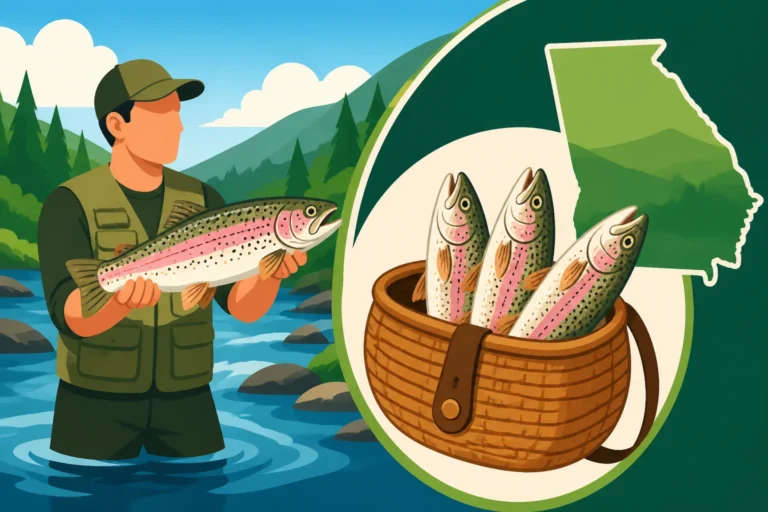
Delayed harvest season dates for Georgia trout streams
It can be incredibly frustrating to head out to your favorite trout stream, only to realize you've misunderstood the regulations, especially when it comes to those special "delayed harvest" waters. Many anglers find themselves wondering exactly when they can keep a fish and when it's strictly catch-and-release, which can truly impact your day on the water. This comprehensive guide is designed to cut through all that confusion, giving you the precise season dates for Georgia's delayed harvest trout streams and outlining the rules, so you can plan your next fishing trip with complete confidence.
Understanding Georgia's Delayed Harvest Program
Georgia's Delayed Harvest (DH) program is a fantastic initiative designed to enhance trout fishing opportunities, especially during the colder months when many streams might otherwise be less productive or accessible. It creates unique fishing experiences by implementing special regulations for specific periods, fostering a different kind of angling challenge and success. It's not just about stocking fish; it's about creating an environment where trout can thrive and provide consistent sport for anglers.
What Makes Delayed Harvest Unique?
The core purpose of the delayed harvest program is to establish a high-quality trout fishery for a significant portion of the year, particularly from late fall through spring. During this time, designated streams are heavily stocked with trout, but anglers are strictly limited to catch-and-release fishing using only artificial lures with single hooks. This "delay" in harvest allows the stocked trout to accumulate, grow a bit larger, and become more acclimated to their environment, making for a more challenging and rewarding experience. Think of it like a temporary sanctuary where the fish can become a little "wiser" before the harvest season opens. This period is a prime time for practicing your fly-fishing techniques or honing your spin-fishing skills without the pressure of trying to fill a cooler.
The "why" behind this program is simple: to provide excellent, consistent trout fishing when natural populations might be stressed or less abundant. By focusing on catch-and-release for several months, the Georgia Department of Natural Resources (GDNR) ensures that there are plenty of trout available, offering a prolonged season of exciting angling. The fish, being caught and released multiple times, tend to become more savvy, requiring anglers to refine their presentations and approaches, which many find incredibly satisfying. It's a system that truly benefits both the fish and the dedicated angler, promoting sustainable enjoyment of our natural resources.
Identifying Delayed Harvest Streams
It's crucial to know which streams operate under delayed harvest rules, as these regulations are specific and not universal across all trout waters. Georgia has several popular and productive streams designated as delayed harvest. Some of the most well-known include significant stretches of the Toccoa River, Amicalola Creek, Smith Creek (in Unicoi State Park), and a portion of the Chattooga River. These streams are usually marked with clear signage indicating their special status and the rules that apply, but it's always best practice to consult official resources before you go.
To confirm a stream's delayed harvest status and check for any specific nuances, the most reliable source is always the Georgia Department of Natural Resources (GDNR) website or their annual fishing regulations guide. These resources will list all designated delayed harvest waters and any unique rules that might apply to a particular section. It’s important to remember that not every trout stream in Georgia is a delayed harvest stream; many operate under general trout regulations year-round, while others might have their own special management zones. Always double-check, especially if you're exploring a new area. Knowing your waters ensures you're fishing legally and responsibly, protecting these precious fisheries for everyone.
Key Dates for Georgia's Delayed Harvest Trout Streams
The heart of understanding delayed harvest fishing lies in knowing the calendar. These streams operate on a precise schedule, switching between catch-and-release only and open harvest periods. Missing these dates means you could inadvertently break the law or miss out on the chance to take home some fresh trout for dinner. It’s a game of timing, and knowing the rules for each period is paramount for a successful outing.
The Catch-and-Release Only Period
For Georgia's designated delayed harvest trout streams, the catch-and-release only period typically runs from November 1st to May 14th. During these months, the primary goal is conservation and sport, allowing trout to grow, recover from the initial stocking, and provide abundant fishing opportunities without being removed from the system. This is when you'll find higher concentrations of fish, often more willing to bite as they settle into their new homes and feeding patterns.
During this catch-and-release window, anglers must adhere strictly to the rules: no trout can be harvested or kept, and fishing is permitted only with artificial lures equipped with a single barbless hook. This isn't just a suggestion; it's a critical regulation designed to minimize harm to the fish, ensuring they can be released unharmed to be caught another day. If you accidentally snag a fish deep or it's bleeding, you still cannot keep it; it must be released. It might feel tough at times, especially when you've landed a beautiful rainbow, but respecting this rule is vital for the program's success. Proper handling, such as using a rubberized net and keeping the fish in the water as much as possible, is essential during this period.
The Open Harvest Period
After the catch-and-release period concludes, Georgia's delayed harvest trout streams transition to an open harvest season, which typically begins on May 15th and runs through October 31st. This is when the streams revert to general trout fishing regulations, meaning you can now keep your catch, provided you adhere to the established creel and size limits. It's a different kind of enjoyment, where you can bring home a tasty reward for your efforts.
During the open harvest period, you can use a wider variety of baits and lures, including live bait like worms or corn, and your tackle doesn't necessarily need to have single barbless hooks. However, you must be vigilant about checking the specific creel limits (how many fish you can keep per day) and size limits (the minimum length a fish must be to be kept). While the statewide daily creel limit for trout is generally eight fish, some specific streams or sections might have different rules. For instance, certain areas might have a slot limit or a different daily bag limit. Always refer to the most current Georgia fishing regulations guide or the GDNR website to avoid any missteps.
To make it super clear, here's a handy table outlining the general seasons:
| Regulation Period | Start Date | End Date | Key Rules & Notes |
|---|---|---|---|
| Catch-and-Release | November 1st | May 14th | Only artificial lures with a single barbless hook. All trout must be immediately released. |
| Open Harvest | May 15th | October 31st | General trout regulations apply for creel and size limits. Wider bait/lure options permitted. |
It's a pretty straightforward system once you get the hang of it, but those dates are non-negotiable! Knowing when you can keep trout on Georgia's delayed harvest streams is just as important as knowing how to fish for them.
Rules and Regulations During Delayed Harvest Seasons
Understanding the specific rules for each phase of the delayed harvest season is critical for every angler. It’s not just about knowing the dates; it’s about knowing what gear you can use and how many fish you’re allowed to keep, if any. These regulations are designed to ensure the sustainability of the fishery and provide quality angling experiences. Ignoring them can lead to fines and a less enjoyable day for everyone involved.
Gear Restrictions for Catch-and-Release
During the catch-and-release phase, typically from November 1st to May 14th, the gear restrictions are quite strict for a very good reason: fish welfare. You are only permitted to use artificial lures with a single barbless hook. This means absolutely no live bait, no cut bait, and no scented baits that are designed to be ingested by the fish. The intention is to promote healthy release rates by minimizing injury to the trout. When a fish bites an artificial lure with a single barbless hook, it's generally hooked cleanly in the mouth, and the barbless nature allows for quick and easy removal with minimal damage.
This restriction applies to all types of fishing on delayed harvest streams during this period, whether you're fly fishing or spin fishing. For fly anglers, this usually means using patterns tied on barbless hooks, or simply crimping down the barb on your existing flies with a pair of pliers. For spin fishermen, it means selecting lures like small spinners, spoons, or jigs that come with single, barbless hooks. If your favorite lure has a treble hook, you'll need to swap it out for a single barbless hook. You can often find replacement single barbless hooks on platforms like Amazon or at your local tackle shop, making the conversion fairly simple. Adhering to this rule is not just about avoiding a ticket; it's about being a responsible steward of these incredible trout resources.
Creel and Size Limits During Harvest Season
Once the calendar flips to the open harvest period on May 15th, the rules surrounding what you can keep change dramatically. During this time, the special delayed harvest regulations are lifted, and the stream reverts to what are known as general trout regulations. This means you are now allowed to keep fish, but you must strictly adhere to the established creel limits (the maximum number of fish you can keep per day) and size limits (the minimum length a fish must be to be legally kept).
Generally, the statewide daily creel limit for trout in Georgia is eight fish per angler. However, it's absolutely crucial to understand that specific streams or even sections of a stream can have their own unique regulations that supersede the statewide rule. For example, some designated areas might have a different creel limit or a minimum length requirement of, say, 12 inches for certain species. To avoid any confusion, before heading out during the harvest season, always consult the Georgia Department of Natural Resources' fishing regulations for any stream-specific rules. You'll want to be familiar with any Georgia Trout Stream Size Limits by Creek and Daily Creel Limits for Trout in Georgia to ensure you're fishing within the legal parameters. This diligent check ensures your cooler is filled legally and responsibly.
Preparing for Your Delayed Harvest Trout Trip
A successful day on Georgia's delayed harvest trout streams isn't just about knowing the rules; it's also about having the right gear and staying informed about current conditions. Being prepared can make the difference between a frustrating outing and a truly memorable one, especially when you're dealing with potentially colder weather and specific tackle requirements.
Essential Gear for Delayed Harvest Fishing
When gearing up for a delayed harvest trout trip, especially during the catch-and-release period, your tackle selection is paramount. Since only artificial lures with single barbless hooks are allowed, you'll want to focus on light-action rods paired with small spinning reels or fly rods appropriate for trout. For spin fishing, think about ultralight rods from 5' to 6'6" and reels spooled with 2-6 pound test line. Your lure selection should include small inline spinners like a Rooster Tail or Panther Martin, compact spoons, and various micro-jigs. Make sure any treble hooks are either replaced with single barbless hooks or completely crimped down at the barb. For fly anglers, a 3 to 5-weight fly rod is ideal, and your fly box should be stocked with nymphs, streamers, and dry flies tied on barbless hooks. You can find a vast selection of these specialized items on sites like Amazon, from reputable brands that cater to trout anglers.
Beyond your rod and reel, comfort and safety are key. Since the catch-and-release season often falls during cooler months, a good pair of waders and wading boots will be indispensable for accessing prime spots and staying warm and dry. Look for breathable waders for comfort, especially if you'll be doing a lot of walking. Also, a proper landing net—specifically one with a rubberized, knotless mesh—is crucial for safely landing and releasing trout without damaging their delicate fins or slime coat. A pair of hemostats or long-nosed pliers will also be incredibly helpful for quickly removing hooks. Having these tools readily accessible means you can minimize handling time and ensure a healthy release, keeping the fish population robust.
Checking Current Conditions and Regulations
Before you even load up the car, making a quick check on current conditions and regulations is a non-negotiable step for any responsible angler. The Georgia Department of Natural Resources (GDNR) website is your absolute best friend here. They provide the most up-to-date information on fishing regulations, including any temporary closures, special advisories, or changes to delayed harvest schedules. Regulations can change, and what was true last year might not be true today, so a quick check can save you from a potential fine or a wasted trip.
Beyond just the legal aspects, it’s also wise to check environmental conditions. Water levels and clarity can dramatically affect trout behavior and your fishing success. Websites that track river gauges can give you real-time information on stream flows, which is vital for safety and knowing if fish will be active. Local bait and tackle shops near your chosen stream are also excellent resources for current conditions, recent stocking information, and what baits or flies are currently working. You can also monitor the Georgia Trout Stocking Schedule to see when your favorite stream might have received a fresh batch of trout, often indicating a good time to visit. Taking these few minutes to prepare will significantly increase your chances of a safe, successful, and enjoyable delayed harvest trout fishing experience in Georgia.
Disclaimer
Please remember that fishing regulations, season dates, and license requirements can change. While this guide provides comprehensive information, always consult the official Georgia Department of Natural Resources (GDNR) website or their most current fishing regulations guide before heading out on your fishing trip. Your adherence to these rules helps conserve Georgia's precious fisheries for future generations.