16-inch trout minimum in the Blue Ridge WMA
Standing knee-deep in a crystal-clear North Georgia stream, the excitement of a tug on your line can quickly turn to confusion when you realize the fish might not meet the local length requirements. It's a common dilemma for anglers, especially when navigating the various special regulations that govern our most prized trout waters. This comprehensive guide will untangle the specific rules for the Blue Ridge Wildlife Management Area (WMA), focusing on that notable 16-inch minimum length limit for trout, ensuring you're well-prepared for a responsible and rewarding fishing trip.
Understanding Georgia's Trout Management Zones
Georgia is blessed with an incredible diversity of waterways, from wide, lazy rivers to tumbling mountain streams, and each type of fishery often calls for a different approach to management. This isn't just about making things complicated for anglers; it's a carefully designed strategy to protect fish populations and enhance the fishing experience for everyone.
General Trout Regulations vs. Special Management Areas
When you first get your Georgia Fishing License Guide, you'll notice there are "general regulations" that apply to most waters. For trout, this typically means a daily creel limit of eight fish, with no minimum size limit, on most streams and rivers outside of designated special regulation areas. This is usually the case for many "put-and-take" fisheries, where the Georgia Department of Natural Resources (DNR) regularly stocks streams to provide immediate fishing opportunities. These spots are fantastic for a casual outing, especially for beginners or families looking to simply catch some fish to take home.
However, some of our most ecologically sensitive or high-potential fisheries require a more tailored approach. These "special management areas" often have stricter rules regarding size, creel limits, or even tackle, all designed to achieve specific conservation or trophy management goals. The frustrations can be real – you spend all day fishing, catch a handful of beautiful trout, only to realize they're all too small to keep. It happens to the best of us, which is why understanding these nuances is so important. Ignoring them, even unintentionally, can lead to stiff Penalties for Fishing Without a License in Georgia.
The Role of Wildlife Management Areas (WMAs) in Trout Fishing
Wildlife Management Areas, or WMAs, are parcels of land managed by the state, primarily for wildlife conservation, hunting, and fishing. These areas often encompass some of Georgia's most pristine and remote natural habitats, including incredible trout streams. The Blue Ridge WMA, nestled in the heart of the Chattahoochee National Forest in Fannin County, is a prime example. It's a vast, rugged expanse known for its stunning natural beauty and, crucially, for its trout waters.
Within WMAs, fishing regulations can be even more specific than general statewide rules, reflecting the unique ecological characteristics and management objectives of that particular area. The goal isn't just to stock fish; it's often to foster a more natural, self-sustaining fishery or to cultivate opportunities for anglers to target larger, "trophy-sized" fish. This means the fish you catch here might have had more time to grow, leading to more memorable battles on the line. Navigating these areas often requires a WMA license in addition to your basic fishing license, so always double-check current requirements before you head out. These areas are truly special, offering a more immersive angling experience, but they demand a greater understanding of the rules to protect what makes them so unique.
The 16-Inch Minimum Length Limit in Blue Ridge WMA
Now, let's zero in on the specific regulation that often catches anglers by surprise in the Blue Ridge WMA: the 16-inch minimum length limit for trout. This isn't a small detail; it fundamentally changes how you approach fishing in these designated waters.
Specifics of the Regulation and Its Impact
Within the Blue Ridge WMA, specifically on Coopers Creek and Mulky Creek, there's a unique and important rule: all trout caught must be at least 16 inches long to be kept. Furthermore, the daily creel limit in these specific WMA streams is a mere one trout per angler. This is a dramatic shift from the general statewide eight-trout limit with no size restriction. The purpose of such a stringent regulation is clear: to cultivate a trophy trout fishery. By protecting all fish under 16 inches, the Georgia DNR is allowing a significant portion of the trout population to grow to an impressive size, offering anglers the chance to hook truly memorable fish.
For the angler, this means a shift in mindset. You're not just fishing for dinner; you're fishing for sport and the rare opportunity to land a lunker. The practical impact is that most of the fish you catch will likely be released. This requires diligent measuring and, more importantly, meticulous catch-and-release practices to ensure the survival of those smaller, future trophy fish. It adds a layer of challenge and responsibility to your fishing experience, transforming it into a true pursuit of quality over quantity.
What Species Are Affected?
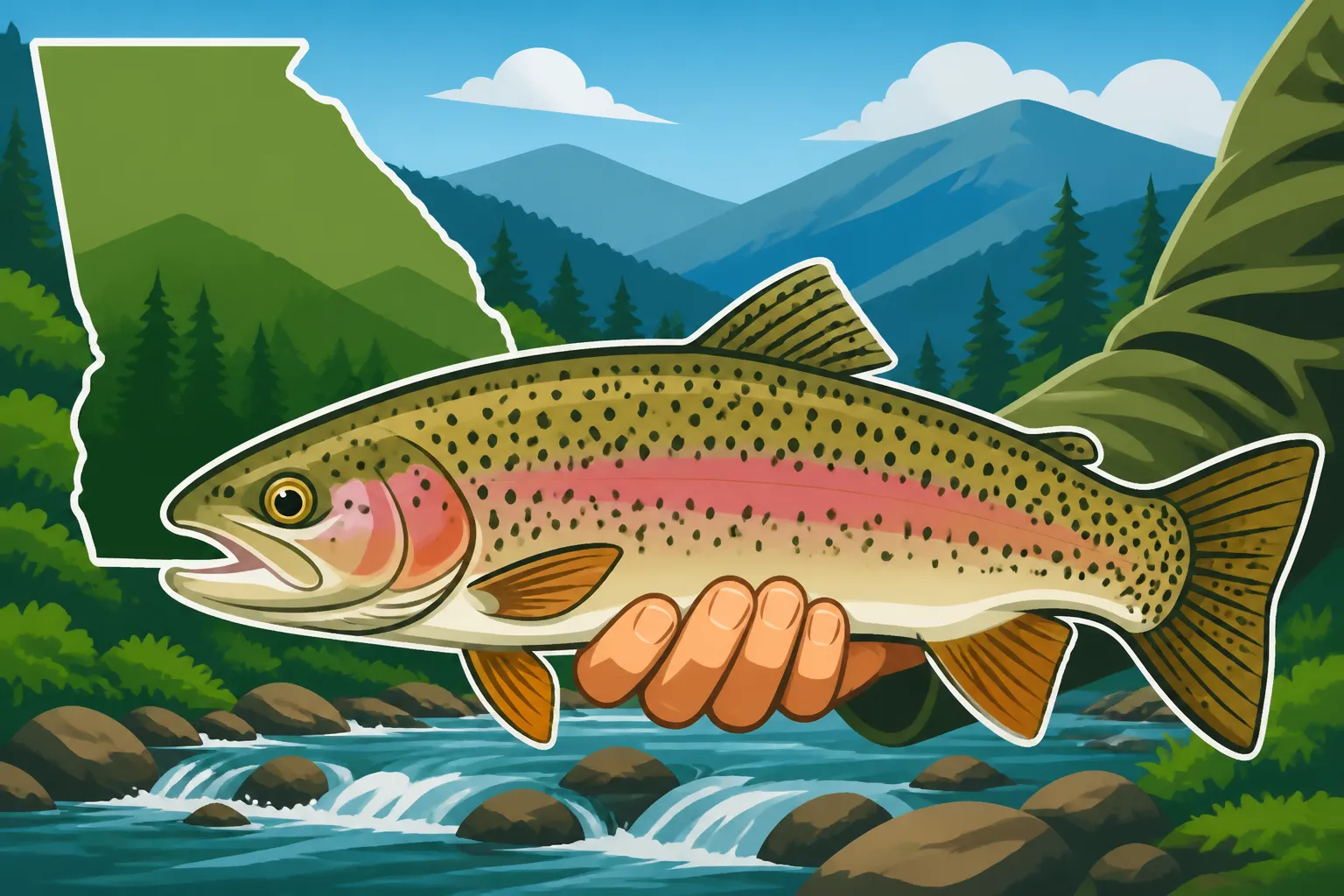
The 16-inch minimum length limit in the Blue Ridge WMA applies to all trout species found within those designated streams, primarily Rainbow Trout, Brown Trout, and the occasional native Brook Trout. While these streams are often stocked with Rainbow Trout, both Brown and Brook Trout can thrive in these colder, pristine waters.
Understanding the specific characteristics of each species can sometimes feel overwhelming, but for regulatory purposes in the Blue Ridge WMA, the rule applies universally to "trout." So, whether you hook a beautifully colored Rainbow, a wily Brown, or a vibrant little Brookie, if it doesn't measure up to that 16-inch mark, it needs to go back into the water unharmed. This uniform application simplifies things for anglers while maximizing the protective effect for all trout in the area. If you want to dive deeper into identifying different trout, check out our guide on Brook Trout: Georgia's Only Native Trout Species.
Navigating Blue Ridge WMA for Trout Anglers
Fishing in a WMA, especially one with special regulations like Blue Ridge, requires a bit more preparation than just grabbing your rod and heading out. Proper planning ensures you comply with regulations and have a successful, enjoyable trip.
Access and Permitting for WMA Fishing
Accessing fishing spots within the Blue Ridge WMA generally requires more than just a standard Georgia fishing license. Anglers typically need to possess a valid Georgia fishing license and a Wildlife Management Area (WMA) license. Think of the WMA license as your entry ticket to these specially managed lands, covering not just fishing but also hunting and other recreational uses. You can often purchase these licenses online through the Georgia Wildlife Resources Division website or at authorized retailers, including many bait and tackle shops. When considering how to buy your license, check out our guide on How to Buy a Fishing License Online in Georgia.
Before you head out, it's always a good idea to confirm the most current requirements. Regulations can occasionally change, and you don't want to find yourself in a situation where you're caught without the correct permits. It's a small upfront effort that saves a lot of potential headaches and ensures you're supporting the conservation efforts that make these WMAs so special.
Best Practices for Catching and Releasing Larger Trout
Given the 16-inch minimum length limit, catch and release will be a significant part of your fishing experience in Blue Ridge WMA. To ensure the survival of the fish you release, especially those feisty trout, it's crucial to employ best practices:
- Minimize Fight Time: Use appropriate tackle that allows you to land the fish quickly without completely exhausting it. Lighter lines and rods might be fun, but they prolong the fight, stressing the fish unnecessarily.
- Handle with Care: Wet your hands before touching the fish to protect its delicate slime coat, which acts as its primary defense against infection. Avoid squeezing the fish, especially around its belly or gills.
- Use Barbless Hooks: Barbless hooks or hooks with crimped barbs make extraction much easier and less damaging to the fish's mouth. You can find excellent barbless hook options or tools to crimp barbs on Amazon.
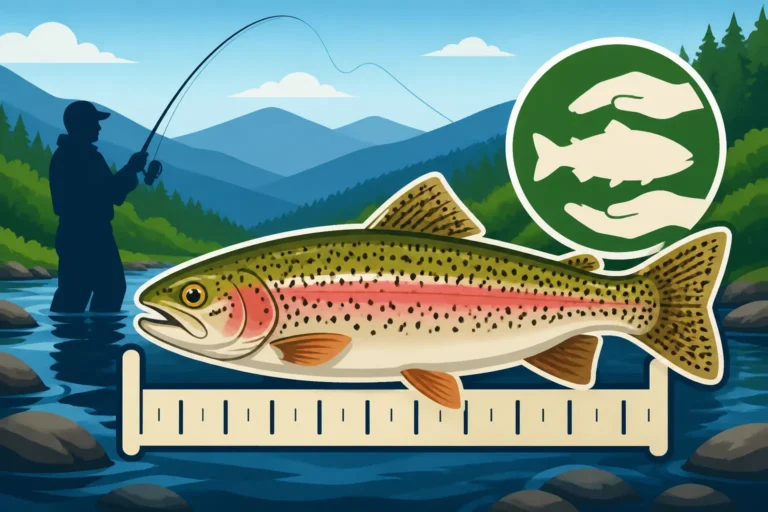
- Quick Release: Keep the fish in the water as much as possible. If you need to take a quick measurement, do it swiftly. Use a dedicated fish ruler or measuring tape. For those inevitable quick photos, try to cradle the fish gently just above the water, supporting its entire body.
- Revive If Necessary: If a fish seems sluggish, hold it gently upright in the current, facing upstream, until it regains its strength and swims away on its own. Don't simply toss it back; ensure it's ready to go.
- Appropriate Gear: Carry a pair of long-nosed pliers or forceps for easy hook removal. A rubberized net is also highly recommended, as it's much gentler on the fish's fins and slime coat than traditional nylon nets. You can find durable, fish-friendly nets and other essential release tools readily available on Amazon.
Adhering to these practices shows respect for the resource and contributes to the health and vitality of the fishery, ensuring that the next angler (or even you on your next trip!) has a chance at that trophy trout. For more on safe handling, consider reading up on How to Catch and Release Trout Properly.
Comparing Blue Ridge WMA Limits to Other Georgia Trout Waters
It's easy to get confused with all the different rules, but understanding how the Blue Ridge WMA's regulations stack up against other areas will give you a clearer picture of Georgia's diverse trout management strategies.
Statewide General Regulations vs. WMA Specifics
As we touched on earlier, the general statewide regulation for trout fishing in Georgia allows for a daily creel limit of eight trout with no minimum size limit. This applies to a vast number of rivers, streams, and impoundments across the state. These waters are often heavily stocked, providing abundant opportunities for anglers to catch and keep fish. They're typically easily accessible and are fantastic for introducing new anglers to the sport without the added pressure of complex rules.
The Blue Ridge WMA, however, operates under very different principles. With its 16-inch minimum length limit and a one-trout daily creel limit on Coopers Creek and Mulky Creek, it's designed to be a trophy trout fishery. This stark contrast highlights the DNR's targeted efforts: mass recreational fishing in some areas, and specialized, conservation-focused trophy fishing in others. It's not about making one better than the other, but about offering different experiences while managing the resource responsibly. When planning your trip, knowing these differences is key to setting your expectations and preparing your tackle.
Other Special Regulation Trout Streams and Their Rules
Georgia's trout fishing isn't just a simple dichotomy between general regulations and the Blue Ridge WMA. There are several other special regulation streams, each with its own unique set of rules, often designed for specific outcomes like catch-and-release, fly-fishing only, or even different length limits. For instance, many streams operate under a "Delayed Harvest Trout Streams in Georgia" program from November to May, where all trout must be immediately released, regardless of size, and only artificial lures with single barbless hooks are permitted. This fosters an incredible catch-and-release experience during the colder months.
Then you have other trophy trout streams like Waters Creek or Noontootla Creek, which also have specific length and creel limits, though they might differ from Blue Ridge WMA. For example, Waters Creek Trout Size Rules, Georgia might have an 18-inch minimum for brook trout and a 16-inch minimum for rainbow and brown trout, with a one-fish creel limit. Noontootla Creek Trout Minimum Length might specify an even tighter limit, often artificial lures only, and catch-and-release. These variations require anglers to do their homework before visiting any specific location. Each special regulation stream tells a story about its unique ecology and the management goals for its fish populations.
To help you keep track, here's a quick comparison of some popular Georgia trout fishing regulations:
| Location / Type of Water | Minimum Length Limit | Daily Creel Limit | Special Conditions |
|---|---|---|---|
| General Regulation Streams | None | 8 trout | Applies to most stocked or wild trout streams not otherwise designated. |
| Blue Ridge WMA (Coopers/Mulky C.) | 16 inches | 1 trout | Artificial lures only. Designed for trophy trout. |
| Delayed Harvest Streams (Nov-May) | Catch & Release Only | 0 trout | Artificial lures with single barbless hooks. (Catch & Keep rules apply June-Oct) |
| Waters Creek | 16" Brown/Rainbow, 18" Brook | 1 trout | Artificial lures with single barbless hooks. Special season dates may apply. |
| Noontootla Creek | Catch & Release Only | 0 trout | Artificial lures with single barbless hooks. Fly-fishing only in some sections. |
This table really drives home how crucial it is to consult the latest Georgia Fishing Regulations Explained or a current summary before you wet a line, especially if you're venturing into a new area. Having a laminated copy of the regulations, perhaps one ordered conveniently from Amazon, can be a real lifesaver on the water.
Disclaimer
Please remember that fishing regulations are subject to change. While every effort has been made to provide accurate and up-to-date information, it is always your responsibility to consult the latest official Georgia Department of Natural Resources (DNR) fishing regulations before engaging in any fishing activity. This guide is for informational purposes only and should not be considered a substitute for the official regulatory documents.