How trout size limits differ from creek to creek in Georgia
Navigating the world of trout fishing in Georgia can feel a bit like trying to solve a puzzle, especially when it comes to understanding all the rules. You might think you've got a handle on the statewide regulations, only to find yourself at a new creek, scratching your head, wondering if the same size limits even apply. It's a common frustration, and honestly, it can be a real headache trying to keep up with what you can and can't keep depending on which beautiful North Georgia stream you've decided to cast a line in. This guide is here to untangle that web for you, diving deep into how trout size limits can vary drastically from one creek to another across our state.
The Baseline: General Trout Regulations in Georgia
Before we jump into the exceptions and special rules, let's establish what Georgia considers its "general" trout fishing regulations. Think of this as your starting point, the default setting for most of the state's public trout waters that aren't specifically designated otherwise. It’s important to know this baseline because many streams will revert to these rules outside of special management periods or if they simply don't have unique regulations.
Understanding the Statewide Daily Creel Limit
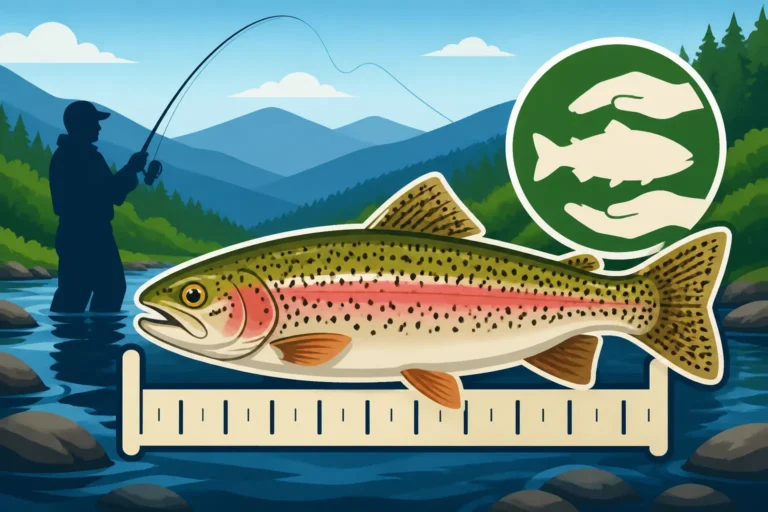
For the vast majority of Georgia's trout streams, the daily creel limit is eight trout per angler. This means that in a 24-hour period, you can legally keep up to eight trout of any species (rainbow, brown, or brook trout) that you catch, as long as you're fishing in waters under general regulations. There are no minimum size limits on these general waters, so if you catch a legal trout, and you want to keep it, you generally can, provided you don't exceed your daily limit. This applies to a huge number of smaller creeks and streams throughout North Georgia, especially those that are not actively managed for trophy-sized fish or are heavily stocked. It's always a good idea to refresh your memory on the general rules by checking out a comprehensive guide like this one on the Georgia Fishing Regulations Explained before you head out.
The Role of Trout Stocking in General Waters
A significant portion of Georgia's trout fishing opportunities come from the Georgia Department of Natural Resources (DNR) stocking program. These are often the "general regulation" waters. DNR routinely stocks many easily accessible streams and rivers with catchable-sized rainbow trout, and sometimes brown trout. These streams are managed to provide consistent angling opportunities, particularly for families and those just getting into the sport. Because the goal is often high catch rates and recreation, imposing strict size limits doesn't always align with that objective. So, if you're fishing a stream that's regularly stocked and doesn't have specific signs or rules posted, chances are you're under the eight-fish daily creel limit with no minimum size. You can often find the Georgia Trout Stocking Schedule online to see which streams are being stocked and when.
Navigating Special Regulation Trout Creeks
Now, here's where things get interesting, and frankly, a bit more complex. Georgia is home to some truly pristine and wild trout fisheries, as well as waters that are managed for a specific type of experience, like trophy fishing or catch-and-release. These special regulation creeks are where you'll find significant deviations from the general rules, particularly concerning size limits. Missing these details can lead to fines or, worse, unintended harm to a delicate fishery. Always make sure your Georgia Trout Fishing License Requirements are up to date before hitting these specialized waters.
Waters Creek's Unique Trophy Trout Rules
Let's talk about Waters Creek, nestled within the Chattahoochee National Forest near Dahlonega. This creek is a prime example of a stream managed specifically for trophy trout. It's renowned for producing some truly enormous brown and rainbow trout, and its regulations reflect that goal. Anglers here face a strict 22-inch minimum size limit for all trout. Yes, you read that right – 22 inches! And it's a one-fish daily creel limit for trout over that size. This is a stark contrast to the general 8-fish, no-size-limit rule. The idea is to allow trout ample time to grow to impressive sizes, creating a truly unique challenge for dedicated anglers. If you're heading to Waters Creek, you'll want to review the specific Waters Creek Trout Size Rules, Georgia to ensure you're fully prepared. You might even find some specialized gear on Amazon, like heavy-duty landing nets or strong fluorocarbon leaders, designed to handle these bigger fish.
Noontootla Creek: A Test of Skill
Moving north, Noontootla Creek, particularly its Delayed Harvest section and portions within the Blue Ridge Wildlife Management Area (WMA), also stands out with special regulations. For the part of Noontootla Creek that runs through the Blue Ridge WMA, there’s a 16-inch minimum size limit for trout, with a one-fish daily creel limit. This also applies to other streams within the Blue Ridge WMA like Coopers Creek and Rock Creek. These areas are managed to cultivate a population of larger, more mature trout, challenging anglers to practice careful catch-and-release techniques to allow fish to reach the legal size. It’s a fantastic place for experienced fly anglers looking for a real test. For more details on this specific area, check out information on Noontootla Creek Trout Minimum Length.
Delayed Harvest Streams: Seasonal Catch-and-Release
Georgia has several designated "Delayed Harvest" trout streams, including sections of the Toccoa River, Amicalola Creek, Chattooga River, Smith Creek, and the aforementioned Noontootla Creek. These streams operate on a unique seasonal cycle. From November 1st to May 14th, these waters are catch-and-release only, and only artificial lures with a single hook are allowed. This means during these months, there are no size limits because you're not allowed to keep any fish at all! It's all about sport and conservation. However, from May 15th through October 31st, these same streams revert to the general statewide regulations: an eight-fish daily creel limit with no minimum size. This transition can be confusing, so it’s crucial to know the dates. Many anglers use these streams as a way to hone their skills without the pressure of keeping fish. You can find more detailed information on these specific waters in guides like Delayed Harvest Trout Streams in Georgia. It's a fantastic program that offers two distinct types of fishing experiences in the same water body throughout the year.
Why Do These Differences Exist? Conservation and Management
You might be wondering why the DNR complicates things with so many different rules. It's not to make your life harder, I promise! These varying regulations are actually a crucial part of Georgia's sophisticated fisheries management strategy. The goal is always to balance recreational opportunities with the long-term health and sustainability of our trout populations.
Protecting Wild Trout Populations
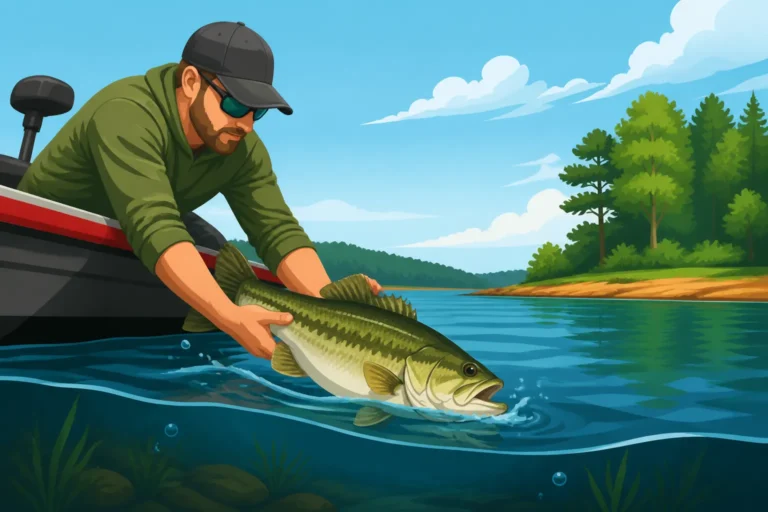
In some of Georgia's more remote and pristine headwater streams, particularly in the Chattahoochee National Forest, you'll find native brook trout. These beautiful, vibrant fish are a treasure, and their populations can be fragile. Similarly, wild brown and rainbow trout populations exist in some streams, thriving and reproducing naturally. Where these wild, self-sustaining populations are present, stricter size limits or catch-and-release rules are often implemented. This allows the fish to reach sexual maturity and reproduce multiple times, ensuring the genetic integrity and health of the wild fishery for generations to come. It’s a long-term investment in our natural heritage.
Creating Diverse Angling Experiences
Another reason for varied regulations is to provide a diverse range of fishing experiences for anglers. Not everyone wants the same thing out of a fishing trip. Some want to take home a meal, others want to catch as many fish as possible, and a dedicated few are tirelessly pursuing that once-in-a-lifetime trophy trout.
- General Regulation Streams: Cater to those looking for consistent action and the chance to harvest a few fish for dinner, often supported by stocking programs.
- Trophy Streams (like Waters Creek): Designed for experienced anglers seeking a challenge and the thrill of potentially landing a truly large fish, with regulations that favor growth.
- Delayed Harvest Streams: Offer a seasonal mix, promoting catch-and-release ethics for part of the year and harvest opportunities for the other, allowing anglers to practice different techniques.
This thoughtful approach ensures that Georgia offers something for every type of trout angler, from the beginner to the seasoned pro. Knowing where to go for your preferred experience is half the battle, and places like the Best Trout Streams in Georgia can help you narrow down your choices.
Keeping Up with Regulations and Staying Compliant
Given the dynamic nature of these rules, staying informed is paramount. Nobody wants to unintentionally break a regulation, especially when you're out there trying to enjoy a peaceful day on the water. A little preparation goes a long way in ensuring your trip is stress-free and legal.
Always Check the Latest Georgia DNR Guide
The absolute best source for current and accurate fishing regulations is the Georgia Department of Natural Resources (DNR) annually published fishing guide. You can usually pick up a physical copy wherever you buy your Georgia Fishing License Guide, or you can find the most up-to-date version on their website. I always recommend having a digital copy saved on your phone or even a printout in your tackle box. Regulations can change, sometimes subtly, from year to year, so relying on outdated information is a gamble you don't want to take. The DNR website is typically well-organized and easy to navigate, with specific sections dedicated to trout fishing and special regulations.
Utilizing Online Resources and Maps
Beyond the official DNR guide, many online resources and fishing apps can help you. Some mapping apps allow you to overlay regulation boundaries, which can be incredibly helpful when you're on a river system that might transition from general regulations to special rules over a short distance. While these are great tools, always cross-reference with the official DNR guide. Remember, these apps are fantastic for quickly getting a sense of the area, and for finding gear like a good waterproof map on Amazon. It's a small investment for peace of mind.
Here’s a quick reference table for some of Georgia's varying trout regulations:
| Creek/Water Type | Regulation Period | Minimum Size Limit | Daily Creel Limit | Special Notes |
|---|---|---|---|---|
| General Trout Waters | Year-round | None | 8 Trout | Applies to most stocked & wild streams. |
| Waters Creek | Year-round | 22 inches | 1 Trout | Managed for trophy trout. |
| Noontootla Creek (Blue Ridge WMA) | Year-round (WMA section) | 16 inches | 1 Trout | Applies to sections within Blue Ridge WMA. |
| Delayed Harvest Streams | Nov 1 – May 14 | Catch & Release Only | 0 Trout | Artificial lures, single hook only. |
| Delayed Harvest Streams | May 15 – Oct 31 | None | 8 Trout | Reverts to general regulations. |
This table isn't exhaustive, as there might be other localized rules or temporary closures, so again, always consult the official DNR guide for the most current information before you go fishing! Understanding these specific rules is part of being a responsible angler and contributes to maintaining healthy, thriving trout fisheries for everyone to enjoy. If you're looking to gear up for a day on these varied waters, you'll find a wide selection of appropriate Fly Fishing Gear for Georgia's Trout Streams on Amazon, from waders to specific fly patterns.
Disclaimer
The information provided in this guide is for general informational purposes only and is subject to change. While we strive to provide accurate and up-to-date content, fishing regulations, licenses, and permits can vary and are often updated by governing authorities. Always consult the official Georgia Department of Natural Resources (DNR) website or their current printed fishing regulations guide before engaging in any fishing activities to ensure compliance with all applicable laws and regulations. Fishing responsibly helps preserve our natural resources for future generations.