Waters Creek brook trout minimum length
Stepping into the clear, cold waters of a North Georgia trout stream is an experience unlike any other, but it can also be a minefield of regulations. One of the most common head-scratchers for anglers, especially when planning a trip to a truly special place, is figuring out the exact size limits for the fish they’re hoping to catch. This is particularly true for Waters Creek, a gem where the rules for brook trout are uniquely tailored. This guide will dive deep into the specific minimum length requirements for brook trout on Waters Creek, explain why these rules exist, and offer practical advice to ensure your fishing trip is both rewarding and compliant.
The Unique Brook Trout Minimum Length on Waters Creek
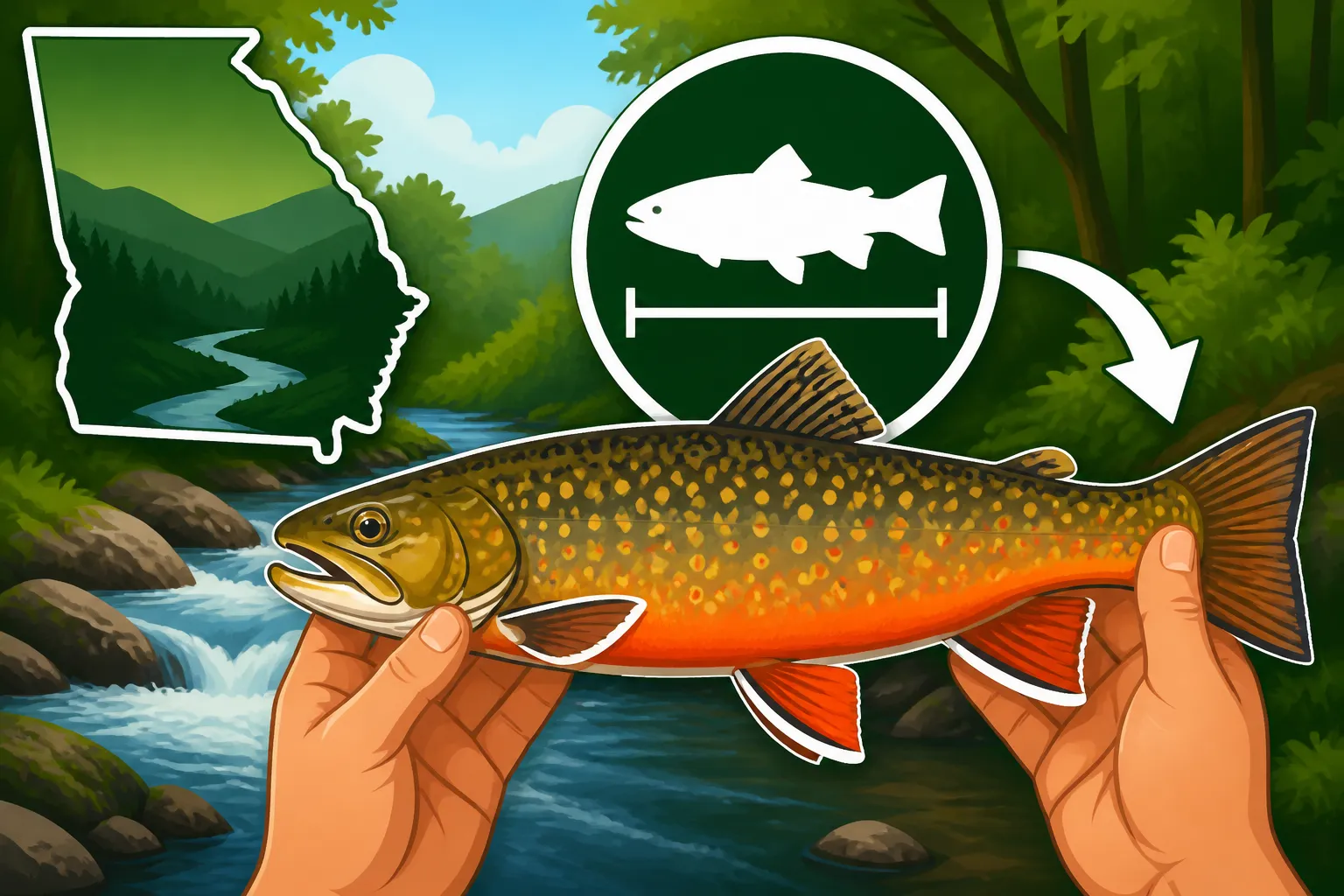
Waters Creek, nestled within the picturesque Smithgall Woods State Park near Helen, Georgia, isn't just any trout stream. It's renowned as a trophy brook trout fishery, and its regulations reflect that dedication to producing truly exceptional fish. If you've ever fished other streams in Georgia, you'll quickly realize that Waters Creek operates under a different set of rules entirely. The most striking of these is the specific minimum length for brook trout: an impressive 18 inches.
This isn't a typo, and it’s not the standard 8-inch or 12-inch limit you might encounter on many other trout waters. An 18-inch brook trout is a monumental catch, a fish that represents years of growth and survival in the wild. For the vast majority of anglers, this regulation effectively makes brook trout fishing on Waters Creek an almost exclusive catch-and-release endeavor, which is precisely the point. The intention behind such a high minimum length is to protect the vast majority of brook trout, allowing them to grow to their maximum potential and contribute to a robust, self-sustaining population. It's a testament to the park's commitment to conservation and providing a truly unique angling challenge.
Imagine hooking into a beautiful brook trout, vibrant with its worm-like markings and crimson spots. The thrill is undeniable. But then comes the moment of truth: reaching for your measuring tape. If that fish, no matter how stunning, doesn't stretch past that 18-inch mark, it must be carefully released. This strict rule cultivates patience, respect for the resource, and an appreciation for the journey of each fish. It’s a place where you go to experience the fish, not necessarily to stock your cooler. For those who do manage to land an 18-inch brook trout, it's not just a fish; it's a once-in-a-lifetime trophy that few anglers ever achieve. This management strategy sets Waters Creek apart, creating an environment focused on quality over quantity for these magnificent native fish.
Understanding the Catch-and-Release Mandate for Other Trout Species
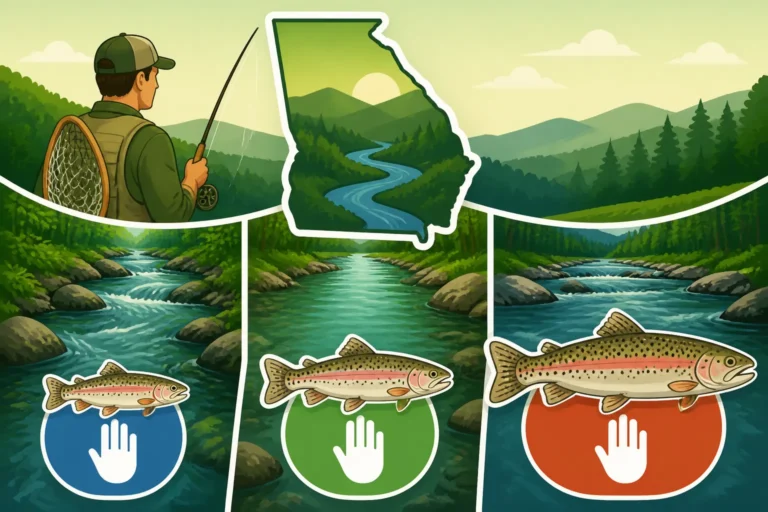
While the 18-inch brook trout minimum length is the headline regulation for Waters Creek, it's crucial to understand that other trout species present in the stream also fall under very strict rules. Specifically, all rainbow trout and brown trout caught in Waters Creek must be immediately released, regardless of their size. This means there is no keeping of rainbows or browns whatsoever.
This comprehensive catch-and-release approach for rainbow and brown trout, alongside the aspirational 18-inch brook trout limit, underscores the park's overarching goal: to manage Waters Creek as a premier, sustainable wild trout fishery. It ensures that the ecosystem remains balanced and that all trout species have the opportunity to thrive and reproduce. Anglers visiting Waters Creek need to be fully prepared for a pure catch-and-release experience for most of their day, focusing on the thrill of the fight and the beauty of the fish before gently returning them to the water. This mindset shift is vital; it’s not about bringing dinner home, but about the profound connection to nature and the challenge of fooling truly wild fish.
When preparing your tackle, remember that all fishing must be done with artificial lures only, equipped with a single barbless hook. This further minimizes harm to the fish, making the release process as smooth and stress-free as possible. You can find excellent barbless hooks and a variety of appropriate artificial lures, like small spinners or carefully tied flies, on platforms like Amazon, ensuring you're compliant with the rules and ready for the challenge. These specific gear requirements are just another layer of protection for the precious fish populations that call Waters Creek home, allowing them to recover quickly and continue their lives after a brief encounter with an angler.
Daily Creel Limits and How They Apply to Waters Creek
When you’re thinking about trout fishing in Georgia, you probably know that daily creel limits are a pretty standard part of the regulations. On many general-regulation trout waters, you might have a daily limit of 8 trout, for example, combining various species. But when it comes to special regulation streams like Waters Creek, those general rules pretty much fly out the window. The creel limit here is directly tied to that extraordinary 18-inch minimum length for brook trout.
As mentioned, for brook trout, you are allowed to keep one fish per day, if it meets or exceeds the 18-inch minimum length. Let's be realistic: for most anglers, this means the daily creel limit for brook trout is effectively zero. Catching an 18-inch brook trout in the wild is like finding a needle in a haystack – a beautiful, shimmering, fin-perfect needle. It’s a rare, rare occurrence, even for seasoned trout anglers. This isn't meant to discourage you, but rather to set realistic expectations and highlight the special trophy management strategy at play. For rainbow and brown trout, the creel limit is an absolute zero; they are strictly catch and release.
So, while a number like "one fish" might technically appear in the regulations for brook trout, the practical reality is that Waters Creek is managed to provide an incredible catch-and-release experience. The real "limit" you'll be thinking about is how many beautiful fish you can carefully land, admire, and return to the water throughout your day. This focus helps maintain the health and size structure of the trout population. Understanding Daily Creel Limits for Trout in Georgia on a broader scale helps highlight just how unique and protective the Waters Creek regulations truly are compared to other fisheries in the state, emphasizing its role as a prized conservation area.
Why Such Strict Regulations Exist for Waters Creek
It's natural to wonder why Waters Creek has such exceptionally stringent rules, especially for brook trout. The answer lies in a combination of factors: the unique habitat, the desire to protect a native species, and a commitment to creating a world-class trophy fishery. These aren't arbitrary rules; they are carefully crafted by wildlife biologists and conservation experts to ensure the long-term health and vitality of the stream's ecosystem.
Waters Creek is an incredibly special place for several reasons. First, it holds a strong population of native brook trout – Georgia's only native trout species. These fish are sensitive indicators of water quality and habitat health, and their presence signifies a pristine environment. Protecting them is paramount. Second, the stream is managed as part of Smithgall Woods State Park, which has a clear mandate for conservation and providing unique outdoor experiences. The park seeks to offer an exceptional angling opportunity that isn't focused on harvest, but on the pursuit of truly magnificent, large trout.
The goal of the 18-inch brook trout minimum length, and the catch-and-release rule for all other trout, is multi-faceted. It allows the fish to reach impressive sizes, contributing to a truly "trophy" fishery. It also ensures that the vast majority of spawning-age fish remain in the water to reproduce, strengthening the gene pool and increasing the overall resilience of the population. This kind of intensive management, focusing on minimal impact, helps to maintain the delicate balance of the aquatic environment. It's a long-term investment in the future of Georgia's trout fishing, offering a glimpse into what a truly healthy, unpressured trout stream can be.
Conservation of Georgia's Native Brook Trout
The brook trout (Salvelinus fontinalis) holds a special place in the hearts of Georgia anglers. It is the state’s only native trout species, a true emblem of the pristine, high-elevation mountain streams of North Georgia. Sadly, brook trout populations have faced significant challenges over the years due to habitat loss, competition from introduced species like rainbow and brown trout, and historical overfishing. Streams like Waters Creek represent critical strongholds for these beautiful, vulnerable fish.
The 18-inch minimum length regulation on Waters Creek is a direct response to the need for robust conservation efforts for Georgia's native brook trout. By setting such a high bar for harvest, the Georgia Department of Natural Resources (DNR) ensures that virtually every brook trout caught is returned to the water, allowing it to mature, reproduce, and contribute to the population. This approach dramatically increases the chances of these fish passing on their genes, strengthening the wild stock. It's a proactive measure to safeguard a precious natural heritage. For more information on these specific species, you might be interested in our guide on Brook Trout: Georgia's Only Native Trout Species.
This kind of protective regulation also helps to create a more resilient ecosystem. Larger, older fish often have better survival rates and contribute more significantly to successful spawning. When anglers practice careful catch-and-release, using appropriate gear like single barbless hooks (easily found on Amazon, by the way), the impact on these delicate fish is minimized. This management philosophy isn't just about the fish; it's about preserving the entire interconnected web of life in these mountain streams, ensuring that future generations of anglers can also experience the magic of catching a wild Georgia brook trout.
Fostering a Trophy Fishery for Anglers
Beyond conservation, another primary reason for Waters Creek’s strict regulations is the deliberate creation and maintenance of a trophy fishery. Many anglers dream of catching a truly massive trout, a fish that represents the pinnacle of the species. Waters Creek is designed to be that kind of destination, a place where the odds of encountering an exceptionally large brook trout are significantly higher than in a typical stream.
The 18-inch minimum length for brook trout isn’t just about protecting the fish; it’s about allowing them ample time to grow to truly impressive sizes. In most trout streams, fish rarely live long enough or grow large enough to reach 18 inches, especially brook trout which tend to be smaller than rainbows or browns. By removing harvest pressure, Waters Creek creates an environment where these fish can thrive for many years, accumulating size and weight. This results in a higher density of larger, older, and more challenging fish, which is exactly what a "trophy fishery" aims to provide.
Anglers who visit Waters Creek aren't just looking for a full stringer; they're often seeking the ultimate challenge and the chance to land a fish that will be etched in their memory forever. This focus on quality over quantity attracts serious trout enthusiasts who appreciate the unique opportunity. It shifts the entire angling experience from harvesting to the art of the catch, the careful handling, and the respectful release. This fosters a deeper connection to the sport and the environment, as anglers become partners in the conservation effort by adhering to these special rules. You can find more general information on Best Trout Streams in Georgia but know Waters Creek is truly in a league of its own for these reasons.
Waters Creek Regulations Compared to Other Georgia Trout Streams
If you've spent any time fishing for trout across Georgia, you know that regulations can vary quite a bit from one stream to the next. What's allowed on a heavily stocked stream might be strictly forbidden on a wild, native trout stream. Waters Creek, with its unique status within Smithgall Woods State Park, stands out dramatically in this regulatory landscape. Its rules are among the most restrictive and conservation-focused in the state, designed to protect its precious resources and cultivate truly exceptional fishing experiences.
Most general regulation trout streams in Georgia have a daily creel limit, often around 8 fish per angler, with a minimum size limit that typically falls between 8 and 12 inches, depending on the species and location. This allows for a balance of recreational harvest and population management. Even "trophy" sections on some rivers, like parts of the Toccoa or Chattahoochee, might have higher minimum lengths (e.g., 16 inches for brown trout), but rarely do they reach the 18-inch mark for a native brook trout.
The table below illustrates some of these key differences, providing a quick comparison of Waters Creek's stringent regulations against more typical trout fishing scenarios in Georgia. It highlights just how committed the management of Waters Creek is to its unique mission.
| Regulation Type | Waters Creek (Smithgall Woods) | General Trout Streams (Example) | Delayed Harvest Streams (During DH Season) |
|---|---|---|---|
| Brook Trout Minimum | 18 inches | 8 – 12 inches (species dependent) | Catch & Release (No Keep) |
| Rainbow/Brown Minimum | Catch & Release (No Keep) | 8 – 12 inches (species dependent) | Catch & Release (No Keep) |
| Daily Creel Limit | 1 Brook Trout (≥18") / Day; 0 Rainbow/Brown | 8 Total Trout (mixed species) | 0 Total Trout (Catch & Release) |
| Lure Restrictions | Artificial Lures, Single Barbless Hook Only | No general restrictions (bait, lures, flies allowed) | Artificial Lures, Single Barbless Hook Only |
| Access | By Reservation Only | Public Access (some exceptions) | Public Access (some exceptions) |
This table clearly shows that Waters Creek shares some similarities with What is delayed harvest trout fishing in Georgia? streams in terms of artificial lures and catch-and-release for most fish, but it goes a step further with its brook trout trophy management and year-round nature. These distinctions are crucial for any angler planning a trip, emphasizing the need to be fully aware of the local rules.
Contrasting with General Regulation Trout Waters
When we talk about "general regulation trout waters" in Georgia, we're typically referring to the vast majority of public streams and rivers that are open to trout fishing. These waters often see regular stocking from the Georgia DNR, especially with rainbow trout, to provide ample opportunities for anglers of all skill levels to catch and keep fish. The rules are designed to be relatively straightforward and accessible, allowing for a mix of bait, lures, and flies, and a reasonable daily creel limit with a standard minimum size.
Waters Creek stands in stark contrast to this model. On a general regulation stream, an angler might confidently keep a handful of 9-inch rainbow trout for dinner. They might use live bait, a variety of treble-hooked spinners, or even PowerBait. The focus is often on consistent action and a tangible reward at the end of the day. For example, the Daily Creel Limits for Trout in Georgia typically allow for a daily harvest, making it a different kind of experience.
Waters Creek, on the other hand, rejects this "harvest" mentality almost entirely. The 18-inch brook trout minimum is so exceptionally high that it discourages harvest, funneling all efforts towards careful catch-and-release for the vast majority of fish. The "artificial lures, single barbless hook" rule is another departure, minimizing harm to the fish. You won't find bait allowed here, nor will you see anyone using a stringer full of fish. The very ethos of fishing Waters Creek is different: it’s about the pursuit, the challenge, and the preservation, rather than the take. This makes it a much more specialized experience, drawing anglers who prioritize conservation and the pursuit of truly large, wild trout.
Special Rules for Waters Creek within Smithgall Woods State Park
Beyond the fishing regulations themselves, Waters Creek has an additional layer of "special rules" due to its location within Smithgall Woods State Park. This isn't a stream you can just walk up to any day you please. To protect the delicate ecosystem and provide a high-quality, uncrowded experience, access to Waters Creek is strictly controlled. Anglers must obtain a reservation well in advance, and there are often limits on the number of anglers allowed on the stream each day.
This reservation system means you can't just wake up and decide to fish Waters Creek. You need to plan your trip, often weeks or even months ahead of time, especially during peak seasons. The park staff meticulously manages access, assigns specific beats or sections of the stream to anglers, and provides important information about current conditions and regulations upon check-in. This controlled access helps to reduce fishing pressure, allowing the fish to behave more naturally and grow larger without constant disturbance. It also ensures that anglers have plenty of room to spread out and enjoy a more solitary, wilderness-like experience.
Furthermore, being inside a state park means adhering to all park rules, not just fishing regulations. This could include specific hours of operation, designated parking areas, and adherence to "leave no trace" principles. For instance, while you'll need a standard Georgia Trout Fishing License Requirements to fish, the park entry and reservation process is an additional step unique to Waters Creek. This extra layer of management, while requiring more planning, ultimately contributes to the pristine condition of Waters Creek and its reputation as a truly exceptional trout fishery in Georgia. You won't find this level of controlled access on most other trout streams, further underscoring its unique status.
Practical Tips for Fishing Waters Creek with Strict Regulations
Navigating the strict regulations of Waters Creek can feel a bit daunting at first, but with the right mindset and preparation, it can lead to one of the most rewarding trout fishing experiences in Georgia. It’s all about respecting the rules, understanding the fish, and adapting your techniques to minimize impact while maximizing your chances of a memorable catch. Remember, the goal here is not to fill a cooler, but to connect with some truly magnificent wild trout.
First and foremost, planning is absolutely crucial. As mentioned, access is by reservation only, so don't even think about driving up without one. Visit the Georgia State Parks website for Smithgall Woods and make your reservation well in advance. While you’re planning, double-check that your Georgia Fishing License Guide is current, and that you have any necessary trout stamps for North Georgia mountain streams. Once you have your reservation, take the time to study the map of your assigned beat and familiarize yourself with the park's specific guidelines before you even tie on a fly.
When you're out on the water, the emphasis must always be on the fish's well-being. This means practicing impeccable catch-and-release techniques. Always have a pair of forceps or hemostats handy for quick hook removal, and a soft, knotless landing net is essential to minimize stress and scale damage. Avoid dragging fish onto dry ground; keep them in the water as much as possible. If you need to take a quick photo of a fish that doesn't meet the 18-inch brook trout minimum, do so quickly, keeping the fish partially submerged, and support its body fully to avoid internal injury. These practices are critical for the survival of the fish you release, ensuring they can continue to thrive and grow for other anglers to enjoy. Our guide on How to Catch and Release Trout Properly offers more detailed steps.
Essential Gear for Responsible Angling on Waters Creek
The specialized nature of Waters Creek fishing, particularly the single barbless hook and catch-and-release mandates, means your gear choices are more important than ever. This isn't the place for heavy monofilament lines, large treble hooks, or bait. Instead, think finesse, precision, and fish welfare.
For rods and reels, a lightweight setup is ideal. A 2-to-4 weight fly rod, around 7.5 to 9 feet long, paired with a matching fly reel and floating line, is perfect for casting small flies on these intimate mountain waters. If spin fishing, a light-action rod (5'6" to 6'6") with a small spinning reel spooled with 4-6 pound test monofilament or fluorocarbon line will give you the sensitivity needed. You can find quality options for Fly Fishing Gear for North Georgia Trout or appropriate spin fishing setups on Amazon, ensuring you have reliable equipment that won't let you down.
As for lures, artificials with single barbless hooks are the law of the land. For fly anglers, this means a selection of dry flies (Parachute Adams, Elk Hair Caddis), nymphs (Pheasant Tail, Hare's Ear, Squirmy Wormy), and small streamers. Spin anglers should opt for tiny inline spinners (like Panther Martins or Mepps, ensuring they have single barbless hooks or are easily convertible) or small, ultralight spoons. Avoid anything with treble hooks or multiple hook points, as they cause unnecessary damage to fish during release. Always carry a measuring tape (a soft, flexible one is best for fish) to accurately gauge any potential trophy brook trout, and a pair of polarized sunglasses will help you spot fish in the clear water.
Mastering Catch and Release Techniques
Given the predominantly catch-and-release nature of Waters Creek, mastering proper techniques is not just recommended, it's an ethical imperative. The goal is to minimize stress and physical harm to the fish, giving it the best possible chance of survival and recovery after being caught.
When you hook a fish, try to land it as quickly as possible without "horsing" it in. Prolonged fights exhaust fish and can lead to lactic acid buildup, which reduces their survival rate. Once the fish is alongside you, use a soft, knotless landing net to scoop it up. This prevents the fish from thrashing on rocks or in the current, and protects its delicate slime coat and fins. Keep the fish in the water while you work to remove the hook. If the hook is visible and easily accessible, use your forceps or hemostats to gently back it out. Barbless hooks make this process incredibly quick and easy.
If you want a quick photo, keep the fish partially submerged and support its entire body with wet hands. Never squeeze a fish or hold it by its jaw at a sharp angle. Avoid touching its gills or eyes. Get the shot quickly and then gently revive the fish by holding it upright in the current, allowing water to flow over its gills, until it swims away under its own power. Sometimes, a fish might need a few minutes of careful resuscitation. Watching a healthy fish swim off is often more rewarding than any photo or meal. Practicing these responsible techniques is a profound way to show respect for the resource and contributes directly to the long-term health of Waters Creek's incredible trout population.
Disclaimer
The information provided in this guide is for general informational purposes only and is subject to change. Fishing regulations, including creel limits, size limits, and gear restrictions, are established by the Georgia Department of Natural Resources (DNR) and can be modified at any time. It is always the angler's responsibility to consult the most current Georgia Fishing Regulations before heading out on the water. Special rules for specific locations, such as Waters Creek within Smithgall Woods State Park, are particularly prone to unique regulations and access requirements. Always verify reservations and rules directly with the park or the Georgia DNR prior to your trip.