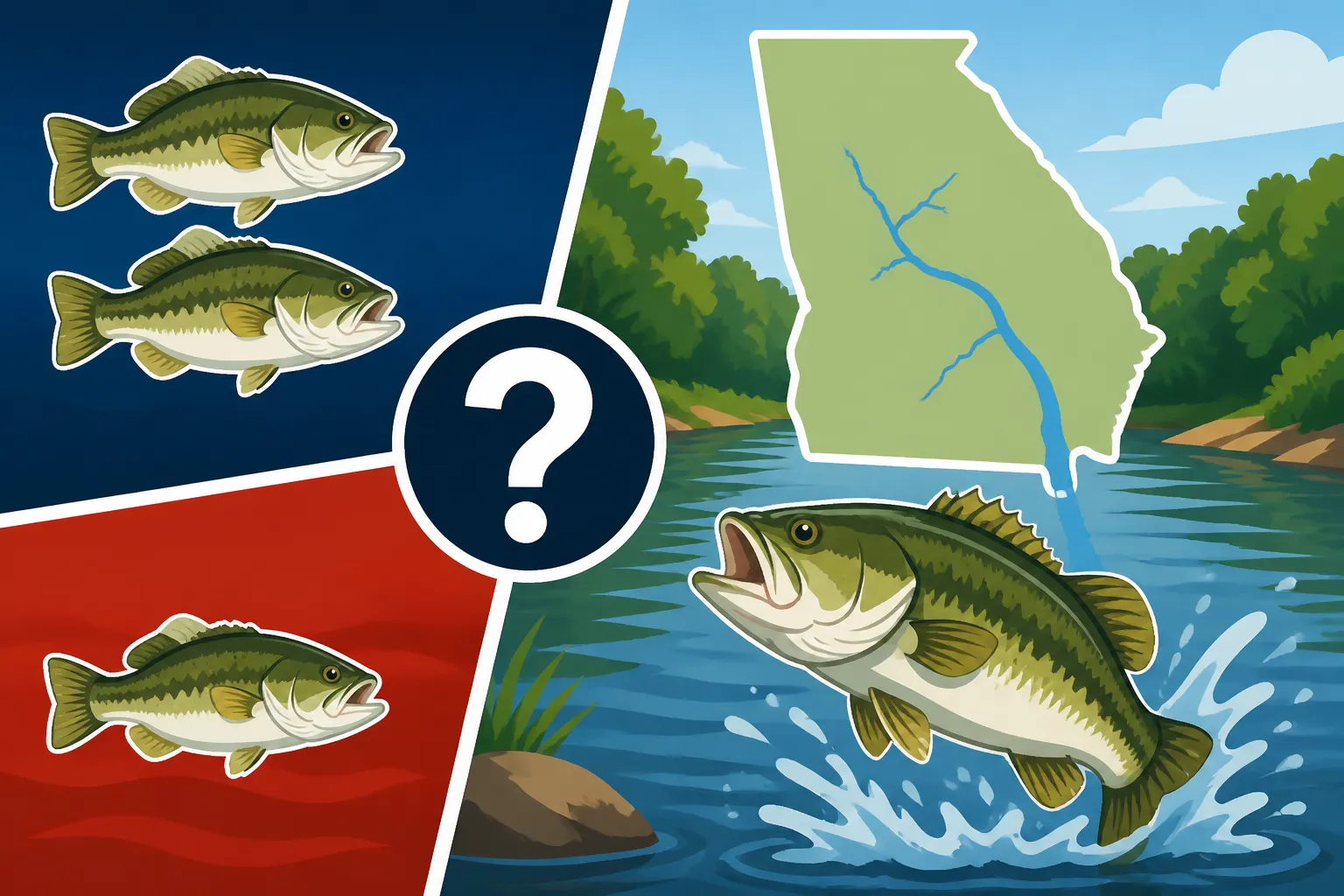
Is the shoal bass limit different on the Flint River?
Anglers in Georgia often find themselves scratching their heads when it comes to specific fish regulations, especially for unique species like the shoal bass. It's frustrating when you're trying to do the right thing and conserve our incredible fisheries, but the rules seem to shift depending on what river you're on or even what part of that river. This guide aims to clear up all that confusion, focusing specifically on whether the shoal bass limit is indeed different on the beloved Flint River.
Understanding Georgia's Shoal Bass Regulations
Georgia is a state rich in diverse fish species, and our regulations are designed to protect these natural treasures. However, with that diversity comes a bit of complexity, and understanding the nuances for each species and location is key to a successful, legal, and conservation-minded fishing trip. The shoal bass is a prime example of a species that gets special attention, and for good reason.
Why Specific Regulations Exist for Shoal Bass
Shoal bass are not your average largemouth or spotted bass. These feisty fish are native to specific river systems in Georgia, most notably the Flint River, and thrive in fast-flowing, rocky shoals – hence their name. They have a distinct appearance and behavior, often exhibiting stronger current-fighting abilities than their lake-dwelling cousins. Because their habitat is so specialized and their populations can be more localized, they are particularly susceptible to overfishing and habitat degradation. The Georgia Department of Natural Resources (DNR) implements specific regulations for shoal bass to ensure their long-term health and abundance in their native ranges. These rules aren't just arbitrary; they're based on scientific data about growth rates, reproduction, and population dynamics, all aimed at safeguarding this unique part of Georgia's natural heritage. Ignoring these specific rules can have a real impact on the fishery, and trust me, nobody wants to see our beautiful shoal bass populations decline.
General Statewide Black Bass Limits
Before we dive into the specifics of the Flint River, it's helpful to understand the general black bass regulations that apply across most of Georgia. Typically, for species like largemouth and spotted bass in many lakes and rivers, the statewide daily creel limit for black bass (which includes largemouth, spotted, and shoal bass) is 10 fish in aggregate. This means you can keep a combination of these species, up to 10 total per day. The general size limit often dictates that these fish must be 12 inches or longer. However, it's crucial to remember that this is a general rule. Many specific reservoirs and water bodies have their own unique limits that supersede the statewide rule, often due to local population management efforts. For a complete overview, you should always consult the official Georgia Fishing Regulations Explained. These general rules provide a baseline, but rivers like the Flint, with its unique species, require a closer look.
The Flint River Exception: Shoal Bass Size and Creel Limits
Now, let's get down to the brass tacks of the Flint River. If you're targeting shoal bass here, you absolutely need to know that the rules are different, and for very good reasons. The Flint River is recognized as one of the premier shoal bass fisheries in the entire Southeast, a true gem that attracts anglers from all over. Protecting that fishery means instituting some more stringent, tailored regulations.
Specific Shoal Bass Rules for the Flint River
Yes, the shoal bass limit on the Flint River is different from the general statewide black bass regulations, and it's something every angler needs to be intimately familiar with. The Georgia DNR has put specific measures in place to protect the Flint River's incredible shoal bass population, particularly given its status as a native stronghold.
Currently, on the Flint River, the daily creel limit for shoal bass is six fish. This is already a significant reduction from the general 10-fish aggregate limit you might find elsewhere. But it gets even more specific: there's a 12-inch minimum size limit for shoal bass caught on the Flint River. This means any shoal bass shorter than 12 inches must be immediately and carefully released. This specific combination of a reduced creel limit and a minimum size ensures that enough fish can reach maturity and contribute to the population before being harvested, and also helps distribute the angling pressure across different size classes. These are critical details that differentiate Georgia shoal bass fishing regulations on the Flint River from other waters. It's not just about compliance; it's about being a responsible steward of a truly special fishery.
Navigating the Warwick Dam Shoal Bass Rules
To add another layer of detail, if you're fishing the stretch of the Flint River that includes the famous Warwick Dam area, you'll find even more specific guidance, highlighting just how localized these conservation efforts can be. The area around Warwick Dam, particularly downstream, is renowned for its excellent shoal bass habitat. Because this area is so productive and heavily fished, regulations here are sometimes even more focused to ensure sustainability. While the general Flint River rules (six fish, 12-inch minimum) typically apply throughout much of the river's main stem, it's always wise to check the latest regulations for any hyper-local specifics, especially around significant features like dams or known conservation zones. For example, some sections might have even tighter slot limits or catch-and-release only periods to protect spawning fish or particularly large breeders. These nuanced rules are often highlighted in the annual fishing regulation guides, and understanding Shoal bass rules below Warwick Dam can make all the difference between a legal and illegal catch. Always double-check the current Georgia Sport Fishing Regulations booklet or the DNR website before heading out to these specific hotspots. It’s better to be safe than sorry when you're talking about fines and protecting our fish.
| Regulation Type | General Black Bass (Most Waters) | Flint River Shoal Bass (Specific) |
|---|---|---|
| Daily Creel Limit | 10 fish (aggregate) | 6 fish (shoal bass only) |
| Minimum Size Limit | 12 inches (general) | 12 inches |
| Exceptions/Notes | Varies by lake/reservoir | Specific to Flint River; check for Warwick Dam area nuances |
Identifying Shoal Bass and Avoiding Common Mistakes
Knowing the regulations is only half the battle; the other half is being able to correctly identify the fish you've caught. This is especially true for shoal bass, which can be easily confused with largemouth or spotted bass by the untrained eye. Misidentification can lead to accidental violations, so sharpening your ID skills is crucial.
Key Identification Features of Shoal Bass
Distinguishing a shoal bass from other black bass species in Georgia is an essential skill for any angler on the Flint River. While they share many characteristics with their cousins, there are some key features that set them apart. First, look at the jaw: a shoal bass's upper jaw typically does not extend beyond the back of its eye when its mouth is closed, similar to a spotted bass. A largemouth bass, in contrast, usually has a jaw that extends noticeably past the eye. Next, examine the dorsal fins. Shoal bass, like spotted bass, have a connected dorsal fin where the spiny and soft-rayed parts appear as one continuous fin, without the deep separation seen in a largemouth.
Another strong indicator is the lateral line and body pattern. Shoal bass often have prominent, diamond-shaped blotches or vertical bars along their sides, which can sometimes appear as broken lateral lines. Their overall color tends to be a bit more olive green to bronze, often with a creamy white belly, especially pronounced in the clear, rocky waters they inhabit. Their scales can also feel a bit rougher. If you're still unsure, check the patch of teeth on their tongue; while not always definitive, shoal bass typically have a small, distinct patch, much like spotted bass. Knowing How to Identify a Shoal Bass will not only help you stay legal but also deepen your appreciation for this unique species.
The Importance of Knowing Your Bass
Imagine this scenario: you're out on the Flint River, having a fantastic day, and you pull in a beautiful bass. In your excitement, you quickly measure it, assume it's a largemouth, and put it on your stringer. Later, a game warden checks your cooler and informs you that it was, in fact, a shoal bass that was under the 12-inch minimum, or that you had too many. This kind of honest mistake can still result in a hefty fine or other Penalties for Fishing Without a License in Georgia, even if you have a valid license.
This isn't just about avoiding trouble, though. It's about conservation. Each species has a role in the ecosystem, and specific regulations are put in place to ensure that these populations remain healthy. Misidentifying a fish means you might be taking fish that are vital for future generations, especially if they are part of a vulnerable population like the shoal bass. Taking the time to learn the differences between largemouth bass, spotted bass, and shoal bass is a sign of respect for the fish and the regulations designed to protect them. Plus, it just makes you a more knowledgeable and confident angler!
Strategies for Responsible Shoal Bass Fishing on the Flint River
Fishing for shoal bass on the Flint River is an experience unlike any other. These fish are powerful fighters, perfectly adapted to their riverine environment. To truly enjoy this fishery and ensure its longevity, responsible angling practices are paramount, from the gear you choose to how you handle your catch.
Recommended Gear and Techniques for Shoal Bass
When you're chasing shoal bass on the Flint River, you need gear that can stand up to strong currents and powerful fish. A medium-heavy spinning or baitcasting rod, about 6'6" to 7' in length, paired with a reliable reel spooled with 10-15 pound test fluorocarbon or braided line, is a great starting point. The rocky bottom and strong currents mean you'll want something sensitive enough to detect subtle bites but robust enough to pull a fighting fish away from snags. For line, fluorocarbon offers excellent abrasion resistance against those sharp rocks, which is critical here.
When it comes to lures, shoal bass are aggressive predators. Crankbaits that mimic baitfish like sunfish or minnows are incredibly effective, especially those with tight wobbles that can be worked through current. Look for shallow to medium-diving models from brands like Rapala or Strike King. Topwater lures, such as poppers or walking baits, can provide explosive strikes, particularly in the mornings or evenings. Jigs with soft plastic trailers or craw imitations are also excellent choices, allowing you to probe deeper pockets and current breaks. And don't forget spinnerbaits, which can be fantastic for covering water and triggering reaction strikes in swift water. You can find a fantastic selection of all these lures and more on Amazon for competitive prices, making it easy to stock up before your trip. For more specifics, check out Best Bait and Lures for Shoal Bass Fishing.
Conservation and Catch-and-Release Practices
Given the special status of shoal bass on the Flint River, practicing catch-and-release is highly encouraged, even if you are within the legal creel limit. This ensures that larger, more experienced breeding fish remain in the population to contribute to future generations. When you decide to release a shoal bass, minimize its time out of the water. Handle the fish gently with wet hands, supporting its body, especially if it's a larger specimen. Avoid touching the gills or eyes.
Use a pair of needle-nose pliers or a dehooking tool to quickly remove the hook. If the fish is deeply hooked, it's often best to cut the line as close to the hook as possible rather than trying to remove it, which can cause more damage. A sturdy pair of fishing pliers, readily available on Amazon, is a must-have for safe de-hooking. Once the hook is out, hold the fish upright in the water, facing into a gentle current, until it regains its strength and swims away on its own. Avoid tossing it back in, as this can disorient or injure the fish. Practicing these mindful techniques not only honors the spirit of the regulations but also ensures that the Flint River continues to be a world-class shoal bass fishery for all of us to enjoy for years to come.
Disclaimer
Please be aware that fishing regulations, including those for shoal bass on the Flint River, can change. Always consult the most current Georgia Department of Natural Resources (DNR) fishing regulations booklet or their official website before you head out. This guide is for informational purposes only and should not be considered a substitute for the official rules.