Georgia nonresident 7-day fishing license cost
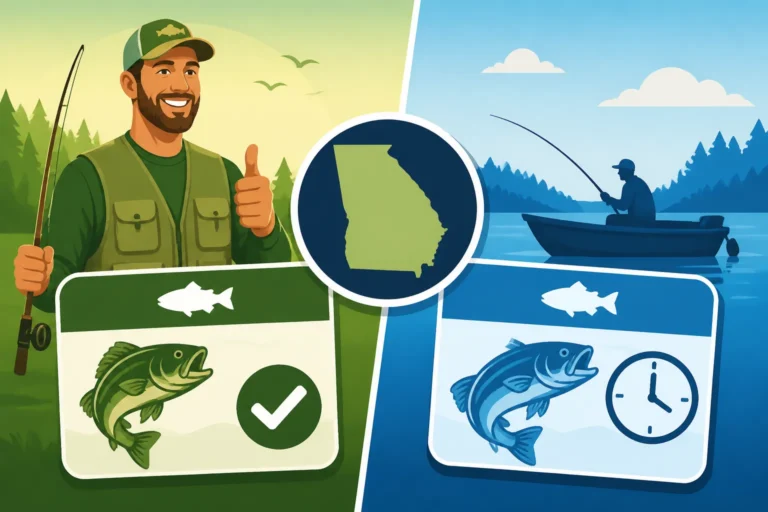
Planning a fishing trip to Georgia from out-of-state can feel a bit like navigating a complex maze, especially when it comes to figuring out all the different license options and their costs. You just want to know what you need to legally cast a line without breaking the bank or accidentally running afoul of the rules, right? This comprehensive guide is here to clear up all the confusion specifically around the Georgia nonresident 7-day fishing license, detailing its cost, what it covers, and how to make sure you're fully prepared for your angling adventure in the Peach State.
Understanding Georgia's Nonresident Fishing License System
Georgia is a fantastic state for fishing, offering everything from trophy bass lakes to pristine mountain trout streams and rich coastal waters. But for visitors, the licensing system can seem a little different from what you might be used to back home. The state has carefully crafted its licensing structure to balance accessibility for tourists with funding for crucial conservation efforts.
Why Nonresidents Pay More
It's a common question, and frankly, a bit of a frustration for many visiting anglers: why do nonresidents often pay more for a fishing license than residents do? The simple truth is that fishing license fees are a primary source of funding for state wildlife and fisheries agencies. These funds go directly back into managing fish populations, stocking programs, habitat restoration, public access points, and law enforcement. Residents contribute to these resources year-round through their taxes, property ownership, and other means. Nonresidents, while certainly welcome to enjoy Georgia's natural beauty, don't contribute to these state-specific programs in the same ongoing way. Therefore, the higher fee for a nonresident license helps ensure that the burden of maintaining and improving Georgia's incredible fisheries is shared equitably. It's a way for the state to sustain the very resources that draw anglers from all over.
The Benefit of Short-Term Licenses
While paying more might not sound ideal, Georgia understands that many visitors aren't planning to fish every single day of the year. That's where short-term licenses, like the 7-day option, become incredibly valuable. Imagine you're planning a week-long vacation to the North Georgia mountains, hoping to explore some of the region's famous trout streams, or perhaps you're joining friends for a long weekend targeting bass on Lake Lanier. An annual nonresident license, which can be significantly more expensive, might not make financial sense for such a brief visit. The 7-day license is specifically designed for these scenarios. It offers a cost-effective way to legally fish for a defined period, allowing you to enjoy your trip without committing to a full year's worth of licensing fees. It's about flexibility and fairness for those whose angling adventures in Georgia are more temporary. For many, it strikes the perfect balance between convenience and budget-friendliness. If you're looking for other temporary options, Georgia offers a variety of Annual vs Short-Term Fishing License Options.
Breaking Down the 7-Day Nonresident Fishing License Cost
Now, let's get down to the brass tacks: what will that 7-day nonresident fishing license actually set you back? It's important to understand that there's a base price, and then there are potential add-ons depending on what kind of fishing you plan to do.
The Base Price
As of my last check with the Georgia Department of Natural Resources (DNR), the base cost for a 7-day nonresident fishing license is $28.00. This single fee covers you for general freshwater and saltwater fishing for seven consecutive days from the date of purchase or the specified start date. This means you can pursue most common species, from largemouth bass in the sprawling reservoirs like Lake Oconee or Lake Sinclair, to panfish in smaller ponds, and even species like redfish and sea trout along the Georgia coast. It's a remarkably versatile license for its duration.
However, a crucial point often overlooked is that this base license doesn't automatically include everything. Think of it like a foundation: it's solid, but you might need to build a few extra rooms or a porch depending on your specific needs. Understanding what it doesn't cover upfront can save you a headache later on. Make sure you also understand the Georgia Fishing License Costs and Types for other options.
Potential Add-ons and Their Costs
Georgia has a few specific fishing opportunities that require an additional permit or stamp, even if you have your base 7-day license. These are not typically included in the $28.00 fee, and knowing about them beforehand is key to avoiding an unexpected fine.
The most common add-on for anglers visiting Georgia is the Mountain Trout License. If your fishing plans involve chasing rainbow, brown, or native brook trout in the designated trout waters of North Georgia, this permit is a must-have. These are usually the colder, clearer streams and rivers found in the mountainous regions. The cost for the Mountain Trout License add-on is $10.00. This is a flat fee, regardless of whether you have an annual or a 7-day base license. So, if you're coming for a week of trout fishing, your total license cost would be $28.00 (7-day base) + $10.00 (Mountain Trout) = $38.00. Neglecting this simple add-on for mountain trout fishing can lead to significant penalties, so it's not something to forget! You can read more about the Mountain Trout License Add-On in Georgia to ensure you're compliant.
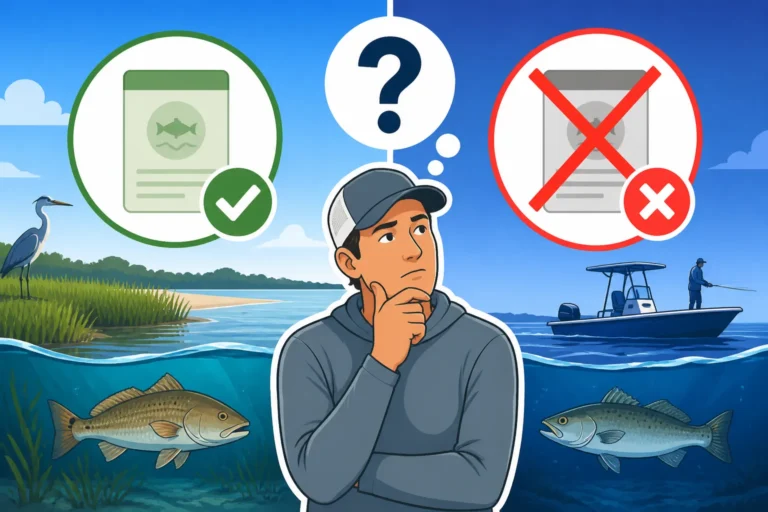
Another important, though free, "add-on" is the Saltwater Information Permit (SIP). While the base 7-day license does cover saltwater fishing, the state still requires all saltwater anglers, even those with a valid fishing license, to obtain this free permit. It's essentially a way for the Georgia DNR to gather crucial data on saltwater fishing effort and participation, which helps them manage coastal fish populations more effectively. It doesn't cost anything, but it's not automatically included when you buy your license. You'll need to actively add it to your cart or request it when purchasing your license. Don't skip it! It’s easy to get and absolutely necessary for coastal adventures. For more information, check out the Georgia Saltwater Information Permit Explained guide.
Here's a quick summary of the common nonresident license options and their approximate costs:
| License Type | Duration | Base Cost (Approx.) | Covers | Key Add-ons & Costs |
|---|---|---|---|---|
| Nonresident Fishing | 7-Day | $28.00 | General Freshwater & Saltwater | Mountain Trout License: $10.00 |
| Saltwater Information Permit (SIP): Free (but required for saltwater) | ||||
| Nonresident Fishing | Annual | $50.00 | General Freshwater & Saltwater | Mountain Trout License: $10.00 |
| Saltwater Information Permit (SIP): Free (but required for saltwater) |
Note: Costs are subject to change by the Georgia Department of Natural Resources (DNR). Always verify current prices on the official Georgia DNR website before purchasing.
How to Purchase Your 7-Day Nonresident License
Getting your fishing license in Georgia is actually quite straightforward, thanks to modern technology and a widespread network of vendors. You have a few convenient options to choose from, whether you prefer the digital route or a more traditional in-person transaction.
Online Purchase Options
For most people, especially those planning their trip in advance, buying your license online is by far the easiest and quickest method. The Georgia Department of Natural Resources (DNR) operates a user-friendly licensing portal through Go Outdoors Georgia. Here's how it generally works:
- Visit the Official Portal: Head to the Go Outdoors Georgia website (often found by searching for "Georgia DNR fishing license"). This is your primary hub for all things licensing.
- Create an Account or Log In: If you're a first-time user, you'll need to create a customer account. This usually involves providing some basic personal information like your name, address, date of birth, and driver's license number. If you've purchased a license in Georgia before, simply log in to your existing account.
- Select Your License: Browse the available license types and select the "Nonresident 7-Day Fishing License." This is also where you'll typically find options to add the Mountain Trout License if you need it. Remember to look for the free Saltwater Information Permit if you plan to fish coastal waters.
- Complete Purchase: Add your chosen licenses to your cart and proceed to checkout. You'll typically pay with a credit or debit card.
- Print or Save: Once your purchase is complete, you'll usually receive an email confirmation with a link to print your license immediately. You can also often save a digital copy to your phone. It's always a good idea to have a physical copy or at least a clear screenshot on your phone in case you encounter an area with no cell service.
The beauty of the online system is that you can purchase your license anytime, anywhere, and often have it in hand (or on your phone) within minutes. This means less hassle when you arrive in Georgia, letting you get straight to the water. While you can't buy the license itself on Amazon, you can certainly find all the necessary fishing gear, from a new rod and reel combo to tackle boxes and bait, to get ready for your trip.
In-Person and Phone Purchases
If you prefer a more traditional approach or find yourself needing a license on the fly, you still have options:
- License Agents: Georgia has a vast network of authorized license agents scattered across the state. These are typically sporting goods stores, bait and tackle shops, marinas, and even some county tag offices. Look for signs indicating "Georgia Fishing Licenses Sold Here." When purchasing in person, you'll need to provide the same personal identification details you would online, so have your driver's license or state ID ready. The agent will process your payment and print your license on the spot. This can be particularly helpful if you have questions or need some local advice on fishing spots. You can easily find a list of Georgia License Agents Near You on the DNR website.
- Phone Purchase: For added convenience, you can also purchase a license over the phone by calling the Georgia DNR's licensing division. This is a great option if you're not near a computer or a license agent. They'll ask for your details, process your payment, and then you can typically print your license from home or have the license number immediately available for use. Remember to get the Mountain Trout License and the Saltwater Information Permit added if you need them during your call. You can also Buy a Fishing License by Phone in Georgia.
No matter how you choose to buy, the goal is the same: to get your official license and get out on the water. Just make sure you keep proof of your license on you while fishing to present to a conservation ranger if requested.
Making the Most of Your 7-Day License
A 7-day nonresident fishing license offers a fantastic opportunity to explore Georgia's diverse fisheries. To truly maximize your experience and ensure a smooth, enjoyable trip, a little planning goes a long way.
Planning Your Trip Around the License Dates
Since your 7-day license is valid for a specific, consecutive week, strategic timing is crucial. If you know you'll be in Georgia for ten days, and only five of those days will involve fishing, you might consider activating your license to cover the five fishing days, rather than letting it run from the moment you arrive. This means purchasing it shortly before your planned fishing activities begin, or selecting a future start date if the online system allows.
Consider what species you want to target and when they are most active. For instance, if you're keen on trout, plan your trip during the spring or fall when the Georgia Trout Stocking Schedule is in full swing and the weather conditions are ideal. If you're a bass enthusiast, aligning your 7-day window with the Spring Bass Spawn Timing on Georgia's Lakes could lead to some incredible action.
For those adventurous enough to want to experience both freshwater and saltwater, the 7-day license is perfect for combining trips. You could spend a few days exploring North Georgia's mountain streams for trout, then head down to the coast for some inshore redfish action. Just remember to have both the Mountain Trout License add-on and the free Saltwater Information Permit secured. This makes the $28 base license incredibly versatile, allowing you to sample different angling experiences across the state within your chosen week.
Understanding Georgia Fishing Regulations
Having a valid fishing license is just the first step. To truly fish responsibly and legally in Georgia, you absolutely must understand and adhere to the state's fishing regulations. These rules are put in place to protect fish populations, maintain healthy ecosystems, and ensure fair fishing opportunities for everyone. Ignorance of the law is never an excuse, and conservation rangers are diligent in enforcing these regulations.
Key regulations to be aware of include:
- Size Limits: Many species have minimum or maximum size limits (or slot limits) that dictate what you can legally keep. For example, specific reservoirs like Lake Lanier or Lake Oconee might have a 14-inch bass minimum, while others have different rules. Make sure you know the Statewide Largemouth Bass Size Limits in Georgia and any local exceptions for the waters you plan to fish.
- Creel Limits (Bag Limits): This refers to the maximum number of fish of a particular species you can keep in a single day. These vary widely by species and even by specific water bodies. For instance, trout streams have very specific daily creel limits that can change depending on whether it's a general regulation stream or a special management area like a Delayed Harvest Trout Streams in Georgia.
- Gear Restrictions: Certain types of bait, lures, or fishing methods might be prohibited in specific waters, especially in some trout management areas.
- Seasonal Closures: While fishing is generally a year-round activity in Georgia, some areas or specific species might have seasonal closures to protect spawning fish or sensitive habitats.
Before you even make your first cast, take the time to review the most current Georgia Fishing Regulations, which are available on the DNR website. You can often find a printed copy at license agents as well. A quick search for "Georgia Fishing Regulations Explained" will lead you to a wealth of information. Being prepared with knowledge of the rules ensures your trip is enjoyable, ethical, and penalty-free. Many anglers find the "Go Outdoors Georgia" app helpful, as it often includes regulation summaries and direct access to your digital license.
Disclaimer
Please note: The information provided in this guide is for general informational purposes only and is based on publicly available data as of the last update. Fishing license costs and regulations in Georgia are subject to change by the Georgia Department of Natural Resources (DNR). It is always the angler's responsibility to verify the most current license requirements, fees, and fishing regulations directly with the official Georgia DNR website or an authorized license agent before engaging in any fishing activities.