Noontootla Creek Trout Minimum Length
Navigating Georgia's diverse fishing regulations can sometimes feel like trying to untangle a stubbornly knotted fishing line, especially when it comes to specific trout streams. Many anglers wonder about the Noontootla Creek trout minimum length, hoping to understand what they can keep. This comprehensive guide is here to clarify the specific rules for Noontootla Creek, helping you understand its unique management and how to best enjoy its pristine waters while staying compliant.
The Unique Challenge of Noontootla Creek Regulations
When you plan a fishing trip in Georgia, it’s natural to check the local rules for fish size and creel limits. Most streams, lakes, and reservoirs across the state have specific guidelines designed to manage fish populations and ensure healthy fisheries for years to come. However, some very special places, often those designated for trophy trout or native species, operate under much stricter, often catch-and-release only, guidelines. This can lead to some confusion, as the standard idea of a "minimum length" implies that you can keep fish if they meet a certain size.
General Statewide Trout Rules
Before we dive into the specifics of Noontootla Creek, it's helpful to understand the baseline. For most general trout waters in Georgia, there's a daily creel limit and a minimum size. Typically, you can keep a certain number of trout per day, provided they are at least a specific length, often 6 or 7 inches, depending on the stream classification. These rules are put in place by the Georgia Department of Natural Resources (DNR) to balance angler harvest with fish population sustainability. They want you to enjoy your catch, but not at the expense of the future fishery. You'll find these details extensively covered in the Georgia Fishing Regulations Explained guide, which is a fantastic resource for any angler in the state.
Mountain Trout License Add-on
Another common point of confusion for trout anglers is the additional license requirement for fishing in designated mountain trout streams. Many folks assume their basic Georgia fishing license covers everything. While it covers general fishing, if you're heading to the beautiful, cold waters of North Georgia specifically for trout, you'll need a Mountain Trout License Add-On in Georgia. This small additional fee goes directly back into trout management, including stocking programs and habitat improvements in these sensitive ecosystems. It's a vital part of supporting the incredible trout fishing opportunities we have in the state, making sure those streams remain healthy and productive.
Decoding Noontootla Creek's Special Trout Management
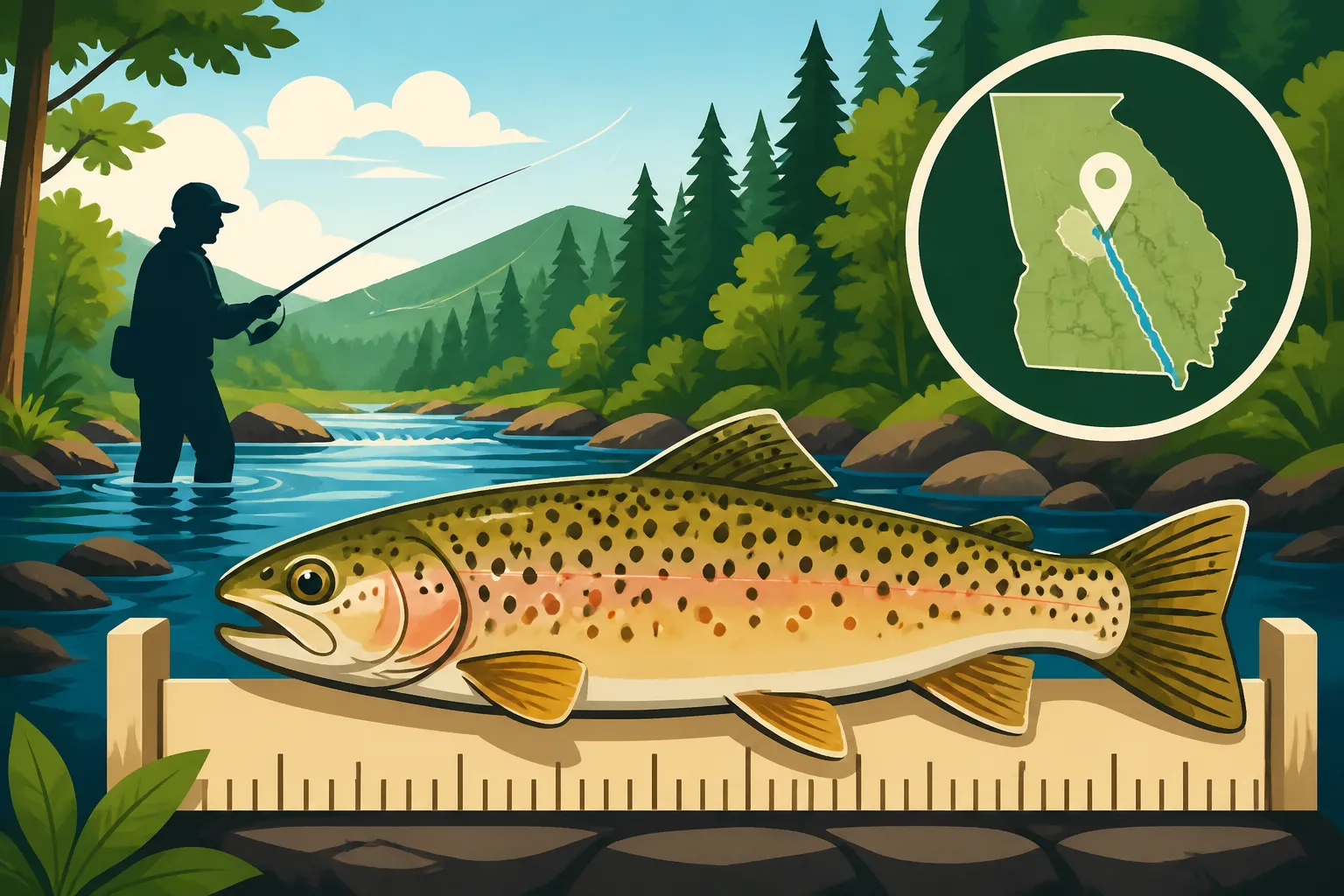
Noontootla Creek isn't just any trout stream in Georgia; it's a prime example of a stream managed for its exceptional wild trout population and to offer a unique, challenging angling experience. Located in the Chattahoochee National Forest near Blue Ridge, it's revered by fly anglers and spin fishermen alike for its crystal-clear waters and the chance to hook into some truly beautiful fish. Its special designation means it doesn't follow the general statewide trout rules, and this is where the question of "minimum length" gets interesting.
Location and Accessibility
Noontootla Creek flows through the Cooper Creek Scenic Area and much of it is within the Blue Ridge Wildlife Management Area (WMA). This means it's often surrounded by undeveloped forest land, offering a serene and immersive fishing experience. Access can range from roadside pull-offs to more remote hike-in sections, appealing to anglers seeking solitude. While its beauty is undeniable, its remote nature also means that proper preparation is key. Before heading out, always check the Where to Fish in North Georgia guide for detailed access points and any seasonal considerations. The remoteness helps protect the fragile ecosystem and contributes to the stream's special status.
Conservation Efforts on Noontootla
The reason Noontootla Creek has such stringent regulations is primarily due to intensive conservation efforts aimed at fostering a healthy, wild, and self-sustaining trout population. Unlike many other streams that rely heavily on stocking, Noontootla Creek has a robust natural reproduction of trout. The Georgia DNR, along with conservation groups, works tirelessly to maintain water quality, habitat integrity, and genetic diversity within its fish populations. These efforts are crucial because wild trout are more sensitive to environmental changes and fishing pressure than their hatchery-raised counterparts. Protecting them ensures that future generations can experience the thrill of catching these magnificent fish in their natural habitat.
The "No Minimum Length" Rule Explained for Noontootla Creek
Here's the critical piece of information that often surprises anglers: for the majority of Noontootla Creek, particularly the heavily fished sections within the Blue Ridge WMA, there is no minimum length because the stream is designated as artificial lures only, catch-and-release only. This means that no trout, regardless of size, may be kept.
Rainbow and Brown Trout Limits (or Lack Thereof)
So, if you're casting for a feisty rainbow trout or a cunning brown trout in Noontootla Creek, the question of whether it meets a 10-inch or 14-inch minimum is entirely moot. Every fish you catch must be immediately and carefully released back into the water. The regulations clearly state: "All trout must be immediately released." This is a fundamental departure from typical regulations found on other streams, where you might keep a few fish for the dinner table. It transforms the fishing experience from a harvest-oriented one to a purely recreational, skill-based pursuit focused on the thrill of the catch and the health of the fish.
This philosophy is specifically designed to allow trout to grow to larger sizes, increasing the chances of catching a true "trophy" fish, and ensuring strong breeding populations. You won't find specific Georgia Trout Stream Size Limits by Creek that permit keeping fish from Noontootla, because the rule is universal catch-and-release. Anglers often appreciate this approach once they understand the goal: to create and maintain an outstanding wild trout fishery that offers unparalleled angling opportunities, even if it means no fresh trout for dinner.
Native Brook Trout Considerations
While rainbow and brown trout are prevalent in Noontootla Creek, it's also home to Georgia's only native trout species: the brook trout. These beautiful, smaller fish are particularly sensitive and are often found in the colder, higher elevation headwaters. The catch-and-release rule protects these native populations as well, helping them thrive without the added pressure of harvest. Catching a native brook trout in its natural environment is a truly special experience, a connection to the wild heritage of Georgia's mountain streams. Learning about Brook Trout: Georgia's Only Native Trout Species can deepen your appreciation for these incredible fish and the conservation efforts that protect them.
Why Noontootla Creek is Catch-and-Release Only
The decision to implement catch-and-release regulations on streams like Noontootla Creek isn't arbitrary. It's a strategic management choice based on scientific principles and long-term conservation goals. The aim is to create a sustainable, high-quality fishery that offers a unique experience to anglers while preserving the health of the fish population.
Ecological Balance
One of the primary reasons for catch-and-release is to maintain the delicate ecological balance within the stream. Trout play a vital role in their ecosystem as both predators and prey. By ensuring that fish are released unharmed, the DNR helps maintain a stable population size, which in turn supports the broader aquatic food web. Over-harvesting, even of larger fish, can disrupt this balance, leading to cascading effects throughout the ecosystem. The catch-and-release policy fosters a resilient trout population that can better withstand natural fluctuations and environmental stressors.
This careful management allows trout to reach their full potential, both in size and reproductive capacity. A stream full of healthy, robust fish is a sign of a thriving ecosystem, and Noontootla Creek benefits greatly from this hands-off approach to harvest.
Trophy Fishery Management
Another significant objective of the catch-and-release rule is to cultivate a "trophy fishery." When fish are consistently released, they have the opportunity to grow larger and older. This means anglers have a better chance of hooking into impressive, sizable trout that might be rare in heavily harvested waters. Noontootla Creek has earned its reputation as a place where you can genuinely test your skills against big, wild fish. The excitement of battling a large trout, knowing it will live to fight another day, is a powerful draw for many dedicated anglers.
This focus on quality over quantity not only provides an enhanced angling experience but also contributes to the stream's reputation. It attracts anglers who prioritize the challenge and the experience of catching magnificent fish, rather than simply filling a cooler. This also aligns with the broader goals of promoting responsible angling practices and stewardship of natural resources.
Essential Gear and Techniques for Success on Noontootla
Since Noontootla Creek is catch-and-release and artificial lures only, your gear and techniques need to be tailored to these specific rules. This isn't the place for live bait or treble hooks. You'll want to focus on light tackle and methods that minimize harm to the fish.
Recommended Rods and Reels
For fly fishing, a 3-weight to 5-weight rod, typically 7.5 to 9 feet long, is ideal. This setup provides enough sensitivity for detecting subtle bites and enough backbone to handle the strong runs of a good-sized trout, but it's light enough to make the fight enjoyable and not overtire the fish. Pair it with a matching fly reel and a floating line. You can find excellent quality fly rods and reels on Amazon, often with combos perfect for getting started.
If you prefer spin fishing, opt for an ultralight or light action spinning rod, usually 5 to 6.5 feet long, paired with a small spinning reel spooled with 2-4 pound test monofilament or fluorocarbon line. This delicate setup allows for precise casting of small lures and makes even smaller trout feel like a true challenge, while still being able to handle a larger fish if you're patient. Before you hit the water, ensuring your gear is up to par can significantly improve your experience. You can browse a wide selection of Best Rods and Reels for Georgia Fishing to help you pick the perfect setup.
Effective Baits and Lures
Given the "artificial lures only" rule, your bait choices are limited to flies, spinners, and small crankbaits. For fly anglers, popular patterns include various nymphs (e.g., Pheasant Tail, Hare's Ear, Prince Nymph), dry flies (e.g., Parachute Adams, Elk Hair Caddis), and streamers (e.g., Woolly Bugger). Matching the hatch or imitating aquatic insects present in the stream is often the most effective approach.
Spin fishermen will find success with small inline spinners like Rooster Tails or Mepps, in sizes appropriate for trout (typically 1/16 to 1/8 ounce). Small, lightweight jerkbaits or crankbaits that mimic natural forage can also be effective. The key is to use single, barbless hooks. You can either purchase lures with barbless hooks or simply pinch down the barbs on standard hooks with a pair of pliers. This dramatically reduces damage to the fish and makes for easier, quicker release. Check out a variety of options on Amazon to make sure you're well-equipped.
Proper Wading and Approach
Noontootla Creek's clear waters mean stealth is your friend. Trout in these wild streams are incredibly wary and will spook easily. Approach the stream cautiously, keeping a low profile and avoiding sudden movements. Wading carefully and minimally is also crucial to avoid disturbing the streambed and any spawning areas. Good quality waders and wading boots with felt or rubber soles (often required in many states to prevent invasive species spread) are essential for comfortable and safe access to prime fishing spots.
You'll also want to learn how to read the water effectively. Look for seams, riffles, pools, and undercut banks where trout might be holding. Understanding current breaks and feeding lanes will significantly increase your success rate. This kind of careful, thoughtful approach enhances the challenge and reward of fishing a special stream like Noontootla.
Ensuring Compliance and Enjoying Your Trip
Fishing on Noontootla Creek is an experience unlike many others in Georgia. By understanding and respecting its unique regulations, you not only stay compliant but also contribute to the ongoing health and vibrancy of this remarkable fishery.
Checking Current Regulations
Fishing regulations can sometimes change, so it is absolutely vital to always check the most current rules before you head out. The Georgia DNR website is your go-to source for the latest information on specific streams like Noontootla Creek. While this guide provides an overview, conditions or regulations can be updated, and it's your responsibility as an angler to be aware of them. A quick check of the Georgia Freshwater Fishing Rules section on the DNR site will ensure you have the most up-to-date information for your trip.
It's also a good idea to chat with local tackle shops in towns like Blue Ridge or Dahlonega. They often have real-time insights into stream conditions, recent changes, and what flies or lures are currently working best. They are a valuable resource and part of the local fishing community.
Catch and Release Best Practices
Since all trout on Noontootla Creek must be released, mastering proper catch and release techniques is non-negotiable. This is perhaps the most important skill for any angler visiting this special stream. Here are some key practices:
- Minimize handling: Try to keep the fish in the water as much as possible. If you must handle it, do so with wet hands to protect its delicate slime coat.
- Barbless hooks: As mentioned, these are mandatory for a reason. They allow for quick and easy hook removal, causing minimal injury.
- Use the right tools: A pair of long-nosed pliers or hemostats can be invaluable for removing hooks quickly and efficiently, especially if the hook is deeply set.
- Revive the fish: If a fish seems sluggish after the fight, hold it gently in the current, facing upstream, until it regains its strength and can swim away on its own. Never throw a tired fish back into the water.
- Know when to call it quits: If a fish is bleeding heavily or appears severely injured, it’s a difficult situation. While the rules are strict, sometimes a fish cannot be saved. The goal is always to prevent this through careful handling.
Following these practices, covered in depth in guides like How to Catch and Release Trout Properly, ensures that the fish you catch today will be there for another angler tomorrow, maintaining Noontootla's reputation as a pristine fishery.
Here's a quick summary of Noontootla Creek's unique rules:
| Rule Category | Noontootla Creek Regulation | Standard General Trout Water (Example) |
|---|---|---|
| Minimum Length | None (Catch-and-Release Only) | 6-7 inches minimum |
| Creel Limit | Zero (All trout must be immediately released) | 8 trout per day |
| Lure Type | Artificial Lures Only | Artificial lures or live bait |
| Hook Type | Single, Barbless Hooks Only | Barbed hooks allowed |
| License Add-on | Mountain Trout License Add-on Required | Mountain Trout License Add-on required for designated waters |
By adhering to these specific guidelines, you're not just avoiding a potential penalty (which can be steep, as discussed in Penalties for Fishing Without a License in Georgia); you're actively participating in the preservation of one of Georgia's true angling gems.
Noontootla Creek offers an incredible opportunity to experience world-class trout fishing in a truly wild setting. While the "no minimum length" rule might initially seem counter-intuitive, it's a testament to the commitment to conservation and the desire to provide a unique trophy fishery. Embrace the challenge, respect the rules, and you're in for an unforgettable day on the water.
Disclaimer
The information provided in this guide is for general informational purposes only and is subject to change. Always consult the official Georgia Department of Natural Resources (DNR) regulations and guidelines before planning any fishing trip to ensure compliance with the most current laws and specific stream rules. Fishing conditions and regulations can vary, so staying informed is crucial for a safe and enjoyable experience.