Penalties for Fishing Without a License in Georgia
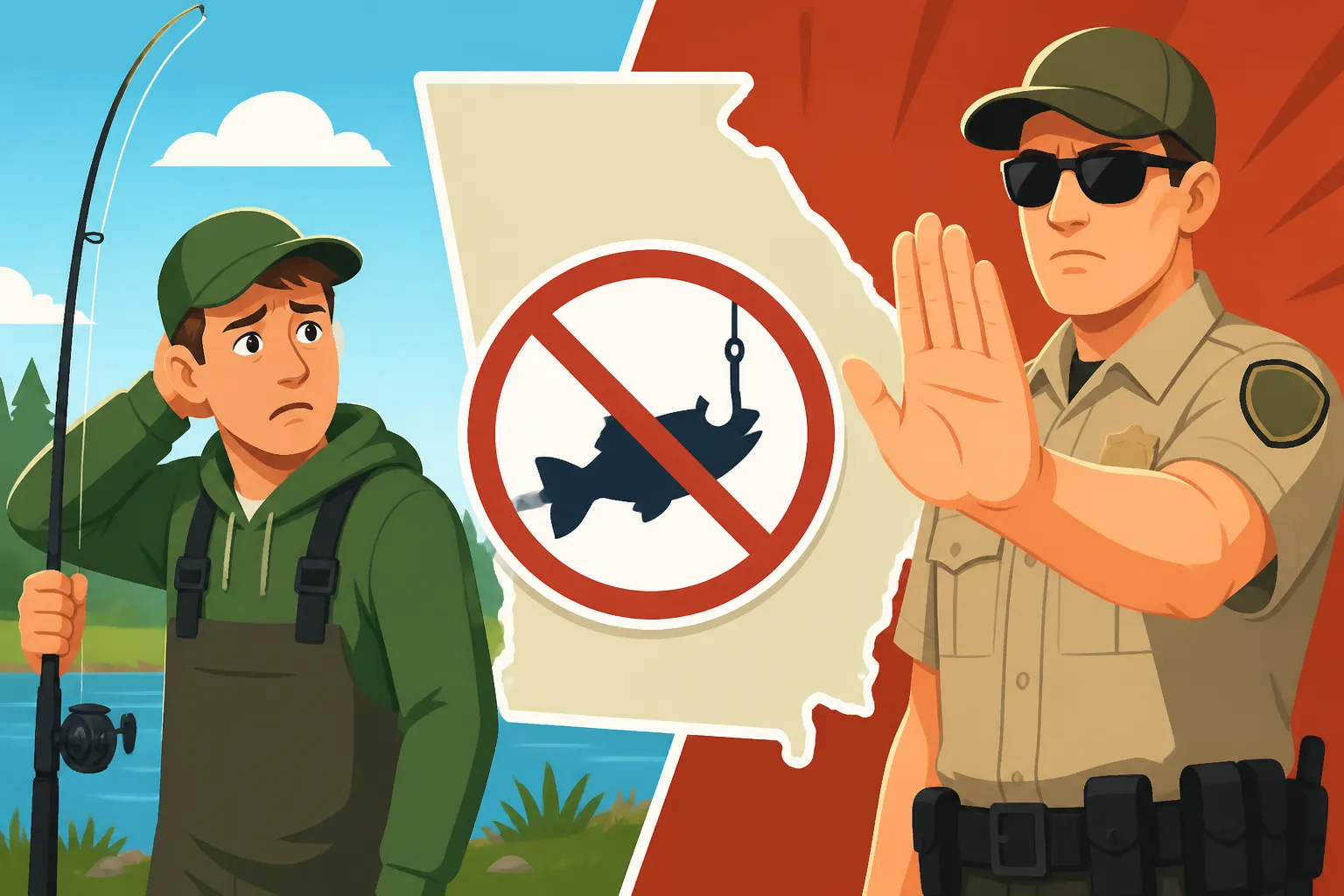
It's a beautiful day, you've got your gear, the water looks promising, and you're just itching to cast a line. For many of us, fishing is a cherished pastime, a way to connect with nature, and a moment of peace. But what happens when that peaceful moment is interrupted by a Georgia game warden asking to see your fishing license, and you realize you don't have one, or it's expired? The sudden knot in your stomach is a very real reaction, because the truth is, fishing without the proper credentials in Georgia can quickly turn a relaxing day into a costly and complicated legal headache. This guide is here to walk you through exactly what those penalties entail, how serious they can be, and most importantly, how to avoid them altogether.
Why a Fishing License Matters More Than You Think
Many folks see a fishing license as just another government fee, a hoop to jump through, or something easily forgotten. But in Georgia, and across the nation, those little pieces of paper, or digital permits, are far more significant than most anglers realize. They are the backbone of responsible wildlife management and play a crucial role in ensuring that our rich fishing heritage continues for generations to come.
The Foundation of Conservation Funding
When you purchase a Georgia Fishing License Guide, you're not just buying permission to fish; you're directly investing in the future of Georgia's aquatic ecosystems. A substantial portion of the revenue generated from fishing license sales goes directly into conservation programs managed by the Georgia Department of Natural Resources (DNR). This money isn't just sitting in a general fund; it's meticulously allocated to projects that protect and enhance the very waters and fish populations we enjoy.
Think about it: those trout streams in North Georgia don't stock themselves, and the healthy bass populations in our major reservoirs require careful management. Your license fees contribute to vital initiatives like fish stocking programs, which ensure there are plenty of catchable fish for everyone. They also fund habitat restoration projects, improving water quality and creating better environments for fish to thrive. Moreover, the scientific research that helps us understand fish populations, disease control, and environmental impacts is all made possible, in part, by these crucial funds. It's a direct cycle: you pay a small fee, and that money comes back to you in the form of better fishing opportunities.
It's the Law, Plain and Simple
Beyond the altruistic aspect of conservation, the cold hard truth is that fishing with a valid license is a legal requirement in Georgia for most individuals. Ignorance of the law is never an acceptable defense in court, and game wardens are tasked with enforcing these regulations to protect our natural resources from over-exploitation and ensure fairness among all anglers. The framework of Georgia Fishing Regulations Explained isn't just a suggestion; it's a set of rules designed to maintain balance.
These laws are put in place for a good reason. Without them, it would be a free-for-all, leading to depleted fish stocks, damaged habitats, and a less enjoyable experience for everyone. A game warden isn't out to ruin your day; they're upholding the laws that safeguard our environment and ensure sustainable fishing. So, while it might feel like a minor oversight to forget your license, the state views it as a violation of a fundamental regulation designed to protect public resources.
What Constitutes Fishing Without a License in Georgia?
When we talk about "fishing without a license," it's easy to picture someone intentionally trying to skirt the rules. However, the reality is often much more nuanced, and many anglers find themselves in hot water due to simple oversights or misunderstandings of the law. It's not always about malice; sometimes, it's just about being unaware of the specific requirements.
The Obvious: No License at All
The most straightforward scenario is, of course, fishing when you haven't purchased any kind of valid license at all. This might happen for a variety of reasons. Perhaps you're a visitor from out of state who just decided to try fishing on a whim, never thinking about the permit requirements. Or maybe you're a new resident to Georgia, unfamiliar with the state's outdoor regulations. In other cases, some individuals might knowingly choose to fish without a license, perhaps hoping they won't get caught or believing the rules don't apply to them.
Regardless of the reason, actively participating in fishing activities—whether it's casting a line, using a trotline, or even just assisting someone else who is fishing—without a valid license for your age and residency status is a clear violation. This applies to freshwater and saltwater alike. Even if you're just "dunking a worm" off a public pier, the requirement generally stands, unless you fall under specific exemptions like very young children. Knowing how to get a valid How to Get a Fishing License in Georgia is the first step in avoiding this.
The Tricky Parts: Expired or Incorrect Licenses
Here's where many well-meaning anglers get into trouble. You might have bought a license last year, tucked it away, and completely forgotten that it expired. An expired fishing license is treated by law enforcement exactly the same as having no license at all. It provides no legal coverage, and you're just as liable for penalties. This is why it's crucial to check the validity period of your license, especially if you opt for an annual permit, which often runs for 365 days from the date of purchase, not necessarily a calendar year. You can find more information about how long a license is valid at Is a Georgia fishing license good for 365 days?.
Beyond expiration dates, having the wrong type of license or missing specific endorsements can also lead to a citation. For instance, if you're specifically targeting trout in Georgia's designated mountain trout streams, you often need a separate Mountain Trout License Add-On in Georgia in addition to your basic fishing license. Without that specific endorsement, even if you have a valid general license, you could still be cited for fishing without the proper authorization for that particular species or water body. The same logic applies to other special permits, like certain commercial endeavors or specific locations. It's a good idea to understand all the Georgia Fishing License Costs and Types before you head out. Don't forget that Do Kids Need a Fishing License in Georgia? as well, as there are specific age requirements for young anglers.
The Immediate Consequences: What Happens on the Water
Imagine you're enjoying the tranquility of Lake Lanier or a quiet stretch of the Chattahoochee River, and suddenly, a uniformed individual approaches. This encounter is often the first and most direct consequence of fishing without a license. It can be a jarring experience, but understanding how these interactions typically unfold can help you navigate them more calmly.
The Role of Game Wardens and Law Enforcement
In Georgia, the primary enforcers of fishing regulations are the state's game wardens, who are commissioned law enforcement officers with full arrest powers. Their jurisdiction specifically covers wildlife, natural resources, and boating laws. While local sheriff's deputies or other police officers can enforce these laws, it's most commonly a Georgia DNR game warden you'll encounter. These wardens are highly trained and passionate about protecting Georgia's natural beauty, and they take their job seriously.
When a game warden approaches, their primary goal is to ensure compliance with state regulations. They will typically identify themselves and politely ask to see your fishing license and any catches you might have. It's important to be respectful, cooperative, and honest. Remember, they are doing their job, and arguing or resisting will only escalate the situation and can lead to additional charges. They are within their rights to inspect your license, your tackle, and your creel, and they are usually well-versed in local regulations, including Georgia Fish Size and Creel Limits.
Receiving a Citation
If you are found to be fishing without a valid license, the most immediate consequence is typically receiving a citation, often referred to as a ticket. This isn't just a warning; it's a formal legal document that requires you to appear in court or pay a specified fine by a certain date. The citation will include details like the specific violation (e.g., "fishing without a valid license," "no mountain trout stamp"), the date and location of the offense, and instructions on how to proceed.
The initial fine amount listed on the citation is often just the base penalty. There are usually additional court costs, administrative fees, and state surcharges that get tacked on, significantly increasing the total financial burden. For a first offense of fishing without a license, the base fine can vary, but it's often in the range of $150 to $300, easily ballooning to $400 or more once all the additional fees are calculated. This immediate financial hit can be a rude awakening, especially when you consider how inexpensive a basic Georgia resident fishing license cost actually is in comparison. The warden might also provide information on how to resolve the citation, whether by mail, online, or a court appearance, much like dealing with a traffic ticket.
Deeper Penalties: Fines, Court, and Beyond
While the initial citation is the first hurdle, the consequences for fishing without a license in Georgia can extend much further than just a ticket, especially if you ignore it, have previous offenses, or are involved in more serious violations. This is where a simple mistake can start to impact your legal record and future fishing opportunities.
Understanding the Financial Burden
Let's talk numbers, because that's often what really gets people's attention. The financial penalty for fishing without a license in Georgia, as mentioned, usually starts with a base fine. For a first offense, this could range from approximately $100 to $300, depending on the county and specific circumstances. However, very few citations only require you to pay the base fine. You'll almost certainly incur additional court costs, a victim's compensation fund surcharge, and other administrative fees. These add-ons can easily double or even triple the initial fine, pushing your total outlay to $300, $500, or even more.
Consider this: a basic annual resident fishing license in Georgia might cost around $15. If you're cited for fishing without one, you're looking at a penalty that's twenty to thirty times that amount, not to mention the time and stress of dealing with the legal system. If you fail to appear in court or pay the fine by the deadline, further penalties will accumulate, including potential warrants for your arrest and additional fees. The state is quite clear about the financial incentive to simply follow the rules.
| Violation | Typical Base Fine Range (First Offense) | Estimated Total Cost (with fees & surcharges) | Annual Resident Fishing License Cost |
|---|---|---|---|
| Fishing Without Valid License | $100 – $300 | $300 – $600+ | ~$15 |
| Expired License | $100 – $300 | $300 – $600+ | ~$15 (for renewal) |
| Missing Mountain Trout Add-on | $100 – $250 | $250 – $500+ | ~$10 (add-on cost) |
Note: These are estimated ranges and actual costs can vary significantly based on jurisdiction, additional violations, and court discretion.
Potential Jail Time and Criminal Record
It might sound extreme for "just fishing," but in Georgia, fishing without a license is categorized as a misdemeanor offense. This means it's a criminal charge, not merely a civil infraction like a parking ticket. While it's rare for a first-time, standalone offense of simply not having a license to result in actual jail time, the potential is absolutely there. Misdemeanors can carry a maximum penalty of up to 12 months in jail and/or a fine of up to $1,000.
The circumstances where jail time becomes a real possibility usually involve aggravating factors. For example, if you're also caught violating other serious fishing regulations (like poaching protected species, exceeding creel limits significantly, or using illegal methods), or if you resist arrest, provide false information, or have a history of prior wildlife violations, a judge might impose a jail sentence. Even without jail, having a misdemeanor on your criminal record can have long-term implications, affecting everything from employment opportunities to housing applications. This is a far cry from a peaceful day on the lake, highlighting why understanding your Georgia Fishing Regulations Explained is paramount.
Loss of Fishing Privileges
One of the most disheartening penalties for any avid angler is the potential loss of fishing privileges. For repeat offenders, or those who commit particularly egregious violations, the Georgia DNR has the authority to suspend or revoke your ability to purchase a fishing license for a specified period, often one to three years, or even longer in severe cases. This means you legally cannot fish in Georgia waters during that time, regardless of whether you have money for a license.
This isn't just about Georgia, either. Georgia is a member of the Interstate Wildlife Violator Compact, an agreement among many states that recognizes wildlife violations across state lines. So, if your fishing privileges are suspended in Georgia, that suspension could be honored by other member states as well. This dramatically limits your ability to enjoy fishing anywhere for a significant period. When you consider the small cost of a Georgia Fishing License Renewal Guide or even an Annual vs Short-Term Fishing License Options, these penalties truly underscore the importance of staying compliant.
Special Circumstances and Aggravating Factors
While a simple oversight can lead to a citation, certain situations and behaviors can significantly escalate the penalties for fishing without a license in Georgia. It’s crucial to understand these aggravating factors, as they can transform a minor infraction into a major legal problem.
Commercial Fishing Violations
The laws and penalties for commercial fishing are far more stringent than those for recreational angling. If someone is found fishing without the required commercial licenses, permits, or endorsements, the fines are exponentially higher, and the likelihood of severe consequences, including significant jail time and forfeiture of equipment (boats, nets, etc.), increases dramatically. The state views commercial operations as having a greater impact on natural resources, and therefore, holds them to a much higher standard of compliance.
For instance, someone caught illegally selling fish caught without a commercial license could face felony charges, not just misdemeanors. The penalties are designed to deter large-scale exploitation and protect the economic viability of legitimate commercial fishing businesses, as well as the sustainability of fish populations. This is a completely different ballgame from a recreational angler forgetting their permit.
Poaching and Resource Depletion
Fishing without a license can often be a gateway offense to more serious violations, particularly poaching. If a game warden stops you for not having a license, and then discovers you've also exceeded the daily Georgia Fish Size and Creel Limits, are fishing in a restricted area, or have taken a protected species, the initial license violation becomes just one of several charges. Each additional violation carries its own set of penalties, which stack on top of each other.
For example, taking more than the legal limit of trout, or catching fish during a closed season, demonstrates a disregard for conservation that goes beyond just forgetting a piece of paper. These acts directly deplete resources and harm ecosystems. Penalties for poaching can include substantial fines, mandatory restitution for the value of the poached fish, lengthy license suspensions, and even extended jail sentences. The state takes resource depletion very seriously, understanding that irresponsible actions by a few can harm the fishing opportunities for many.
Repeat Offenders
The legal system typically offers some leniency for first-time offenders, often allowing them to pay a fine and move on. However, this leniency rarely extends to those who repeatedly violate fishing laws. If you are cited multiple times for fishing without a license, or for any other wildlife violation, the penalties will increase dramatically with each subsequent offense. What might have been a few hundred dollars in fines for a first offense could become thousands, along with a near-certain suspension of your fishing privileges and a higher probability of serving jail time.
The state’s enforcement agencies maintain records of all wildlife violations. This means that a game warden can quickly see your history when they interact with you. A pattern of non-compliance demonstrates a willful disregard for the law and conservation efforts, and the courts and DNR respond accordingly. The system is designed to educate first-time offenders and severely penalize those who show a continuous disrespect for Georgia's natural resources and the rules governing their use.
Avoiding Penalties: Staying Legal and Responsible
The good news is that avoiding penalties for fishing without a license in Georgia is incredibly easy. It simply requires a little planning and awareness. By taking a few proactive steps, you can ensure your time on the water remains relaxing and legally compliant.
Easy Ways to Purchase and Carry Your License
The Georgia DNR has made obtaining a fishing license incredibly convenient. You don't need to drive to a specific government office anymore (though that's still an option!). The simplest way for many is to How to Buy a Fishing License Online in Georgia directly through the Georgia DNR website. It’s a quick process, and you can print your license right away or save it digitally to your phone. Another convenient option is purchasing over the phone, which is perfect if you realize you need a license while you're already near your fishing spot.
Once purchased, the most critical step is to always carry proof of your valid license while fishing. A printed copy tucked into a waterproof wallet or a clear, legible digital copy on your smartphone are both acceptable. Many anglers even carry a small, waterproof pouch for their license, ID, and other essentials, perhaps one they picked up from an online retailer like Amazon, ensuring everything stays dry and secure. Regularly check the expiration date on your license. If you're unsure, it's easy to check its validity through the DNR's online portal or by calling them. This simple act can save you hundreds of dollars and a lot of hassle.
Understanding Georgia's Regulations
Beyond just having a license, a responsible angler takes the time to understand the rules of the game. This means familiarizing yourself with Georgia Fishing Regulations Explained, including current fish size and creel limits for the species you're targeting. These regulations can vary by body of water and species, so a little research before you go can prevent accidental violations. For example, bass size limits can differ significantly between lakes, and trout regulations often have specific rules for different streams.
If you're planning to fish for specific species, like trout in North Georgia's mountain streams, be sure you have the necessary endorsements, such as the Mountain Trout License. If you're fortunate enough to qualify for a Georgia Lifetime Fishing License for Seniors Over 65, make sure you understand what it covers and if any additional permits are ever required for specialized fishing. Knowledge is your best defense against unintended legal trouble.
When in Doubt, Ask
The Georgia DNR is an excellent resource for anglers, and their staff are generally happy to answer questions. If you are ever unsure about a specific regulation, license requirement, or fishing area restriction, don't hesitate to reach out to them. You can usually find contact information for your local DNR office or the main customer service line on their website. It's far better to ask a question beforehand than to face penalties later because of a misunderstanding.
Another great way to stay informed is by checking the Georgia DNR's official fishing guide, which is updated annually. Many local tackle shops and experienced anglers are also great sources of information. By staying informed and proactive, you can ensure your fishing experiences in Georgia are always enjoyable, productive, and, most importantly, legal.
Disclaimer
Please remember that this guide provides general information about penalties for fishing without a license in Georgia. Laws and regulations can change, and interpretations may vary based on specific circumstances and jurisdiction. It is always your responsibility to consult the most current official Georgia Department of Natural Resources regulations or legal counsel for precise and up-to-date information regarding fishing licenses and laws.