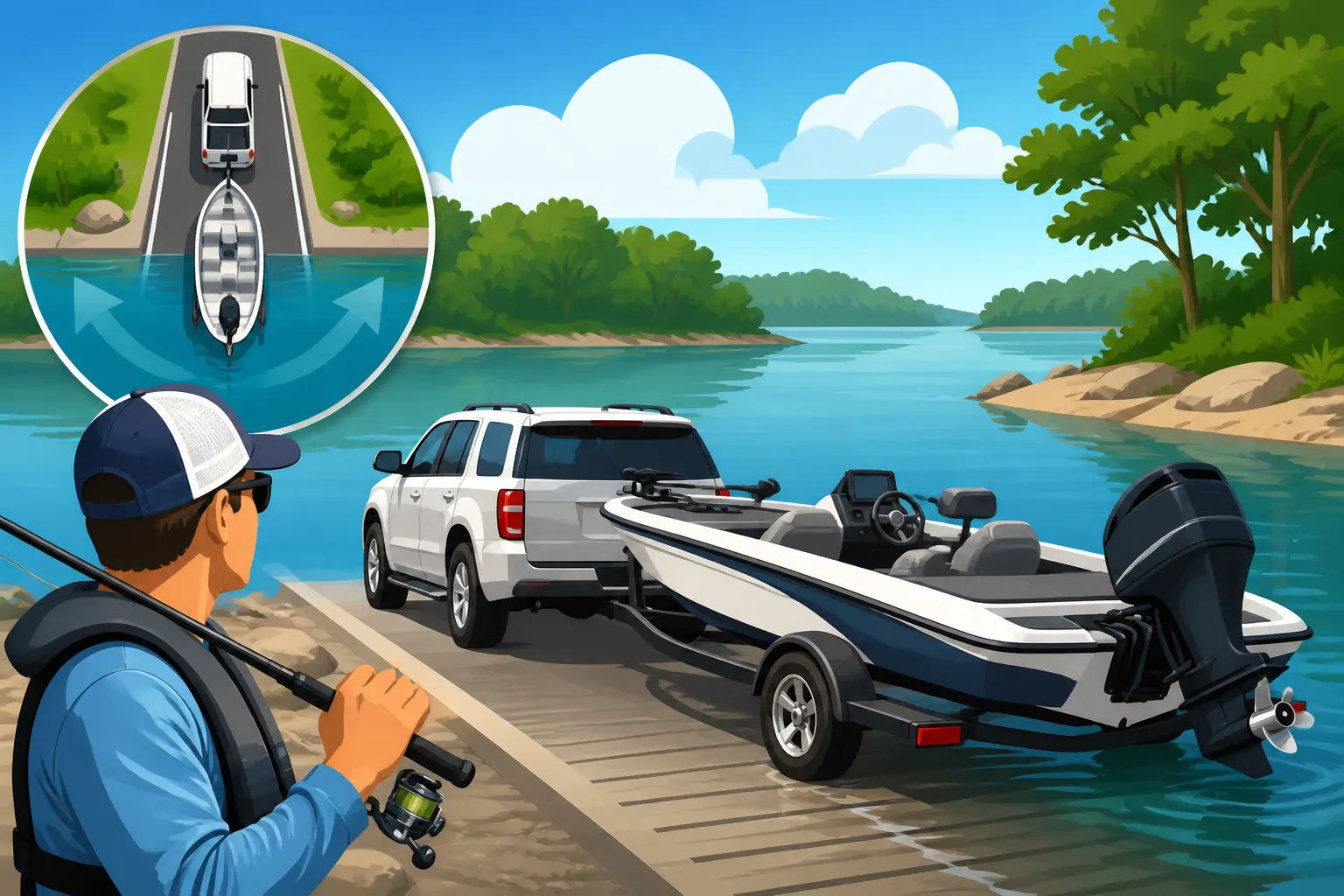
Boat Ramp Tips for Launching at Lake Lanier
Oh, the sheer joy of a day out on Lake Lanier, right? Sun on your face, rod in hand, ready to cast. But let's be real, that feeling can quickly turn to frustration when you're stuck in a chaotic boat ramp line, watching someone struggle for what feels like an eternity. Launching your boat at a popular spot like Lake Lanier can be a real test of patience, especially on a beautiful weekend. This guide is here to walk you through all the best boat ramp tips, helping you navigate the launch and retrieval process like a seasoned pro, minimizing stress and maximizing your time on the water.
Preparation is Key: Before You Hit the Ramp
When it comes to boat ramps, success isn't just about what you do at the ramp, but what you do long before you even get there. Think of it like a well-rehearsed dance; every step needs to be planned and executed to keep the flow smooth for everyone. Rushing and forgetting things is the quickest way to create a bottleneck and earn some side-eye from fellow anglers.
Pre-Trip Checks and Gear Staging
Before your wheels even touch the asphalt of the boat ramp, you should be a well-oiled machine of preparedness. I can't tell you how many times I've seen folks hold up the line because they're suddenly realizing their drain plug isn't in, or their gear is still tucked away in the truck bed. This isn't just about courtesy; it's about making your own life easier and safer.
Start with a mental checklist as you’re loading up at home. Is the drain plug in? Are your straps off the transom and bow? Is your motor trim up? Are your life jackets easily accessible, especially for the little ones? Having all your fishing gear, including rods, reels, tackle boxes, and coolers, already secured in the boat before you get to the ramp means you can simply back in, launch, and go. Trying to transfer all that from your truck to your boat while blocking the ramp is a definite no-no and will delay everyone behind you. Even things like making sure your boat's registration is current and easily accessible can save you headaches; for more on that, check out Georgia Boat Registration Requirements Explained.
It's also a good idea to perform a quick safety check on your trailer lights, tires, and hitch. A blown tail light or a loose connection can cause big problems, not to mention legal issues, before you even reach the lake. A simple walk-around can save you a lot of hassle. You want to pull up to that staging area near the ramp, unhook your boat, and be ready to back straight down, not fumbling with electrical connections or realizing a tire is low. Many dedicated anglers even have a specific "launch station" in their garage or driveway where they perform these checks every single time.
Understanding Lake Lanier's Ramp Conditions
Lake Lanier isn't just one big body of water; it has numerous boat ramps, and each one can offer a unique set of challenges. Some ramps are steep, some are shallow, and some are notorious for their crowds. Knowing what you're getting into before you arrive can save you a world of stress.
For instance, a ramp might have a particularly tricky drop-off at the end, meaning you need to back in further to get your boat floating, or conversely, be careful not to back too far and get your tow vehicle wheels wet. Others might have strong currents, making it harder to guide your boat off the trailer. I always recommend scouting out a new ramp online, perhaps looking at satellite images, or even taking a quick drive by during an off-peak hour if it's new to you. Knowing the typical water levels for that ramp can also be a game-changer. What works perfectly fine when the lake is full might be a nightmare during a dry spell. You might find that some ramps are simply too shallow for your Best Boat for Fishing Lake Lanier during low water conditions, forcing you to find an alternative.
Consider the surface as well. Some ramps are smooth concrete, while others might be covered in a bit of slimy algae, especially those with less current or heavier use. Slippery surfaces require extra caution, especially when walking around or trying to get traction with your vehicle. The last thing you want is a slip-and-fall incident, or worse, your tires spinning while you're trying to pull your boat out. Pay attention to any posted signs or warnings at the ramp itself; they're there for a reason and often contain vital, up-to-date information about local conditions.
Mastering the Launch: Etiquette and Efficiency
Once you've done your homework and prepped your boat, it's time for the main event: the launch. This is where good boat ramp etiquette truly shines. Nobody likes a ramp hog, and with a bit of practice and consideration, you can be in and out in no time, making friends instead of enemies.
The Art of Backing Up Your Trailer
Ah, backing up a boat trailer. For some, it's an art form; for others, it's a source of cold sweats and marital strife. But it doesn't have to be a nightmare. The key is slow, controlled movements and understanding how your trailer responds.
One common mistake is over-steering. Small adjustments to your steering wheel make big differences at the trailer hitch. If you want the trailer to go left, turn your steering wheel slightly to the left, then straighten up when it starts to move in that direction. Look in your mirrors, but also turn around and use your peripheral vision. Having a spotter is incredibly helpful, especially if you're new to it, but make sure they understand clear hand signals. Before you even get to the ramp, practice in an empty parking lot. Seriously, it makes all the difference! If you're struggling, don't be afraid to pull forward and try again. It’s better to take a few extra moments to correct your angle than to hold up the line with a series of wild corrections that go nowhere. Remember that other anglers have likely been there too; a little patience and a clear effort to learn go a long way.
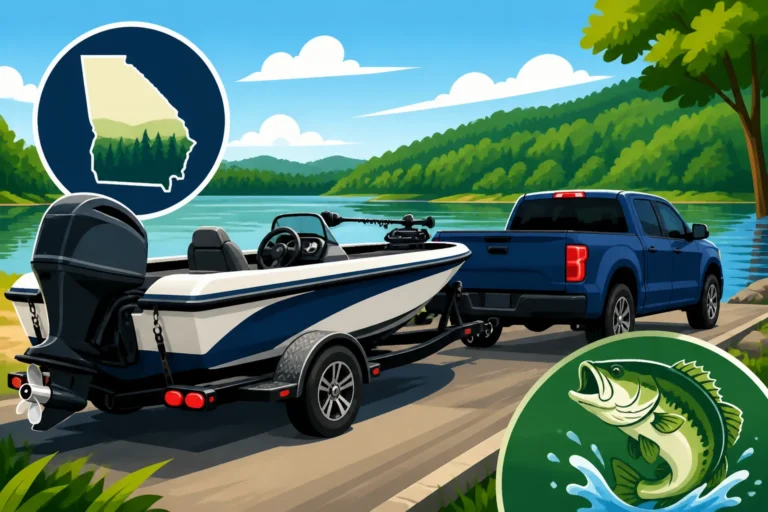
Once you’re successfully backing down, make sure you're getting deep enough for your boat to float free, but not so deep that your tow vehicle starts to swim. For many powerboats, the top of the fender wells on the trailer should be just below the waterline. This allows the boat to slide off easily without risking damage to your propeller or lower unit on the ramp concrete. A quick walk through Best Boat Ramps on Lake Lanier might give you specific insights into the incline and depth of popular ramps in the area.
Swift Launching and Retrieval Techniques
Efficiency is the name of the game. Once your boat is in the water, the person driving the tow vehicle should immediately pull forward and out of the ramp lane. This is paramount. The goal is to clear the ramp as quickly as possible so the next person can begin their launch.
For the person in the boat, have your motor tilted down and ready to start. Once the boat floats free, guide it away from the ramp using your trolling motor or a paddle, making sure it doesn't drift into another boater's path or back onto the concrete. Head to a nearby dock or a clear section of shoreline to finish your final preparations – tying on lures, starting the main engine, loading the last bits of gear. This is your staging area, not the ramp itself.
Retrieval follows a similar pattern. While one person gets the tow vehicle and trailer, the other should be bringing the boat slowly to the ramp. Line up your boat with the center of the trailer, and slowly winch or power it on. Once it's secure, and you've raised your motor, immediately pull your tow vehicle and boat out of the ramp lane and into a designated staging area. This is where you'll secure your transom straps, plug in your trailer lights, and make sure everything is good to go for the drive home. Don't drain your livewell, cover your boat, or transfer gear while blocking the ramp. These tasks can, and should, be done elsewhere. For tips on towing safely, consider reading Best Trailer for Towing a Boat to Georgia Lakes.
Navigating Busy Ramps and Parking
Lake Lanier is a magnet for anglers and pleasure boaters alike, which means its ramps can get seriously crowded, especially during peak seasons and on weekends. Learning to navigate these busy times effectively is crucial for a stress-free day.
Avoiding Peak Times and Crowds
The easiest way to avoid ramp headaches? Go when others aren't. This often means embracing the early bird philosophy. Getting to the ramp before sunrise, especially on a Saturday or Sunday, will drastically reduce your wait time. You'll often find a peaceful launch, and frankly, some of the best fishing can happen in those early morning hours anyway.
Conversely, if early mornings aren't your jam, consider going on a weekday. Even taking a half-day off work can pay dividends in terms of ramp access and less crowded waters. If weekends are your only option, aim for late afternoon launches, as many of the morning crowd will be heading in. You might not get a full day on the water, but the ease of launching and retrieving can make it worth it. Knowing the local school schedules or major holiday weekends can also help you predict when ramps will be at their busiest. Sometimes, just shifting your fishing trip by a day can make all the difference in your experience, from the ramp to the bite. You can also review Georgia Boat Ramp Etiquette for Busy Weekends for more specific advice on dealing with high traffic situations.
Smart Parking and Trailer Management
Once your boat is launched, the next step is finding a suitable place to park your tow vehicle and trailer. Lake Lanier's ramps often have designated parking areas for trailers, but these can fill up quickly. Resist the urge to park illegally or in a non-trailer spot, as you risk a ticket or, worse, having your vehicle towed.
When you're pulling your trailer into a spot, make sure you're leaving enough room for other vehicles to maneuver. Don't block off multiple spots or impede traffic flow. If the main lot is full, be prepared to drive to an overflow area if one is available, or even consider a different ramp entirely if the situation is too chaotic. Some ramps, especially those located within state parks, might have different parking arrangements or fees, so it’s always good to be prepared for that possibility. It’s also wise to ensure your vehicle is locked and valuables are out of sight, just like you would in any public parking area.
If you're bringing two vehicles and only one is towing the boat, ensure the non-towing vehicle is parked in a standard parking space, leaving the longer trailer spots for those who truly need them. Being mindful and respectful of the limited space available at many of Georgia's popular boat ramps is part of being a responsible boater.
Common Pitfalls and How to Avoid Them
Even the most seasoned angler can have a bad day at the ramp. But by understanding common mistakes, you can proactively avoid them and maintain your cool under pressure.
Don't Be "That Guy" at the Ramp
We've all seen "that guy" at the boat ramp. The one who pulls up to the ramp with his boat still covered, engine locked down, and gear strewn about the truck bed. Or the one who backs down crooked, gets out, yells at his family, then tries again, taking 15 minutes to do what should take two. Don't be "that guy."
The biggest offense is poor preparation. As mentioned, everything that can be done before you're actively in the ramp lane should be done. That means your drain plug is in, transom straps are off, bow safety chain is unclipped (leaving only the winch strap attached), and your motor is trimmed up. Your keys should be in the ignition, and your boat's registration and Georgia Fishing License Guide should be easily accessible. Have your spotter ready and briefed on signals. Another common issue is forgetting to pay launch fees. Many ramps, especially those run by the Corps of Engineers or state parks, have a small fee. Have cash or your pass ready. Fishing is meant to be relaxing, so do your part to keep the ramp experience stress-free for everyone.
Table: Boat Ramp Courtesy Checklist
| Action Item | Before Entering Ramp Lane | At the Ramp (Quick) | After Launch/Retrieval (Staging Area) |
|---|---|---|---|
| Insert Drain Plug | ✅ | ||
| Remove Transom Tie-Downs | ✅ | ||
| Disconnect Trailer Lights | ✅ | ||
| Unclip Bow Safety Chain (Leave winch strap) | ✅ | ||
| Trim Motor Up | ✅ | ||
| Secure all Fishing Gear in Boat | ✅ | ||
| Prepare Life Jackets | ✅ | ||
| Have Keys Ready | ✅ | ||
| Have Spotter Ready | ✅ | ||
| Back Trailer Straight | ✅ | ||
| Winch Boat On/Off Quickly | ✅ | ||
| Pull Vehicle Out of Lane | ✅ | ||
| Secure Transom Tie-Downs | ✅ | ||
| Connect Trailer Lights | ✅ | ||
| Cover Boat (if desired) | ✅ | ||
| Organize Gear for Drive Home | ✅ |
Handling Unexpected Challenges
Even with the best preparation, things can go wrong. Maybe your trailer lights suddenly decide not to work, or your boat won't start after launching. How you handle these situations can either diffuse or escalate the tension at the ramp.
First, try to move your setup out of the main ramp lane if at all possible. If your boat won't start, try to get it to a dock or a safe bank area where you can troubleshoot without blocking others. If your trailer lights are out, and you discover it at the ramp, quickly pull your truck and boat to the side and assess the issue. Don't try to fix a major electrical problem while actively blocking the ramp. Having a basic tool kit in your truck, including things like a spare fuse, pliers, and even jumper cables, can be a lifesaver. This simple preparation ties back into the broader idea of having a Safety Gear Checklist for a Day on Lake Lanier.
Another common challenge is dealing with rude or impatient boaters. The best approach is often to simply ignore them and focus on what you need to do. A calm, collected demeanor, even if you’re internally screaming, goes a long way. If someone is being overtly aggressive or creating a dangerous situation, it might be necessary to involve ramp staff or park rangers if they are present. Remember, everyone is there to enjoy the water, and a little kindness and understanding can make a world of difference. Sometimes, a quick conversation and a sincere apology for any perceived delay can de-escalate a situation faster than any argument.
Disclaimer
This article is for general informational purposes only and does not constitute professional advice. Laws, prices and regulations vary by location and change over time. Consult a qualified professional for guidance on your specific situation.