Is Boating Under the Influence a Crime in Georgia?
When you head out onto Georgia's beautiful lakes and rivers for a day of fishing or fun, the last thing on your mind might be legal trouble. But for many anglers and recreational boaters, the question often pops up: is boating under the influence (BUI) truly a crime in Georgia? The short answer is a resounding yes, and understanding the specifics can save you a world of trouble, ensuring everyone has a safe and enjoyable time on the water.
Understanding Boating Under the Influence (BUI) in Georgia
Boating Under the Influence, or BUI, is a serious offense in Georgia, mirroring the gravity of driving under the influence (DUI) on land. It's not just a slap on the wrist; it's a criminal charge with significant repercussions. The laws are designed to protect everyone sharing our waterways, from families enjoying a swim to other anglers trying to land a trophy catch. It’s crucial for anyone operating a vessel, whether it’s a powerful bass boat or a leisurely pontoon, to be aware of these regulations.
The state of Georgia takes boater safety very seriously, and that includes ensuring operators are unimpaired. The beautiful scenery and relaxing atmosphere on the water can sometimes lead people to let their guard down, but the same rules of responsible operation apply. The risks of BUI are amplified on the water, where swift currents, unpredictable weather, and the absence of clear "lanes" mean that an impaired operator's reaction time and judgment can have even more devastating consequences.
Thinking about a relaxing afternoon on Lake Lanier or a fishing trip on the Ocmulgee River? That's fantastic, but responsible planning is key. Just like you wouldn't get behind the wheel of your car after a few drinks, the same principle, and the law, applies when you're at the helm of a boat. The intent isn't to discourage enjoyment, but to emphasize safety above all else.
What Constitutes BUI?
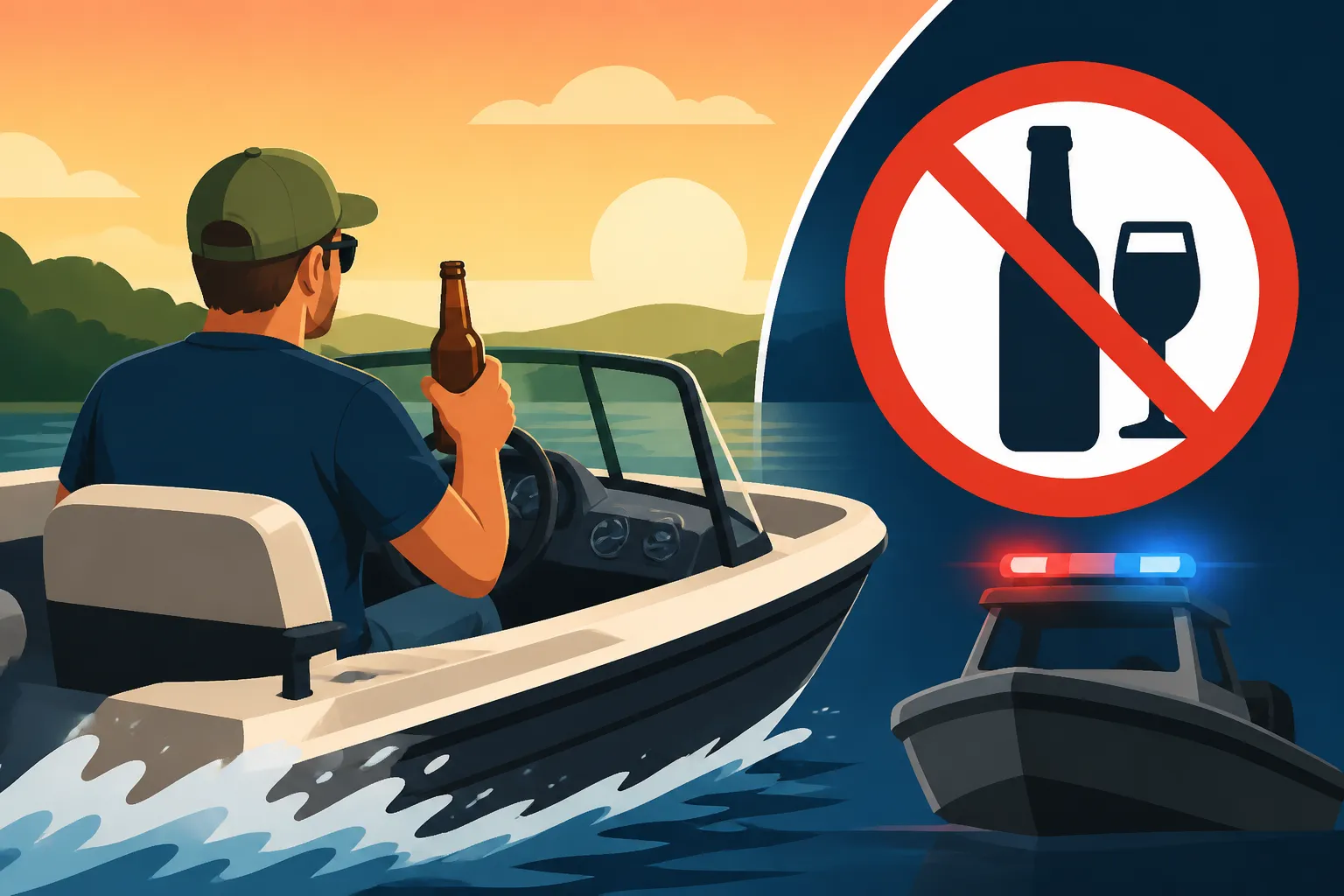
In Georgia, you can be charged with BUI if you are operating a vessel while under the influence of alcohol, drugs (including prescription and over-the-counter medications that impair your ability), or a combination of both, to the extent that it renders you a less safe operator. This isn't just about having an open container; it's about your actual impairment. "Operating a vessel" is broadly defined and includes not only boats with motors but also sailboats, personal watercraft (like jet skis), and even paddle-powered vessels like canoes and kayaks if you are found to be impaired and less safe.
The key phrase here is "less safe operator." This means that even if your blood alcohol content (BAC) isn't over the legal limit, an officer can still determine that your judgment, coordination, or reaction time is impaired enough to make you a danger to yourself and others. Perhaps you're swerving erratically, nearly colliding with other boats, or struggling to follow navigation rules. These observations can be enough to initiate a BUI investigation, even before any chemical tests are performed. It's a holistic assessment of your ability to safely control your vessel.
Consider a scenario: You're out on Lake Hartwell with friends, and after a few beers, you decide to move your boat to a new fishing spot. You might feel perfectly fine, but an officer observes your boat making an unusually wide turn or missing a navigation marker. They pull you over, and even if your breathalyzer test isn't at the absolute limit, your observed behavior might be enough to classify you as a "less safe" operator. This broad interpretation ensures that law enforcement has the tools to intervene before serious accidents occur.
The Legal Limit for Boaters
Just like driving, Georgia has a specific legal limit for blood alcohol concentration (BAC) when operating a boat. For most recreational boaters, this limit is 0.08 grams percent or more. If you are under the age of 21, the legal limit is much stricter, set at 0.02 grams percent or more. This lower limit for younger operators reflects the state's zero-tolerance policy for underage drinking and boating. Commercial operators, those holding a commercial fishing license or operating a vessel for hire, also face a stricter limit, often 0.04 percent.
It's important to remember that these BAC limits are just one factor. As mentioned earlier, even if you are below the 0.08 limit, you can still be charged with BUI if an officer determines you are a "less safe operator" due to alcohol or drug impairment. This often catches people by surprise, as they assume as long as they are under the 0.08 threshold, they are in the clear. However, individual tolerance to alcohol varies greatly, and what might not impair one person significantly could gravely affect another's ability to safely operate a vessel. For a deeper dive into these specific numbers, you might want to read Georgia BUI Blood Alcohol Limit for Boaters.
The 0.08 limit is a clear line in the sand, but it's not the only line. Many factors influence how quickly alcohol affects you, including your weight, metabolism, how much food you've eaten, and even your hydration level. A small individual who hasn't eaten all day will likely feel the effects of alcohol much more rapidly and intensely than a larger person who has had a substantial meal. The safest approach is always to avoid alcohol entirely when you are the designated operator of a boat.
Why BUI Laws Exist (It's About Safety!)
The primary reason BUI laws exist is simple: public safety. Operating a boat requires a high degree of skill, judgment, and quick reflexes. Navigating waterways, avoiding obstacles, reacting to changing weather, and interacting with other vessels all demand an operator's full attention. Alcohol and drugs severely impair these critical faculties, leading to disastrous outcomes. Impairment can cause delayed reaction times, reduced coordination, distorted judgment of speed and distance, and an overall decreased ability to process information.
The consequences of impaired boating can be catastrophic. Accidents can lead to serious injuries, fatalities, and extensive property damage. Drowning is a significant risk in BUI incidents, often because impaired individuals may fall overboard, or if the boat capsizes, they are less able to swim to safety or assist others. Many boating accidents that involve alcohol or drugs are entirely preventable. By enforcing BUI laws, Georgia aims to reduce these tragic incidents and ensure that everyone can enjoy the state's waterways safely. You'll find that safety is a recurring theme in all boating regulations, including Georgia Life Jacket Laws for Boaters and Kids.
Imagine a busy summer weekend on Lake Lanier. The water is packed with recreational boats, personal watercraft, swimmers, and even paddleboarders. An operator under the influence might miss a swimmer in the water, misjudge a turn around a point, or fail to respond appropriately to another vessel's unexpected maneuver. The margin for error on the water is often much smaller than on a highway, and the consequences of those errors can be far more severe, making strict BUI enforcement an absolute necessity.
The Serious Consequences of a BUI Conviction
Being charged with BUI isn't a minor infraction; it carries significant legal and personal consequences that can affect your life for years to come. Many people mistakenly believe that boating laws are less stringent than driving laws, but this is far from the truth in Georgia. A BUI conviction can disrupt your finances, your freedom, and even your reputation. It's truly not worth the risk.
The legal system is set up to deter impaired boating through a range of penalties, and these penalties escalate with repeat offenses. Beyond the immediate legal ramifications, there are often ripple effects that impact various aspects of your life, from your ability to secure certain jobs to the cost of your insurance. Understanding the full scope of these consequences is crucial for any boater in Georgia.
No one wants to find themselves in this situation, but unfortunately, it happens. The best way to deal with the consequences is to avoid the situation entirely by always boating sober. However, if you do find yourself facing charges, knowing what to expect can help you navigate the difficult process. For a detailed breakdown of what might happen, you can check out What Happens if You Get a BUI in Georgia.
Criminal Penalties You Could Face
The criminal penalties for a BUI conviction in Georgia are severe. For a first offense, you could be looking at significant fines, mandatory jail time (though often served on probation or through community service), and mandatory participation in an alcohol and drug treatment program. You will also likely face a suspension of your boating privileges, meaning you won't be allowed to operate any vessel for a period of time. This can range from several months to a year or more, effectively sidelining you from enjoying your passion.
Repeat offenses carry even harsher penalties. A second BUI conviction within a certain timeframe will result in higher fines, longer jail sentences, more extensive probation, and an extended suspension of boating privileges. A third or subsequent offense can escalate to a felony charge, leading to years in state prison, even larger fines, and a much longer, possibly permanent, loss of boating privileges. These penalties are designed to be a strong deterrent, reflecting the state's commitment to keeping impaired operators off the water. If you're curious about the specific numbers, take a look at Georgia BUI Penalties for First-Time Offenders.
Here’s a simplified breakdown of typical penalties, though exact outcomes depend on various factors and judicial discretion:
| Offense Number | Fines (Range) | Jail Time (Range) | Boating Privilege Suspension | Other Requirements |
|---|---|---|---|---|
| 1st Offense | Substantial | Days to 12 months | 12 months or more | Alcohol/Drug Treatment, Community Service |
| 2nd Offense | Higher | 90 days to 12 months | 3 years or more | Alcohol/Drug Treatment, Community Service, Ignition Interlock (if applicable to boat) |
| 3rd+ Offense | Significantly Higher | Felony charge, 1-5 years | Extended, potentially permanent | Alcohol/Drug Treatment, Community Service, Probation |
Keep in mind these are general guidelines, and judges have discretion. Plus, if there was an accident involving injury or death, the charges and penalties will be far more severe.
Long-Term Impacts Beyond the Courtroom
A BUI conviction extends its reach far beyond the immediate fines and jail time. One of the most significant long-term impacts is having a criminal record. This can affect your employment opportunities, as many employers conduct background checks and may be hesitant to hire someone with a BUI conviction, especially for jobs requiring driving or operating machinery. It can also impact your professional licenses, making it difficult to maintain or acquire certain certifications.
Your personal life can also suffer. Your auto insurance premiums will almost certainly increase, as insurance companies view a BUI (or DUI) as a major risk factor. Travel to some foreign countries might become complicated, as certain nations deny entry to individuals with criminal convictions. And, perhaps most subtly, there's the damage to your reputation within your community and among your peers. The stigma of a BUI can linger, affecting social standing and personal relationships. Even securing loans or renting housing can become more challenging with a criminal record.
Consider a young person who has just received their Georgia Boater Education Card Requirements and is excited about a future career that involves maritime work or even just commercial driving. A BUI conviction, especially for those under 21, could completely derail those aspirations. The record doesn't simply disappear; it follows you, making it clear why avoiding BUI is not just about legal compliance but also about protecting your future.
The Immediate Reality on the Water
If a Georgia Department of Natural Resources (DNR) ranger or other law enforcement officer suspects you are boating under the influence, the immediate reality can be quite jarring. They have the authority to pull over your vessel and conduct an investigation. This investigation typically includes observing your demeanor, speech, and coordination, asking you to perform field sobriety tests (which can be difficult enough on dry land, let alone on a rocking boat), and potentially administering a portable breath test.
If there's probable cause, you can be arrested and taken to shore for further processing, which will involve booking, fingerprinting, and more precise chemical tests (blood, breath, or urine) to determine your exact BAC. Refusing these chemical tests can also lead to immediate consequences, including a suspension of your boating privileges, regardless of whether you are ultimately convicted of BUI. This "implied consent" law means that by operating a vessel on Georgia waters, you implicitly agree to submit to these tests if lawfully requested.
The disruption to your day on the water is significant. Your boat may be impounded, leaving your passengers stranded and requiring arrangements for towing and retrieval. All of this happens quickly and can be a very stressful and embarrassing experience. The peace and enjoyment of your outing vanish, replaced by legal proceedings and uncertainty. This immediate impact serves as a stark reminder that BUI laws are actively enforced.
Preventing BUI: Responsible Boating Practices
The good news is that BUI is entirely preventable. By adopting responsible boating practices, you can ensure that your time on Georgia's waters is safe, enjoyable, and free from legal complications. It's all about planning ahead and making smart choices before you even leave the dock. A little foresight goes a long way in protecting yourself, your passengers, and everyone else on the lake or river.
Being proactive about safety isn't just about avoiding legal trouble; it's about being a courteous and responsible member of the boating community. We all share these precious natural resources, and respecting others' safety contributes to a better experience for everyone. This mindset should extend to every aspect of your boating trip, from loading your gear to navigating busy areas. For a general overview of safe boating, check out Safety Gear Checklist for Georgia Boaters.
The best approach is always "Boat Smart, Boat Sober." There are plenty of ways to have a fantastic time on the water without involving alcohol, or at least without letting it interfere with safe vessel operation. Let's look at some practical strategies you can implement on your next outing.
Designating a Sober Operator
One of the most effective ways to prevent BUI is to designate a sober operator, much like you would a designated driver for a night out. This person commits to not consuming any alcohol or impairing substances for the entire duration of the trip. Their sole responsibility is to operate the vessel safely, navigate, and handle any emergencies that may arise. This allows everyone else on board to relax and enjoy themselves without the worry of who will be at the helm.
Having a sober operator ensures that there is always someone fully alert and capable of making sound judgments. This is especially crucial if unexpected weather rolls in, if you encounter mechanical issues, or if another boater behaves erratically. Discuss this plan with your friends or family before you even get to the boat ramp. Make it a clear agreement, and consider rotating the responsibility on different outings so everyone gets a turn to enjoy a drink or two (responsibly, as a passenger).
It's also important to remember that even passengers should drink responsibly. While Can Passengers Drink on a Boat in Georgia? is permitted, overly intoxicated passengers can be a safety hazard, potentially falling overboard or distracting the operator. A designated sober operator is your primary line of defense against BUI, but a crew that understands and respects the need for safety is just as important.
Non-Alcoholic Alternatives and Hydration
Staying hydrated is absolutely critical when spending time on the water, especially in Georgia's heat and humidity. Dehydration can exacerbate the effects of alcohol, leading to quicker impairment and more severe hangovers. Pack plenty of non-alcoholic beverages like water, juice, soda, and sports drinks. Keeping a well-stocked cooler, perhaps one you picked up at Bass Pro Shops or found on Amazon, with these alternatives ensures that everyone has refreshing options throughout the day.
Making non-alcoholic drinks readily available can also reduce the temptation to reach for an alcoholic beverage. Many people drink alcohol out of habit or simply because it's what's available. By offering a variety of tasty non-alcoholic options, you can help steer the day towards safer choices. Consider fun mocktails or sparkling juices to make the non-alcoholic experience just as enjoyable as the alcoholic one for those who choose to partake as passengers.
You might even find that after a long day in the sun, a cold water or lemonade is far more satisfying and rehydrating than another beer. Prioritizing hydration keeps everyone feeling better, more alert, and less prone to impairment, even for those who aren't operating the vessel. Remember, a refreshed mind is a safe mind on the water.
Planning Ahead for Safe Enjoyment
Good planning is the cornerstone of any safe and enjoyable boating trip. Before you even leave home, consider how you'll handle food, drinks, and transportation. If you know alcohol will be part of your day as a passenger, plan for how you'll get home safely from the boat ramp or dock. That might mean arranging for a sober driver, using a ride-sharing service, or even planning an overnight stay at a nearby campsite or rental.
Beyond alcohol, planning includes checking the weather forecast, ensuring your boat is in good working order, having all required safety equipment on board (like enough life jackets for everyone – How Many Life Jackets Do You Need on a Boat in Georgia is a good read), and informing someone on land of your float plan. A detailed checklist can prevent overlooking crucial items or safety measures. You can find excellent durable gear for your boat on Amazon or at your local Bass Pro Shops, from Best Inflatable Life Jackets for Georgia Anglers to first-aid kits.
By taking these steps, you eliminate many of the variables that can lead to unsafe situations, including BUI. The goal is to create an environment where relaxation and fun can thrive without compromising anyone's safety. Think of it as setting the stage for a perfect day on the water, where every detail has been considered for maximum enjoyment and minimal risk.
What to Do if You Encounter a BUI Stop
Even if you're doing everything right, you might still encounter law enforcement on the water. It's important to know how to react and what your rights are if you're ever stopped for a potential BUI investigation. Staying calm, understanding the process, and knowing when to seek legal advice are crucial steps to protect yourself.
These encounters can be intimidating, especially on the water where the environment is less familiar than a roadside stop. However, law enforcement officers are trained to conduct these stops professionally and safely. Your cooperation, within the bounds of your rights, can help ensure the interaction proceeds as smoothly as possible, regardless of the outcome.
The goal is to navigate the situation without making it worse for yourself. Remember, anything you say or do can be used in a legal proceeding. Being informed before an incident occurs is your best defense.
Knowing Your Rights on the Water
Just like on land, you have constitutional rights on the water. You have the right to remain silent and are not required to answer questions that might incriminate you, beyond providing your identity and vessel registration information. You also have the right to refuse certain field sobriety tests, though officers may still use their observations of your refusal as evidence of impairment in court. However, remember the implied consent law: refusal to submit to a chemical test (breath, blood, or urine) after a lawful arrest will result in immediate consequences for your boating privileges.
It's a delicate balance. While you have the right to refuse some tests, understand that exercising that right may not prevent arrest, and could lead to other penalties like suspension of boating privileges. Officers are generally looking for compliance, and knowing the limits of that compliance is key. If you feel uncomfortable, you can politely state that you would prefer not to answer questions or perform tests without legal counsel present, but be prepared for the consequences of a refusal.
Always remember that these rights are best understood and exercised with the guidance of a legal professional. An attorney specializing in BUI cases can explain the nuances of Georgia law and advise you on the best course of action given your specific situation.
Cooperating (Wisely) with Law Enforcement
When an officer approaches your boat, it's always best to cooperate respectfully and calmly. Have your Georgia Fishing License Guide, boat registration, and any other required documents readily available. Follow their instructions for mooring your vessel and any requests for identification. Maintain a polite demeanor, even if you feel unjustly targeted. Argumentative or confrontational behavior will only escalate the situation and can potentially lead to additional charges.
While you should be polite, you are not obligated to volunteer information beyond what is legally required. If asked about alcohol consumption, you can state that you've had none, or politely decline to answer. Avoid making statements that could be misinterpreted or used against you later. Keep your hands visible, and avoid any sudden movements that could be perceived as threatening.
The goal is to be respectful without waiving your rights. An officer will observe everything, from how you retrieve your documents to your speech patterns. By being composed and following instructions, you present yourself in the best possible light.
Seeking Legal Counsel
If you are arrested for BUI, one of the most important steps you can take is to seek legal counsel immediately. A qualified attorney specializing in BUI/DUI cases in Georgia can provide invaluable guidance, explain your options, and represent you throughout the legal process. They can review the evidence against you, identify any procedural errors made by law enforcement, and build the strongest possible defense.
The legal system surrounding BUI is complex, with specific timelines, rules of evidence, and potential plea bargains. Trying to navigate it alone can be overwhelming and lead to less favorable outcomes. An attorney understands the nuances of Georgia Boating Under the Influence Laws and can help you understand the potential penalties, from fines to jail time, and how they might apply to your specific situation.
Do not wait to contact an attorney. The sooner you have legal representation, the better your chances of achieving a positive outcome. They can advise you on everything from responding to initial charges to representing you in court, ensuring that your rights are protected every step of the way.
Disclaimer
This article is for general informational purposes only and does not constitute professional advice. Laws, prices and regulations vary by location and change over time. Consult a qualified professional for guidance on your specific situation.