What Happens if You Get a BUI in Georgia
Picture this: you're out on one of Georgia's beautiful lakes, enjoying the sun, the water, and maybe a few celebratory drinks with friends. It's easy to get caught up in the relaxed atmosphere of being on the water. But what many folks don't fully grasp is that operating a boat while impaired by alcohol or drugs, known as Boating Under the Influence (BUI), carries serious consequences, much like a DUI on the road. It's not just a slap on the wrist; a BUI can turn a fun day into a life-altering legal nightmare. This comprehensive guide is here to shed light on exactly what happens if you get a BUI in Georgia, from the moment you're stopped to the long-term impact it can have on your life.
The Immediate Aftermath: What Happens at the Scene
When law enforcement pulls you over on the water for suspected BUI, it's natural for your heart to sink. The immediate scene can be confusing and intimidating, and understanding the process can help you navigate it, even if you're feeling a mix of anxiety and frustration.
The Stop and Initial Investigation
Just like on land, a game warden or marine patrol officer needs a reason to stop your vessel. This could be anything from erratic boat operation, a violation of navigation rules, or even an issue with your boat's safety equipment. Once stopped, the officer will approach, introduce themselves, and state the reason for the stop. This is when they'll start observing your demeanor, speech, and any odors that might suggest impairment.
They might ask you standard questions about where you've been, where you're going, and if you've consumed any alcohol. If they suspect impairment, they'll likely ask you to perform field sobriety tests (FSTs) on the boat. Now, performing FSTs on a stable road is one thing, but on a rocking boat? That's a whole new level of challenge. These tests, like walking a straight line or standing on one leg, become incredibly difficult when the "ground" beneath you is unstable. Officers are trained to account for some instability, but the tests are still designed to detect subtle signs of impairment. Remember, these tests are voluntary, but refusing them can have its own set of consequences, including potential license suspension.
Administering Chemical Tests
If the officer believes there's enough probable cause after the FSTs (or if you refused them), they will likely request a chemical test to determine your blood alcohol content (BAC) or the presence of drugs. In Georgia, implied consent laws apply to boating just as they do to driving. This means that by operating a vessel on Georgia waters, you've implicitly consented to a chemical test of your breath, blood, or urine if arrested for BUI. Georgia Boating Under the Influence Laws are very clear on this.
Refusing a chemical test under Georgia's implied consent law can lead to immediate and automatic suspension of your privilege to operate any vessel on Georgia waters. Furthermore, your refusal can be used as evidence against you in court. While the officer will likely explain this, it’s a critical piece of information. The legal limit for operating a vessel in Georgia is 0.08% BAC for adults. For those under 21, it's 0.02%, and for commercial operators, it's even lower. Knowing Georgia BUI Blood Alcohol Limit for Boaters is crucial before you even start your engine.
Navigating the Legal System: Charges and Court
Once you've been arrested for BUI, the immediate encounter on the water transitions into a much more complex and drawn-out legal process. This is where the initial frustration can turn into significant stress, as you face potential criminal charges and the intricacies of the court system.
Arrest and Booking Procedures
Following your arrest, you will be taken to a detention facility for booking. This process typically involves fingerprinting, photographing, and collecting personal information. You'll likely be held until you can post bail, which is a set amount of money designed to ensure your appearance in court. The amount of bail can vary widely depending on the circumstances of your arrest, whether it's a first offense, and the jurisdiction. While you might be tempted to argue your case with the booking officers, this is not the time or place. Your primary focus at this stage should be securing legal representation.
After booking, you'll eventually have an arraignment, which is your first formal court appearance. During the arraignment, the judge will inform you of the specific charges against you, and you'll enter a plea of guilty, not guilty, or nolo contendere (no contest). This is a critical point where having an attorney present is invaluable, as they can advise you on the best course of action. They can also begin to discuss the details of Georgia BUI Penalties for First-Time Offenders and what that might mean for your case.
Court Proceedings and Potential Defenses
The path through court can be lengthy, involving pre-trial motions, negotiations with the prosecution, and potentially a trial. The prosecution will try to prove beyond a reasonable doubt that you were operating a vessel while impaired. This evidence could include officer testimony about your appearance and performance on FSTs, as well as the results of any chemical tests.
Your defense attorney will examine every aspect of the case. They might challenge the legality of the initial stop, the administration of the FSTs, or the accuracy of the chemical test results. For instance, did the officer have a valid reason to pull you over? Were the FSTs conducted correctly, especially on a moving boat? Were the chemical testing devices properly calibrated? These are all questions an experienced attorney will explore. They may also look into factors like medical conditions or even how alcohol was consumed prior to operation. Understanding that Is Boating Under the Influence a Crime in Georgia? is a serious criminal offense, rather than just a simple violation, is crucial as you navigate these proceedings.
The Long-Term Repercussions of a Georgia BUI
A BUI conviction in Georgia isn't just about a one-time fine or a temporary inconvenience; it can cast a long shadow over many aspects of your life. The penalties are designed to be a deterrent, and they certainly carry a punch.
Legal Penalties: Fines, Jail Time, and License Suspension
The immediate legal consequences of a BUI conviction can be quite severe. For a first offense, you're looking at substantial fines, which can range significantly depending on the specific circumstances and the court's discretion. Beyond the dollar amount, there's the possibility of jail time. While a first offense might not always result in extensive incarceration, it's a very real possibility, and judges have the authority to impose it.
Perhaps one of the most impactful penalties for many boaters is the suspension of your boating privileges. This means you won't be legally allowed to operate any vessel on Georgia waters for a specified period. This can be a huge blow if boating is a significant part of your leisure or even your livelihood. In some cases, a BUI conviction can also impact your driving privileges, as the state views operating any vehicle while impaired with extreme seriousness. You might also be required to complete a BUI Alcohol and Drug Use Risk Reduction Program, which comes with its own costs and time commitment. All of these factors underscore why understanding What Happens if You Get a BUI in Georgia is so important.
Non-Legal Consequences: Insurance, Employment, and Reputation
Beyond the courtroom, a BUI conviction can ripple through your personal and professional life. First, let's talk about insurance. Just like a DUI on the road, a BUI can cause your boat insurance premiums to skyrocket, or even lead to your policy being canceled altogether. Finding new coverage after a BUI can be a challenging and expensive endeavor. If you operate a vehicle on land for your job, your auto insurance could also be affected.
Then there's the impact on employment. If your job involves operating any type of vehicle, or if you hold a professional license, a BUI conviction could put your career at risk. Many employers conduct background checks, and a criminal record—which a BUI often creates—can be a significant hurdle. Even if your job isn't directly related to driving or boating, the stain on your reputation can be hard to shake. Social stigma is a real thing, and a BUI can damage your standing within your community and among friends and family. It’s not just about the monetary fine; it's about your future opportunities and how others perceive you.
Mandatory Education and Probation
In addition to fines and potential jail time, the court will almost certainly mandate certain actions to help ensure you don't repeat the offense. A common requirement is the completion of a BUI Alcohol and Drug Use Risk Reduction Program. These programs are educational courses designed to help individuals understand the dangers of impaired operation and make better choices in the future. They can be several hours long and require attendance at specific locations. You'll also be responsible for the cost of these courses.
Many BUI convictions also come with a period of probation. During probation, you'll have to adhere to specific conditions set by the court, which might include regular check-ins with a probation officer, random drug and alcohol screenings, and restrictions on your travel or activities. Failing to comply with any of these conditions can lead to even more severe penalties, including extended jail time. It’s a stringent process, but it's designed to reinforce responsible behavior on Georgia's waterways.
Preventing a BUI: Staying Safe on Georgia Waters
The best way to deal with the consequences of a BUI is to avoid one entirely. A little bit of planning and a lot of common sense can ensure your day on the water remains fun, safe, and free of legal troubles.
Designate a Sober Boat Operator
This is the golden rule, whether you're on the road or the water. If alcohol or mind-altering substances are going to be part of your outing, make sure someone onboard is designated as the sober operator. This person should commit to not consuming any impairing substances and be responsible for the safe navigation of the vessel. They should be well-versed in Georgia Fishing Regulations Explained and overall boating safety.
Even if you're just enjoying a quiet afternoon of fishing on Lake Lanier or cruising the Golden Isles, having a clear plan for who's at the helm can prevent a dangerous situation from ever arising. It's not just about avoiding legal trouble; it's about ensuring the safety of everyone on your boat and other boaters around you. Many accidents on the water are preventable, and impaired operation is a leading cause. You can find essential safety equipment, like life jackets and throwables, at retailers like Bass Pro Shops or through online stores like Amazon, which can further enhance safety for your designated operator.
Know the Rules and Stay Prepared
Ignorance of the law is never an excuse, especially when it comes to boating safety. Take the time to familiarize yourself with all of Georgia's boating laws and regulations. This includes understanding speed limits, navigation rules, and proper lighting requirements. The Georgia Department of Natural Resources (DNR) offers excellent resources.
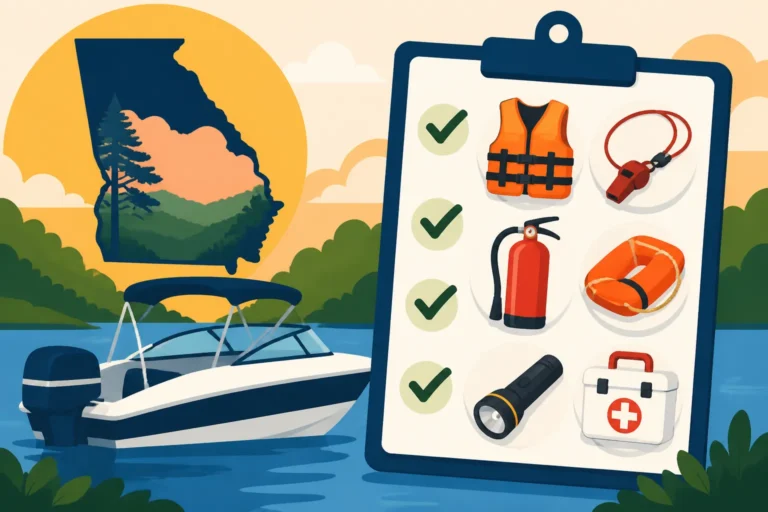
It's also highly recommended to take a boater education course, especially if you're new to operating a vessel. Many states, including Georgia, have requirements for who needs a Georgia Boater Education Card Requirements. These courses cover everything from basic boat handling to emergency procedures and, of course, the dangers of impaired operation. Knowing What Safety Equipment Is Required on a Georgia Boat is another critical aspect of being a responsible boater. For instance, ensuring you have enough How Many Life Jackets Do You Need on a Boat in Georgia for everyone on board, and that they are properly fitted, is non-negotiable. Being prepared means you can focus on enjoying your time on the water, rather than worrying about a violation or, worse, an accident. Creating a comprehensive Safety Gear Checklist for a Day on Lake Lanier before you leave the dock can make all the difference.
Consider Alternatives to Alcohol on the Water
While the allure of a cold beverage on a hot day is strong, consider limiting or completely avoiding alcohol when you're the one in charge of the boat. There are plenty of refreshing non-alcoholic options available that won't impair your judgment or reaction time. Water, sodas, iced tea, or sparkling cider can be just as satisfying and won't put you at risk of a BUI.
The sun, wind, and waves, often called "boater's fatigue," can amplify the effects of alcohol, making even a small amount more potent than it would be on land. This can lead to impaired balance, coordination, and judgment, all of which are crucial for safe boat operation. If you're planning a full day of fun that includes adult beverages, consider booking a charter with a professional captain or planning your outing to a location where you can safely leave your boat docked and use alternative transportation. Being smart about your choices beforehand can save you from a world of trouble and ensure your days on Georgia's beautiful waterways are nothing but pleasant memories.
| BUI Offense | Potential Fines | Jail Time | Boating Privilege Suspension | Other Penalties |
|---|---|---|---|---|
| 1st Offense | Significant | Up to 1 year | Minimum 1 year | Mandatory BUI school, probation, community service |
| 2nd Offense (within 10 years) | Higher | Minimum 2 days, up to 1 year | Minimum 3 years | Mandatory BUI school, clinical evaluation, ignition interlock, probation |
| 3rd Offense (within 10 years) | Very High | Minimum 15 days, up to 1 year | Minimum 5 years | Mandatory BUI school, clinical evaluation, ignition interlock, felony charge possible |
| BAC 0.08 – 0.14 | Standard BUI penalties | Standard BUI penalties | Standard BUI penalties | Standard BUI penalties |
| BAC 0.15 or more (High BAC) | Enhanced fines | Enhanced jail time | Enhanced suspension | More intensive evaluation and treatment |
| Under 21 (any BAC > 0.02) | Fines & jail (similar to adult) | Similar to adult | Similar to adult | Mandatory BUI school, longer suspension of driving license |
Note: Specific penalties can vary based on the court, judge, and other aggravating factors.
Disclaimer
This article is for general informational purposes only and does not constitute professional advice. Laws, prices and regulations vary by location and change over time. Consult a qualified professional for guidance on your specific situation.