The 1932 Georgia Record Largemouth Bass: 22 Pounds 4 Ounces
Every angler dreams of landing that one fish, the absolute monster that makes history or at least becomes the stuff of legend among friends. For Georgia anglers, that dream is forever etched with the incredible story of a largemouth bass caught way back in 1932, a fish that set a world record and has stood the test of time, inspiring generations. This guide will take a deep dive into that legendary catch, exploring the story behind the 22-pound, 4-ounce giant and its lasting impact on the fishing world.
The Legend Born in Lake Montgomery: A Historic Catch
Imagine a time when fishing gear was far simpler, when the world moved a little slower, and when a quiet afternoon on a small lake could turn into an unforgettable moment of angling history. That's the backdrop for the incredible story of George Perry and his record-breaking largemouth bass. This wasn't a catch made with today's advanced electronics or high-tech fishing lines; it was pure skill, a bit of luck, and the perfect conditions converging at the right moment.
The Angler and the Moment
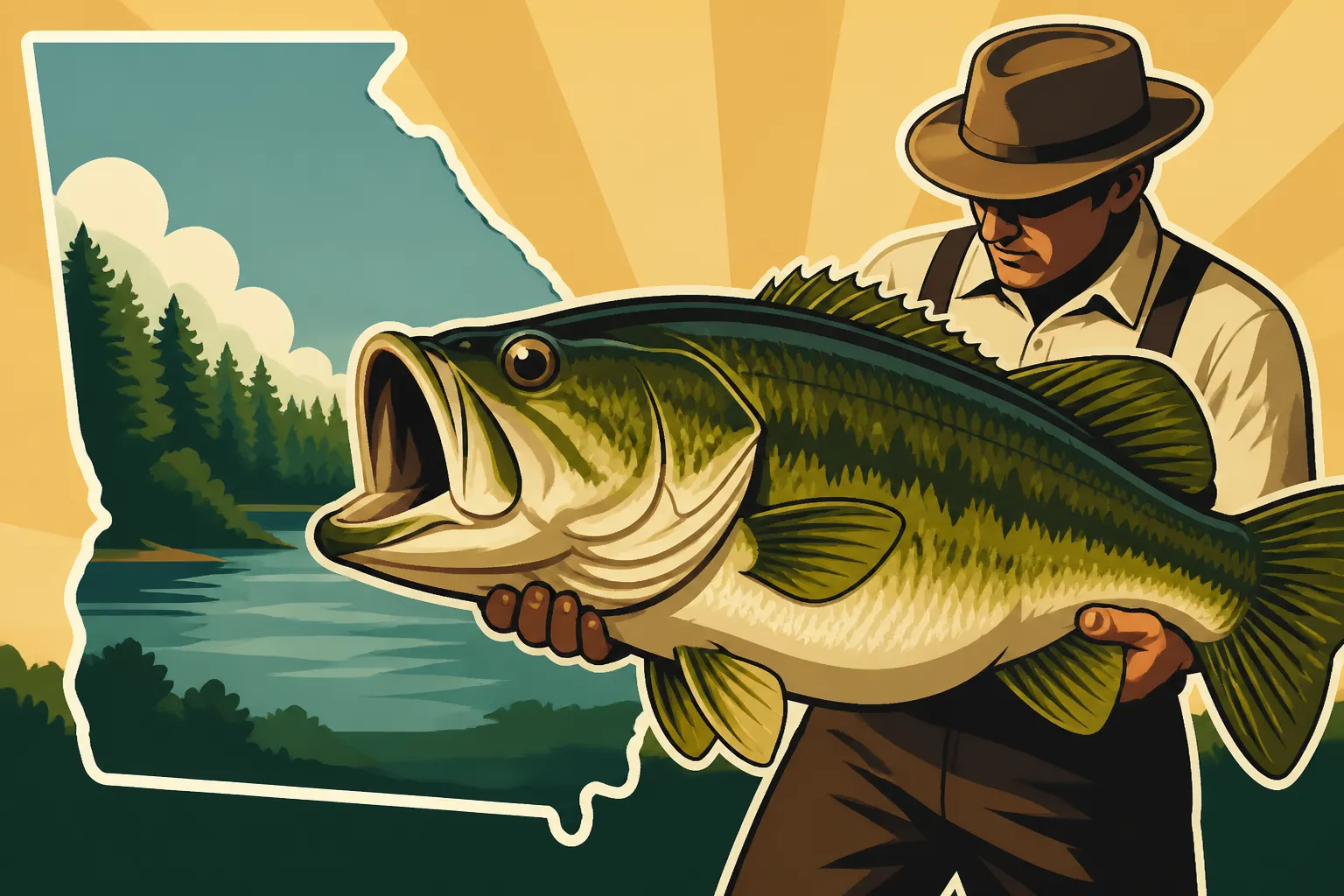
On June 2, 1932, George Perry, a farmer from outside McRae, Georgia, decided to spend a humid afternoon fishing on Lake Montgomery, a small oxbow lake off the Ocmulgee River near Lumber City. He was using a simple rod and reel, a sturdy line, and a Creek Chub Wiggle Fish lure—a classic topwater bait of the era. The details of the fight are sparse, but you can imagine the sheer shock and adrenaline when he hooked into something truly colossal. The water must have exploded as this massive fish thrashed, pulling with a power that would test any angler, let alone one with gear from the 1930s. Landing a fish of that size from a small boat or from the bank would have been an epic struggle, requiring patience, strength, and a clear head.
The moment he finally brought it into his boat, the sheer scale of the fish must have been astounding. This wasn't just a big bass; it was a beast, far larger than anything anyone had seen before. There's a certain romance to the idea of a simple farmer, out for an afternoon of fishing, stumbling upon a moment that would forever change the sport. It reminds us that sometimes, the greatest treasures are found in the most unexpected places, proving that you don't need fancy equipment to make history, just a passion for the water and a little bit of good fortune. Best Rods and Reels for Georgia Largemouth Bass might be different today, but the thrill of the fight remains timeless.
Why This Record Still Echoes Today
The 22-pound, 4-ounce largemouth bass George Perry caught became an instant sensation, not just in Georgia but across the fishing world. It set a new world record that stood for an incredible 77 years, a testament to the fish's monumental size and the pristine conditions that allowed it to grow so large. Even after its official world record status was tied by another angler in Japan in 2009, Perry’s catch remains the enduring benchmark for largemouth bass size in North America. Its legacy is more than just a number; it's a legend that fuels the dreams of every bass angler in Georgia and beyond.
This fish represents the pinnacle of what a largemouth bass can become, a testament to the potential of our waters. It inspired generations of anglers to dream bigger, to pursue trophy fish, and to explore the hidden depths of their local lakes and rivers. You can still hear stories about "Perry's bass" around tackle shops and boat ramps, a whisper of hope that another giant might still be lurking out there. It’s a powerful reminder that even after decades, the spirit of angling adventure and the pursuit of that once-in-a-lifetime catch remains as strong as ever. The pursuit of Largemouth Bass Fishing in Georgia: The Complete Species Guide often starts with stories like this.
The Fish Itself: A True Giant of the Depths
What does it take for a largemouth bass to grow to such an extraordinary size? It's not just about age; it's a perfect storm of genetics, abundant food sources, and an undisturbed environment that allows a fish to thrive without excessive pressure. The 1932 record bass wasn't an anomaly in a struggling fishery; it was likely the product of a very healthy and balanced ecosystem.
Anatomy of a Record-Breaker
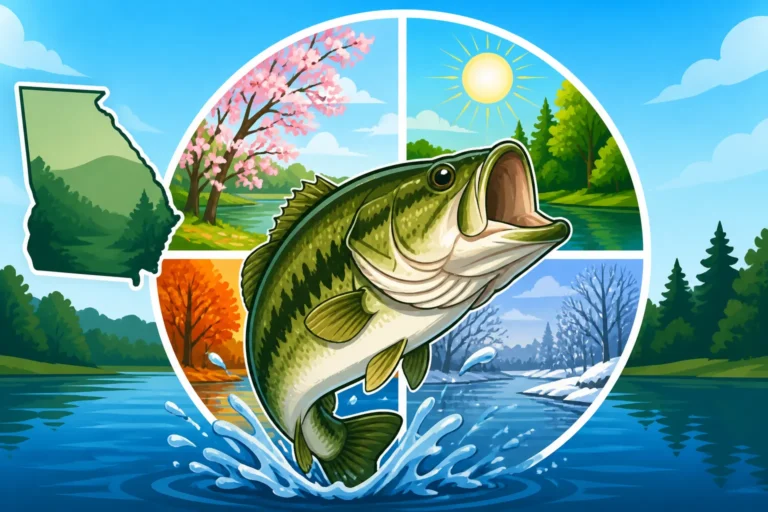
A 22-pound, 4-ounce largemouth bass is not just a big fish; it's a truly massive specimen, a fish that has beaten incredible odds to reach such an advanced age and impressive girth. These giants typically boast a deep body, a broad head, and a jaw that could engulf sizable prey. Their scales are often dark and rich in color, reflecting years spent in deep, shadowy waters. To reach this size, a bass would have needed a combination of exceptional genetics for rapid growth, an uninterrupted supply of high-protein forage, and minimal stress from angling pressure or environmental changes.
Think about it: this fish would have had to evade predators (including other large fish and even birds of prey) for many years, successfully spawn multiple times, and consistently find enough to eat to pack on the pounds. It would have been the apex predator in its immediate environment, a true king of its domain. The average largemouth bass might grow to 3-5 pounds, with a 10-pounder being considered a trophy. A 22-pounder is in a league of its own, a testament to what's possible when conditions are just right. If you want to understand more about what makes these fish tick, checking out resources like How to Identify a Largemouth Bass can give you a better appreciation.
The Ecosystem of Lake Montgomery in 1932
Lake Montgomery, in the early 1930s, was likely a pristine and incredibly fertile environment. Oxbow lakes, formed from old river channels, are often rich in nutrients and provide ideal habitat for a variety of fish species. Back then, there would have been far less development around the lake, meaning minimal runoff and excellent water quality. The lake would have been teeming with abundant prey species like shad, sunfish, and smaller bass, providing a consistent and high-quality diet for a growing predator.
Consider the general fishing pressure of the time. While fishing was a popular pastime, it wasn't the widespread, high-pressure sport it is today, especially on smaller, more remote bodies of water. A giant bass like Perry's likely faced little to no angling pressure during its formative years, allowing it to grow old and wise without repeated encounters with hooks and lines. The lack of modern fishing techniques, widespread electronics, and intense tournament fishing meant that fish could grow undisturbed. This confluence of rich food sources, ideal habitat, and low pressure created the perfect nursery for a truly legendary fish. This environment is very different from what you might find today, making the record even more impressive. Largemouth Bass Size and Growth in Georgia Lakes has surely changed over time due to various factors.
The Quest for the Next Record: Chasing Giants in Georgia
While George Perry's record stands as a monumental achievement from a bygone era, the dream of catching a giant bass is very much alive today. Anglers across Georgia are constantly honing their skills, exploring new waters, and pushing the boundaries of what's possible in pursuit of their own personal best, and perhaps, the next world record.
Understanding What It Takes to Catch a World-Class Bass Now
Catching a truly world-class bass today requires a blend of historical knowledge, modern technology, and immense patience. Anglers spend countless hours studying Seasonal Bass Fishing Patterns in Georgia, understanding how water temperature, forage availability, and weather fronts impact fish behavior. They often employ advanced electronics, like side-imaging and down-imaging sonar, to locate subtle underwater structures where big bass lurk. The gear has evolved significantly, too. Modern rods and reels offer incredible sensitivity and strength, while lines are thinner, stronger, and more abrasion-resistant. Lures are more realistic and come in an astonishing array of designs, each tailored for specific situations.
Many dedicated trophy hunters will focus on specific techniques, like slow-rolling large swimbaits, dragging big jigs, or fishing oversized soft plastics in deep cover. It’s a meticulous process that often involves long hours on the water without a bite, all for the chance at that one explosive strike. Being prepared with a variety of quality lures and tackle, perhaps even ordering specialized items from Amazon, can make a real difference. The mental game is just as important: maintaining focus, trusting your instincts, and having the discipline to stick with a productive pattern even when it feels like nothing is happening. It's a continuous learning curve, always adapting to the fish and the environment. Getting the right gear, from a sturdy rod to reliable line, can be a game-changer, and many anglers turn to retailers like Amazon for their diverse selection.
Notable Georgia Waters Known for Big Bass
Even though Lake Montgomery was the home of the original record, Georgia boasts numerous lakes and rivers renowned for producing trophy largemouth bass today. These waters, while managed and fished much more intensely than in Perry's time, still offer the potential for giant fish.
| Lake/River Name | Primary Species for Trophy Hunting | Key Features for Big Bass |
|---|---|---|
| Lake Lanier | Largemouth, Spotted Bass | Deep, clear water, abundant baitfish, extensive submerged timber |
| Lake Oconee | Largemouth, Hybrid Striped Bass | Power generation warms water, numerous docks, ample cover |
| Lake Seminole | Largemouth | Grassy vegetation, shallow flats, hydrilla beds |
| West Point Lake | Largemouth | Riverine sections, standing timber, rock structure |
| Walter F. George Reservoir | Largemouth | Abundant hydrilla, offshore ledges, creek channels |
These aren't just names on a map; they are vibrant ecosystems where anglers spend countless hours chasing the dream. Lakes like Lanier are famous for their spotted bass, but still hold monstrous largemouth, often deeper than people expect. Lake Oconee, influenced by the warm waters of a power plant, offers extended seasons for big bass, particularly in the cooler months. Then there's Lake Seminole, in south Georgia, which is a classic shallow, grassy powerhouse for largemouth. Each body of water presents its own unique challenges and rewards, requiring different strategies and patience. Anglers often frequent websites and forums or even peruse books on Amazon to gather intelligence on these hotspots. The passion for Where to Catch Trophy Largemouth Bass in Georgia continues to burn brightly, fueled by the legacy of that 1932 giant.
The quest for a truly world-class bass is a never-ending journey for many, a tribute to the enduring allure of George Perry's legendary catch. Whether you're casting from the bank or navigating with a fully rigged bass boat, the hope of hooking into a fish that rivals the greatest of all time keeps us coming back to the water, season after season. And who knows, perhaps the next state, or even world, record is out there right now, just waiting for the right angler and the right moment. With a little bit of research, a lot of patience, and perhaps some specialized gear found on Amazon, that dream can become a reality.
Disclaimer
This article is for general informational purposes only and does not constitute professional advice. Laws, prices and regulations vary by location and change over time. Consult a qualified professional for guidance on your specific situation.