Best Bait for Redfish
There’s nothing quite like the thrill of chasing redfish along Georgia’s coast, but sometimes it feels like they’ve got a secret handshake for what they’ll actually bite. If you've spent frustrating hours casting, wondering why your bait isn't getting any love, you're not alone. This guide will cut through the confusion and walk you through the very best baits, both live and artificial, that consistently put redfish in the boat or on the hook, helping you crack the code to successful inshore angling.
Understanding Redfish Behavior: Why Bait Choice Matters So Much
Redfish, or red drum as they’re also known, are incredibly adaptable fish, but they’re also creatures of habit. They patrol certain areas, looking for specific types of prey, and understanding these patterns is absolutely crucial to picking the right bait. It’s not just about what they can eat, but what they expect to eat in a given situation. If you throw a big mullet into a shallow marsh where they’re usually grubbing on tiny crabs, you might be out of luck!
Redfish Habitat and Feeding Habits
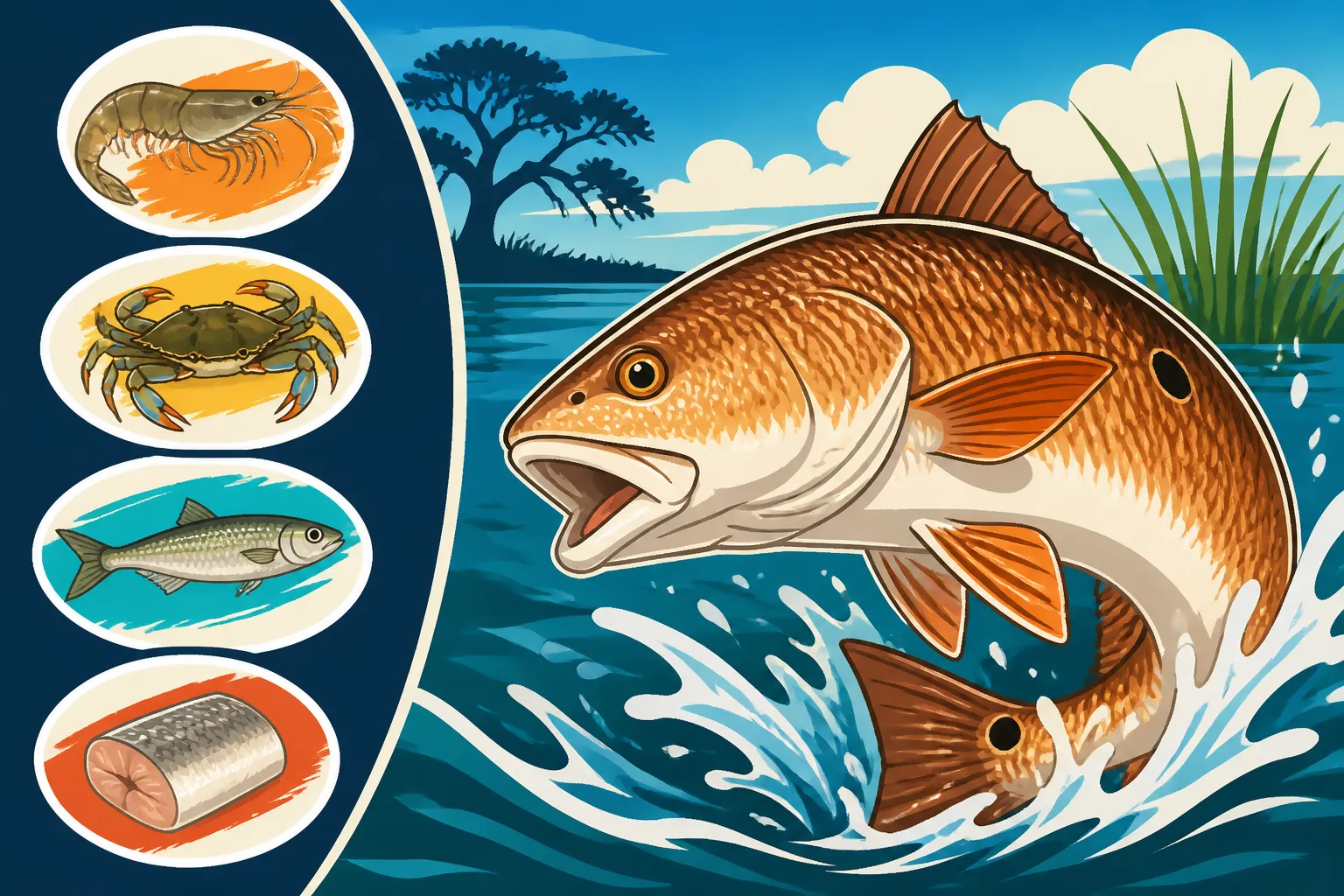
Georgia’s coastal waters are a mosaic of marshes, tidal creeks, oyster beds, and mud flats, and redfish thrive in all of them. They’re opportunistic feeders, meaning they’ll snap up pretty much anything that looks like an easy meal. However, their primary diet consists of crustaceans like shrimp and crabs, and small baitfish like mullet and menhaden.
In shallow, murky marsh environments, you’ll often see redfish "tailing" – their tails breaking the surface as they nose down into the mud to root out crabs and shrimp. This tells you they're focused on bottom-dwelling prey. In clearer, deeper channels or around oyster reefs, they might be more inclined to chase down a fleeing baitfish. Think about the environment you’re fishing in and try to match your bait to the natural offerings available. This "match the hatch" philosophy isn't just for trout fishing; it's hugely important for redfish too! When you're fishing in specific locations, knowing your target species is key. Check out How to Identify a Redfish for tips on distinguishing them from other coastal species.
Seasonal Influences on Redfish Diet
Just like us, redfish’s preferences can change with the seasons. Water temperature, baitfish migrations, and even spawning patterns can dictate what they’re most interested in.
- Spring and Fall: These are prime times for redfish, as water temperatures are moderate, and baitfish are abundant. Redfish are often aggressive and willing to chase a variety of baits and lures. Shrimp and small baitfish are usually excellent choices. This is when you can really dial in your success.
- Summer: The warm summer months can make redfish a bit more lethargic, especially during the heat of the day. They might move into deeper, cooler water or become more active during low light periods like dawn and dusk. Live bait, presented slowly, often outperforms fast-moving artificials. Crabs can be particularly effective during the summer.
- Winter: In colder water, redfish tend to school up in deeper creeks and channels, often near structure that offers warmth or protection. Their metabolism slows down, and they're less likely to chase. A slow-moving, subtle presentation with a small live bait like a mud minnow or a scented soft plastic can be deadly.
Understanding these subtle shifts in their behavior will give you a significant advantage, ensuring you're not just throwing bait, but throwing the right bait. For broader coastal fishing advice, our Coastal Georgia Fishing Spots Guide offers plenty of insights into where to find these fish year-round.
Top Live Baits for Redfish in Georgia
When in doubt, live bait is almost always a winner for redfish. There’s just something about the natural movement, scent, and struggle of a live offering that redfish can’t resist. It’s their natural diet, after all! If you’re serious about catching reds, you’ll want to have some of these on hand.
Shrimp: The Universal Redfish Snack
If there's one bait that transcends seasons and situations for redfish in Georgia, it's live shrimp. Seriously, redfish absolutely devour them. They’re a staple in the redfish diet, abundant in the salt marshes, and practically irresistible.
- Why they work: Shrimp offer a natural scent trail, subtle movements, and are exactly what redfish are looking for in the marsh. They’re easy to obtain from local bait shops and relatively easy to keep alive in a bait bucket with an aerator.
- How to rig them: There are a few popular ways to rig a live shrimp. You can hook them just under the horn (the hard spike on their head) to allow for natural swimming action. Alternatively, if you’re fishing around heavy cover or need a more secure presentation, hooking them through the tail (from the underside, just before the fan) can work well. This allows for a more erratic, "fleeing" action when retrieved slowly. Using a small jig head or a popping cork rig with a live shrimp underneath is a classic and highly effective method.
- When to use them: Anytime, anywhere! They’re particularly effective in shallow water, around oyster beds, and in tidal creeks. They're also fantastic for sight fishing tailing reds.
Fiddler Crabs and Mud Minnows: Local Delicacies
While shrimp are universal, fiddler crabs and mud minnows are fantastic "local" options that can be absolutely deadly, especially when redfish are being picky.
- Fiddler Crabs: These little guys are a redfish favorite, especially around oyster beds and marsh banks where they naturally scurry. Redfish will crunch them down whole.
- Why they work: They’re a natural food source in many redfish habitats. Their hard shell requires the redfish to really commit to the bite, leading to solid hookups.
- How to rig them: The best way to hook a fiddler crab is through the corner of their shell, carefully avoiding vital organs. Use a small, sharp circle hook or J-hook. You don't need much weight, often just a split shot or none at all if you're casting towards shallow banks.
- When to use them: Excellent for fishing around oyster bars, spartina grass edges, and any area where you see fiddler crabs scurrying about. They’re often stellar during the hotter summer months when redfish might prefer a slower, more substantial meal.
- Mud Minnows (or Bull Minnows): These hardy little fish are tough, stay alive a long time, and are a natural food source for redfish in the creeks and channels.
- Why they work: They’re incredibly resilient, putting out a lot of scent and action. Redfish just can’t resist a struggling mud minnow.
- How to rig them: Hook them through both lips from the bottom up, or gently through the back just behind the dorsal fin. Use a small J-hook or circle hook with minimal weight. They're great under a popping cork or free-lined near structure.
- When to use them: Fantastic year-round, but particularly good in cooler water when redfish might be sluggish. They're robust enough to withstand multiple casts and can often tempt stubborn reds.
Mullet and Fingerling Baitfish: Bigger Bites for Bigger Reds
If you're targeting larger "bull reds" or just want to entice a more aggressive strike, scaling up your bait size to small fish like mullet or menhaden can be very effective.
- Fingerling Mullet/Menhaden: These small baitfish are a significant part of the redfish diet, especially in open waters, deeper channels, and around inlet areas.
- Why they work: They provide a larger profile, appealing to bigger redfish, and their natural swimming action triggers predatory instincts.
- How to rig them: Hook live mullet or menhaden through the nose, or lightly through the back to keep them lively. Use a medium-sized circle hook, perhaps a 3/0 or 4/0, depending on the bait size. You can free-line them or use a small sliding sinker rig to get them down to the bottom.
- When to use them: Best for targeting larger redfish in deeper water, strong current areas, or where schools of baitfish are present. They're also excellent choices when fishing near points or inlets where redfish ambush passing prey. When pursuing larger fish, remember to check Georgia Fish Size and Creel Limits to ensure you're compliant with regulations.
Effective Artificial Lures for Redfish
Sometimes, live bait isn't practical, or you just prefer the challenge and action of artificial lures. The good news is that redfish hit artificials with gusto, especially in our Georgia waters. The key is to match the profile, action, and color to what they’re eating and the water conditions.
Soft Plastics: Versatility is Key
Soft plastics are, hands down, one of the most versatile and effective artificial lure categories for redfish. They can imitate shrimp, crabs, and baitfish, and you can rig them in countless ways.
- Paddle-tail Swimbaits: These imitate fleeing baitfish with a realistic swimming action.
- Why they work: The paddle tail creates a thumping vibration that redfish can feel, even in murky water. They come in a vast array of colors.
- How to fish them: Rigged on a jig head (1/8 oz to 1/4 oz is common, depending on depth and current), cast them out and retrieve with a steady retrieve, perhaps adding a few twitches. They’re great for covering ground and locating active fish. You can find excellent selections of soft plastics on sites like Amazon, making it easy to stock up on different colors and sizes.
- When to use them: Excellent for searching open flats, fishing along grass lines, and around structure. Natural colors (chartreuse, white, pearl) work well in clear water, while darker or brighter colors (root beer, dark green, glow) can be better in stained water.
- Shrimp Immitations: Designed to look and feel like a natural shrimp, these are redfish magnets.
- Why they work: They mimic the most common redfish forage perfectly, often infused with scent to further entice bites.
- How to fish them: Rigged under a popping cork or on a light jig head. With a popping cork, cast it out and give it a sharp twitch every few seconds to create a "pop" that sounds like a feeding shrimp. On a jig head, a slow drag-and-hop retrieve along the bottom is incredibly effective.
- When to use them: Perfect for situations where redfish are feeding on shrimp, especially around oyster bars, dock pilings, and shallow flats.
Spoons and Jigs: Flash and Action
Sometimes, redfish need a little more flash or a more direct presentation to get their attention. That’s where spoons and jigs come in handy.
- Spoons: Classic metal spoons have been catching redfish for decades, and for good reason.
- Why they work: The flash and wobble of a spoon imitate a struggling baitfish, drawing strikes from a distance. They cast like a bullet, allowing you to cover a lot of water.
- How to fish them: Simply cast and retrieve with a steady, moderate pace. Vary your retrieve speed until you find what the fish prefer. Some anglers like to add a twitch or pause occasionally.
- When to use them: Great for windy conditions, covering large areas of open water, or when redfish are actively chasing baitfish. Gold and silver are standard colors.
- Bucktail Jigs: These versatile lures offer a natural profile and can be fished in various ways.
- Why they work: The natural hair breathes and pulses in the water, creating an irresistible action. They're durable and effective.
- How to fish them: Cast and retrieve with a series of hops and drops, mimicking a struggling baitfish or a shrimp darting along the bottom. You can also tip them with a piece of shrimp for added scent.
- When to use them: Good for fishing deeper channels, around bridge pilings, or in areas with stronger currents.
Topwater Lures: The Thrill of the Strike
For pure adrenaline, nothing beats a redfish blowing up on a topwater lure. While not always the most productive, when conditions are right, it’s an unforgettable experience.
- Walking Baits and Poppers: These lures stay on the surface, creating commotion.
- Why they work: The "walk-the-dog" action of a walking bait or the "chug" of a popper creates a disturbance that draws aggressive strikes from redfish, especially during low light or when they're feeding on the surface.
- How to fish them: Requires a specific retrieve. For walking baits, a rhythmic twitch-twitch-pause of the rod tip makes the lure zig-zag across the surface. For poppers, a sharp downward snap of the rod tip creates a loud "pop."
- When to use them: Best used at dawn, dusk, or on overcast days in shallow, calm water. They are absolutely thrilling. If you're looking for gear, you can browse a wide selection of topwater lures on Amazon to experiment with different styles and colors.
Presenting Your Bait: Tips and Techniques for Success
Having the best bait in the world won't do you any good if you don't present it properly. Presentation is often the difference between a frustrating day and a fantastic one. Redfish are keen predators, and the way your bait moves (or doesn't move) can trigger or deter a strike.
Rigging Live Bait for Success
Proper rigging ensures your live bait stays alive and acts naturally, maximizing its appeal.
- Popping Cork Rigs: A classic and highly effective method, especially for shrimp and mud minnows. The popping cork helps suspend your bait at a desired depth and attracts attention with its "pop."
- Setup: Tie your main line to one end of the popping cork, then a leader (usually 18-24 inches of fluorocarbon) to the other end. At the end of the leader, tie on your hook.
- Technique: Cast near likely redfish holding areas (oyster reefs, grass lines). Let it sit for a moment, then give a sharp twitch of the rod tip to make the cork "pop" and splash. This mimics a feeding shrimp or a predator chasing bait, calling redfish in.
- Carolina Rigs: Perfect for fishing live bait (like mullet, crabs, or shrimp) on the bottom, especially in deeper channels or areas with stronger currents.
- Setup: Slide an egg sinker onto your main line, then tie on a swivel. To the other end of the swivel, attach a fluorocarbon leader (18-36 inches). Finally, tie your hook to the end of the leader. The sliding sinker allows the bait to move naturally with the current while the weight holds it near the bottom.
- Technique: Cast out and let the rig sink to the bottom. Slowly drag or drift the bait, allowing it to move naturally. When a redfish picks it up, let them run for a moment to ensure they’ve fully taken the bait before setting the hook.
- Free-lining: The simplest and often most effective method for lively baits like mud minnows or fingerling mullet when redfish are in very shallow water or when you want the most natural presentation possible.
- Setup: Simply tie your hook directly to your leader or main line, with no weight.
- Technique: Cast the bait where you expect redfish to be, letting it swim freely. This is especially good for sight fishing or casting to actively feeding fish. The natural movement is hard for them to resist.
Mastering Lure Retrieves
Artificial lures require an understanding of how to make them "come alive" in the water.
- Slow and Steady: Often, redfish prefer a slower retrieve, especially in cooler water or when they’re not actively chasing. This applies to soft plastics, spoons, and even some jigs. A slow, methodical drag or retrieve can be more effective than a fast one.
- Twitch and Pause: For many soft plastics and even some jigs, incorporating pauses and twitches can be deadly. Mimic a struggling baitfish or shrimp. Cast, let it sink, twitch, pause, twitch, pause. Many strikes happen on the pause.
- Bottom Drag: When using soft plastics or bucktails on a jig head, letting the lure hit the bottom and then dragging it along, occasionally hopping it, can simulate a crab or shrimp rooting in the mud. This is particularly good for tailing reds or fish hugging the bottom.
Remember, practice makes perfect. Experiment with different retrieve speeds and cadences until you find what the redfish are responding to on a given day. For anglers interested in coastal fishing, obtaining a Georgia Saltwater Fishing Permit Guide is essential before heading out.
Understanding Tides and Structure
Redfish are heavily influenced by tides and structure. Knowing where they'll be and when will greatly increase your chances, regardless of your bait choice.
- Tidal Flow: Redfish use tidal currents to their advantage, both for feeding and moving between areas.
- Incoming Tide: As the tide rises, redfish push into the shallow marshes and grass flats, following the water and looking for new food sources like fiddler crabs and shrimp that get uncovered. This is a great time to target them close to the banks with light tackle and stealthy presentations.
- Outgoing Tide: As the tide falls, redfish often stage at the mouths of creeks, oyster bars, and deeper channels, ambushing baitfish and crustaceans flushing out of the marshes. This can be an excellent time for targeting them with live mullet or larger artificials.
- Key Structures:
- Oyster Bars: These are redfish magnets, providing both food (oysters, crabs, shrimp) and protection. They’re excellent spots for live shrimp or soft plastic shrimp imitations.
- Grass Lines & Docks: Redfish patrol these edges looking for prey hiding in the cover. Cast your baits and lures along these lines.
- Creek Mouths & Points: These funnel points concentrate bait and create ambush opportunities for redfish. Position yourself to cast into the current and let your bait drift naturally.
Always consult local tide charts before you go. The tide dictates not just where the fish will be, but also how they’ll be feeding. And don't forget, if you're fishing in specific coastal areas, you'll need to know about Saltwater fishing permit rules on the Georgia coast. It's also worth noting that Georgia makes it easy to get your Georgia's Free Saltwater Fishing Permit which is a must-have for coastal anglers.
| Bait Type | Best Conditions / Target | Pros | Cons | Recommended Rigging |
|---|---|---|---|---|
| Live Shrimp | All-around, shallow marsh | Highly attractive, natural scent, versatile | Can be delicate, easily stolen by small fish | Popping Cork, Jig Head, Free-line |
| Fiddler Crabs | Oyster bars, marsh banks | Redfish favorite, tough bait | Hard to find/keep, slower presentation | Small Hook (under shell), Light Sinker |
| Mud Minnows | Cooler water, structure | Hardy, active, natural | Can be slow to find/catch | Popping Cork, Free-line, Carolina Rig |
| Fingerling Mullet | Deeper water, larger reds | Large profile, appeals to big fish | Requires cast net to catch, less versatile | Free-line, Carolina Rig |
| Soft Plastics (Paddle-tail) | Searching, grass lines | Versatile, weedless options, durable | Less natural scent, retrieve sensitive | Jig Head |
| Soft Plastics (Shrimp) | Shallow flats, oyster beds | Great imitation, often scented | Can be less durable than other soft plastics | Popping Cork, Jig Head |
| Spoons | Open water, windy days | Casts far, good flash, durable | Less subtle, can snag in heavy cover | Straight Retrieve |
| Bucktail Jigs | Deep water, strong current | Natural action, durable, heavy | Can snag, retrieve dependent | Hop & Drag, Steady Retrieve (tipped) |
| Topwater Lures | Dawn/Dusk, calm water | Exciting strikes, covers water | Less effective in choppy or deep water | Walk-the-Dog, Popping Retrieve |
Ultimately, becoming a successful redfish angler in Georgia involves a blend of choosing the right bait for the conditions, presenting it effectively, and understanding the local tides and habitats. Don't be afraid to experiment, and most importantly, enjoy the process of learning and adapting on the water! You'll be hooked on chasing those Georgia reds in no time.
Disclaimer
This article is for general informational purposes only and does not constitute professional advice. Laws, prices and regulations vary by location and change over time. Consult a qualified professional for guidance on your specific situation.