Live Bream vs Cut Bait for Flathead Catfish
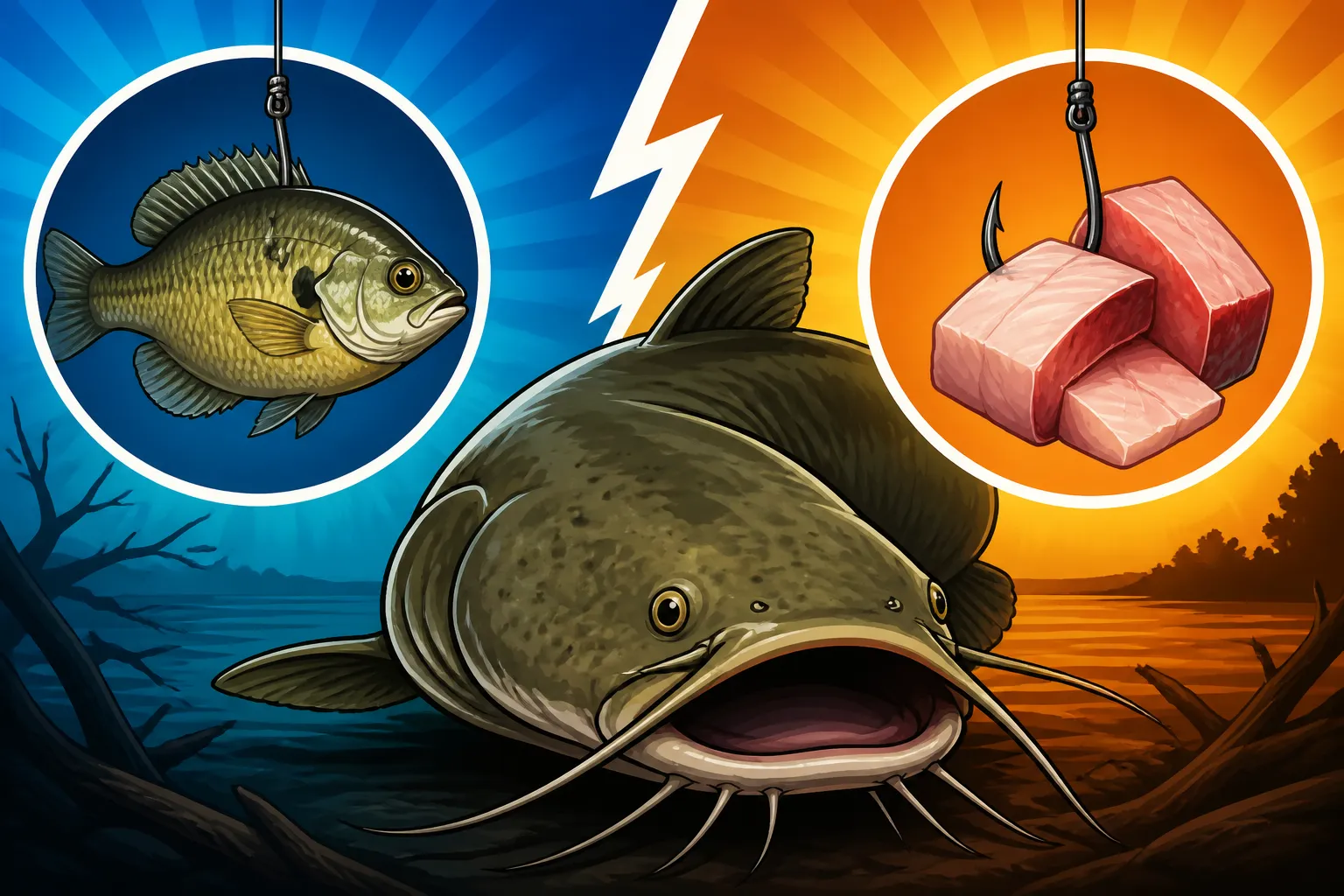
When you're chasing those monster flathead catfish in Georgia, one of the biggest questions that often keeps anglers up at night is whether to go with live bait, like a feisty bream, or to stick with the tried-and-true cut bait. It's a classic debate, and honestly, both methods have their ardent supporters and their moments to shine. This guide is here to break down the nuances of each, helping you understand when and why one might be a better choice than the other for wrestling in those incredible flatheads across our diverse Georgia waters.
The Allure of Live Bream: A Flathead's Favorite Meal
There's something incredibly satisfying about using live bait, especially when you know it's a natural prey item for your target species. For flatheads, a live bream swimming frantically on the end of your line is often an irresistible offering, mimicking their natural hunting instincts perfectly.
Why Live Bream Excels for Flatheads
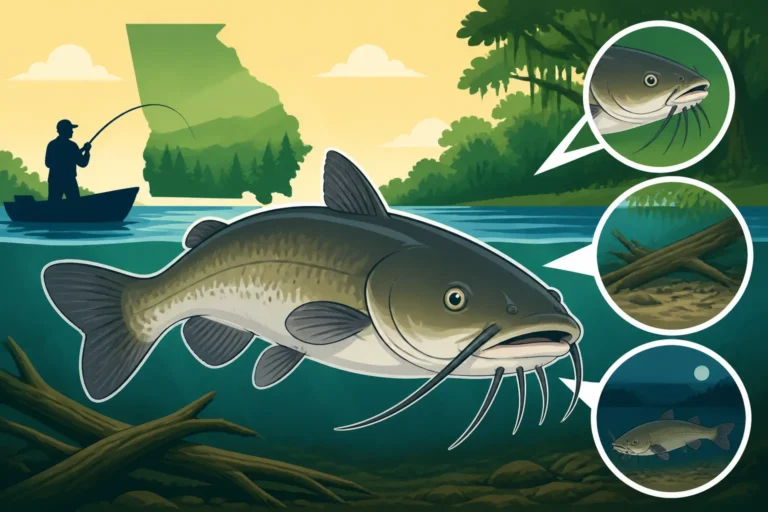
Flathead catfish are apex predators in their aquatic environments. Unlike their scavenger cousins, the channel and blue catfish, flatheads primarily feed on live fish. This instinct makes live bream a top-tier choice for many dedicated flathead anglers. The struggle and vibration of a live baitfish send out distress signals that flatheads are finely tuned to detect, even in murky water or low light.
Imagine you're out on the Altamaha River, the sun dipping below the tree line, and you've just cast a lively bluegill into a deep bend with plenty of submerged timber. That bluegill, frantically trying to escape, is creating a commotion that travels through the water. A flathead, hidden in the shadows of a logjam, feels those vibrations. It's not just a meal; it's a living meal, something it instinctually hunts. This natural presentation often triggers a more aggressive strike than an inert bait. Plus, you're using what's readily available in most Georgia waters, which can be a huge advantage. You can often catch your bait right where you plan to fish, ensuring it's fresh and acclimated.
Challenges and Considerations with Live Bream
While live bream can be incredibly effective, it's not always a walk in the park. One of the primary challenges is simply acquiring and keeping them alive. You need a good baitfish trap or a light fishing rig to catch your bream, and then a well-aerated livewell or bait bucket to keep them healthy throughout your fishing trip. A sickly or sluggish bream won't be nearly as enticing to a flathead.
Another consideration is the size of your bait. You don't want to use a bream so small that it gets swallowed by smaller fish, nor one so large that a flathead struggles to eat it, potentially leading to missed hooksets. You're typically looking for bream in the 4 to 7-inch range for most flathead fishing, but bigger flatheads can certainly handle bigger bait. Also, handling live bait can be a bit messy, and you need to be mindful of local regulations regarding baitfish collection and transport. Always check the Georgia Fishing Regulations Explained before you head out.
Rigging Live Bream for Success
When using live bream, your rigging needs to be robust enough to handle the bait's struggles and a potential flathead fight. A common and highly effective setup involves a large, sturdy circle hook (sizes 7/0 to 10/0 are typical, depending on bait size) threaded through the dorsal fin or the lips of the bream. Hooking through the dorsal fin, just above the lateral line, allows the bream to swim naturally and stay alive longer. Lip-hooking can also work, especially if you want the bait to swim near the bottom.
Use a heavy mono or fluorocarbon leader, typically 50-80 lb test, attached to your main line with a strong swivel. A heavy sinker (2-6 ounces, or more in strong current) on a Carolina rig setup keeps your bait in the strike zone near the bottom, while still allowing the bream some freedom of movement. Ensure your drag is set properly, as a flathead strike can be sudden and powerful. Heavy-duty rods and reels are a must when dealing with both large live bait and the powerful fish they attract. For good quality gear, you might look at options on Amazon that offer strong casting rods and high-capacity reels suitable for battling big catfish.
The Power of Cut Bait: Scent and Accessibility
While flatheads have a reputation for preferring live bait, cut bait can absolutely put fish in the boat, especially under certain conditions or for specific flathead behaviors. It's a different approach, relying heavily on scent dispersal, and it comes with its own set of advantages.
When Cut Bait Shines for Flatheads
One of the biggest advantages of cut bait is its incredible scent trail. When you slice open a baitfish, you're releasing a powerful plume of blood and oils into the water, which can attract flatheads from a significant distance. This makes cut bait particularly effective in situations where visibility is low – think muddy rivers after a rain, or deep, dark holes where a flathead might be more likely to rely on its olfactory senses than its sight.
Cut bait can also be incredibly convenient. It's easier to store and transport than live bait, and you don't have to worry about keeping it alive. For anglers who don't want to spend time catching bait or dealing with a livewell, cut bait offers a straightforward solution. Plus, sometimes flatheads, especially larger ones, will key in on the scent of an injured or dead fish, seeing it as an easy meal. This is particularly true if they've been in a competitive feeding situation or are in a more opportunistic feeding mood.
Types of Cut Bait and Their Preparation
The best cut bait for flatheads typically comes from oily, hardy fish found in the same waters. Shad, skipjack herring, and even larger bream (if allowed by regulations) are excellent choices. When preparing cut bait, you want to maximize the exposed surface area to release as much scent as possible.
You can use whole small fish, cut in half, or larger fish sliced into strips or chunks. For strips, make sure they're meaty enough to hold a hook securely. Chunks should be about 2-4 inches long, ensuring a good hook bite. Bleeding the fish before cutting can also enhance the scent trail. Some anglers even let their cut bait "sour" slightly, believing the stronger odor attracts more fish, though this can be a double-edged sword, as it can also attract non-target species. You'll want to check out Best Bait for Flathead Catfish in Georgia Rivers for more details on specific bait recommendations.
Rigging Cut Bait Effectively
Rigging cut bait is similar to live bait in its need for heavy-duty components, but with a slight difference in presentation. Again, a strong circle hook (often 8/0 or larger for substantial chunks) is key, ensuring the flathead hooks itself as it takes the bait. The hook should be fully exposed after inserting it into the meatier part of the chunk or strip.
The Carolina rig remains a favorite for cut bait, allowing the bait to lie naturally on the bottom while the weight holds it in place. However, some anglers also use a three-way swivel rig in heavier currents, with a heavy sinker on a dropper line and the cut bait on a shorter leader. This keeps the bait just off the bottom and allows it to drift slightly, presenting a more "natural" injured fish appearance. Whether using live or cut bait, presentation matters. Cast near structures like logjams, deep holes, or channel edges, which are prime Flathead Catfish Identification and Habits locations.
Live Bream vs. Cut Bait: Making Your Choice
Deciding between live bream and cut bait often comes down to a few critical factors: the fishing conditions, your specific location, and the behavior of the fish you're targeting. There's no single "best" answer for all situations.
Environmental Conditions and Flathead Behavior
- Water Clarity: In clear water, live bream often has the edge. Flatheads can see the struggling baitfish, and its natural movement is a powerful visual attractant. In murky or stained water, the strong scent of cut bait can be more effective, guiding flatheads to your offering when sight is limited.
- Current: In strong currents, live bream can struggle to swim effectively and might get swept away or tangled. Cut bait, particularly well-anchored chunks, can hold its position better and continue to disperse scent. However, a live bream might also be able to hold its own better in moderate current, providing more natural movement.
- Water Temperature: Flatheads tend to be more active and predatory in warmer water, making live bait especially effective during late spring, summer, and early fall. In colder water, their metabolism slows, and they might be less inclined to chase active prey. Here, the persistent scent of cut bait might tempt a more sluggish flathead looking for an easy meal.
- Time of Day: Night fishing is prime time for flatheads. Under the cover of darkness, both live bream and cut bait can be highly effective. The vibrations of live bait are still potent, and the scent trail of cut bait works equally well. Consider Night Fishing Techniques for Catfish for more specific advice.
Location, Location, Location
The type of water you're fishing can also influence your choice. On large reservoirs like Lake Lanier or Walter F. George Reservoir, where flatheads might be spread out, the broad scent trail of cut bait can help draw them in. However, if you're targeting specific, known flathead hideouts near cover, a precisely placed live bream might be more effective at triggering a quick strike. In rivers like the Flint or Ocmulgee, which have strong currents and varying depths, anglers often have success with both, adapting their choice based on the specific stretch of river and the current conditions.
Angler Preference and Convenience
Ultimately, personal preference plays a huge role. Some anglers simply enjoy the challenge and excitement of using live bait, from catching it to feeling that powerful strike. Others prefer the simplicity and ease of cut bait. If you're new to flathead fishing, cut bait might offer a less complicated entry point, allowing you to focus on learning casting, rigging, and identifying good spots without the added hassle of baitfish management. However, for those seeking the ultimate flathead challenge, live bream often feels like the purist's choice.
Here's a quick comparison to help you weigh your options:
| Feature | Live Bream | Cut Bait |
|---|---|---|
| Primary Appeal | Natural movement, distress signals | Strong scent trail, attracts from afar |
| Effectiveness | High in clear/moderate water, active flatheads | High in murky/deep water, sluggish/opportunistic flatheads |
| Acquisition | Requires catching (trap/rod & reel) | Often store-bought or pre-caught/frozen |
| Maintenance | Needs livewell/aeration, delicate | Easy to store, no live-keeping needed |
| Presentation | Mimics live prey, natural movement | Scent-based attraction, stationary or slow drift |
| Ease of Use | More involved, requires bait management | Simpler, less preparation on the water |
| Target Species | Highly specific for predatory flatheads | Can attract other catfish (blues/channels) too |
No matter which bait you choose, ensuring your tackle is up to the task is crucial. You'll want heavy-duty mono or braided line, strong leaders, and circle hooks that are large enough to secure your bait and provide a good hookset. Don't skimp on quality, especially when you can find reliable options for terminal tackle on Amazon. For more on getting set up, check out Best Catfish Gear for Georgia Rivers and Lakes.
Ultimately, the best way to determine whether live bream or cut bait is more effective for your flathead fishing adventure is to try both! Keep a log of your successes and failures, noting the conditions, bait used, and location. Over time, you'll develop a keen understanding of what works best for you and the specific waters you fish in Georgia. Good luck out there, and may your lines be tight!
Disclaimer
This article is for general informational purposes only and does not constitute professional advice. Laws, prices and regulations vary by location and change over time. Consult a qualified professional for guidance on your specific situation.