Where to Catch Trophy Blue Catfish in Georgia
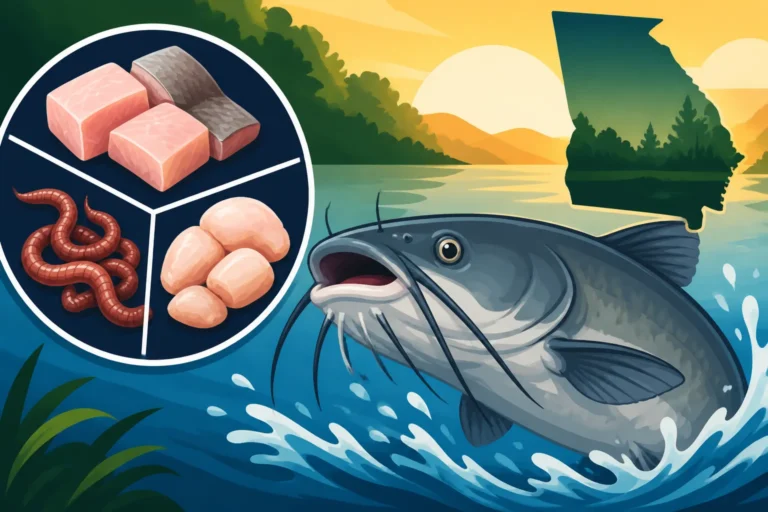
For many anglers in Georgia, the dream isn't just to catch a catfish, it's to land a truly massive, whisker-laden monster – a trophy blue catfish that makes your arms ache and your reel scream. It can feel like an impossible quest, especially when you're used to pulling in smaller channel cats. This guide is here to equip you with the knowledge of where exactly in Georgia these giants lurk and what it takes to bring them to your boat.
Understanding Georgia's Trophy Blue Catfish Potential
Before we dive into the prime locations, let's talk about what makes a blue catfish a "trophy" in Georgia. While any blue cat is a fun fight, a true trophy usually weighs in at 30 pounds or more, with many anglers setting their sights on fish breaking the 50-pound mark, or even approaching the state record. These are the giants that require specialized gear, patience, and a deep understanding of their habits.
What Constitutes a "Trophy" Blue Catfish?
When you talk about a "trophy" blue catfish, you're looking at fish that have had years to grow, often upwards of a decade or more, in environments rich with food and stable conditions. These aren't your average pan-sized cats. They possess immense power and girth, demanding respect and robust tackle. The thrill comes not just from the fight, but from the rarity of such a catch. Many anglers spend years chasing that one truly monumental blue cat, making each successful landing a story for the ages. It's not just about the weight, either; a thick-bodied, dark-colored specimen with battle scars often tells a story of its own.
Why Certain Waters Produce Bigger Fish
Not all waters are created equal when it comes to growing giant blue catfish. These fish thrive in large river systems and expansive reservoirs that offer deep channels, abundant forage, and minimal fishing pressure on the larger specimens. They need a steady diet of shad, herring, bream, and other baitfish to pack on the pounds. The sheer volume of water in these larger systems also provides ample space for them to roam and avoid predation, allowing them to reach truly impressive sizes. Furthermore, waters with consistent current or strong thermoclines in reservoirs can concentrate baitfish, providing ideal feeding grounds for growing blue cats. Understanding these ecological factors is key to targeting the right spots. You'll find a lot of useful information about the species in our guide, Blue Catfish Guide for Georgia Anglers.
Prime River Systems for Giant Blues
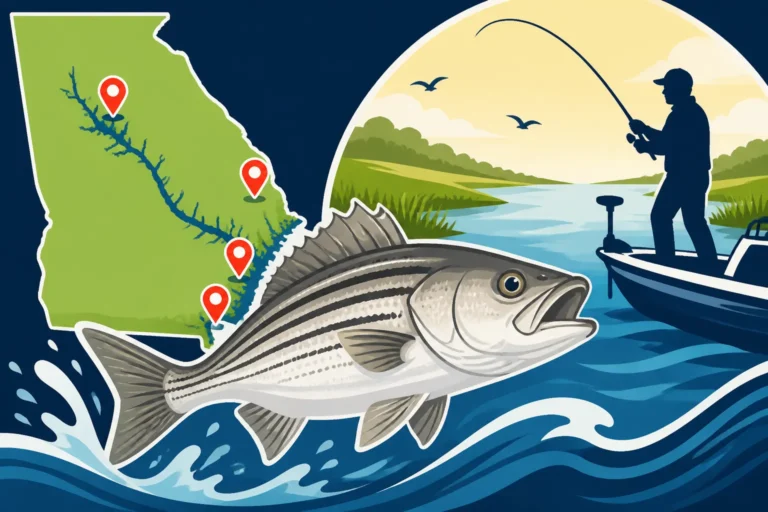
Georgia is blessed with several major river systems that are renowned for their incredible blue catfish populations, including some true giants. These rivers offer the deep channels, strong currents, and abundant forage that trophy blue cats crave.
The Savannah River
The Savannah River, particularly its lower stretches and the massive Clarks Hill Lake (also known as Lake Thurmond) formed by it, is a legendary blue catfish fishery. Anglers consistently pull out blues weighing 30, 40, and even 50 pounds here, with reports of even larger fish.
Lower Savannah River Below the Dams
Below the Thurmond Dam, the Savannah River offers diverse habitats with deep holes, scour channels, and abundant flow. This section provides a consistent food source and oxygen levels that big blue cats love. Focus your efforts around deep bends, submerged timber, and any significant structure that breaks the current. Look for areas where feeder creeks enter the main river, as these often concentrate baitfish. Fishing during periods of stable flow, especially early mornings or late evenings, can be incredibly productive. Fresh cut bait, like shad or bream, fished on the bottom with heavy tackle, is the go-to method.
Clarks Hill Lake (Lake Thurmond)
While technically a reservoir, Clarks Hill Lake is formed by the Savannah River and boasts an incredible blue catfish population. The sheer size of this lake, with its deep channels, vast flats, and extensive submerged timber, provides the perfect habitat for blues to grow enormous. Target the main river channel, especially around submerged humps, old roadbeds, and creek channels that feed into the main lake. During warmer months, blues will often relate to the thermocline, but in cooler seasons, they might be found shallower or in the deepest holes. Clarks Hill Lake Fishing Guide, Georgia has more details on this fantastic fishery. Setting up trotlines or jug lines in these deeper areas can be highly effective for covering more water and enticing these behemoths.
The Altamaha River
Known as Georgia's "Giant River," the Altamaha is another powerhouse for trophy blue catfish. Flowing unimpeded for much of its length, it offers vast stretches of wild, fertile water where blue cats can grow to impressive sizes.
Deep Holes and Backwater Sloughs
The Altamaha is characterized by numerous deep holes, oxbow lakes, and backwater sloughs that provide refuge and feeding grounds for large blue cats. These areas are often rich in submerged structure, like fallen trees and logjams, which attract baitfish and provide ambush points for predatory catfish. Navigating the Altamaha can be challenging due to its dynamic nature, so using detailed maps and a good depth finder is crucial. Focus your fishing efforts during falling tides in the lower river, as this can concentrate baitfish and make the blues more active. Further upstream, look for slow-moving deep water near swift current. For more information on this river, check out Altamaha River Fishing Guide.
The Ocmulgee and Oconee River Confluence
Where the Ocmulgee and Oconee Rivers merge to form the Altamaha, the habitat becomes incredibly rich and diverse. This confluence acts as a funnel for forage, making it a hotspot for trophy catfish. The increased water flow and mixing of nutrients create a vibrant ecosystem. Fishing the deeper sections just downstream of the confluence, especially during periods of stable or slightly falling water, can yield exceptional results. Large chunks of fresh cut bait, particularly shad or carp, are irresistible to the big blues that patrol these waters.
Top Reservoirs for Monster Blue Catfish
Beyond the major river systems, several of Georgia's large reservoirs also hold thriving populations of trophy blue catfish, offering excellent opportunities for anglers seeking a truly massive catch.
Lake Sinclair
Lake Sinclair, located near Milledgeville, is a fantastic spot for blue catfish, and it's particularly known for producing some seriously heavy fish. What makes Sinclair so good is its nutrient-rich waters and the abundance of forage, especially shad.
Main Lake Basins and Creek Channels
The main lake basins and the deeper creek channels that wind through Lake Sinclair are prime areas for targeting trophy blues. These fish will often patrol the edges of these channels, particularly where there are drop-offs, humps, or submerged timber. The lake's warmer winter temperatures, influenced by the power plant, can keep blue cats active year-round, making it a great winter fishing destination. Look for concentrations of baitfish on your fish finder, and you're likely to find blue cats lurking nearby. Using a boat to drift or anchor over these deeper structures with cut bait is often the most effective approach. Lake Sinclair Fishing Spots offers more insights into this productive lake.
Fishing Around the Power Plant Discharge
The discharge areas from the power plant on Lake Sinclair create warmer water plumes, especially in cooler months, which attract baitfish and, consequently, large blue catfish. These areas provide a consistent food source and a comfortable environment for the fish. While it can be a busy area, the fishing can be exceptionally good. Anglers often anchor just outside the immediate discharge zone and fish the currents with large cut baits. The increased activity in these areas often brings the bigger blues out to feed.
Lake West Point
Located on the Georgia-Alabama border, West Point Lake is another excellent reservoir for trophy blue catfish. Its vast size and diverse structure make it a prime habitat for growing big blues.
River Channel and Timbered Areas
The original Chattahoochee River channel, which runs through West Point Lake, is a key area for targeting trophy blue catfish. These fish will often relate to the deepest parts of the channel, especially where it winds through expansive timbered areas. The submerged trees provide excellent cover and ambush points. Using stout rods and reels capable of handling heavy fish in cover is essential here. Drifting slowly along the channel edges or anchoring on submerged humps and points that drop into the channel are effective strategies. Look for schools of baitfish, often seen as large clouds on your fish finder, as big blues won't be far behind.
| Georgia Trophy Blue Catfish Hotspots | Key Features | Prime Seasons | Common Forage | Best Tactics |
|---|---|---|---|---|
| Savannah River (Below Dam) | Deep holes, strong current, scour channels | Spring, Fall, Winter | Shad, Bream, Perch | Bottom fishing with cut bait |
| Clarks Hill Lake (Lake Thurmond) | Expansive, deep channels, submerged timber | Spring, Fall | Shad, Herring, Panfish | Drifting, anchoring, jug lines |
| Altamaha River | Deep holes, oxbows, logjams, natural flow | Spring, Summer, Fall | Shad, Carp, Bream | Anchoring, trotlines |
| Lake Sinclair | Nutrient-rich, warm discharge, creek channels | Year-round | Shad, Crappie | Drifting, anchoring, cut bait |
| Lake West Point | Chattahoochee channel, extensive timber | Spring, Summer, Fall | Shad, Bream, White Bass | Drifting, anchoring |
Essential Tactics and Gear for Trophy Hunting
Chasing trophy blue catfish isn't like casual panfishing. It requires specific techniques, robust gear, and a good understanding of what these big fish respond to.
Choosing the Right Bait and Rig
For trophy blue catfish, bigger is definitely better when it comes to bait. These fish are opportunists and scavengers, but they prefer a substantial meal.
Fresh Cut Bait is King
There's simply no substitute for fresh cut bait when targeting giant blues. Shad, skipjack herring, bream, carp, or even smaller portions of larger mullet work wonders. The fresher, the better. Cut the bait into large chunks, typically 2-4 inches, ensuring there's plenty of scent dispersal. Some anglers even use whole small shad or bream. Avoid frozen bait if possible, as it loses scent and firmness. This is a game of smell and size, and fresh bait outperforms everything else. For more on bait, check out Best Bait for Blue Catfish in Georgia Rivers.
Heavy-Duty Bottom Rigs
A simple but strong Carolina rig or a three-way swivel rig is generally preferred. You'll need substantial lead weights (3-8 ounces, sometimes more in strong current) to hold your bait on the bottom. For hooks, use strong, sharp circle hooks in sizes ranging from 8/0 to 12/0. Circle hooks are crucial as they are designed to hook the fish in the corner of the mouth, reducing gut hooking and making release easier for those truly massive fish you might not want to keep. The mainline should be 30-50 pound test monofilament or braided line, with a leader of similar or slightly lighter test to protect your main line from abrasion. You can find quality circle hooks and heavy line on Amazon.
Specialized Gear for Battling Giants
Landing a 50-pound catfish on tackle meant for bass fishing is a quick way to lose a fish and break your rod. Trophy blue cats demand appropriate gear.
Rods and Reels Built for Power
You'll need heavy-action catfish rods, typically 7 to 10 feet long, with a strong backbone to handle the immense pulling power of a large blue cat. Paired with these rods should be high-capacity baitcasting or spinning reels capable of holding hundreds of yards of 30-50 pound test line. Brands like Penn, Ugly Stik, or Abu Garcia offer reliable heavy-duty options suitable for this type of fishing. Look for reels with smooth, powerful drags that can withstand long, sustained runs. For specific recommendations, see Best Rod for Catfish Fishing on Georgia Rivers.
Essential Electronics and Safety Gear
A good fish finder and GPS are invaluable tools. Your fish finder will help you locate deep channels, submerged structure, and most importantly, schools of baitfish, which are indicators of where blue cats are feeding. GPS is essential for marking productive spots and safely navigating large rivers and reservoirs, especially at night or in unfamiliar waters. Don't forget safety gear: life jackets, a first-aid kit, and communication devices are a must, especially when venturing into remote areas. Having a large, sturdy landing net or a heavy-duty set of lip grippers is also critical for safely handling and landing these massive fish. You can find many of these items, like a robust landing net or specialized fishing pliers, on Amazon to ensure you're well-equipped.
Fishing Strategies for Success
Finding the right spot and having the right gear is only part of the equation. Employing effective fishing strategies dramatically increases your chances of landing that trophy blue catfish.
Anchoring vs. Drifting
Both anchoring and drifting have their place in trophy blue catfishing, and the best method often depends on the specific conditions and your target area.
Anchoring Over Productive Structure
If you've identified a specific deep hole, a pronounced drop-off, a submerged hump, or a significant logjam where you believe big blues are holding, anchoring directly over or just upstream of it can be incredibly effective. This allows you to present multiple baits in a precise location for an extended period. When anchoring, try to position your boat so that your baits drift naturally into the strike zone. Deploy several rods, fanning them out to cover a wider area. Patience is key here; sometimes it takes a while for the scent of your bait to attract a giant from its lair. This method is particularly useful in strong currents where drifting would be too fast to effectively present your bait.
Drifting Open Water and Channels
Drifting can be a highly productive technique for covering larger areas, especially expansive flats, river channels, or reservoir basins where blue cats might be scattered. By allowing your boat and baits to drift with the current or wind, you're actively searching for fish rather than waiting for them to come to you. Use a drift sock or sea anchor to control your speed, aiming for a slow drift that allows your bait to stay on the bottom. Pay close attention to your fish finder during the drift, noting any changes in depth, structure, or baitfish concentrations. When you get a bite, mark the spot on your GPS; if you catch a trophy fish, it's often worth repeating that drift or even anchoring in the vicinity. For more on how to drift for these big fish, see Bottom Fishing Basics.
Timing Your Trophy Hunt
Blue catfish can be caught year-round, but certain seasons and times of day tend to be more productive for larger fish.
Seasonal Patterns for Big Blues
Spring, as water temperatures rise, often signals an increase in feeding activity as blue cats prepare for the spawn. They can be found in a variety of depths, moving into shallower areas to feed before retreating to deeper water. Summer nights can be exceptionally good, as the cooler temperatures and reduced boat traffic encourage larger fish to feed more aggressively in shallower areas. Fall is another prime time, as fish bulk up for winter, becoming very active feeders. Even winter, particularly on warmer lakes like Sinclair or during mild spells, can yield huge fish in deep holes. Understanding these Seasonal Bass Fishing Patterns in Georgia for other species can sometimes provide clues for catfishing as well, though catfish are often less affected by minor changes.
Best Times of Day, Including Night Fishing
While early morning and late evening bites can be strong, especially in spring and fall, many trophy blue catfish anglers swear by night fishing. Under the cover of darkness, large blues often move into shallower areas to feed, feeling less exposed to predators and boat traffic. The low light conditions can also make them less wary of lines and baits. Night fishing requires extra preparation: good lighting, glow sticks for your rods, and extra caution on the water. However, the rewards can be immense. For those committed to chasing these nocturnal giants, How to Catch Catfish at Night and Do Catfish Bite Better After Dark? are essential reads. The peace and quiet of fishing under the stars, broken only by the scream of a drag, is an experience not soon forgotten.
Disclaimer
This article is for general informational purposes only and does not constitute professional advice. Laws, prices and regulations vary by location and change over time. Consult a qualified professional for guidance on your specific situation.