Georgia Fishing Regulations Explained
Stepping out onto a tranquil Georgia lake or casting a line into a rushing mountain stream is one of life's true pleasures, but nothing sours the experience faster than the nagging worry that you might be breaking a rule you didn't even know existed. Georgia's fishing regulations can feel like a labyrinth, with different rules for different species, varying limits by waterway, and special permits for specific types of fishing. This comprehensive guide is here to untangle that complexity, explaining Georgia's fishing regulations so you can focus on the catch, not the confusion.
Why Georgia's Fishing Regulations Matter to Every Angler
When you're out there, enjoying the peace and quiet of the water, the last thing on your mind is usually the intricate web of rules governing your hobby. But understanding and respecting Georgia's fishing regulations isn't just about avoiding a ticket; it's about being a responsible steward of our natural resources and ensuring that future generations can enjoy the same incredible fishing opportunities we do today. It's about preserving the very reason we love to fish in the first place.
Protecting Our Fisheries
Imagine if everyone just took as many fish as they wanted, whenever they wanted. Our lakes, rivers, and coastal waters would be depleted in no time, and the vibrant ecosystems that support these fish would suffer irrevocably. This is precisely why regulations exist. They are carefully crafted by wildlife biologists and conservation experts to ensure the sustainability of fish populations. By adhering to size limits, creel limits, and seasonal restrictions, you're directly contributing to the health and longevity of Georgia's diverse fisheries, from the prized largemouth bass to the elusive mountain trout.
These rules aren't arbitrary roadblocks; they're vital tools. For instance, minimum size limits ensure that fish have a chance to reproduce at least once before being harvested, securing the next generation. Creel limits prevent overfishing of popular species, spreading the bounty among more anglers. Even seemingly small regulations, like limits on certain types of bait or tackle in specific areas, are often in place to protect fragile habitats or vulnerable fish species during critical life stages. It's a collective effort, and every angler plays a crucial role in making it work.
Avoiding Fines and Legal Headaches
Let's be real: no one wants to deal with a hefty fine or, worse, potential legal consequences, all because of an honest mistake. Ignorance of the law is rarely an acceptable excuse, especially when fishing licenses and regulation guides are readily available. Fishing without a valid license, keeping undersized fish, or exceeding creel limits can lead to significant penalties. Fines for fishing without a license in Georgia, for example, can range from a few hundred dollars for a first offense to much more substantial amounts, potentially including court costs and even loss of fishing privileges for repeat offenders.
It's not just the financial hit; it's the hassle. Dealing with citations, appearing in court, and having that worry hanging over your head can ruin weeks, if not months, of your fishing season. Taking the time to familiarize yourself with the rules beforehand is a small investment that pays huge dividends in peace of mind. Think of it as part of your essential gear, just like your rod and reel. A quick glance at the official Georgia Department of Natural Resources (DNR) website or picking up a printed guide from a local bait shop can save you a world of trouble.
Understanding the Basic Georgia Fishing License Requirements
The first step to legal and responsible fishing in Georgia is almost always securing the proper fishing license. It’s the gate pass to our incredible aquatic playgrounds. While the idea of "another license" might feel like a bureaucratic hurdle, remember that the fees collected from these licenses directly fund critical conservation efforts, fish stocking programs, habitat restoration, and enforcement that keeps our waters healthy and productive.
Who Needs a License and Who Doesn't
Generally speaking, if you're 16 years of age or older and plan to fish in Georgia's public waters, you're going to need a fishing license. This applies to both freshwater and saltwater angling. However, there are a few important exceptions that can save you some hassle or a few bucks. For instance, residents born before January 1, 1927, are exempt from needing a fishing license. Also, landowners and their immediate family members can fish on their own land without a license, as long as the water is entirely on their property and not publicly accessible. Children under 16 years of age are always exempt from needing a fishing license, which makes it incredibly easy to introduce the next generation to the joys of angling!
It's important to differentiate between simply being on the water and actively fishing. If you're just enjoying a boat ride or kayaking without a rod in hand, you don't need a fishing license. However, if that paddle boat has a line trailing, you're fishing. There are also specific "Free Fishing Days" throughout the year, usually around holidays like National Fishing and Boating Week, where residents and non-residents alike can fish without a license. These are fantastic opportunities to try out fishing or introduce a friend to the sport without the upfront cost of a license. You can find out more about specific dates on the DNR website.
Resident vs. Nonresident Licenses
The cost and types of Georgia fishing licenses vary significantly depending on whether you are a legal resident of Georgia or an out-of-state visitor. Georgia residents, those who have resided continuously in the state for at least 30 days and have the necessary documentation (like a Georgia driver's license or state ID), typically pay a much lower fee for annual or lifetime licenses. These licenses offer the best value for frequent anglers.
Nonresidents, on the other hand, will find that their license fees are higher. This is a common practice across states, as residents' tax dollars already contribute to state services. However, Georgia does offer several convenient short-term options for nonresident anglers, such as 1-day, 3-day, or 7-day fishing licenses. These are perfect for vacationers or those just passing through who want to enjoy Georgia's renowned fishing for a limited period. You can easily purchase these online through the Georgia Wildlife Resources Division's licensing portal, often even right from your phone before you hit the water. Understanding these differences is crucial for any angler planning to fish in the Peach State, whether they call it home or are just visiting. You can learn more about Georgia Fishing License Costs and Types to find the best fit for your needs.
Diving Deep into Freshwater Fishing Rules
Georgia's freshwater fishing opportunities are incredibly diverse, from vast reservoirs like Lake Lanier and Lake Oconee to winding rivers like the Chattahoochee and Flint. With such a variety of habitats, it's no surprise that the rules can also vary. It's not a one-size-fits-all scenario, so paying attention to the details for your specific fishing spot is key.
Statewide Length and Creel Limits for Common Species
While many regulations are specific to certain bodies of water, there are statewide general regulations that apply to most freshwater species. These include minimum or maximum length limits and daily creel (bag) limits, which dictate how many fish of a particular species you can legally keep in a 24-hour period. For example, for species like crappie or bluegill, there might be a generous daily limit, while other species, especially certain types of bass or trout, will have much stricter rules designed to protect them.
It's absolutely essential to know these numbers before you cast your first line. Keeping an undersized fish or exceeding your daily limit can result in fines and the confiscation of your catch. Always carry a measuring device and, if you're unsure, practice catch and release. A small, retractable tape measure attached to your tackle box, or even a specialized fish ruler, can be a real lifesaver. You can find a detailed breakdown of Georgia Fish Size and Creel Limits for all common species on the DNR website.
| Species | Statewide Minimum Length | Statewide Daily Creel Limit | Notes |
|---|---|---|---|
| Largemouth Bass | 12 inches | 10 (combined) | Special limits apply on certain reservoirs; check local rules |
| Spotted Bass | None | 10 (combined) | |
| Shoal Bass | 12 inches | 10 (combined) | Specific river sections have higher minimums |
| Striped Bass | 27 inches | 2 | Specific reservoir rules may apply |
| Hybrid Striped Bass | 15 inches | 15 | |
| Black/White Crappie | None | 30 (combined) | |
| Channel Catfish | None | None | |
| Blue Catfish | None | None | |
| Flathead Catfish | None | None | |
| Bream/Sunfish | None | 50 (combined) | Includes bluegill, redbreast, shellcracker |
| Trout (General) | None | 8 (combined) | Much stricter rules for specific streams and DH waters |
This table provides a general overview. Always consult the latest Georgia Fishing Regulations Guide for specific, up-to-date rules as regulations can change.
Special Regulations for Specific Lakes and Rivers
Here's where it gets a little more complex. While statewide limits offer a baseline, many of Georgia's premier fishing destinations have their own unique regulations, often designed to enhance specific fisheries or address local ecological conditions. For example, major reservoirs like Lake Lanier, Lake Oconee, West Point Lake, and Lake Walter F. George often have different minimum length limits for largemouth bass than the statewide 12 inches. Lake Lanier, for instance, has a 14-inch minimum for largemouth bass, and Lake Lindsay Grace even has a special protected slot limit for bass to promote trophy fish growth.
Rivers, too, can have specific rules. The Flint River, famous for its shoal bass, has particular size limits for that species that differ in certain stretches. These localized rules are crucial for maintaining healthy fish populations in those specific, often heavily fished, waters. Before heading to a new lake or river, make it a habit to check the current Georgia fishing regulations guide, which is updated annually. Most local bait and tackle shops will also have copies, or you can download a PDF from the Georgia DNR website. It's truly your best friend on the water.
Exploring Trout Fishing Requirements
Trout fishing in Georgia, particularly in the cold, clear streams of North Georgia, is a world unto itself when it comes to regulations. Unlike general freshwater fishing, most serious trout fishing requires an additional "Mountain Trout License" or "Trout Stamp" on top of your basic fishing license. This add-on specifically funds the state's extensive trout stocking program and management of these sensitive cold-water fisheries. So, if you're planning to chase rainbow, brown, or brook trout, make sure you have this extra endorsement.
Beyond the license, trout streams are categorized with varying rules. You have "general regulation" streams, which have relatively standard limits, and then there are "Delayed Harvest" streams, which are catch-and-release only for a significant portion of the year (typically November 1 to May 15) before transitioning to a harvest season. Furthermore, some specific streams, like Noontootla Creek or Waters Creek, have their own ultra-conservative regulations regarding tackle, bait, and minimum length limits, often requiring artificial lures with single barbless hooks only. These highly specific rules are designed to create unique fishing experiences and protect wild trout populations. It's a lot to keep track of, but the rewards of catching a beautiful trout in a pristine mountain setting are well worth the effort of understanding the rules. Don't forget to review the Georgia Trout Fishing License Requirements before planning your trip.
Navigating Coastal Waters: Saltwater Fishing Regulations
Georgia's 100 miles of coastline, salt marshes, and barrier islands offer a completely different fishing experience, and with that comes a distinct set of regulations. From Brunswick to St. Simons Island, the saltwater environment demands its own approach to conservation and management. It's not just about fish species; it's also about protecting sensitive marine habitats.
The Importance of the Saltwater Information Permit
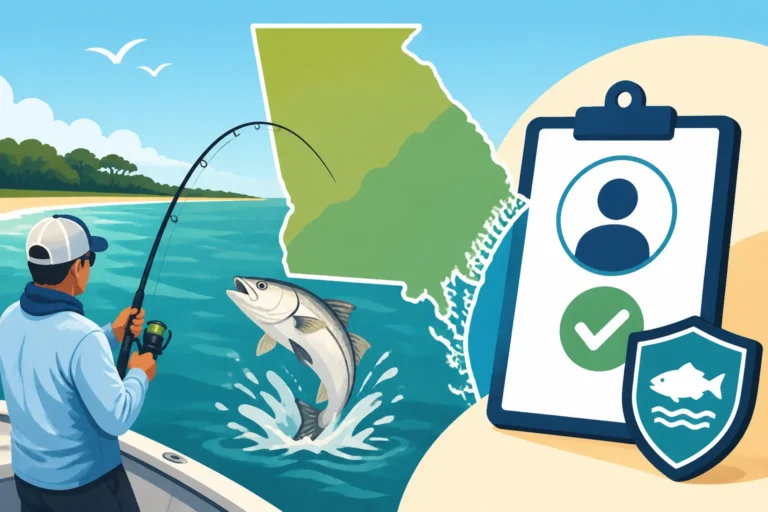
One unique requirement for saltwater anglers in Georgia is the free Saltwater Information Permit (SIP). Even if you have a valid Georgia fishing license (which covers both fresh and saltwater species), you must also possess this free permit if you're fishing in saltwater. It might seem redundant, especially since it doesn't cost anything, but it serves a crucial purpose: data collection. By requiring this permit, the Georgia DNR can gather vital information on the number of saltwater anglers and track fishing effort, which is essential for managing coastal fisheries effectively.
Getting the SIP is incredibly easy; it's just a quick click when you purchase your fishing license online, or you can add it to an existing license. There's no cost, and it ensures that state fisheries managers have the data they need to make informed decisions about species limits and seasons. Think of it as your contribution to marine conservation. Without this permit, even with a valid fishing license, you could face a citation from a DNR officer patrolling the coastal waters. So, don't overlook this simple, yet important, step when heading to the coast. The Georgia Saltwater Fishing Permit Guide can give you even more details.
Species-Specific Limits for Coastal Catches
Just like in freshwater, saltwater fishing has specific length and creel limits for various popular species. The rules are designed to protect commercially and recreationally important fish, ensuring sustainable populations for species like red drum (redfish), spotted seatrout, flounder, and various shark species. For example, red drum usually have a slot limit, meaning you can only keep fish within a certain size range, with smaller and larger fish being protected. Spotted seatrout also have minimum size limits and daily creel limits that fluctuate based on scientific assessments of their populations.
It's also important to be aware of seasonal closures for certain species, which are put in place to protect fish during spawning periods. For example, some species of snapper or grouper might have specific seasons when they can be harvested. Many coastal species also have federal regulations in addition to state rules, especially for species that migrate across state lines or are managed at a broader level. When heading out for a day of inshore or offshore fishing, it's always wise to consult the Georgia Saltwater Regulations Guide, which is typically found in physical copies at coastal bait shops or available digitally from the Georgia DNR website. Familiarizing yourself with these details before you drop a line ensures you're fishing responsibly and legally.
Specific Rules for Popular Georgia Fish Species
Georgia's waters teem with a diverse array of fish, each with its own quirks and, you guessed it, its own set of regulations. While we've touched on some general rules, it's worth taking a closer look at the species that draw most anglers to our state. Knowing these specific details is paramount for targeting your favorite catch without running afoul of the law.
Largemouth Bass, Spotted Bass, and Shoal Bass
These three species are often lumped together as "black bass," but they each have distinct characteristics and, sometimes, distinct rules. The largemouth bass, Georgia's official state fish, is found statewide in most warm-water lakes and rivers. The general statewide minimum length limit for largemouth is typically 12 inches, with a daily creel limit of 10 in combination with spotted bass. However, as mentioned, many of our trophy bass lakes, like Lake Lanier or Lake Oconee, implement a 14-inch minimum length limit to promote the growth of larger fish. Always check the specific lake regulations!
Spotted bass, often mistaken for largemouths, are common in the Coosa, Chattahoochee, and Savannah River systems. They generally have no statewide minimum length limit, and their creel limit is combined with largemouths. This can sometimes lead to confusion, so learning how to tell them apart is a valuable skill. Shoal bass, a uniquely Georgia species found predominantly in the Flint, Chattahoochee, and Ocmulgee Rivers, are typically river dwellers. They often have a 12-inch minimum length limit, but certain stretches of rivers, like the Flint below Warwick Dam, might have different specific regulations to protect these prized native fish. Respecting these variations helps maintain the health of these distinct bass populations.
Crappie and Panfish Rules
Crappie, whether black or white, are a favorite target for many Georgia anglers, particularly in the spring and fall. They're delicious to eat and provide excellent sport. Thankfully, the regulations for crappie are relatively straightforward statewide: there's generally no minimum length limit, and the daily creel limit is usually 30 fish (combined species). This generous limit reflects their abundance and reproductive capacity in many Georgia lakes like Lake Sinclair and Clarks Hill Lake.
Similarly, other popular panfish, such as bluegill, redbreast sunfish, and shellcracker (redear sunfish), which fall under the "bream" category, also have relatively relaxed rules. There's typically no minimum length limit, and a combined daily creel limit of 50. These fish are fantastic for introducing kids to fishing because they are abundant and relatively easy to catch. While the rules are simpler for panfish, it’s always good practice to check the annual regulations guide, as conservation efforts might occasionally necessitate adjustments based on population trends or local management goals. When gearing up for a crappie or panfish outing, even a simple hook and bobber setup will serve you well, and you can find great options on sites like Amazon.
Catfish Regulations and Gear
Georgia is a fantastic state for catfishing, with healthy populations of channel, blue, and flathead catfish in many of its major rivers and reservoirs. The good news for catfish enthusiasts is that general regulations for these species are quite liberal. Statewide, there are typically no minimum length limits and no daily creel limits for channel, blue, or flathead catfish. This means you can keep as many as you responsibly harvest, which is great news for those looking to fill a cooler for a fish fry.
However, while length and creel limits are open, there are rules regarding the methods you can use to catch them. For example, certain methods like trotlines or jug fishing are permitted for catfish in many waters, but they require specific permits, must be properly marked with your name and license number, and have limitations on the number of hooks and how long they can be left unattended. These methods are distinct from traditional rod and reel fishing and are regulated to ensure fair chase and prevent waste. Always consult the regulations for legal methods of harvest, especially if you're exploring techniques beyond a simple rod and reel. Understanding the specific nuances helps ensure your angling methods are both effective and legal.
Decoding Georgia's Trout Stream Regulations
Trout fishing in Georgia's North Georgia mountains offers some of the most beautiful and challenging angling experiences in the state. However, the pristine nature of these waters and the sensitivity of trout populations mean they come with some of the most detailed and specific regulations you'll encounter. It's not just about the license; it's about how and where you can fish.
General Trout Stream Rules and Catch Limits
For most trout streams in Georgia that fall under "general regulations," the rules are designed to allow for reasonable harvest while maintaining a healthy fishery. On these streams, once you have your basic fishing license and the required Mountain Trout License Add-On in Georgia, you're generally permitted a daily creel limit of 8 trout, regardless of species (rainbow, brown, or brook trout). There isn't a statewide minimum length limit for trout on general regulation waters, which means you can keep smaller, pan-sized trout if you wish, up to your daily limit.
However, even on these "general" streams, it's wise to practice responsible angling. Using artificial lures with single, barbless hooks often reduces mortality for fish you release. Always carry a net with a rubber or knotless mesh to protect the fish's slime coat if you plan to handle them, especially if you're going to release them. Being mindful of your impact ensures that these beautiful resources remain vibrant for future generations to enjoy. Remember, the fish you release is a fish that can be caught again, and can contribute to the fishery.
Delayed Harvest Streams: A Special Management Program
Georgia's Delayed Harvest (DH) trout streams are a truly unique and popular feature of our mountain fishing scene. These streams, which include well-known spots like the Amicalola Creek and the Toccoa River (in specific sections), are managed with a "catch-and-release only" period from November 1st to May 15th each year. During this time, you can only use artificial lures with single barbless hooks, and absolutely no bait is allowed. All trout caught during this period must be immediately released unharmed. This creates an incredible opportunity for anglers to experience high-quality catch-and-release fishing for larger, healthy trout that aren't being harvested.
After May 15th, the rules on Delayed Harvest streams switch. They transition to general trout stream regulations, meaning the creel limit of 8 trout applies, and bait and other tackle types become permissible. This seasonal change allows for harvest after the primary catch-and-release season, offering a different kind of angling experience. It's a fantastic management strategy that provides diverse opportunities for trout anglers. Always double-check the exact dates and rules for the specific Delayed Harvest stream you plan to visit, as they are strictly enforced. Information about Delayed Harvest Trout Streams in Georgia is readily available from the DNR.
Specific Creek Regulations You Need to Know
Beyond general and Delayed Harvest rules, some of Georgia's most cherished or sensitive trout streams have their own highly specific and often more restrictive regulations. These "special regulation" waters are managed to protect fragile wild trout populations, enhance trophy potential, or provide unique fishing experiences. For instance, Waters Creek in Lumpkin County often has an 18-inch minimum length limit for brook trout and a 16-inch minimum for rainbow and brown trout, with a reduced daily creel limit, and often mandates artificial lures only. Noontootla Creek in Fannin County is another example, frequently designated as catch-and-release only with artificial lures and single hooks, much like the Delayed Harvest rules, but year-round.
These very specific rules are critical for maintaining the ecological balance of these delicate ecosystems. Failing to adhere to them can have severe consequences for the fish populations and for your wallet. Before heading to any specific trout creek in the mountains, especially those known for trophy potential or wild trout, make it an absolute priority to consult the latest Georgia Sport Fishing Regulations guide. These detailed rules are often posted on signs at access points, but having the full guide with you, perhaps on your phone or a printed copy, is the best way to ensure you're fishing legally and responsibly.
Special Exemptions and Considerations for Anglers
While the general rule is "get a license," and the regulations can seem daunting, Georgia's DNR also builds in some thoughtful exemptions and special considerations. These aim to encourage participation, especially among new anglers and youth, and to recognize the contributions of certain groups. Understanding these can save you time and money.
Youth and Senior Fishing Privileges
Georgia makes it incredibly easy for young anglers to get hooked on fishing! As mentioned earlier, all children under the age of 16 are exempt from needing a fishing license in Georgia. This is a wonderful initiative that removes a barrier for families and educators who want to introduce kids to the outdoors and the joys of angling. You can take your little ones out for a day on the lake, casting for bluegill or bass, without any paperwork worries for them.
Seniors, too, receive special consideration. Georgia residents born before July 1, 1952, qualify for a free lifetime honorary fishing and hunting license. This is a fantastic recognition of their lifelong contributions to the state. For residents 65 years of age or older born on or after July 1, 1952, there are still significantly reduced-cost senior lifetime licenses available, or annual senior licenses at a very affordable rate. These senior licenses are comprehensive and often include privileges like the trout stamp. These programs aim to keep fishing accessible and enjoyable for our elder community members. Be sure to check the Senior Fishing License Rules in Georgia for full eligibility details.
Free Fishing Days and Other Exceptions
Beyond age-based exemptions, Georgia also hosts several "Free Fishing Days" throughout the year. These are specific dates, often tied to national holidays or conservation events, when anyone, resident or nonresident, can fish in Georgia's public waters without needing a license. These days are advertised well in advance by the Georgia DNR and are a fantastic opportunity to try fishing for the first time, introduce a friend to the sport, or simply enjoy a day on the water without the administrative step of buying a license. They're a great way to explore if fishing is for you before investing in a full license.
Other minor exceptions might include fishing on private ponds that are entirely contained within one landowner's property, or participating in certain licensed fishing events where the event organizer has secured a blanket permit. However, these are less common, and when in doubt, it's always safest to assume you need a license. It's also worth noting that while military personnel (both active duty and veterans) often receive discounts or special privileges in some states, in Georgia, standard resident/non-resident license rules generally apply unless a specific program is announced. Always verify any perceived exceptions with the official Georgia DNR regulations.
How to Stay Up-to-Date and Purchase Your Licenses
The world of fishing regulations isn't static; it evolves based on scientific data, conservation needs, and public input. Staying informed is just as important as knowing the rules today. Luckily, the Georgia Department of Natural Resources (DNR) makes it quite easy to access all the information you need and to secure your necessary permits.
Official Sources for Regulations
Your single most reliable source for up-to-date Georgia fishing regulations is the Georgia Department of Natural Resources, specifically their Wildlife Resources Division. They publish an annual Georgia Sport Fishing Regulations Guide, available both online and in print. The online version is fantastic because it's always the most current, and you can access it from your phone while you're out on the water. It’s a comprehensive document that covers everything from general statewide limits to specific lake and river rules, trout stream regulations, and saltwater species information.
Beyond the official guide, the Georgia DNR website (www.georgiawildlife.com) is a treasure trove of information. You can find sections dedicated to fish species, fishing reports, stocking schedules (especially helpful for trout anglers), and news updates about any regulation changes. Local bait and tackle shops are also invaluable resources; many will have printed copies of the annual guide and the folks working there are often lifelong anglers themselves, happy to share local insights and clarify rules. Don't be shy about asking questions when you visit a tackle store; they're usually a fount of knowledge and can help you pick up a copy of the regulations guide or even recommend a specific lure you might have seen on Amazon.
Easy Ways to Buy and Renew Your License
Purchasing or renewing your Georgia fishing license is remarkably convenient these days, offering several options to suit your preference. The easiest and most popular method for most anglers is to buy your license online. The Georgia Wildlife Resources Division's licensing website is user-friendly, allowing you to quickly select your license type (resident, nonresident, annual, short-term, etc.), add any necessary endorsements like the Mountain Trout License or the free Saltwater Information Permit, and complete the purchase with a credit card. Once purchased, you can print a copy, or simply save a digital version on your phone – your driver's license number often serves as proof of purchase if a game warden asks. Check out How to Buy a Fishing License Online in Georgia for a step-by-step guide.
If you prefer an in-person transaction, there are hundreds of authorized license agents located across Georgia. These include many sporting goods stores, local bait and tackle shops, and even some Wal-Mart or K-Mart locations. Just bring your Georgia driver's license or state ID, and the agent can help you purchase the correct license. You can also buy your license over the phone by calling the Georgia DNR's licensing unit during business hours. For annual licenses, you'll receive a reminder when it's time to renew, making it simple to keep your license current year after year. For example, some anglers like to set a reminder on their phone or calendar to coincide with the end of their license period, ensuring they don't accidentally fish with an expired permit and risk the Penalties for Fishing Without a License in Georgia.
Disclaimer
The information provided in this guide is for general informational purposes only and is subject to change. While every effort has been made to ensure accuracy, fishing regulations are dynamic and can be updated by the Georgia Department of Natural Resources. It is the angler's responsibility to consult the most current official Georgia Sport Fishing Regulations Guide published by the Georgia DNR prior to fishing. Always verify specific rules for the waters you plan to fish.