Black Crappie Identification: A Georgia Angler’s Guide
Have you ever been out on a beautiful Georgia lake, pulled in what you thought was a crappie, and then stared at it, scratching your head, wondering if it was a black crappie or a white crappie? You're not alone! It's a common dilemma for even seasoned anglers. This guide is here to help you confidently identify black crappie, understand their unique traits, and differentiate them from their white-bodied cousins, so you can adhere to regulations and simply enjoy your time on the water even more.
Understanding Crappie in Georgia Waters
Crappie are incredibly popular panfish here in Georgia, and for good reason. They’re feisty fighters, relatively easy to catch, and absolutely delicious on the dinner table. But before you fill your cooler, it's really helpful to know exactly what kind of crappie you’re holding. This isn't just about showing off your knowledge; it's about being a responsible angler and understanding the nuances of our incredible fisheries.
The Crappie Conundrum: Why Identification Matters
The truth is, many folks just lump both black and white crappie under the umbrella term "crappie." And while that's fine for casual conversation, it misses some important distinctions. Imagine you're out on Lake Oconee, and you've got a stringer full of what you believe are crappie. What if the regulations for black crappie were slightly different from white crappie in a specific body of water? While Georgia often has general crappie limits, understanding the individual species can sometimes influence specific lake rules or even just your fishing strategy. Knowing whether you're consistently catching black crappie versus white crappie can give you insights into the water quality, habitat, and even the forage available in your favorite fishing spot. It's like knowing whether you're targeting largemouth or spotted bass—they have different habits, and the same goes for our crappie. This deeper understanding just makes you a better, more informed angler overall.
Where Black Crappie Thrive in Georgia
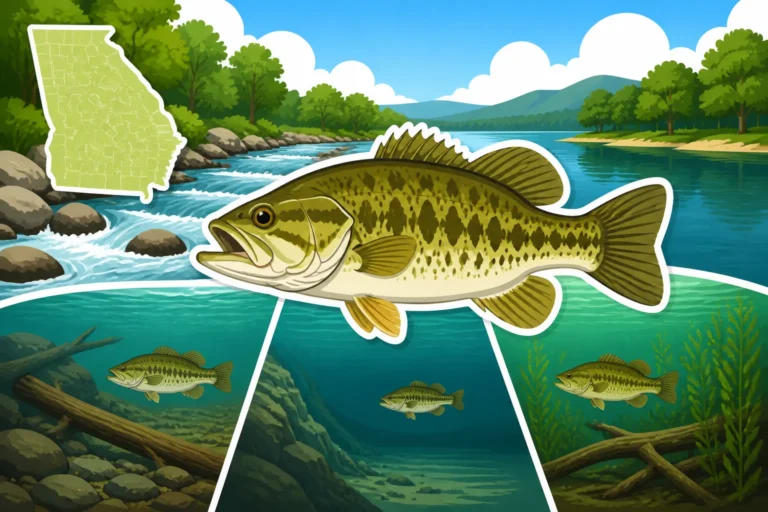
Black crappie, or Pomoxis nigromaculatus if you want to get scientific, are found throughout much of Georgia, particularly in our larger impoundments, reservoirs, and slower-moving rivers. They have a preference for clear, somewhat vegetated waters. Think about those beautiful coves on Lake Lanier or the lily pad fields in some of the smaller public fishing areas. If the water is a little murkier, or if there's less vegetation, you might be more likely to encounter their white crappie cousins, but black crappie definitely aren't shy about making themselves at home in a variety of environments. They really love areas with standing timber, brush piles, docks, and any kind of submerged structure that offers cover and ambush points for their prey. This preference for cover is a key behavioral trait that can often hint at their presence, even before you see them. Understanding where they like to hang out is half the battle in catching them, and knowing their preferred spots can make your fishing trips much more productive. You can often find them cruising just outside heavy cover, especially during the spring spawn when they move shallower.
Key Physical Characteristics of Black Crappie
Now let’s get down to the nitty-gritty of what makes a black crappie a black crappie. When you pull one into your boat or up onto the bank, there are a few tell-tale signs that, once you learn them, become second nature. Forget just guessing; we're going to arm you with the visual cues that will make you a crappie identification expert.
Dorsal Fin Spines: The Tell-Tale Count
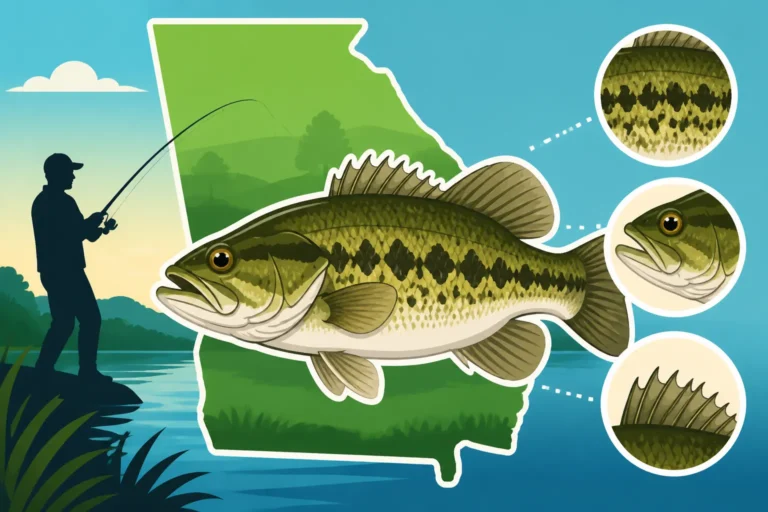
This is probably the single most reliable way to differentiate a black crappie from a white crappie. Seriously, if you learn nothing else, learn this! Gently count the rigid, sharp spines on their dorsal fin (that’s the fin on their back). For black crappie, you will almost always find 7 or 8 dorsal spines. White crappie, on the other hand, typically have 5 or 6 dorsal spines. This distinction is incredibly consistent across the species, making it an angler's best friend for quick identification.
When you're holding a crappie, just carefully spread that dorsal fin and run your finger lightly over the front edge, counting those stiff, bony rays. They’re pretty easy to feel and see. It’s a trick that tournament anglers use constantly when they're trying to figure out if they're on a black or white crappie pattern, and it works just as well for us recreational folks. Having a clear reference, like a laminated chart from a fishing guide or even a quick search on your phone (if you have service!), can be incredibly helpful when you're first getting the hang of it. Many anglers even keep a small, inexpensive magnifying glass in their tackle box, easily found on Amazon, to help with those close inspections, especially on smaller fish.
Body Shape and Coloration: More Than Just Spots
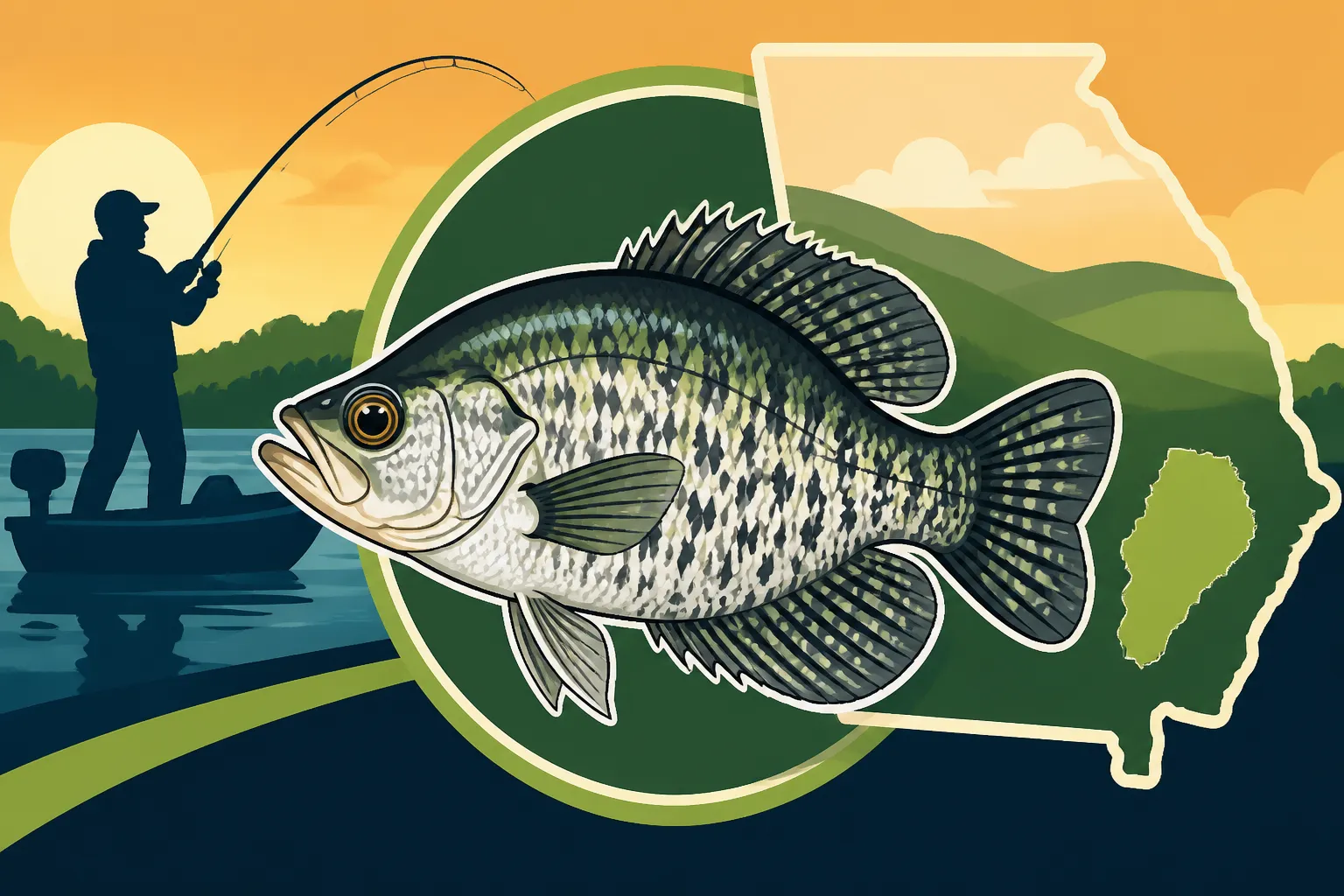
Beyond the fin count, black crappie also have some pretty distinct visual cues regarding their overall appearance. Their body tends to be more deep-bodied and disc-shaped, almost like a dinner plate, giving them a taller, more compact profile compared to the more elongated white crappie. The black crappie's coloring is generally darker, featuring a random pattern of dark, irregular spots and speckles all over their sides. These spots don't usually form distinct vertical bars like you might see on a white crappie. Instead, they look more like someone took a paintbrush and dappled them somewhat haphazardly.
The base color can range from silvery-green to a brassy yellow, especially if they're pulled from clear, dark-bottomed water. During the spawning season, particularly for males, these colors can intensify dramatically, becoming very dark, almost black, particularly around the head and gill plates. This darker, more mottled appearance helps them blend into their preferred habitat of submerged vegetation and stained water. It's quite beautiful to see the variety in their patterns, even within the same species. When you’re looking at a stringer of fish, the black crappie will often stand out as the more "spotted" and slightly "squatter" fish.
Mouth and Jaw Structure: What Do They Eat?
While less critical for basic identification, understanding the mouth and jaw structure can offer additional clues about a crappie's diet and behavior. Black crappie typically have a smaller, more upturned mouth compared to their white crappie counterparts. This mouth design is perfectly adapted for ambushing smaller prey from beneath, such as tiny minnows, insect larvae, and zooplankton. They are primarily sight feeders and tend to feed more often in clear water where visibility is good, allowing them to spot their prey effectively.
This difference in mouth structure hints at a slight difference in their feeding strategies. Black crappie are often found suspended in the water column or near cover, waiting for an unsuspecting bug or baitfish to swim by. When you're picking out crappie jigs or tiny spinnerbaits, knowing that black crappie tend to have a smaller mouth can guide your lure selection. You might opt for smaller, more delicate presentations, even a tiny spoon or a micro jig that mimics their natural forage. This small detail can be crucial for selecting the right tackle and presenting it effectively, especially when they're being finicky.
Distinguishing Black Crappie from White Crappie
Alright, this is where the rubber meets the road. Knowing the black crappie characteristics is one thing, but truly nailing the identification means being able to tell them apart from their close relatives, the white crappie. This can be tricky, especially when you're looking at fish that are similar in size or that have slightly unusual markings. However, once you learn the key differentiators, you'll be a crappie-identifying pro. We're going to dive into the clearest distinctions, so you're never left wondering again. If you're really serious about learning more, check out our deeper dive, Black Crappie vs White Crappie: How to Tell Them Apart.
Comparing Dorsal Fin Spines: The Easiest Indicator
As we mentioned earlier, the dorsal fin spine count is your absolute best friend when trying to tell these two apart. It’s consistent, clear, and rarely misleading.
- Black Crappie: Almost always have 7 or 8 dorsal fin spines.
- White Crappie: Typically have 5 or 6 dorsal fin spines.
Think of it like this: black crappie have more spines. This is a genetic trait that doesn't vary much, so it's a very reliable indicator. I’ve seen some anglers even carry a small, waterproof card with this fact written on it, just to quickly double-check when they're out on the water. It’s one of those bits of knowledge that truly separates the casual angler from someone who really understands the species they're pursuing. Next time you're fishing for crappie, make it a point to count those spines! It’s a simple exercise that builds confidence and knowledge. For an even more detailed comparison, be sure to read White Crappie Identification Guide.
Spotting the Patterns: Lateral Lines vs. Scattered Spots
While the dorsal fin spine count is definitive, the body coloration and pattern are also very strong visual cues, especially once you've seen a few of each species. This is often the first thing people notice, even before they start counting fins.
- Black Crappie: Their dark markings are typically irregularly scattered dark spots and speckles across their silvery-green or brassy-colored body. These spots do not form distinct vertical bars or lines. It’s more of a mottled, dappled look, as if someone splattered paint randomly across their sides. There's a certain beautiful chaos to their pattern.
- White Crappie: These fish are characterized by having distinct vertical bars or stripes along their sides. While they also have spots, these spots tend to align themselves into roughly 7 to 9 vertical bands, which can be quite pronounced, especially in healthy fish from clear water. Their overall body color tends to be lighter, more silvery, and less mottled than a black crappie.
This difference in patterning is a fantastic secondary indicator. You can usually tell at a glance if you're looking at a "spotted" black crappie or a "barred" white crappie. It's often where the common phrase Black Crappie Identification: Spots vs Stripes comes from! Some environmental factors, like water clarity or even stress, can slightly alter the intensity of these patterns, but the underlying structure of the markings usually remains quite clear.
Head Shape and Snout Profile Differences
Another, albeit subtler, difference lies in the shape of their heads and the profile of their snouts. This takes a bit more practice to discern, but once you know what to look for, it becomes another helpful clue.
- Black Crappie: Tend to have a more concave or "dished-in" snout profile, meaning the area from the top of their head to their upper jaw is noticeably curved inwards. Their head often appears somewhat shorter and more rounded.
- White Crappie: Generally have a straighter, more elongated snout profile, without the distinct curve of a black crappie. Their head often appears longer and somewhat more pointed.
While this might seem like a minor detail, it contributes to the overall "look" of the fish. When you view them side-by-side, the difference becomes more apparent. The black crappie's dished snout gives it a more "bull-headed" appearance compared to the white crappie's sleeker profile. This is often correlated with their preferred feeding habits, with the black crappie's mouth being better suited for picking off prey from various angles in dense cover.
Size and Growth: Is One Bigger?
When it comes to size, both species of crappie can grow to impressive dimensions, especially in rich Georgia waters. However, there are some general tendencies worth noting.
- Black Crappie: Can grow quite large, and many state record crappie are indeed black crappie. They tend to be a bit more robust and heavy for their length. In Georgia, catching a "slab" black crappie is a true accomplishment. They can often reach lengths upwards of 12-15 inches, with some giants pushing even bigger.
- White Crappie: Also grow to large sizes, but on average, they might be slightly less robust for their length compared to black crappie. However, they are often found in larger schools and can be caught in higher numbers.
It's important to remember that individual growth rates are heavily influenced by environmental factors like food availability, water quality, and fishing pressure. So, while these are general observations, you might catch a massive white crappie or a smaller black crappie on any given day. But generally, if you're pulling in a consistently stocky, deep-bodied crappie, you might have a good population of black crappie on your hands. For more details on the typical sizes you can expect, refer to Black Crappie Size in Georgia Ponds and Reservoirs.
Here's a quick comparison table to help you keep things straight:
| Feature | Black Crappie | White Crappie |
|---|---|---|
| Dorsal Fin Spines | 7 to 8 | 5 to 6 |
| Body Shape | Deep-bodied, more disc-like, stocky | More elongated, slender |
| Coloration/Pattern | Dark, irregular scattered spots; no distinct bars | Lighter body with distinct vertical bars/stripes |
| Head/Snout Profile | Concave (dished-in) snout, shorter head | Straighter snout, more elongated head |
| Mouth Size | Generally smaller, more upturned | Slightly larger, more horizontal |
| Preferred Habitat | Clearer water, abundant vegetation, structure | Murkier water, less vegetation, open water |
Habitat and Behavior Clues for Identification
Beyond their physical appearance, the habitat a crappie is caught in and its general behavior can often provide strong hints about its species. Fish, like all creatures, are incredibly adapted to their environment, and these adaptations lead to distinct preferences. If you pay attention to these subtle clues, you'll not only identify your catch faster but also become a more effective crappie angler.
Preferred Water Conditions and Structure
Black crappie are truly creatures of cover and clear water. They thrive in environments where they can ambush prey and hide from larger predators.
- Clearer Water: If you're fishing a lake or pond with good water clarity, where you can see down a few feet, you're often in prime black crappie territory. They rely heavily on their eyesight for feeding, so clearer water is a significant advantage for them. This doesn't mean you won't find them in stained water, but they tend to dominate in the clearer sections.
- Abundant Vegetation: Think lily pads, hydrilla, submerged timber, cattails, or brush piles. Black crappie absolutely love to relate to these types of cover. They'll hold tight to the edges, suspend within the thick stuff, or patrol the lanes between patches of weeds. This is where they find both food and sanctuary. If you're pulling crappie out of dense cover, there's a good chance they're black crappie.
- Structure: Docks, fallen trees, bridge pilings, and even old submerged foundations are all magnets for black crappie. They use these structures for shade, protection, and as ambush points. Jigging around the pilings of a dock or pitching a small jig into the shadows of a fallen tree is a classic black crappie tactic.
When you're actively searching for crappie, if you target these kinds of spots – the brushy coves, the standing timber, the clear water with plenty of vegetation – you're often putting yourself in the best position to encounter black crappie. Many anglers find the best crappie fishing spots right here in Georgia are those that offer abundant underwater structure.
Schooling Habits and Feeding Behavior
Understanding how black crappie school and feed can further aid in identification and, more importantly, in catching them!
- Smaller, Tighter Schools: While both crappie species are schooling fish, black crappie often form slightly smaller, tighter schools than white crappie. They tend to hold very close to structure, almost camouflaged within it. When you find one black crappie in a brush pile, you can bet there are usually a few more right there with it.
- Ambush Predators: As mentioned with their mouth structure, black crappie are classic ambush predators. They'll often suspend near cover, waiting for baitfish, minnows, or insects to drift by. They're less likely to chase down prey in open water compared to white crappie, who can be found more nomadic in larger schools. This means your presentation needs to be slow and precise, putting the bait right in their strike zone.
- Time of Day/Conditions: Black crappie can be caught throughout the day, but often exhibit strong feeding periods around dawn and dusk, or on cloudy days when light penetration into the water is reduced. They also tend to be more active feeders when the water temperature is within their preferred range. Understanding these subtle behavioral cues can make a huge difference in your success, helping you zero in on productive fishing windows.
If you’re consistently catching fish by slowly jigging in a dense brush pile, you're likely targeting black crappie. Conversely, if you're trolling baits through open water and picking up a lot of crappie, there's a higher probability that you're encountering white crappie. It's not a hard-and-fast rule, of course, but it's a good general guideline to keep in mind.
Why Accurate Identification Matters for Anglers
You might be thinking, "What's the big deal? A crappie is a crappie, right?" While in many casual fishing scenarios, distinguishing between black and white crappie might seem like a minor detail, it actually has some significant implications for serious anglers. From legal compliance to optimizing your fishing techniques, knowing exactly what you've caught can make you a more responsible and successful angler on Georgia's diverse waterways. Plus, it just feels good to know your stuff!
Adhering to Georgia's Fishing Regulations
This is perhaps the most critical reason for accurate identification. While many general fishing regulations for crappie in Georgia are universal, there can occasionally be specific rules that differ between species, or within particular bodies of water. Imagine a scenario where a certain lake has a slot limit for black crappie but not for white crappie, or perhaps a slightly different daily creel limit. If you can’t tell the difference, you might inadvertently violate regulations.
Understanding the various Georgia Fishing Regulations Explained is paramount for any angler. It's not about being a stickler for rules just for the sake of it, but about ensuring the sustainability of our fisheries. Regulations are put in place by wildlife agencies to protect fish populations and ensure healthy angling opportunities for everyone, now and in the future. By knowing your black crappie from your white crappie, you contribute to that conservation effort. Plus, avoiding fines and legal issues is always a good thing! Always double-check the current regulations for the specific body of water you're fishing before you head out, and if you're ever in doubt, the safest bet is always catch and release.
Enhancing Your Fishing Success
Beyond legality, accurate crappie identification can significantly improve your actual fishing results. Remember how we talked about habitat preferences and feeding behaviors? These aren't just academic facts; they are actionable intelligence for anglers.
If you're primarily catching black crappie, it tells you that your current location (clearer water, heavy cover, structure) and your fishing technique (slow presentations, jigs, targeting ambush points) are likely effective for that species. You can then double down on those strategies. Conversely, if you're consistently catching white crappie, you might consider adjusting to slightly murkier water, fishing open water flats, or trying a different presentation like trolling. This knowledge helps you understand why you're catching what you're catching, and how to replicate that success or adapt when conditions change.
For example, if you've done your homework and know that a particular spot is known for large black crappie, you can tailor your gear, like smaller, more finesse jigs, to match their typical feeding habits. Perhaps you even invest in a specialized crappie rod that helps you feel those subtle bites in heavy cover. Knowing the species helps you make more informed decisions about everything from lure selection (you can find a huge variety of crappie baits on Amazon) to choosing the best time of day to fish. It's all about putting the puzzle pieces together to maximize your time on the water, and knowing the fish you're targeting is a huge piece of that puzzle. For even more ways to boost your catch, consider learning How to Jig for Crappie.
Ultimately, becoming proficient in identifying black crappie (and distinguishing them from white crappie) is a valuable skill that speaks to a deeper appreciation for the sport of fishing and the incredible biodiversity of Georgia's waters. It transforms you from a casual participant into a knowledgeable steward of our natural resources, all while helping you catch more fish and have a more enjoyable time on the water. So next time you're out there, take a moment, count those spines, look at those spots, and confidently say, "Yep, that's a black crappie!"
Disclaimer
This article is for general informational purposes only and does not constitute professional advice. Laws, prices and regulations vary by location and change over time. Consult a qualified professional for guidance on your specific situation.