Brown Trout in Georgia: Where to Find Them
For many of us who chase trout in Georgia, there's a certain mystique surrounding brown trout. While rainbow trout are often eager to bite and brook trout hold a special place as our native gems, brown trout can feel like the elusive grand prize. They're warier, often larger, and have a knack for hiding in the most challenging spots. If you've spent countless hours casting without so much as a glimpse of their golden flanks, you're not alone. This comprehensive guide is here to unravel the mystery, helping you understand where these magnificent fish live in Georgia and how to consistently put yourself in a position to find them.
Understanding Brown Trout in Georgia
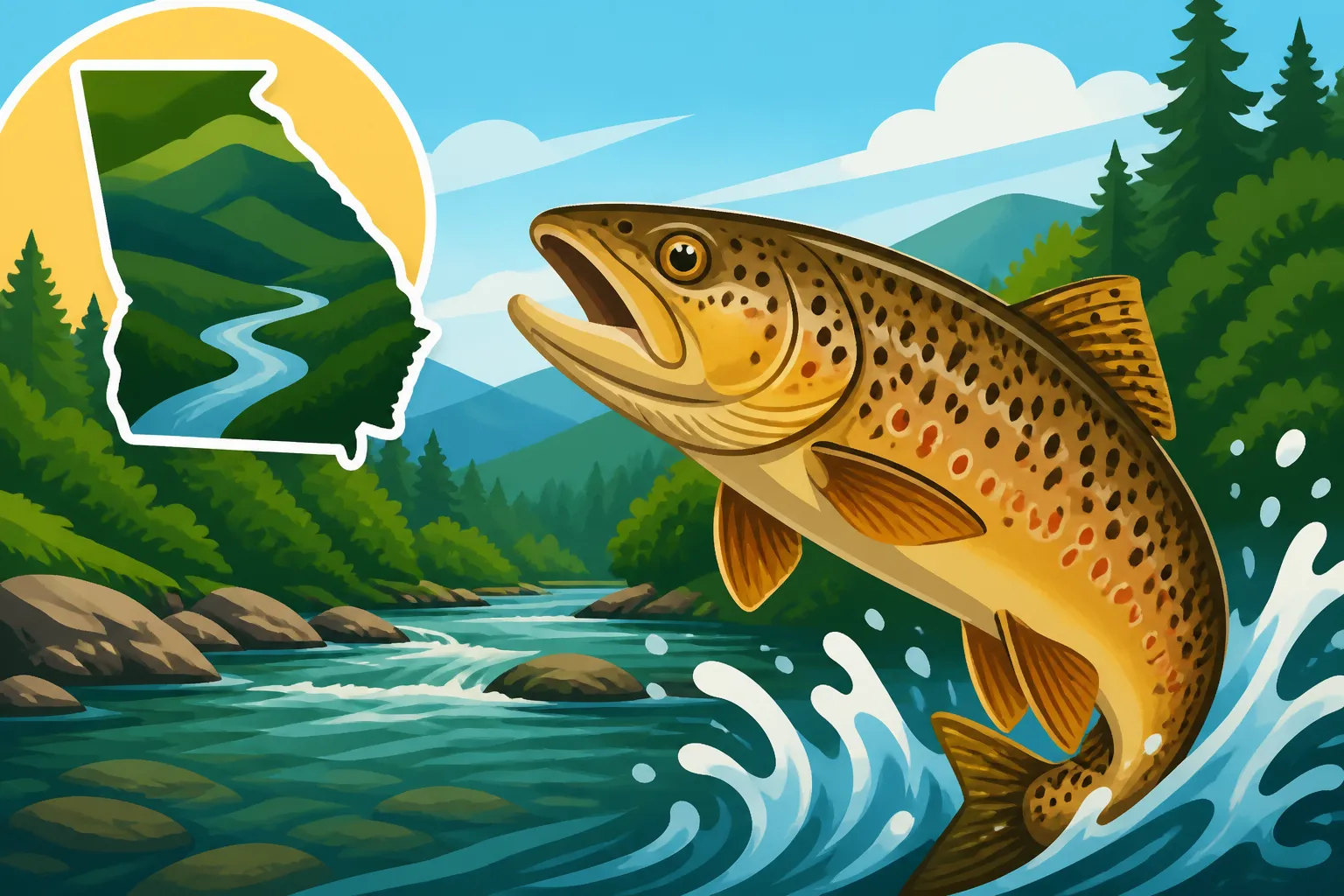
Brown trout, with their distinctive reddish-brown spots and often a yellowish belly, are a fantastic challenge for any Georgia angler. They aren't native to our waters, having been introduced from Europe, but they've certainly made themselves at home, especially in our colder, more oxygenated streams and rivers. Unlike some other trout species, browns are known for their resilience and their ability to grow to impressive sizes, making them a highly sought-after catch.
Brown Trout vs. Other Trout Species
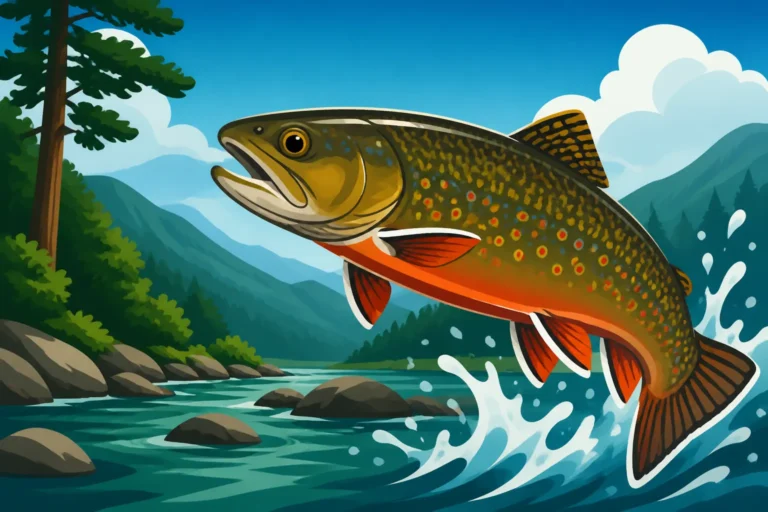
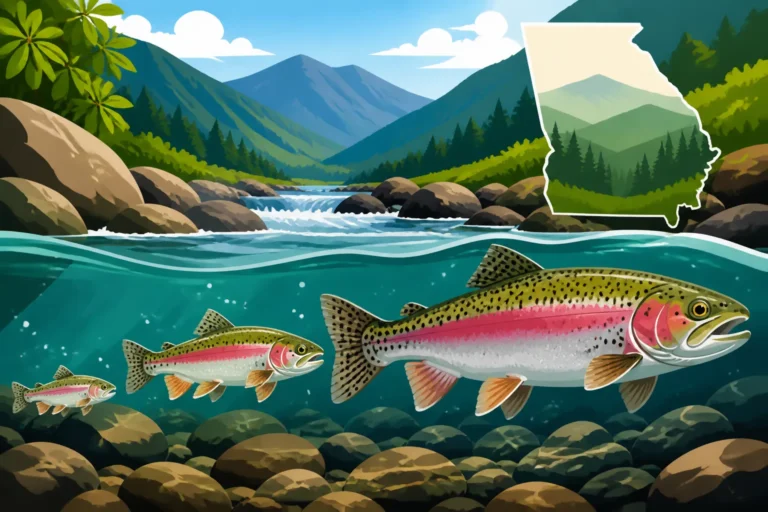
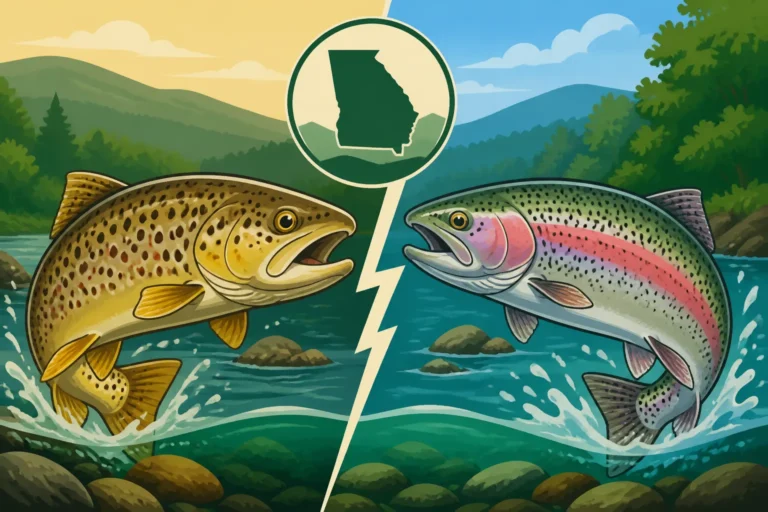
When you're out on a Georgia trout stream, it's easy to spot the differences if you know what to look for. Rainbow trout, often the most common catch due to stocking efforts, typically have a pink or red stripe along their sides and smaller, darker spots. Brook trout, our sole native species, are truly beautiful with their worm-like markings (vermiculations) on their backs, red spots with blue halos, and white leading edges on their fins. Brown trout, on the other hand, boast those prominent dark spots with lighter halos, and often some reddish-orange spots too. They're also notorious for being a bit more solitary and territorial than rainbows, especially the larger ones. If you're keen on the finer points, exploring Georgia Trout Fishing: Rainbow, Brown, and Brook Trout Explained can provide even more detail on how to differentiate your catches. This distinction isn't just about identification; it's crucial because their behavior and preferred habitats differ, meaning you need different strategies to find them.
Preferred Habitats and Behavior
Brown trout are creatures of comfort, and their comfort zone generally means cold, clean water. They thrive in streams and rivers that maintain consistent cool temperatures, even during our hotter Georgia summers. But beyond just temperature, they really love structure. Think about deep pools with plenty of cover: large boulders, fallen logs, submerged timber, and especially those inviting undercut banks where they can hide from predators and ambush unsuspecting prey. They're not usually fans of wide-open, shallow stretches. Instead, they prefer spots where they can tuck away, observe, and dart out for a meal. This often means they'll be found in slower, deeper runs adjacent to faster currents, or near eddies where food collects. Their behavior also leans towards the predatory; while they'll eat insects, larger browns aren't shy about chasing smaller fish, crayfish, or even mice that might fall into the water. This larger appetite contributes to their impressive growth potential.
Life Cycle and Spawning
The life cycle of brown trout in Georgia also plays a significant role in where we find them. Like most trout, they require cold, clear, well-oxygenated water with gravel beds for successful spawning. In Georgia, this typically happens in the fall, generally from late October through December, depending on water temperatures. During this time, they'll often move upstream into smaller tributaries or shallower, gravelly sections of the main river to lay their eggs. This upstream migration can make them more concentrated in certain areas for a period. After spawning, they'll disperse back into their holding lies, often recovering in deeper, slower pools. Understanding this seasonal movement can be a huge advantage for anglers looking to intercept them. For instance, while you typically won't target actively spawning fish (it's often discouraged or regulated to protect the population), knowing when and where they might be staging for spawning can help you understand their pre- and post-spawn locations.
Key North Georgia Trout Rivers for Brown Trout
North Georgia is undoubtedly the prime territory for brown trout in our state. The Appalachian foothills and mountains provide the cold, oxygen-rich waters that these fish absolutely love. While you might stumble upon an unexpected brown in a lesser-known creek, some rivers are consistent producers and hold reputations for housing some truly magnificent specimens. These rivers offer the ideal combination of habitat, forage, and consistent water conditions that browns need to thrive.
Chattahoochee River Tailwater Below Buford Dam
When serious trout anglers in Georgia talk about big brown trout, the Chattahoochee River below Buford Dam is almost always the first name that comes up. This stretch of river is a tailwater fishery, meaning its water comes from the bottom of Lake Lanier, ensuring a year-round supply of consistently cold, oxygenated water – the perfect recipe for trout, especially browns. The constant flow and temperature create an incredibly stable environment that allows fish to grow large and healthy. You'll find a mix of stocked rainbow trout here, but it's the wilder, often larger, brown trout that captivate anglers. They tend to hold in the deeper pools, complex current seams, and around the many submerged structures and rocky outcrops. The sheer volume of aquatic life, from scuds and midges to various baitfish, provides an abundant food source, allowing the browns to pack on the pounds. For more specific insights into this legendary fishery, check out Brown Trout Fishing on the Chattahoochee River.
Toccoa River Upper Section
The Toccoa River, particularly its upper reaches before it widens significantly, offers excellent opportunities for finding brown trout. This is a classic mountain river, characterized by a mix of riffles, runs, and deeper pools, all winding through picturesque forested landscapes. While it's also stocked with rainbow trout, the Toccoa has a strong population of wild and naturalized brown trout that can be incredibly rewarding to target. These fish are often found nestled in the slower seams adjacent to faster water, under overhanging branches, and around logjams. Access can be a bit more challenging in some of the more remote sections, but that often translates to less pressure and more opportunities for larger, warier fish. For a deeper dive into this beautiful waterway, consider reading Toccoa River Trout Fishing in Georgia. The character of the river changes as you move downstream, so focusing on the cooler, more secluded upper sections will typically yield better brown trout results.
Smaller Feeder Creeks and Tributaries
Don't underestimate the power of the smaller, often overlooked feeder creeks and tributaries that flow into our larger trout rivers. While they might not be as famous as the Chattahoochee or Toccoa, these unassuming waterways can be absolute goldmines for brown trout, especially during certain times of the year. Often, larger brown trout will migrate into these smaller creeks for spawning in the fall, or they may simply reside there if the conditions are right – consistent cold water, plenty of cover, and a good food source. These streams are typically more challenging to fish due to dense overhead cover and tight casting quarters, but the reward can be substantial. You'll often find these browns holding in pocket water, behind rocks, or in small, deep pools created by fallen trees. The key is stealth and a careful approach, as these fish are often less accustomed to angling pressure and can be easily spooked. Identifying these smaller, less-pressured waters requires a bit of research and exploration, but they are absolutely worth the effort for the dedicated brown trout seeker.
Specific Hotspots and Sections for Targeting Brown Trout
Once you've identified a promising river or creek, the next step is knowing where within that water to focus your efforts. Brown trout aren't randomly distributed; they have specific preferences for holding lies that offer them safety, comfort, and an efficient way to feed. Mastering the art of reading the water and pinpointing these hotspots is perhaps the most critical skill for consistent brown trout success. It's like finding a needle in a haystack, but with practice, the needles start to glimmer a little brighter.
Deep Pools and Runs
Deep pools and runs are classic brown trout territory. These areas provide the depth brown trout seek, offering a sense of security from overhead predators and often stable, cooler water temperatures. But it's not just about depth; it's about what's in the deep water. Look for pools that have rocky bottoms, large boulders, or submerged timber, as these provide crucial structure for the fish to hide behind or rest near. Brown trout will often position themselves at the head of a deep pool, where incoming currents bring food, or along the edges of the main current within the pool, conserving energy while still being in a prime feeding lane. Fishing these areas effectively often means using heavier rigs or methods that get your bait or lure down to their level, as they won't typically rise far for a meal, especially during bright daylight hours.
Undercut Banks and Fallen Timber
If you're looking for prime brown trout real estate, few places beat undercut banks and fallen timber. Undercut banks, where the water has eroded the soil beneath the bank, create a perfect cavern for brown trout to hide. They offer excellent overhead cover, protecting fish from eagles, ospreys, and other aerial threats, and also provide a shaded, cool sanctuary. Fish can sit deep within these banks, darting out to snatch food that drifts by. Similarly, fallen trees and logjams in the river create complex underwater habitats. These "snags" break up currents, creating slack water where fish can rest, and also serve as ambush points. They're magnets for insects, baitfish, and other organisms, providing a ready food source. While fishing around these areas can be challenging – you will get snagged – the potential reward of a large, hidden brown trout makes the effort worthwhile. Using a more snag-resistant setup or being prepared to lose a few flies or lures is often part of the game.
Around Bridges and Man-Made Structures
It might seem counterintuitive to look for wild fish around man-made structures, but bridges, culverts, and old concrete abutments can be surprisingly productive brown trout hotspots. These structures often create deeper scour holes in the riverbed as the current flows around them, providing excellent depth. The pilings and foundations themselves offer vertical and horizontal structure that browns love to hold near. They can sit in the shadow of a bridge, using the pilings as a current break or ambush point. Additionally, these areas can concentrate debris, which in turn attracts insects and baitfish, creating a ready food supply. When approaching a bridge, fish both upstream and downstream sides, paying close attention to any eddies, current seams, or noticeably deeper water created by the structure. Sometimes the biggest, wariest browns will establish territories in these unexpected, often high-traffic, locations because they offer an ideal combination of food and cover.
Factors Influencing Brown Trout Location
Finding brown trout isn't just about knowing where they generally live; it's also about understanding the dynamic forces that influence their exact position on any given day. These fish are highly attuned to their environment, and subtle changes in water conditions, food availability, and even light levels can dictate whether they're actively feeding or tucked away in their hidey-holes. Learning to interpret these environmental cues will significantly elevate your brown trout game in Georgia.
Water Temperature and Oxygen Levels
Like all trout, brown trout are incredibly sensitive to water temperature and oxygen levels. They prefer cold, highly oxygenated water, typically thriving in temperatures between 45-65 degrees Fahrenheit. As water temperatures rise, fish become stressed, their metabolism increases, and their ability to absorb oxygen decreases. This means they'll seek out the coldest, most oxygen-rich water available. In summer, this might mean retreating to the deepest pools, congregating near cold springs, or even moving into cooler tributaries. Conversely, in winter, they're less stressed by temperature but still prefer stable conditions. Understanding How Water Temperature Affects Fish Behavior is paramount. For example, if a summer day is particularly hot, you'll want to focus your efforts on shaded areas, tailwater sections, or very early mornings when water temperatures are at their lowest. Areas with strong current or tumbling water also tend to be more oxygenated, making them attractive to browns.
Food Availability and Forage
A brown trout is always looking for its next meal, and where that meal is most abundant is often where the trout will be. Their diet can be quite varied, ranging from aquatic insects like caddisflies, stoneflies, and mayflies, to crustaceans such as scuds and crayfish, and even smaller fish like minnows, darters, and sculpins. Larger brown trout are particularly piscivorous, meaning they feed heavily on other fish. Therefore, focusing your efforts where these food sources are concentrated can be incredibly effective. Look for insect hatches, areas where baitfish are schooling, or places where crayfish might be abundant, such as rocky bottoms. The presence of these forage items will draw browns to specific lies. If you're seeing a lot of activity from smaller fish in a particular run, chances are a hungry brown isn't far behind, lurking in the shadows, waiting for an opportunity. This also ties into fly selection or lure choice – "matching the hatch" for insects or imitating prevalent baitfish can be very successful. You can find many of these specific lures or fly tying materials on platforms like Amazon, making it easy to prepare for your trip.
Time of Day and Weather Conditions
Brown trout, especially the larger ones, are often described as being crepuscular or even nocturnal. This means they're most active and prone to feeding during periods of low light – dawn, dusk, and even throughout the night. During bright, sunny days, they tend to be much warier and will retreat deep into cover, only venturing out for an easy meal. Overcast days, however, can provide a fantastic window of opportunity, as the diffused light makes them feel more secure. Similarly, before a storm or during a light rain, changes in barometric pressure and increased turbidity can sometimes spur a feeding frenzy. Knowing this, scheduling your fishing trips for early morning, late evening, or on cloudy days can drastically improve your chances. If you must fish in bright conditions, focus heavily on the deepest, most shaded, and most structured areas, and be prepared to present your offering very subtly.
Strategies for Locating Elusive Brown Trout
Chasing brown trout in Georgia is less about luck and more about strategy. These fish are cunning, wary, and demand a thoughtful approach. You can't just blindly cast into every bit of water and expect success. Instead, you need to think like a brown trout, understanding their needs and anticipating their movements. Developing a keen eye for subtle clues and a patient, methodical approach will turn those elusive glimpses into memorable catches.
Reading the Water for Prime Lies
The term "reading the water" is fundamental to finding any trout, but it's especially critical for browns. It means understanding how current, depth, and structure interact to create ideal holding spots. Look for seams where fast water meets slow water, as these are natural food conveyors. Areas downstream of large boulders or logjams create current breaks where fish can rest. The "tailout" of a pool, where the water shallows and quickens before dropping into the next riffle, can often hold surprisingly large browns. Darker patches of water usually indicate depth, while lighter patches suggest shallower areas. Pay attention to changes in bottom composition – rocky areas provide cover and insect habitat. An important lesson is that trout, especially browns, want to exert minimal energy while maximizing their feeding opportunities. So, look for places that offer a good blend of current protection, cover, and a steady supply of food. The more you practice this, the more instinctively you'll be able to spot those prime lies.
Stealth and Approach
Brown trout are notoriously spooky. They have excellent eyesight and can detect vibrations in the water and bank. A heavy footstep, a sudden movement, or a shadow cast over their lie can send them darting for cover, often not to be seen again for a good while. Therefore, stealth is your best friend. Approach fishing spots cautiously, moving slowly and deliberately. Stay low, using bankside vegetation, boulders, or contours of the land as cover. Avoid bright clothing that contrasts sharply with the sky. When casting, try to remain out of sight of the fish, perhaps casting from downstream or across the river rather than directly over the spot you're targeting. Your first cast into a prime lie is often your best chance, so make it count. If you spook a fish, it's often best to move on and return to that spot later, or even on a different day. Consider wearing muted colors and minimizing noise, especially when fishing those smaller, more intimate creeks.
Gear and Lure Selection for Browns
While this guide isn't meant to be a comprehensive gear list, it's worth noting that your tackle can influence your success. Brown trout often respond well to flies that imitate larger insects, sculpins, or baitfish. Streamers, large nymphs, and terrestrial patterns can be very effective. For spin anglers, small jerkbaits, inline spinners, and spoons that mimic baitfish are popular choices. The key is often to present something that looks like a substantial meal. Furthermore, your line strength should be appropriate for the potential size of the fish and the cover you're fishing – too light, and you risk a break-off in heavy structure; too heavy, and you might spook wary fish. Many anglers find great success exploring options from reputable brands like those found on Amazon, where you can easily compare different types of lures and tackle that are known to attract brown trout. For a more detailed breakdown of what to tie on your line, take a look at Best Lures for Brown Trout in Georgia. Remember, presentation is key; getting your offering to the right depth and presenting it naturally is often more important than the exact pattern or color.
| Factor | Brown Trout Preference | Typical Rainbow Trout Preference | Typical Brook Trout Preference |
|---|---|---|---|
| Water Temp | Colder, consistent (45-65°F), sensitive to fluctuations | Slightly more tolerant of warmer water (up to 70°F) | Very cold, pristine water (below 65°F) |
| Current | Moderate to slow currents, strong eddies, current breaks | Moderate to fast currents, riffles, runs | Small, clear, cold headwater streams; pocket water |
| Cover | Deep pools, undercut banks, fallen timber, large boulders | Riffles, runs, shallower pools, open water | Undercut banks, logjams, small plunge pools, dense shade |
| Behavior | Solitary, wary, predatory, often nocturnal | Schooling, aggressive feeders, active during daylight | Aggressive in small waters, less wary, often territorial |
| Diet | Larger insects, baitfish, crayfish, mice (piscivorous) | Aquatic insects, worms, corn, pellets (opportunistic) | Aquatic insects, small terrestrial insects, larvae |
| Growth Potential | Can grow very large, especially in stable tailwaters | Moderate to large, depends on stocking and food availability | Smaller in size, rarely exceeding 12-14 inches in wild streams |
Disclaimer
This article is for general informational purposes only and does not constitute professional advice. Laws, prices and regulations vary by location and change over time. Consult a qualified professional for guidance on your specific situation.