How to Fish Live Bait for Striped Bass
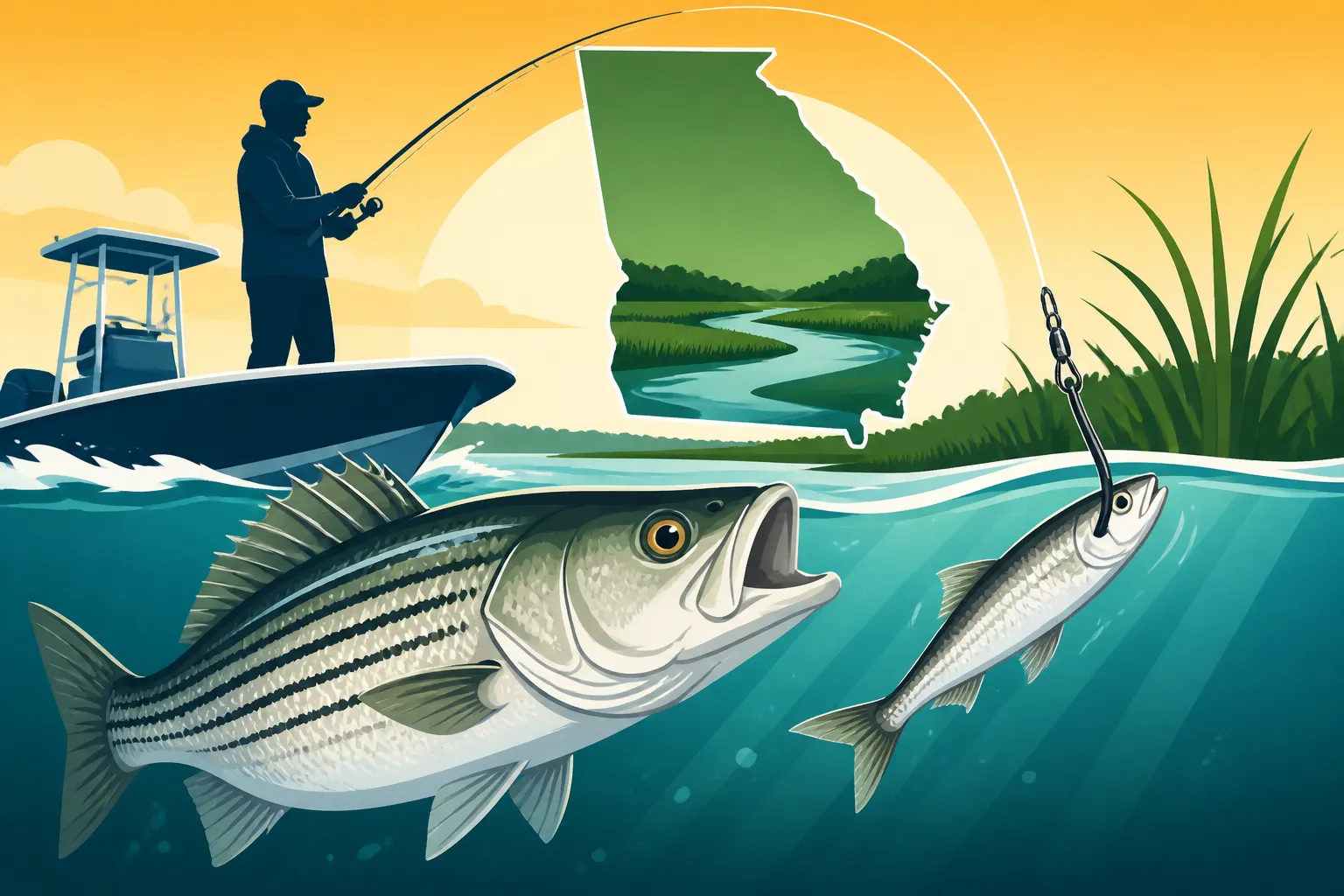
There are few things as exhilarating as a strong strike from a powerful striped bass, and when you're using live bait, that fight often feels even more earned. But let's be honest, getting those big stripers to commit to live bait isn't always as simple as dropping a minnow in the water. It takes understanding their habits, knowing how to present your offering naturally, and keeping your bait frisky. This guide is all about demystifying the art of fishing live bait for striped bass, so you can confidently head out on Georgia's waters and increase your chances of landing that trophy fish.
Understanding Striped Bass Behavior and Live Bait Preference
Striped bass, often simply called "stripers" by us Georgia anglers, are true apex predators in many of our lakes and rivers. They are powerful, aggressive, and possess a keen sense of smell and lateral line system, making them incredibly efficient hunters. This predatory nature is exactly why live bait can be so incredibly effective, especially when these fish are a bit finicky or targeting specific forage.
Why Live Bait Excels for Stripers
Think about it from a striper's perspective. They spend their lives chasing down schools of baitfish, relying on movement, flash, and scent to locate their next meal. A live baitfish, swimming naturally, struggling slightly, and emitting its own scent trail, is almost irresistible. It doesn't look artificial, it doesn't move mechanically, and it presents a genuine food source that triggers their instinct to strike. This natural presentation is often the deciding factor when stripers are being particularly selective or when they've seen a lot of artificial lures.
The key advantage of live bait lies in its authenticity. Unlike even the most realistic artificial lure, live bait provides natural vibrations, distressed movements, and a potent scent profile that stripers pick up from a distance. When a school of stripers is focused on a specific type of forage, or if they're holding deep and aren't actively chasing, a lively baitfish presented right in their strike zone can often entice a bite when nothing else will. It appeals to their most primal hunting instincts, making it a go-to choice for serious striper anglers.
Key Forage Species for Georgia Stripers
Georgia's lakes and rivers are home to a variety of baitfish that striped bass absolutely love. Knowing what these are and how to obtain them is half the battle. The most common and effective live baits include threadfin shad, gizzard shad, blueback herring, and even sometimes bluegill or small bream. Each has its own characteristics that make it appealing to stripers.
Threadfin shad are smaller, very lively, and often school in open water, making them a primary food source. Gizzard shad are larger and more robust, capable of catching the eye of bigger stripers looking for a substantial meal. Blueback herring, often found in certain reservoir systems, are incredibly oily and active, making them a striper favorite, especially when fishing for Striped Bass and Hybrid Striped Bass in Georgia Waters. Finally, while not always the first choice, a small bluegill or bream can sometimes fool a wary, large striper, particularly in areas where these panfish are abundant. Understanding these preferences is a critical part of knowing the Best Bait for Striped Bass in Georgia.
Sourcing and Keeping Your Live Bait Healthy
Using live bait is only effective if your bait is, well, alive and kicking! A stressed, dying, or dead baitfish won't fool many stripers. This means putting in the effort to properly catch and care for your bait.
Catching Your Own Bait
Most serious live bait anglers prefer to catch their own bait, as it's typically fresher and more cost-effective than buying it. The most common method for catching shad is with a cast net. This takes practice, but a good cast net throw can yield dozens of baitfish in one go. Look for shad schooling on the surface, especially at dawn or dusk, or use your electronics to locate bait balls suspended in the water column. For herring, a sabiki rig fished vertically into schools of bait is highly effective. Remember to always check your local Georgia Fishing Regulations Explained regarding baitfish capture, including size limits, creel limits, and legal methods of take.
When cast netting, aim for areas where baitfish are concentrated, often near main lake points, around submerged brush, or in creek channels. After a successful throw, quickly transfer your catch to a well-aerated livewell. If you're targeting larger gizzard shad or herring, sometimes a sabiki rig, which is a string of small, shiny jigs, can be dropped into a marked school of baitfish to quickly catch several at once. Always handle your bait gently to avoid scales loss or injury, as this drastically reduces their lifespan and effectiveness.
Essential Live Bait Care on the Water
Once you have your bait, keeping it healthy is paramount. A high-quality, aerated livewell is non-negotiable. These tanks constantly circulate and aerate the water, providing the oxygen your bait needs to thrive. Many anglers also add ice, especially during warmer months, to keep the water temperature down. Cooler water holds more oxygen and reduces stress on the bait. Avoid overcrowding your livewell; too many fish in a small space will quickly deplete oxygen and contaminate the water, leading to stressed or dead bait. For portable solutions or upgrades, you can find excellent aerators and bait tanks on Amazon that can make a huge difference in bait longevity.
Consider carrying a small dip net to retrieve individual baitfish gently, minimizing handling stress. Some anglers also use bait additives that help neutralize chlorine (if using tap water) and reduce ammonia buildup. Changing a portion of the water regularly, especially if you have a lot of bait, can also significantly prolong their vitality. A healthy baitfish swims actively and looks natural on the hook, making it far more attractive to a hungry striper than a sluggish, dying one.
Top Live Bait Rigs and Techniques for Georgia Stripers
The type of rig you use will largely depend on where the stripers are holding in the water column and how active they are. Adapting your presentation is key to consistent success.
The Classic Free-Line Rig
The free-line rig is arguably the simplest and most natural way to present live bait. It involves a single hook tied directly to your main line or a fluorocarbon leader, with no weight. This allows the baitfish to swim freely and naturally, mimicking a lone, vulnerable fish. It’s incredibly effective when stripers are actively feeding on the surface or suspended in the upper water column. We often use this when we see schooling fish or birds diving, indicating active feeding. Use a strong, sharp circle hook—sizes from 3/0 to 7/0 work well, depending on your bait size and target fish.
To rig it, simply tie your hook directly to your line or a short, heavy fluorocarbon leader (2-4 feet long, 20-40 lb test is common). Hook your baitfish through the nose, or lightly through the back just in front of the dorsal fin, being careful not to hit the spine. Cast it out and let the bait swim naturally. Keep your bail open or use a baitrunner reel so the striper can take the bait without feeling resistance. This rig works wonders for cruising fish near the surface or around shallow cover.
Downlining for Deep-Holding Stripers
When stripers are holding deep, suspended over open water, or concentrated on bottom structure, the downline rig is your best friend. This technique involves dropping your live bait directly to the depth where fish are detected on your sonar. You'll typically use a Carolina-style rig with a lead sinker (1-3 ounces, depending on current and depth) above a swivel, followed by a fluorocarbon leader (4-8 feet) and then your hook. The leader length allows the baitfish to swim freely and naturally above the weight. This technique is crucial when you're using electronics to pinpoint fish, which is often necessary when practicing Deep Water Techniques for Striped Bass.
The key to effective downlining is precision. Use your fish finder to mark schools of stripers and baitfish, noting their depth. Drop your rig down to that exact depth. Hook your bait through the mouth or nose to ensure it swims horizontally and stays lively. Once at depth, watch your rod tip for subtle taps or a sudden bend, indicating a strike. Keeping your boat positioned directly over the fish, often with a trolling motor with spot-lock capabilities, is essential for maintaining presentation.
Planer Board and Kite Fishing for Spooked Fish
Sometimes, stripers are wary of boat traffic, especially in heavily fished areas or when they're feeding on the surface in calm conditions. This is where planer boards or kite fishing come into play. These advanced techniques allow you to present your live bait far away from the boat, covering a wide swath of water and keeping your presence from spooking the fish. While more complex to set up, they can be incredibly effective for targeting those larger, more educated fish. Many specialized components for these setups can be found through retailers like Amazon.
Planer boards are essentially small, buoyant devices that are attached to your main line and "plane" out to the side of the boat as you troll slowly. You can run multiple lines off each side, presenting bait far from the prop wash and engine noise. Kite fishing, on the other hand, involves using a specialized fishing kite to suspend your bait high above the water, then dropping it gently onto the surface, mimicking a struggling baitfish. This is particularly deadly for topwater stripers in calm conditions, as it creates zero disturbance until the bait hits the water. Both methods require patience and practice but can yield incredible results when other techniques fail.
Fishing Live Bait Effectively: Tips and Tricks
Beyond the rigs, there are subtle nuances that can drastically improve your live bait success.
Locating Striped Bass with Live Bait in Mind
Finding the fish is always the first step. For stripers, this means using your boat's electronics to scan for bait balls and predator arches, especially along ledges, points, and humps. Keep an eye out for surface activity, like schooling baitfish jumping out of the water or gulls diving—these are sure signs of stripers pushing bait to the surface. Areas around major river channel bends or deep points on lakes like Lanier or Hartwell are prime spots. Remember, stripers are constantly on the move, following their food source. Understanding How Water Temperature Affects Fish Behavior can also help predict their location throughout the seasons.
If you don't have a boat, don't despair! Shore anglers can still find success by focusing on deep pockets near public fishing areas, dam outflows, or bridge pilings where currents concentrate baitfish. Look for areas with quick access to deeper water, as stripers often cruise these edges. Using binoculars to scan for surface activity from a high vantage point can also be helpful. When you locate them, matching your Live Bait Rigs for Striped Bass to their depth and activity level is crucial.
Hooking and Presenting Your Bait Naturally
How you hook your live bait makes a huge difference in its lifespan and how naturally it swims. For free-lining, a light hook through the nose or upper jaw allows the bait to swim freely and naturally. For downlining, a hook through the mouth and out one nostril, or lightly through the back, will keep the bait alive and swimming horizontally at depth. Avoid deep hooking, which can injure the bait and limit its movement. The goal is to keep the bait as lively and natural-looking as possible.
When presenting your bait, always consider the current and wind. Let your bait drift naturally into suspected striper holding areas. If you're trolling with planer boards, adjust your speed to give the bait a lifelike wiggle. A baitfish that looks disoriented or moves unnaturally is less likely to draw a strike. Regularly check your bait to ensure it's still lively and hasn't fouled on the hook.
The Art of the Strike and Hookset
Unlike bass fishing where you might set the hook on the smallest tap, striper fishing with live bait often requires patience. Stripers will typically grab the bait, swim off with it, and then turn it to swallow. If you set the hook too soon, you'll pull the bait right out of their mouth. When you get a bite, let the fish take the bait, and allow your line to peel off for several seconds (often 5-10 seconds for larger baits) before slowly closing your bail and reeling tight to feel the weight of the fish. Then, a firm, sweeping hookset is usually all it takes to drive the circle hook home. Circle hooks are particularly effective here, as they are designed to hook the fish in the corner of the mouth as the line tightens, minimizing gut hooks.
Sometimes, especially with smaller baits or more aggressive fish, the strike can be immediate and violent. Your rod will double over quickly. Even then, resisting the urge for an instant hookset and instead letting the fish really commit can improve your hookup ratio. Pay close attention to your rod tip and the line. Any unusual movement, a quick slackening, or a steady pull are all indications that a striper has found your offering.
| Live Bait Type | Pros | Cons | Best Use |
|---|---|---|---|
| Threadfin Shad | Very lively, irresistible scent, widely available | Delicate, prone to stress, smaller size | Free-lining, schooling fish, smaller stripers |
| Gizzard Shad | Larger meal, attracts bigger stripers, robust | Harder to cast net due to size, requires larger livewell | Downlining, trophy hunting, deeper water fishing |
| Blueback Herring | Oily, highly active, striper favorite | Limited availability in some lakes, can be fragile | Free-lining, trolling with planer boards, active fish |
| Small Bluegill | Hardy, readily available, attracts big fish | Slower retrieve, less natural movement in open water | Suspended deep, near structure, wary large stripers |
Internal Link Suggestions:
- For more specific details on where these powerful fish reside, check out our guide on Where to Catch Striped Bass in Georgia River Basins.
- If you're wondering about other effective offerings, our article on Best Lures for Georgia Largemouth Bass might give you some ideas for artificial alternatives.
- To ensure you have the right gear, be sure to read our recommendations on Best Tackle for Georgia Striped Bass Fishing.
- For those times when stripers are holding deep, you'll find useful tips in our guide on How to Find Striped Bass in Deep Water.
- Thinking about exploring the famous Lake Lanier? Our Best Boats for Lake Lanier Fishing guide offers great insights on vessel choices.
- Before heading out, always be mindful of Georgia Fish Size and Creel Limits to ensure you're fishing responsibly.
Disclaimer
This article is for general informational purposes only and does not constitute professional advice. Laws, prices and regulations vary by location and change over time. Consult a qualified professional for guidance on your specific situation.