Lake Sinclair Shore Fishing Access Points
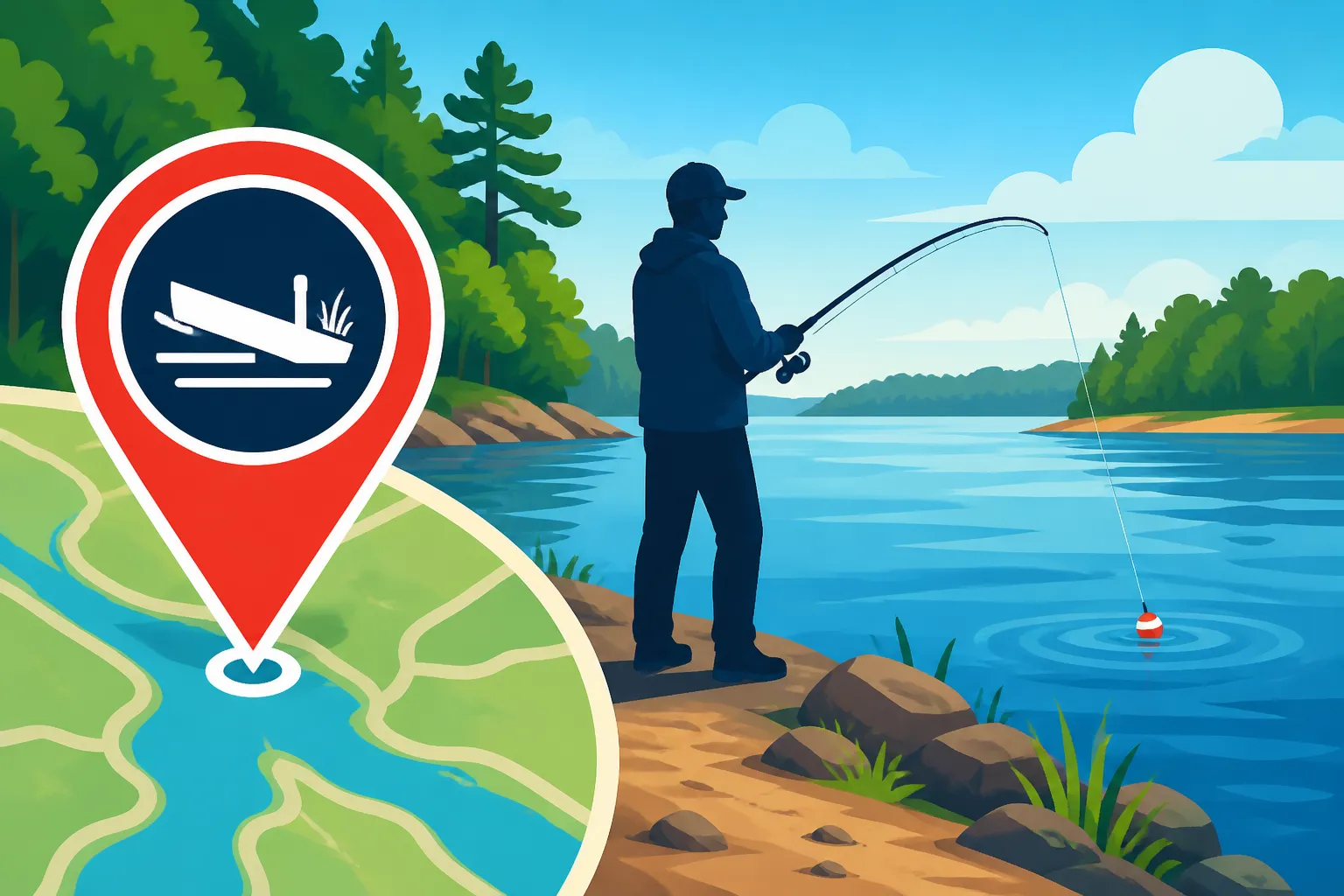
There's nothing quite like the urge to wet a line, but for many of us, owning a boat just isn't in the cards. You might find yourself staring at maps of vast reservoirs like Lake Sinclair, wondering if there’s any hope for a good catch from the shore. The frustration is real when you see all those beautiful coves and points that seem just out of reach. This guide is dedicated to all you bank anglers out there, offering a comprehensive look at accessible shore fishing spots around Lake Sinclair, Georgia, and how to make the most of them.
The Unique Challenges and Rewards of Shore Fishing Lake Sinclair
Fishing from the bank on a large impoundment like Lake Sinclair presents its own set of unique challenges that boat anglers often don't consider. Unlike smaller ponds or dedicated fishing piers, much of Lake Sinclair’s extensive shoreline is privately owned, making casual access difficult. You can't just pull over anywhere and expect to cast a line without trespassing. This reality can be a real buzzkill when all you want to do is enjoy a peaceful day by the water.
However, the rewards of finding those hidden or public access gems are immense. When you successfully navigate these challenges, you're tapping into a rich fishery that holds everything from chunky largemouth bass to hefty catfish and crappie. There's a certain satisfaction that comes from outsmarting the fish with limited mobility, relying more on your observational skills and technique. Plus, shore fishing is often more affordable, less equipment-intensive, and provides a quiet connection to nature that’s hard to beat.
Navigating Private Property and Limited Public Access
One of the biggest hurdles for bank anglers on Lake Sinclair is the sheer amount of private property that borders the lake. Many prime fishing locations, especially those with good cover or depth, are part of residential developments or private landholdings. This means you can't just wander onto someone's dock or shoreline. Respecting these boundaries is crucial, not just for legal reasons, but also for maintaining good relationships with the local community. Ignoring "No Trespassing" signs can lead to fines, confrontation, and give all anglers a bad name.
Finding genuine public access requires a bit of research and knowing where to look. While it might seem daunting, several dedicated parks and public recreational areas offer fantastic opportunities for shore anglers. These spots are often maintained by local authorities or Georgia Power, providing designated areas specifically for public enjoyment, including fishing. Knowing these locations beforehand saves you the headache of driving around aimlessly, hoping to stumble upon a spot.
The Diverse Fishery You Can Reach from the Bank
Don't let the lack of a boat fool you into thinking you're limited in what you can catch. Lake Sinclair boasts a thriving ecosystem that supports a wide variety of popular game fish, many of which can be successfully targeted from the bank. You might not reach the deep-water humps for schooling striped bass, but the shallows and immediate drop-offs near shore are often teeming with life.
You can expect to find robust populations of largemouth bass, known for their aggressive strikes, especially during the spring spawn or when they’re chasing baitfish in the warmer months. Crappie, both black and white, often move into shallower areas during their spawning season or can be found schooling around structure close to the bank. Channel catfish and flathead catfish are ever-present, offering exciting fights, particularly when targeting them after dark. And let's not forget the panfish – bluegill and other bream species are abundant and provide excellent action for anglers of all ages, making it a perfect Family-Friendly Fishing Spots on Lake Oconee (even though it's Lake Sinclair!). Even hybrid striped bass can sometimes be found within casting distance of the shore, especially near dam discharges or areas with strong current.
Top Public Access Points for Shore Anglers on Lake Sinclair
Now that we understand the landscape, let's dive into the good stuff: where you can actually go to cast a line from the bank on Lake Sinclair. These spots are tried and true, offering a mix of amenities and fishing opportunities. Always remember to check their operating hours and any potential fees before you head out.
State Parks and Recreation Areas with Shore Access
These managed areas are your best bet for reliable, well-maintained access, often with restrooms, picnic areas, and ample parking. They are designed for public use, making them ideal for a family outing or a solo escape.
- Oconee Springs Park: Located on the western side of the lake near Eatonton, Oconee Springs Park is a fantastic resource. While it's primarily a campground and RV park, they offer day-use access to their lakefront areas, including a fishing pier. This pier extends out into the lake, giving you access to deeper water than you might typically find from a flat bank. The park is family-friendly, and you’ll often see anglers targeting a mix of panfish, crappie, and even bass around the pier pilings and nearby brush. It's a great spot to bring the kids, offering a safe and controlled environment. Just be sure to call ahead for their current day-use fees and access rules.
- Rocky Creek Park: Situated on the eastern side of Lake Sinclair, closer to Milledgeville, Rocky Creek Park is another excellent option. This Georgia Power recreation area provides several access points, including open bank areas and sometimes small coves. It’s a popular spot for picnicking and launching small boats, but plenty of room is usually available for shore anglers. The shoreline here can vary, with some rocky areas providing natural structure for fish. Keep an eye out for submerged timber or brush piles, which are magnets for bass and crappie. The park typically has restrooms and plenty of parking.
- Island Creek Park: Also managed by Georgia Power, Island Creek Park is located near the dam and offers public access to Lake Sinclair. While primarily a boat ramp, there are often areas around the ramp or nearby shoreline that are fishable from the bank. The proximity to the dam can mean deeper water and stronger currents, which can be advantageous for certain species like hybrid striped bass or catfish, especially during periods of generation. However, exercise caution in areas with strong current. This park usually provides basic amenities like restrooms and adequate parking.
Lesser-Known Public Shore Fishing Spots
Beyond the main parks, there are a few other spots that savvy local anglers utilize. These might not have the same amenities as the larger parks but can offer a more secluded fishing experience.
- Bridge Crossings and Road Ends: Several bridges cross various arms and coves of Lake Sinclair. While not always ideal due to traffic and safety concerns, the areas immediately under or adjacent to bridges can be productive fishing spots. The bridge pilings themselves provide structure and ambush points for fish. Look for pull-offs or small public easements near bridges. For instance, the Highway 441 bridge crossing offers limited bank access in some areas, but always be mindful of traffic and steep banks. Similarly, some dead-end roads or public rights-of-way might offer small, informal access points. Always check for "No Trespassing" signs diligently.
- Small Community Access Areas: Around the perimeter of Lake Sinclair, some smaller communities or subdivisions might have tiny, often unmarked, public access points. These are usually very localized and might just be a small stretch of bank or a single picnic table by the water. Discovering these often comes down to local knowledge or careful exploration. Websites like Georgia Wildlife Resources Division (WRD) sometimes list these smaller access points, but they can be fleeting or change ownership. Remember, if it's not clearly marked public, it's best to assume it's private.
- Wallace Dam Overlook: Near the dam itself, there might be areas that offer a scenic view and, with careful observation, some limited bank access. The outflow areas below dams are often fish highways, attracting a multitude of species. However, safety is paramount here due to strong currents and restricted zones. Always adhere to all warning signs and never venture into restricted areas.
Here's a quick comparison of some popular public access points for shore fishing on Lake Sinclair:
| Access Point | Primary Access Type | Amenities | Fish Species Often Targeted | Notes |
|---|---|---|---|---|
| Oconee Springs Park | Fishing Pier & Bank | Restrooms, Parking | Panfish, Crappie, Bass | Fee may apply for day-use. Family-friendly. |
| Rocky Creek Park | Bank & Small Coves | Restrooms, Parking | Bass, Crappie, Catfish | Good for general bank fishing. |
| Island Creek Park | Bank (near ramp) | Restrooms, Parking | Catfish, Hybrids, Bass | Near dam, potential for stronger currents. |
| Bridge Crossings | Limited Bank Access | None | Bass, Catfish | Exercise caution, check local regulations. |
Effective Tips and Techniques for Lake Sinclair Shore Fishing
Once you've found your ideal spot, the next step is to make sure you're fishing it effectively. Shore fishing requires a slightly different approach than boat fishing, but with the right mindset and techniques, you can still have a highly successful outing. It's about maximizing your limited casting range and understanding what fish are doing close to the bank.
Essential Gear and Bait for Bank Anglers
You don't need a boatload of fancy equipment to catch fish from the shore. A simple, versatile setup is often your best friend. A medium-action spinning rod, around 6 to 7 feet long, paired with a reliable spinning reel spooled with 8-12 pound monofilament or fluorocarbon line, will cover most situations. This setup provides enough casting distance for typical shore fishing scenarios and enough backbone to handle a decent fish. You can find excellent options for different budgets. If you're looking for guidance, our guide on the Best Rod for Shore Fishing Without a Boat can offer some fantastic insights.
When it comes to bait, live bait is often king for shore anglers, especially for species like crappie, catfish, and panfish. Live worms (nightcrawlers, red wigglers), crickets, and small minnows are consistently effective. For artificials, think compact and castable: small jigs (1/16 to 1/8 ounce) tipped with soft plastics (grubs, curly tails), small inline spinners, and compact crankbaits are excellent choices. For catfish, stink baits, cut bait, or even chicken livers are hard to beat when fished on the bottom with a slip sinker rig.
Reading the Water and Targeting Structure from Shore
Since you can't move around freely, learning to "read" the water from your fixed position is paramount. Look for visual cues that indicate fish-holding structure or feeding zones. This could include submerged brush piles, fallen trees, rocky outcroppings, changes in bottom contour (like a sudden drop-off near the bank), or even areas where baitfish are schooling or breaking the surface. Points and coves are often productive, as they can funnel baitfish or provide shelter.
Pay attention to depth changes as well. Even subtle changes in depth near the bank can hold fish. Cast your bait or lure parallel to the shoreline, or fan-cast to cover as much water as possible. If you notice any distinct features, focus your efforts there. If you're wondering how to identify productive spots, our guide on How to Fish From the Bank Effectively provides more detailed strategies.
Species-Specific Strategies for Bank Success
Different fish require different approaches, even from the bank.
- For Largemouth Bass: Focus on throwing artificial lures that mimic baitfish or crawfish. Spinnerbaits, small crankbaits (like the Rapala X-Rap or a squarebill), and Texas-rigged worms or jigs are excellent. Cast near any visible cover like docks, submerged logs, or weed lines. Early morning and late evening are often prime times.
- For Crappie: These panfish love structure. Look for submerged brush piles, standing timber, or the pilings of piers. Small jigs (1/16 to 1/8 ounce) tipped with a small minnow or a soft plastic grub are incredibly effective. A slip bobber rig allows you to present your bait at a specific depth. During the spring, crappie will move into very shallow water to spawn, making them highly accessible. If you're serious about crappie, check out Best Crappie Spots on Lake Sinclair.
- For Catfish: Catfish are bottom feeders and often most active after dark, though they can be caught during the day. Use a simple slip sinker rig with a hook and a heavy weight to keep your bait on the bottom. Cut bait (like shad or bream), chicken livers, or commercial stink baits are top choices. Cast into deeper holes or channels near the bank. Lake Sinclair is known for good catfishing, so you might find more helpful tips in our guide, Best Catfish Spots on Lake Sinclair, Georgia.
- For Bream (Bluegill, Sunfish): These are perhaps the easiest and most fun fish to target from the bank, especially for beginners or kids. A small hook (size 8 or 10), a split shot, and a bobber with a live worm or cricket are all you need. Cast near any vegetation, docks, or shady spots. They are often abundant and provide consistent action. For more specifics on bream, check out Lake Sinclair Fishing Spots for Bream.
Making the Most of Your Lake Sinclair Shore Fishing Trip
A successful fishing trip isn't just about catching fish; it's about the experience. Preparing properly, being safe, and respecting the environment will ensure you have a great time every time.
Planning Your Visit for Optimal Results
Before you even leave the house, a little planning goes a long way. Check the weather forecast, especially wind conditions, which can make casting difficult and fishing less enjoyable. Also, consider the time of day. Early morning and late evening hours often provide the best fishing, as fish are more active and boat traffic is minimal. For specific seasonal patterns, our Best Time of Year to Catch Bass at Lake Sinclair, Georgia guide can offer valuable insights.
Lake levels on reservoirs like Sinclair can fluctuate, affecting shoreline access. High water might open up new spots but also submerge familiar ones. Low water can make accessing the water difficult or expose mud flats. A quick check of Georgia Power's lake level reports can give you a heads-up. Finally, if you're ever considering expanding beyond the bank and looking for guided experiences on Lake Sinclair or elsewhere, platforms like FishingBooker can connect you with local captains who know the waters intimately. They can show you spots you might never find on your own!
Safety and Etiquette on the Shoreline
Your safety should always be your top priority. When fishing from the bank, be aware of your surroundings. Steep, slippery banks can be dangerous, especially after rain. Watch out for snakes or other wildlife. If fishing near roads or bridges, be visible and cautious of traffic. Always tell someone where you're going and when you expect to return.
Practicing good etiquette is also vital. Always pack out everything you pack in – leave no trash behind. Respect private property signs and avoid making excessive noise near residential areas. If others are fishing nearby, give them plenty of space to cast and avoid tangling lines. If you see someone struggling or need help, offer assistance. We’re all out there to enjoy nature, and a little kindness goes a long way.
Expanding Your Horizons (Even Without a Boat!)
While this guide focuses on traditional shore fishing, remember that "shore fishing" can include other forms of bank access. Kayaks and canoes, for instance, offer a fantastic way to extend your reach from public launch points without the need for a large boat. Many of the techniques and gear discussed for bank fishing translate directly to small watercraft. You might even find some public ramps allow you to launch a kayak even if there isn't extensive bank fishing right there. Even if you only ever fish from the bank, understanding the deeper waters and what's happening offshore can inform your near-shore strategies, making you a more versatile and successful angler. Sometimes, a charter or guided trip, easily found through services like FishingBooker, can be a great way to explore the lake without owning a vessel, giving you a taste of what the deeper waters hold and informing your future bank fishing adventures.
Disclaimer
Please note that fishing regulations, access points, and conditions can change. Always consult the latest Georgia Department of Natural Resources (DNR) guidelines for fishing licenses, creel limits, and specific lake rules before heading out. Respect private property and practice responsible angling.