Ocmulgee River Fishing Spots in Georgia
It can be incredibly frustrating to hit a new fishing spot only to realize you don't know the first thing about where to cast or what to expect. Georgia's Ocmulgee River, with its sprawling length and diverse habitats, can feel especially daunting for anglers. This comprehensive guide is designed to cut through that confusion, giving you the insider knowledge on the best Ocmulgee River fishing spots, what species to target, and how to make the most of your time on this fantastic waterway.
Understanding the Ocmulgee River's Unique Appeal
The Ocmulgee River isn't just a single body of water; it's a dynamic and ever-changing waterway that offers a vastly different experience depending on where you drop a line. From its headwaters in the Piedmont region to its eventual merge with the Oconee, forming the mighty Altamaha, the river traverses distinct ecological zones. This makes it a fascinating, albeit sometimes challenging, river to fish. Understanding these changes is your first step to unlocking its secrets.
A Diverse Fishery for Every Angler
The Ocmulgee River truly is a journey through different ecological zones, and this transformation means the fishing opportunities shift dramatically along its length. You might start in cooler, faster-flowing waters perfect for certain species, then move into wider, slower, and warmer sections that are ideal for others. It’s this incredible variability that makes the Ocmulgee so special, offering something for every kind of angler, whether you prefer chasing swift-water bass or patiently waiting for a monster cat. This diversity is what puts it among the Best Rivers for Fishing in Georgia.
The river's diversity isn't just about flow or temperature; it's also about habitat. You'll find rocky shoals, deep pools, sandy banks, cypress swamps, and countless oxbow lakes and sloughs. Each of these micro-environments provides a home for different fish species, creating a rich tapestry of aquatic life. This means you can spend a lifetime exploring the Ocmulgee and still discover new honey holes. It’s a river that truly rewards those who take the time to understand its nuances.
For folks who appreciate a more wild, less crowded experience, the Ocmulgee often delivers. While there are popular access points, vast stretches of the river remain relatively untouched, offering a sense of solitude that's hard to find on more heavily trafficked waterways. This pristine environment, coupled with the rich fishery, makes it a top destination for those seeking a genuine outdoor adventure.
Navigating the River's Character from North to South
The Ocmulgee originates in Henry County, formed by the confluence of the South, Yellow, and Alcovy rivers. This northern section, characterized by a narrower channel and more rocky substrate, flows through the Piedmont region. Here, the current can be swifter, and the water clearer, especially after dry spells. As you move south towards Macon, the river begins to widen, the current generally slows, and the bottom transitions to more sand and silt. This stretch is where you start to see the river really come into its own as a diverse fishery.
Below Macon, particularly once it passes the Fall Line, the Ocmulgee enters the Coastal Plain. This is where the river truly broadens, becoming a wide, often sluggish waterway flanked by extensive swamps and bottomland forests. The water often takes on a tea-stained hue from tannins, and the channels can be much deeper. This lower section eventually merges with the Oconee River to form the Altamaha River, a major tidal river system. Each segment presents different challenges and rewards, demanding varied approaches to angling. Understanding these geographical shifts is key to unlocking the river's full potential, helping you choose the right gear and techniques for the specific stretch you plan to fish.
For instance, a small jon boat or even a kayak might be ideal for navigating the narrower, rockier upper sections, allowing you to access secluded bends and shoals. But once you get south of Macon, especially further downstream, a larger boat might be more practical for covering the vast expanses and navigating deeper channels. The river's character truly dictates your approach, from boat choice to bait selection.
Top Ocmulgee River Access Points and Fishing Zones
Knowing where to get on the river is half the battle. The Ocmulgee offers a range of access points, from developed boat ramps to more rustic kayak launches. Your choice of access point will often determine the type of fishing experience you'll have and the species you're most likely to encounter.
Northern Stretches: Piedmont Plateau to Fall Line
The upper Ocmulgee, starting from where its tributaries converge, offers excellent opportunities, especially for those seeking shoal bass and spotted bass. One popular access point is the Jay Bird Springs Public Fishing Area (PFA) in Monroe County, offering bank access and a boat ramp. Further north, for those willing to portage or launch kayaks, numerous bridges provide informal access to smaller sections. These upper waters are generally less crowded, appealing to anglers looking for a quieter experience. Remember that for remote areas, checking the flow rates before heading out is crucial, as too high or too low water can impact navigability and fish activity.
As the river flows south, passing through areas like Butts and Monroe counties, you'll find more developed ramps. Dames Ferry Public Use Area on Lake Juliette, though a reservoir, offers close access to river sections above Macon where fishing can be phenomenal. The river here can be quite diverse, with stretches of rocky bottom transitioning to more sand and mud. Targeting areas around fallen timber and rock formations can be particularly productive for various bass species and even some catfish. This region serves as a crucial transition zone, offering a mix of species and fishing environments.
Right around the Fall Line at Macon, the river undergoes a significant change. While there isn't a single designated "Fall Line" fishing area, the shoals and rocky bottoms in this vicinity are prime habitat for shoal bass. Access can be tricky directly within Macon, but public parks along the river, like those maintained by the Ocmulgee National Historical Park, might offer limited bank access for casual fishing. Remember to always respect private property and local regulations when exploring these areas.
Middle River: Macon and Beyond
The stretch of the Ocmulgee around Macon is a bustling hub, both for the city and for fishing. The Amerson River Park in Macon offers fantastic bank access, walking trails, and even canoe/kayak launches, making it a family-friendly spot. You can often find anglers targeting catfish, bream, and bass right from the banks here. While it's more urban, the river still holds plenty of fish, especially in deeper holes and around bridge pilings. For those with smaller boats, launching from private marinas or city-maintained ramps near Macon can get you onto productive waters relatively quickly.
Moving downstream from Macon, the river becomes wider and more navigable for larger boats. The Hwy 96 Public Boat Ramp near Danville is a popular spot, providing excellent access to these wider, slower stretches. Here, the river starts to meander more, creating oxbows and sloughs that are perfect for largemouth bass and various panfish. These backwaters, often connected to the main channel by narrow cuts, can be absolute goldmines, especially during periods of stable water levels.
Another key area in the middle river is around the Ocmulgee Public Fishing Area (PFA). While PFAs are often smaller ponds, some, like those associated with the Ocmulgee, provide excellent access to the main river or its immediate floodplains. Check the Georgia Department of Natural Resources website for the most up-to-date information on PFA offerings and specific river access. These middle stretches are particularly good for exploring by boat, allowing anglers to cover significant ground and find isolated pockets of fish-holding structure.
Southern Expanses: Toward the Altamaha
As the Ocmulgee continues its journey south through Pulaski, Dodge, and Telfair counties, it transforms into a much larger, often darker, and slower-moving river. The banks are increasingly lined with cypress and tupelo trees, creating extensive swampy areas. Boat ramps near Lumber City and Hazlehurst offer access to these lower sections. This is prime territory for large flathead and blue catfish, as well as robust populations of largemouth bass hiding in the submerged timber and cypress knees. Exploring these lower reaches often feels like entering a different world, far removed from the upper river's rocky swiftness.
The numerous sloughs and oxbow lakes connected to the main channel in these southern expanses are fantastic for fishing. These backwaters provide refuge for fish from the main current and often hold stable populations of panfish, largemouth bass, and even some smaller catfish. Navigating these areas requires careful attention to depth and submerged obstacles, but the rewards can be significant. The sheer wilderness feel of these sections offers an unparalleled angling experience.
Finally, the Ocmulgee merges with the Oconee River to form the mighty Altamaha River, one of Georgia's largest and most biologically diverse rivers. While technically a different river system, the transition zone offers unique opportunities. Anglers often launch from ramps around Darien or Jessup to explore the lower Ocmulgee and upper Altamaha. Here, you might even encounter some anadromous species during their spawning runs, adding another layer of excitement to your fishing trip. This broad, deep water can be fished effectively with larger boats and heavy tackle, especially when targeting the massive catfish that call these waters home. For similar experiences, you can find more information on Fishing the Savannah River, Georgia, which shares characteristics with these large tidal systems.
Key Fish Species to Target on the Ocmulgee
The Ocmulgee River is a veritable smorgasbord of fish species, offering something for every type of angler. Knowing which fish call which parts of the river home, and how best to target them, will greatly improve your chances of a successful and enjoyable outing.
Bass Fishing: Largemouth, Spotted, and Shoal
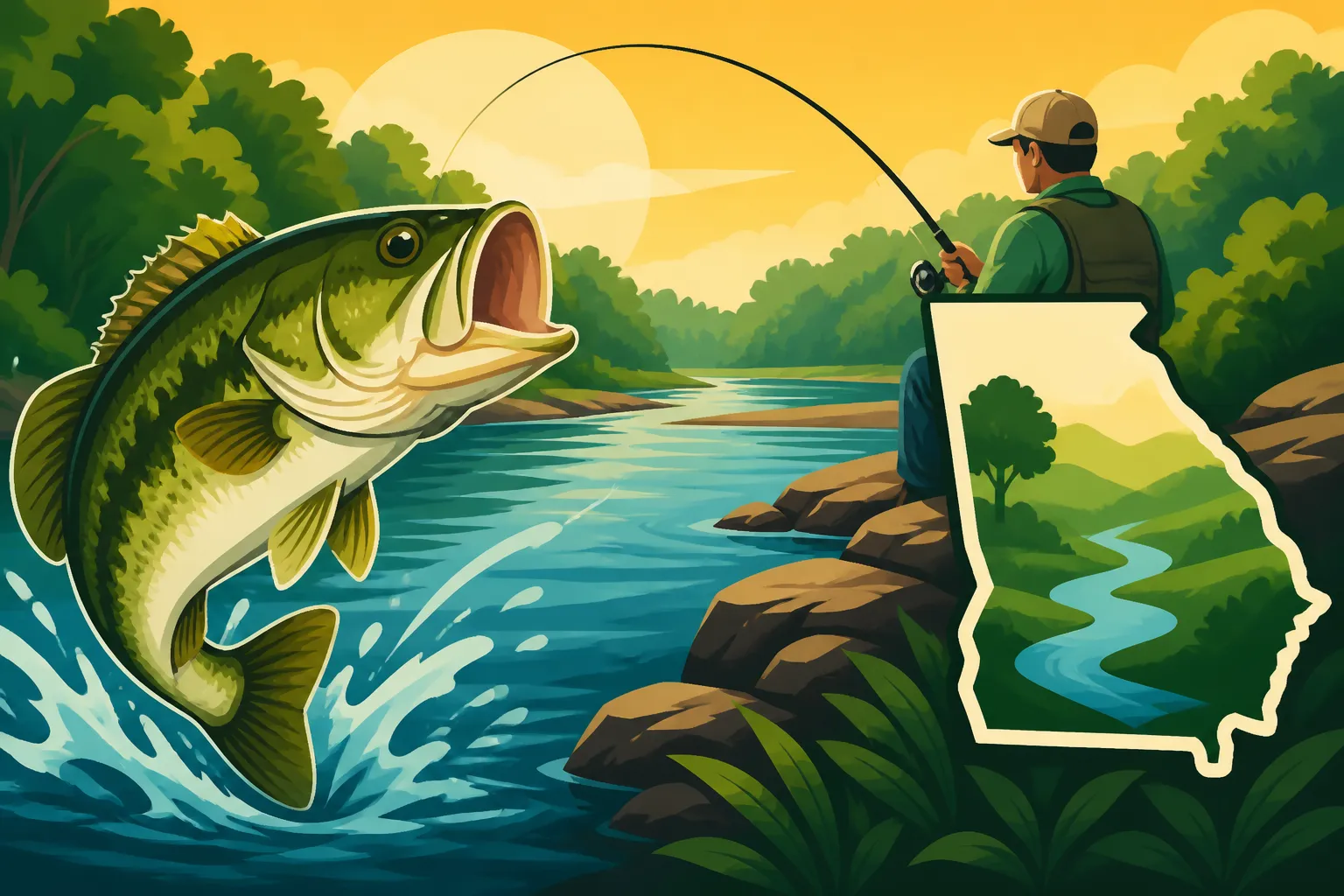
The Ocmulgee River is a fantastic destination for bass anglers, boasting healthy populations of largemouth, spotted, and the unique shoal bass. Largemouth bass tend to dominate the slower, wider sections, especially in the oxbows, sloughs, and areas with plenty of submerged cover like fallen trees and lily pads. They thrive in the tea-stained waters of the middle and lower river, often reaching impressive sizes. Think about targeting these fish with traditional bass baits like plastic worms, spinnerbaits, and topwater lures around structure.
Spotted bass are more prevalent in the mid-to-upper river sections, favoring areas with a bit more current and rocky structure. They're often found alongside shoal bass but prefer slightly deeper pockets and ledges. Small crankbaits, jigs, and shaky head worms can be incredibly effective for spotted bass, which are known for their aggressive strikes. For anglers looking to understand the nuances of these impressive fish, a guide like "Largemouth Bass Fishing in Georgia: The Complete Species Guide" can offer a deeper dive into these species.
The real jewel of the Ocmulgee for many bass enthusiasts is the shoal bass. These incredible fish are river specialists, found almost exclusively in areas with strong current, rocky shoals, and gravel bottoms. The upper and middle sections of the Ocmulgee, particularly around the Fall Line near Macon, offer prime shoal bass habitat. They are powerful fighters and a true challenge to catch. Targeting them often involves using current-deflecting baits like crankbaits, jigs, and even poppers on topwater, cast upstream and allowed to drift naturally through their rocky lairs.
Catfish: The River's Bottom Dwellers
If you're a fan of catching powerful, hard-fighting fish that also make for an excellent meal, the Ocmulgee River's catfish population will not disappoint. Channel catfish are abundant throughout the entire river, from the narrower upper reaches to the broad lower sections. They're often found in deeper holes, around logs, and in slower eddies. They'll readily take a variety of baits, from cut bait and stink baits to chicken livers and worms.
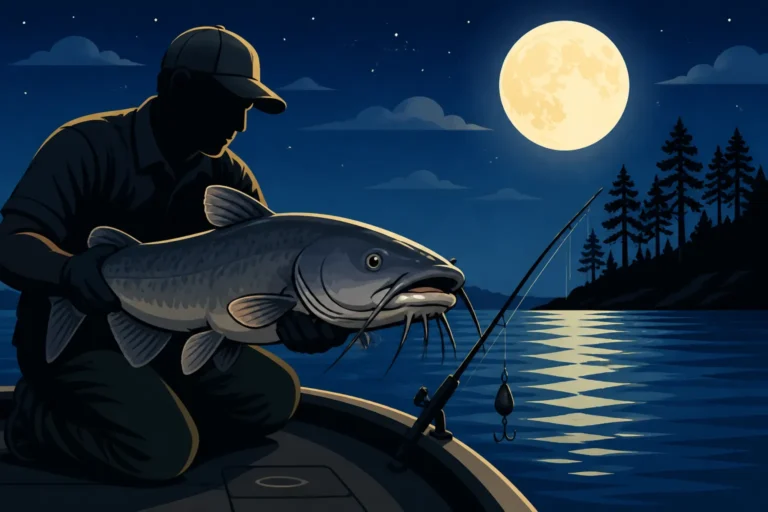
Blue catfish, known for their sheer size and immense strength, are increasingly common in the wider, deeper sections of the middle and lower Ocmulgee. These leviathans can grow to impressive weights, offering a truly epic angling challenge. Targeting blue cats usually involves heavy tackle, large cut baits (like shad or mullet), and fishing in deep channels or scour holes. Flathead catfish, another formidable opponent, prefer live bait such as sunfish or small bream and tend to ambush prey from heavy cover, particularly around fallen timber and log jams in the deeper sections.
For those serious about targeting the Ocmulgee's whiskered giants, understanding their habits is key. Fishing at night can often be the most productive, as catfish become more active under the cover of darkness. Using strong, abrasion-resistant line is a must, given the snags and the power of these fish. If you're planning a trip specifically for these powerful river dwellers, check out the "Catfish Species Guide: Channel, Blue, and Flathead Catfish" for more in-depth tips. You might even consider booking a guided trip through platforms like FishingBooker to learn the ropes from local experts who know the best spots and techniques.
Panfish and Other Species
Beyond the big game fish, the Ocmulgee River is a paradise for panfish enthusiasts, offering a bounty of bluegill, redbreast sunfish, and various other bream species. These feisty little fighters are found throughout the river, but particularly in slower moving backwaters, oxbows, and areas with aquatic vegetation or submerged brush. They're an excellent target for beginners and families, providing consistent action and a lot of fun on light tackle. A simple worm under a bobber is often all you need for a successful panfish outing.
The redbreast sunfish, in particular, is a river favorite, known for its vibrant colors and aggressive strikes. They tend to prefer areas with a bit more current than bluegill, often found around rocky structures and eddy lines. Small spinners, crickets, or even fly-fishing techniques can yield excellent results for these beautiful fish. Learning about the "Bream and Sunfish Guide for Georgia Anglers" can further enhance your panfishing skills.
The Ocmulgee also hosts other interesting species, including the occasional crappie in its slower sections and backwaters, and even some gar, which provide a unique challenge for those seeking something different. During certain times of the year, particularly in the lower river as it nears the Altamaha, you might encounter striped bass or even American shad during their migratory runs. The diversity means you never quite know what you might hook into, adding an element of surprise to every cast.
Essential Gear and Techniques for Ocmulgee Success
Having the right equipment and knowing how to use it can make all the difference between a frustrating day and a fantastic one on the Ocmulgee River. The river's varied conditions mean a flexible approach to gear is often best.
Rods, Reels, and Line Choices
The Ocmulgee River's varied fishing demands a flexible approach to gear. For bass fishing in the upper and middle sections, a medium-heavy spinning or baitcasting rod, around 6'6" to 7' in length, is a versatile choice. This setup allows for accurate casting of various lures, from jigs to crankbaits, and has enough backbone to handle a feisty bass in cover. Pair this with a reliable reel spooled with 12-17 pound monofilament or fluorocarbon line, or 30-50 pound braided line with a fluorocarbon leader for abrasion resistance around timber and rocks.
When targeting the larger catfish in the deeper, wider sections, you'll need to step up your gear significantly. A heavy-action casting rod, 7-9 feet long, paired with a robust baitcasting reel capable of holding a substantial amount of heavy line, is essential. Think 50-80 pound braided line or 30-50 pound monofilament, especially if you're chasing those monster blue and flathead cats that can easily exceed 20 pounds. You definitely don't want to be undergunned when one of these river beasts decides to make a run for it.
For panfish and a more relaxed fishing experience, a light to ultralight spinning rod, 5-6 feet long, is perfect. Spool it with 4-6 pound monofilament line, and you'll feel every nibble from a bluegill or redbreast. This lighter setup also makes the fight of even a small fish incredibly enjoyable. Remember, having a selection of rods and reels can make a significant difference in adapting to the varied conditions and target species found along the Ocmulgee, so it's wise to bring options if you can. For a general overview, check out "Best Rods and Reels for Georgia Fishing".
Baits, Lures, and Local Favorites
The Ocmulgee, like many diverse rivers, responds well to a variety of baits and lures. For largemouth and spotted bass, soft plastics like Texas-rigged worms, creature baits, and jigs are perennial favorites, especially when fished around submerged timber, brush piles, and weed lines. Crankbaits that mimic shad or crawfish can be deadly in areas with rock or rip-rap. Topwater lures like poppers and buzzbaits shine during low-light conditions or over shallow cover, especially for shoal bass. Experimentation is key, as what works one day might not work the next.
Catfish anglers have a broad arsenal at their disposal. For channel cats, traditional baits like chicken livers, nightcrawlers, and prepared stink baits are highly effective. For the larger blue and flathead catfish, live or fresh cut bait is often preferred. Shad, bluegill, or other baitfish cut into chunks release strong scent trails that big cats can't resist. Jug fishing for catfish or trotline fishing are also popular techniques in the wider, slower sections of the river, though they come with specific regulations you'll need to know.
Panfish are usually happy with simple offerings. Crickets, worms, and small pieces of corn are classic choices. Tiny spinners or micro-jigs can also entice them, especially redbreast sunfish. Having a variety of live bait and artificial lures on hand will allow you to adapt to whatever the fish are biting on that day. Don't forget a tackle box with essentials like hooks (various sizes), sinkers, bobbers, and pliers.
Seasonal Strategies for the Ocmulgee
Fishing the Ocmulgee effectively means understanding how the seasons impact fish behavior. Spring is often prime time, as warming water temperatures spur fish activity. Bass move into shallower areas for their spawn, becoming more aggressive. Catfish also become more active, feeding heavily. This is an excellent time for targeting a variety of species. However, spring can also bring heavy rains and fluctuating river levels, which can make fishing challenging.
Summer fishing can be productive, especially during early mornings, late evenings, or at night for catfish. As water temperatures rise, many fish will seek deeper, cooler water or shade provided by overhanging trees and submerged cover. Topwater action for bass can still be good at dawn and dusk. Fall brings cooler temperatures and often stable water levels, leading to another peak in fishing activity as fish feed up for winter. This is a fantastic time for both bass and catfish. To delve deeper into understanding these changes, reading about "How Water Temperature Affects Fish Behavior" or "Georgia Fishing Seasons by Month" can be very beneficial.
Winter can be slower, but it's not without its rewards. Many fish species will school up in deeper holes and channels, offering opportunities for concentrated catches if you can locate them. Catfish remain active, though their feeding might slow. Bass can still be caught on slower presentations in deeper water. The key across all seasons is adaptability – paying attention to water levels, clarity, and temperature, and adjusting your techniques accordingly.
Planning Your Ocmulgee Fishing Adventure
A successful fishing trip isn't just about what gear you have or what bait you use; it's also about being prepared and safe. Understanding local regulations and taking necessary precautions will ensure your time on the Ocmulgee is both enjoyable and worry-free.
Understanding Regulations and Licenses
Before you even think about wetting a line in the Ocmulgee, it's absolutely crucial to understand Georgia's fishing regulations and ensure you have the proper licenses. Nothing ruins a peaceful day on the water faster than a run-in with a game warden because you overlooked a rule. Every angler aged 16 and over needs a valid Georgia fishing license. There are different types of licenses available, including annual and short-term options, and specific requirements for residents and non-residents. You can find comprehensive information in resources like the "Georgia Fishing License Guide".
Beyond the basic fishing license, pay close attention to species-specific regulations. This includes daily creel limits (how many fish you can keep) and size limits (minimum or maximum lengths for certain fish). For example, bass species might have different size limits depending on the body of water. The Ocmulgee River, being a major waterway, might also have specific local regulations that differ from statewide rules, especially concerning migratory species or protected areas. Ignorance of the law is never an excuse, so a quick check of the Georgia Department of Natural Resources (DNR) website before your trip is a must. All this information is detailed in "Georgia Fishing Regulations Explained".
Remember to also check for any specific rules related to certain fishing methods, like trotlines or jug fishing, if you plan on using them, as these often have additional tagging and attendance requirements. For out-of-state visitors, be aware of the "Nonresident Fishing License Prices in Georgia" as they differ from resident costs. Ensuring you're fully compliant with all state and local laws will make your Ocmulgee fishing trip much more enjoyable and worry-free.
Safety Considerations on the River
The Ocmulgee River, while beautiful, is a wild waterway and demands respect. Safety should always be your top priority. Current can be swift, especially after heavy rains, and submerged obstacles like logs and rocks are common. Always wear a Coast Guard-approved life jacket, even if you're a strong swimmer, and ensure everyone on your boat, especially children, is wearing one. It's not just a good idea; it's often the law, particularly for younger passengers.
If you're using a boat, ensure it's in good working order and that you have all required safety equipment on board, such as a throwable flotation device, whistle or horn, and navigation lights if you'll be out at dawn, dusk, or night. Inform someone of your float plan – where you're going, when you expect to return, and what to do if you don't check in. Weather can change quickly in Georgia, so keep an eye on forecasts and be prepared for sudden storms. Having a fully charged phone and a portable charger is also a smart move, though cell service can be spotty in more remote areas. A thorough "Safety Gear Checklist for Georgia Boaters" can save you a lot of trouble.
Dehydration and sun exposure are also real concerns, especially during Georgia's hot summers. Bring plenty of water, wear protective clothing, a wide-brimmed hat, and apply sunscreen regularly. Be mindful of wildlife, too; the Ocmulgee is home to alligators in its lower reaches, as well as snakes and other creatures. Maintaining a healthy distance and observing from afar is always the best policy. By taking these precautions, you can ensure your Ocmulgee River fishing adventure is both memorable and safe. If you're considering a guided trip, professional guides often prioritize safety, and you can easily find reputable options through services like FishingBooker, ensuring a secure and productive outing.
| Ocmulgee River Section | Typical Fish Species | Common Techniques | Best Access Points | Notes |
|---|---|---|---|---|
| Upper River | Shoal Bass, Spotted Bass, Redbreast Sunfish, Channel Catfish | Lures (jigs, crankbaits, topwater), Live bait (worms, crickets), Fly fishing | Jay Bird Springs PFA, Dames Ferry PUA (Lake Juliette area), various bridges (kayak) | Narrower, faster current, rocky shoals. Less crowded, good for small craft. |
| Middle River | Largemouth Bass, Spotted Bass, Channel Catfish, Blue Catfish, Bream | Soft plastics, spinnerbaits, cut bait, chicken liver, live bait | Amerson River Park (Macon), Hwy 96 Boat Ramp, Ocmulgee PFA | Widens, slower current, more sand/silt. Good mix of species, moderate boat traffic. |
| Lower River | Largemouth Bass, Blue Catfish, Flathead Catfish, Bream, Crappie | Heavy tackle, large cut bait (shad), live bait (bream), jigs | Boat Ramps near Lumber City & Hazlehurst, Altamaha transition | Wide, deep, tea-stained, extensive swamps. Trophy catfish, suitable for larger boats. |
Disclaimer
Fishing conditions and regulations can change, so always check the latest information from the Georgia Department of Natural Resources (DNR) before planning your trip. This guide is for informational purposes only and should not be considered a substitute for official regulations or professional advice.