Altamaha River Fishing Guide
There's a unique magic to fishing the Altamaha River in Georgia, a sprawling, wild waterway often called "Georgia's Amazon." But let's be real, tackling a river this vast and diverse can feel incredibly daunting, especially when you're dreaming of those legendary catfish or fighting a feisty bass in its tannin-stained waters. This guide is here to cut through the confusion, helping you understand the Altamaha's incredible potential and how to make your next fishing trip a resounding success.
Why the Altamaha River is a Gem for Anglers
The Altamaha River isn't just another body of water; it's a living, breathing ecosystem unlike almost anywhere else in Georgia. Flowing some 137 miles from the confluence of the Oconee and Ocmulgee Rivers down to the Atlantic Ocean near Brunswick, it's one of the largest free-flowing river systems east of the Mississippi. This wild nature means abundant fish populations and diverse angling opportunities, from tranquil freshwater stretches to brackish tidal zones teeming with life. For many, it's the sheer untouched beauty and the challenge of navigating its expansive waters that truly draw them in.
Understanding the River's Unique Ecosystem
The Altamaha's character is deeply influenced by its vast watershed, which covers a quarter of Georgia's land area. This drainage brings in a rich supply of nutrients, creating a fertile environment for aquatic life. The river's waters are often a deep, tea-stained color due to tannins from decaying vegetation, but don't let that fool you—it's a sign of a healthy, natural system. The bottom composition varies from sandy stretches to muddy flats, with plenty of submerged timber, cypress knees, and fallen trees that create prime habitat for a multitude of fish species. These hidden structures are exactly where you'll find the biggest fish lurking, providing both challenge and reward for those who know how to fish them.
The ecological significance extends beyond just fishing. The Altamaha River is home to several federally protected species and plays a crucial role in the migration patterns of anadromous fish like striped bass and American shad. This delicate balance means understanding and respecting the river's unique environment is paramount. It’s not just about catching fish; it’s about experiencing a piece of Georgia's wild heart, where nature still dictates the rhythm of the day.
The "River of Giants" Nickname
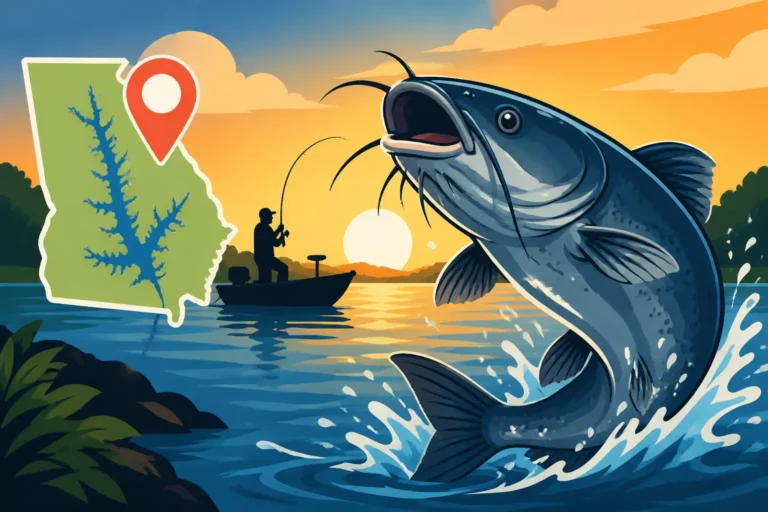
The Altamaha earned its moniker, the "River of Giants," for a very good reason: the immense fish that call its depths home. While many rivers boast good fishing, the Altamaha is legendary for its colossal catfish. We're talking about flathead and blue catfish that regularly tip the scales into the triple digits, making it a bucket-list destination for serious catfishing enthusiasts. Imagine battling a fish heavier than a small person, feeling that raw power as it tries to pull your rod from your hands—that's the kind of experience the Altamaha offers.
Beyond catfish, the river holds other impressive specimens. Trophy-sized largemouth bass lurk in its oxbow lakes and backwaters, and the seasonal runs of striped bass can bring in truly massive fish. It's this potential for an encounter with something truly extraordinary that keeps anglers coming back, year after year, patiently waiting for that one monumental bite. The stories of these giants are not just tall tales; they are the very fabric of the Altamaha's angling allure, a promise of unforgettable adventure for those willing to brave its waters.
Top Fish Species to Target in the Altamaha River
The Altamaha River truly offers something for everyone, regardless of your preferred target species. Its diverse habitats support a wide array of fish, meaning you can adjust your strategy based on the season, water conditions, and what you're hoping to put on the end of your line. From bottom-dwelling behemoths to schooling predators, the Altamaha is packed with opportunities.
The Mighty Catfish: Flatheads, Blues, and Channels
When most people talk about the Altamaha, the first thing that comes to mind is catfish, and for good reason. This river is arguably one of the best places in the Southeast to target trophy catfish. You'll find three main species here: flathead, blue, and channel catfish, each with their own habits and preferred baits. Flatheads are often found near submerged timber and prefer live bait, like small bream or shad. They are ambush predators and will often hide in cover waiting for prey. Blue catfish, on the other hand, are more schooling fish and can be found in deeper holes or along ledges, often responding well to cut bait. Channel catfish are the most common and widely distributed, biting on everything from worms to stink bait, making them a great target for casual anglers and families.
The sheer size of the catfish here is what draws the most attention. It's not uncommon for anglers to pull out flatheads and blues weighing over 50 pounds, with some exceeding 100 pounds. Landing one of these giants requires heavy-duty tackle, a lot of patience, and a strong back! For detailed information on these species, check out our Catfish Species Guide: Channel, Blue, and Flathead Catfish.
Largemouth Bass and Bream Action
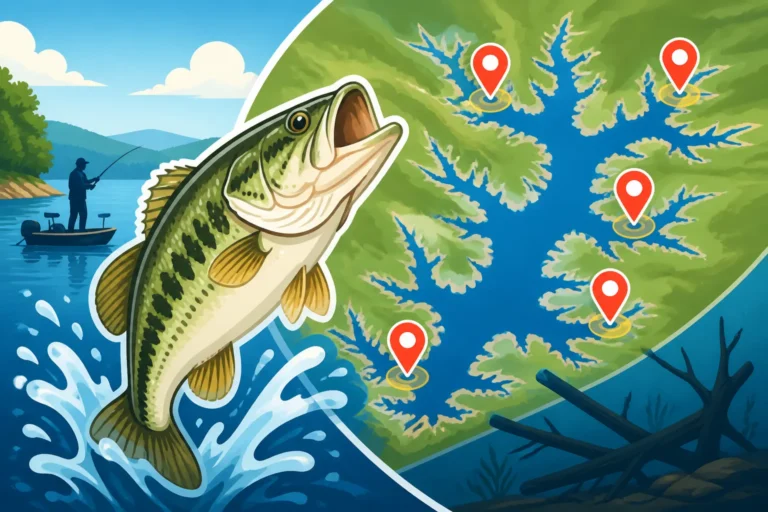
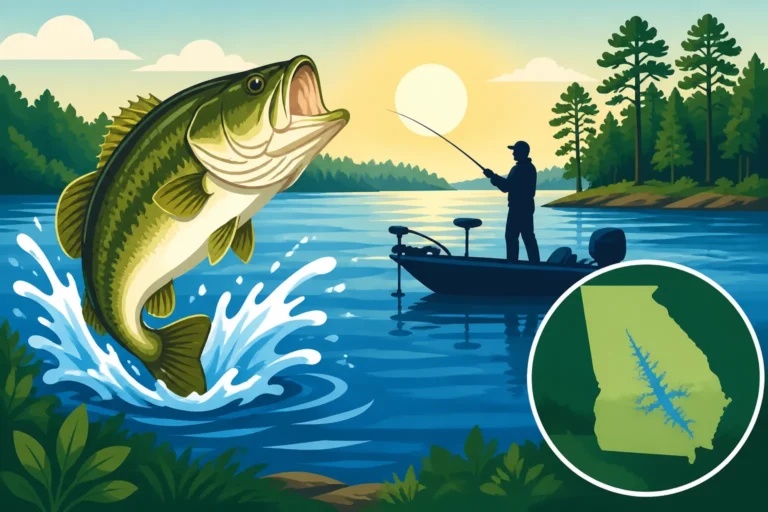
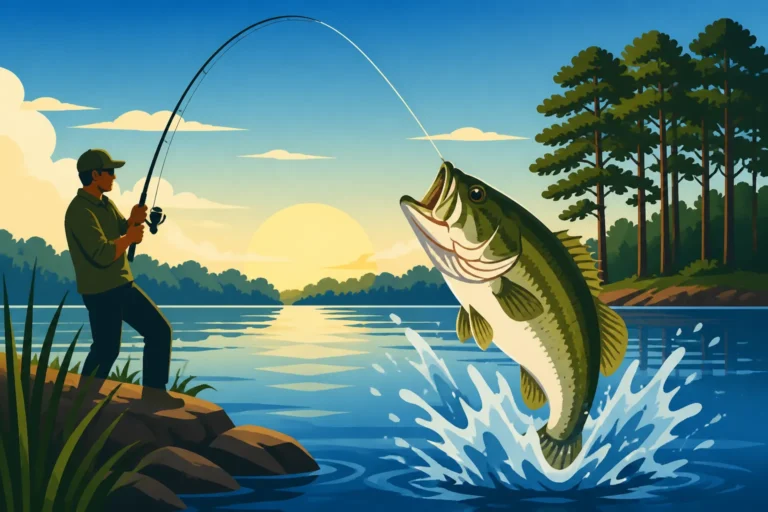
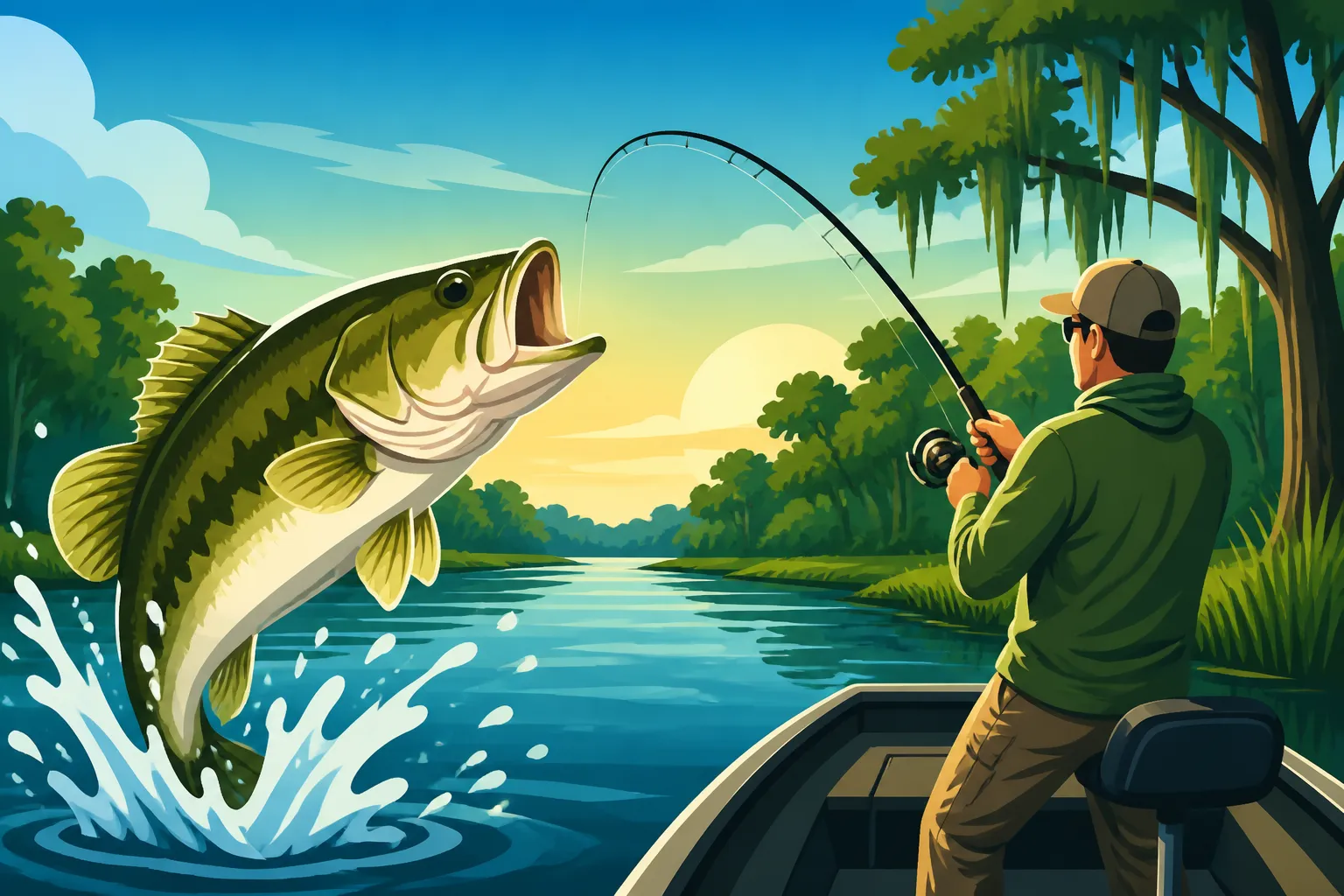
While the catfish get a lot of the glory, the Altamaha also boasts a healthy population of largemouth bass. These aren't your typical lake bass; river bass often exhibit more aggressive tendencies due to the current and cover. They thrive in the river's numerous oxbow lakes, sloughs, and backwater areas where the current is less intense and there's plenty of submerged timber and vegetation for ambush points. Spinnerbaits, jigs, and soft plastics fished around these structures are often highly effective. Topwater lures can also produce explosive strikes, particularly during low-light conditions or in areas with thick cover.
Beyond bass, the Altamaha is fantastic for bream (sunfish) species, including bluegill, redbreast sunfish, and warmouth. These panfish are abundant in the slower-moving sections, around lily pads, and under overhanging banks. They're a perfect target for beginners and kids, offering consistent action on simple setups with crickets, worms, or small artificial lures. Fishing for bream is a wonderful way to introduce new anglers to the sport, providing plenty of bites and beautiful fish. Our Largemouth Bass Fishing in Georgia: The Complete Species Guide offers more insights into chasing these popular game fish.
Striper and Shad Runs
The Altamaha River is a critical migratory pathway for several anadromous species, most notably striped bass and American shad. In the spring, usually from late February through April, these fish push upriver from the Atlantic Ocean to spawn. This creates incredible, albeit seasonal, fishing opportunities. Striped bass, or "stripers," can reach impressive sizes during these runs, offering a powerful fight in the river's strong currents. They can be caught using a variety of methods, including live bait (such as shad or herring), large artificial lures like bucktail jigs, or even by trolling. For more about these powerful fish, take a look at our Striped Bass and Hybrid Striped Bass in Georgia Waters guide.
American shad, while smaller, provide fast and furious action on light tackle. Anglers often target them using small spoons, jigs, or flies that mimic baitfish. The shad run is a beloved tradition for many Georgia anglers, offering a chance to catch dozens of fish in a single outing. It's a fantastic way to experience a different kind of river fishing, one where quantity often rivals quality in terms of excitement.
Prime Fishing Spots and Access Points Along the Altamaha
The sheer size of the Altamaha means that "fishing the Altamaha" isn't a single experience; it varies dramatically depending on where you drop your line. From its freshwater upper reaches to its brackish lower sections, understanding the different zones and their access points is key to a successful trip. The good news is that public access is generally good, with numerous boat ramps and some bank fishing opportunities scattered along its length.
Upper River: Darien and Surrounding Areas
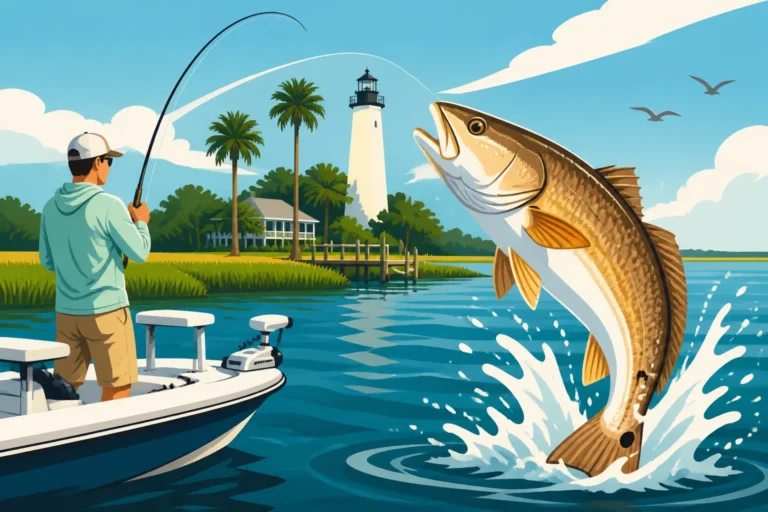
As the Altamaha River nears the coast, it widens considerably and begins to feel the tidal influence. The areas around Darien, a historic coastal town, and further upstream towards Buffalo Creek, offer excellent fishing for both freshwater and brackish species. Here, you'll still find impressive catfish, bass, and bream, but also the increasing presence of saltwater species like redfish and flounder in the tidal creeks and estuaries, especially during warmer months. The transition zone provides a unique challenge and opportunity for anglers looking to catch a diverse bag.
Boat ramps in this section, such as those near Darien or at Altamaha WMA, offer good access to the main river and its many tributaries and oxbows. These areas are particularly popular during the spring shad and striped bass runs, as these fish congregate before pushing further upstream. Exploring the myriad creeks and sloughs off the main river can reveal hidden honey holes for bass and panfish. If you're new to the area, or simply want to maximize your time on the water, consider hiring a local guide. Services like FishingBooker can help you find experienced captains who know these waters intimately and can put you right on the fish, making your trip much more productive.
Mid-River: Jesup and Waycross Access
Moving upstream, the river maintains its wild character, passing through less developed areas near towns like Jesup and Waycross. This mid-river section is renowned for its excellent catfish and bass fishing. The river here features numerous deep bends, submerged logs, and sandbars, all of which are magnets for fish. The currents can be strong, so understanding river dynamics is crucial. For those targeting the truly giant catfish, these middle stretches are often prime territory. Look for deep holes adjacent to sharp bends or large logjams.
Access points around Jesup, like the Jesup Public Boat Ramp or the Penholoway Creek boat launch, provide entry to these productive areas. Further west, near Waycross, you can access the Satilla River, which feeds into the Altamaha system, offering similar angling opportunities. These spots are typically less crowded than the coastal areas, providing a more serene and wild fishing experience. Bank fishing opportunities can be found at some public landings, though boat access generally provides the best reach to prime spots. For those planning a multi-day adventure, camping is available at some nearby state parks or wildlife management areas.
Lower River: Near the Coast and Estuaries
The very lower reaches of the Altamaha, where it meets the Atlantic, are a complex network of marshes, tidal creeks, and the vast Altamaha Sound. This is a dynamic, nutrient-rich environment where freshwater and saltwater species intermingle, especially in the brackish zones. While freshwater species like catfish can still be caught here, this section shines for its saltwater offerings: redfish, speckled trout, flounder, and even some seasonal tarpon or sharks. The fishing here is highly dependent on the tides, which bring in baitfish and move predatory species around.
Popular access points include Butler Island, Altamaha Sound, and various ramps around St. Simons Island or Brunswick. The marshes provide incredible sight-fishing opportunities for redfish, especially during low tide. For anglers interested in a true coastal fishing adventure, this area is unparalleled. You'll need to be mindful of tides and understand how they influence fish behavior. If you’re visiting from out of state and don't have all your gear, or just want a hassle-free experience, a guided trip can be a lifesaver. Many guides listed on FishingBooker provide all the necessary tackle, bait, and even help you understand the local nuances, ensuring you’re prepared for the unique challenges of the coastal Altamaha. This area truly highlights the diversity found in Coastal Georgia Fishing Spots Guide.
Essential Techniques and Gear for Altamaha River Fishing
Success on the Altamaha River hinges on understanding the specific techniques and gear required for its diverse fish species and challenging conditions. It's not a place for one-size-fits-all tackle; adapting your approach is key. From heavy-duty catfish rigs to finesse tactics for bass, being prepared will make all the difference.
Mastering Catfish Techniques
For the giants of the Altamaha, heavy tackle is non-negotiable. You'll want stout rods, capable of handling at least 50-pound test line, paired with robust conventional or large spinning reels. Braided line is a popular choice due to its strength and sensitivity. Terminal tackle often involves heavy sinkers (2-8 ounces or more, depending on current) to hold bait on the bottom, strong swivels, and large, sharp circle hooks (sizes 7/0 to 10/0 are common).
When targeting flatheads, live bait is king. Small bream, shad, or even robust goldfish are excellent choices. Rig them through the back or lips to keep them lively. For blue catfish, fresh cut bait—like strips of shad, mullet, or skipjack herring—is incredibly effective. Position your boat over deep holes, along ledges, or near significant submerged cover. Anchoring securely is often necessary due to the strong current. Many anglers also have great success with Jug Fishing for Catfish on the Altamaha, which allows you to cover a wider area. Patience is paramount; sometimes, you have to wait for hours for that monster bite.
Bass and Bream Strategies
While the Altamaha is known for its catfish, don't underestimate its bass and bream fishing. For largemouth bass, focus on the calmer waters of oxbows, sloughs, and creek mouths. Target areas with visible cover like cypress trees, fallen logs, and lily pad fields. Standard bass fishing gear works well here: medium-heavy spinning or baitcasting rods, 10-20 pound test fluorocarbon or braided line, and a variety of lures. Spinnerbaits, chatterbaits, Texas-rigged worms, creature baits, and jigs are excellent choices for probing cover. Topwater lures like frogs or poppers can be thrilling in the lily pads during low-light conditions.
Bream fishing is much simpler and incredibly rewarding. Light spinning rods or even cane poles with small hooks (size 6-10), bobbers, and live bait like crickets, worms, or small beetle spins are all you need. Focus on calmer water, especially around shallow cover, docks, or overhanging vegetation. Bream are plentiful and eager biters, making them ideal for a relaxed day on the water or for introducing kids to fishing.
Seasonal Approaches for Shad and Stripers
The spring runs of American shad and striped bass require specific seasonal tactics. For shad, light tackle is the way to go – ultralight spinning gear with 4-6 pound test line. Small, brightly colored shad darts, spoons, or small spinnerbaits in silver, chartreuse, or pink are highly effective. Cast upstream and let them drift naturally with the current, retrieving slowly. Shad often concentrate in specific channels, so once you find them, the action can be non-stop.
Striped bass during their spawning run are powerful fish that demand heavier gear. Medium-heavy to heavy spinning or conventional rods, spooled with 20-50 pound test monofilament or braid, are appropriate. Live bait, particularly threadfin shad or herring, fished on a Carolina rig or free-lined, is a top choice. Large bucktail jigs, swimbaits, and even large topwater plugs can also entice aggressive stripers. Target them in deeper channels, at the mouths of creeks, or below significant current breaks. The key is to be present during the peak of the run, usually from late February through April, though specific timing can vary with water temperature.
Here’s a quick overview of species, common baits, and optimal times:
| Species | Best Baits / Lures | Optimal Season (General) | Notes |
|---|---|---|---|
| Flathead Catfish | Live Bream, Shad, Goldfish | Year-round, best Summer | Heavy cover, deep holes, strong current |
| Blue Catfish | Cut Shad, Mullet, Skipjack Herring | Year-round, best Fall/Winter | Deeper channels, ledges, schooling |
| Channel Catfish | Worms, Stink Bait, Cut Bait | Year-round | Widespread, easier to catch, good for beginners |
| Largemouth Bass | Spinnerbaits, Jigs, Soft Plastics, Topwater | Spring, Fall | Oxbows, sloughs, submerged timber, lily pads |
| Bream (Sunfish) | Crickets, Worms, Small Jigs, Beetle Spins | Spring, Summer | Shallow cover, docks, overhanging banks, calm water |
| Striped Bass | Live Shad/Herring, Large Bucktail Jigs, Swimbaits | Spring (Spawning Run) | Main river channels, creek mouths, strong current |
| American Shad | Small Shad Darts, Spoons, Flies | Spring (Spawning Run) | Main river channels, swift current |
Navigating the Altamaha: Boating and Safety Tips
Boating on the Altamaha River is an experience in itself, but it comes with unique challenges due to its wild nature, shifting currents, and abundant submerged hazards. Safety should always be your top priority, whether you're in a small jon boat or a larger center console. Understanding the river's characteristics and adhering to regulations will ensure a safe and enjoyable trip.
Navigational Challenges and Markers
Unlike many developed lakes, the Altamaha River isn't extensively marked with navigational buoys in its upper and middle reaches. This means boaters must rely heavily on visual cues, charts (if available), and local knowledge. The main channel can shift, and sandbars can appear or disappear, especially after heavy rains. Submerged logs, cypress knees, and fallen trees are common, posing significant hazards, particularly when running at speed. Always be vigilant, keep an eye on your depth finder, and if you're unfamiliar with a stretch, proceed slowly.
The lower, tidal sections near the coast often have better-marked channels, especially those used for commercial traffic, but even here, shallow flats and oyster beds can be treacherous at low tide. Understanding the rhythm of the tides is critical in these areas, as water levels can change by several feet. Consult local tide charts before you go. Remember, running aground on a sandbar or hitting a submerged log can quickly turn a fun day into a dangerous situation. Having a reliable GPS unit with detailed mapping can be a huge asset.
Required Safety Gear and Regulations
Operating a boat on the Altamaha, or any Georgia waterway, requires adherence to specific safety regulations. This isn't just about avoiding a fine; it's about protecting yourself and your passengers. Every vessel must carry a sufficient number of Coast Guard-approved Georgia Life Jacket Laws for Boaters and Kids, readily accessible for everyone on board, and children under 13 must wear one at all times when the boat is underway. Additionally, you'll need a throwable flotation device, a sound-producing device (like a whistle or horn), and navigation lights if operating between sunset and sunrise. Depending on your boat's length and engine type, a fire extinguisher may also be required.
For those born on or after January 1, 1998, a Georgia Boater Education Card is mandatory to operate a motorized vessel. Even if you're exempt, taking a boater education course is highly recommended; it provides invaluable knowledge on safe boating practices, navigation rules, and emergency procedures. You can learn more about these requirements in our Georgia Boater Education Card Requirements guide. Always file a float plan with someone on shore, letting them know where you're going and when you expect to return, especially when exploring remote areas of the Altamaha.
Conservation and Responsible Angling on the Altamaha
Fishing the Altamaha River isn't just a pastime; it's a privilege. Its wild beauty and abundant fish populations are a testament to its protected status, and it's every angler's responsibility to ensure it remains that way for future generations. Practicing responsible angling and adhering to conservation guidelines is crucial for preserving this unique ecosystem.
Understanding Local Regulations and Limits
Before you even think about casting a line, make sure you understand the specific fishing regulations for the Altamaha River. These include statewide rules but can also have specific nuances for certain areas or species. First and foremost, a valid Georgia Fishing License Guide is required for anyone 16 years of age or older. Always carry your license with you and be prepared to show it to game wardens.
Beyond licensing, pay close attention to bag limits (creel limits) and size limits for different species. For example, while catfish can reach impressive sizes, there might be limits on the number of large fish you can keep. Bass, bream, and especially migratory species like striped bass and shad, will have specific regulations designed to protect their populations. These regulations can change, so it's a good habit to consult the latest Georgia Department of Natural Resources (DNR) fishing regulations handbook or website before each season. Our Georgia Fish Size and Creel Limits guide can provide a general overview, but always double-check the most current regulations. Adhering to these rules isn't just about legality; it's about sustainable fishing.
Practicing Catch and Release
While it's thrilling to keep a few fish for the dinner table, practicing catch and release, especially for larger breeding stock or species you don't intend to eat, is vital for the long-term health of the Altamaha's fisheries. This is particularly true for trophy catfish and largemouth bass, which contribute significantly to the genetic pool. If you do plan to release a fish, handle it with care to maximize its chances of survival.
Here are some best practices for catch and release:
- Minimize Fight Time: Bring the fish in quickly to reduce stress.
- Use Barbless Hooks: These are much easier to remove and cause less damage.
- Keep Fish in Water: If possible, unhook the fish while it's still in the water. Avoid dragging it onto hot, dry surfaces.
- Wet Your Hands: Always wet your hands before handling a fish to protect its protective slime coat.
- Support the Fish Properly: Hold larger fish horizontally, supporting their belly, especially catfish and bass. Avoid holding them vertically by the jaw, which can damage their internal organs.
- Quick Photo, Quick Release: If taking a picture, do it quickly and get the fish back in the water as soon as possible.
- Revive If Necessary: If a fish seems sluggish, hold it gently in the water, facing into the current, until it regains strength and can swim away on its own.
By being mindful of regulations and practicing responsible handling, we can all contribute to keeping the Altamaha River the "River of Giants" it's known to be for generations of anglers to come.
Disclaimer
Fishing inherently involves risks, including but not limited to injuries, equipment damage, and adverse weather conditions. The information provided in this guide is for informational purposes only and should not be considered a substitute for professional advice, local expertise, or current regulations. Always prioritize safety, check official Georgia Department of Natural Resources (DNR) guidelines, and use common sense when planning and executing any fishing trip. The author and publisher are not responsible for any accidents, injuries, or losses incurred while following the advice in this guide.