Blue Ridge WMA trout size limit
It’s easy to feel overwhelmed by all the different rules and regulations when you’re planning a fishing trip, especially when you venture into Georgia’s beautiful but highly regulated Wildlife Management Areas (WMAs). Many anglers get tripped up trying to figure out if their favorite stream in the Blue Ridge WMA has a special trout size limit. This guide is here to clear up that confusion, diving deep into the specific regulations you need to know to fish legally and responsibly for trout in this incredible area.
Navigating the Blue Ridge WMA Trout Size Limits
The Blue Ridge Wildlife Management Area is a gem for trout anglers, offering some truly spectacular fishing opportunities in the North Georgia mountains. However, unlike general state waters, WMAs often have their own set of specific rules that can be a little different from what you might expect. It’s not a one-size-fits-all situation here, and misunderstanding these nuances can quickly lead to a frustrating experience or even a citation.
The Importance of Knowing Creek-Specific Rules
You might think that a WMA would have a blanket rule for all its waters, but that's rarely the case, especially when it comes to trout. Within the sprawling Blue Ridge WMA, different creeks and sections of rivers are managed individually, often with distinct regulations designed to protect specific fish populations or enhance the fishing experience. This means that the rules for, say, Noontootla Creek, could be vastly different from those on Rock Creek or other tributaries in the same WMA. This specificity is why it's so incredibly important to check the current regulations for the exact stream you plan to fish before you ever wet a line. It’s a common frustration, I know, but it’s absolutely essential for a successful and lawful trip. For a broader look at how these rules can vary, you might find our guide on How trout size limits differ from creek to creek in Georgia insightful.
Deep Dive into Noontootla Creek Regulations
Noontootla Creek, flowing through the Blue Ridge WMA, is a prime example of a stream with highly specific and strict trout regulations. This creek is renowned for its trophy-potential trout and pristine waters, and its rules reflect a strong commitment to conservation and quality fishing.
From November 1 through May 14, Noontootla Creek operates under strict catch-and-release only rules for all trout species. During this period, you cannot keep any trout, regardless of their size. It's a fantastic time for fly anglers looking for a pure catch-and-release experience, often with artificial lures with single hooks.
When the calendar turns to May 15 and runs through October 31, the regulations shift to allow for keeping fish, but with very specific and challenging size limits. During these months, the daily creel limit for trout on Noontootla Creek is a mere one fish per angler. And that one fish must meet some serious minimum length requirements:
- Brown and Rainbow Trout: Minimum length of 16 inches.
- Brook Trout: Minimum length of 18 inches.
These are some of the toughest size limits you'll find in Georgia, and they're in place for a good reason – to foster truly exceptional trout fishing by allowing fish ample time to grow. It means you'll be doing a lot of careful measuring and probably releasing many beautiful fish, but the reward is the chance to hook into a true lunker.
Understanding General Regulations in Other WMA Streams
While Noontootla Creek boasts very specific and strict rules, other popular streams within or adjacent to the Blue Ridge WMA, like Rock Creek or Cooper Creek, might fall under more general statewide trout regulations or have slightly less stringent WMA-specific rules. For instance, many streams that are regularly stocked by the Georgia Department of Natural Resources (DNR) often adhere to the statewide daily creel limit of eight trout per day, with no minimum size limit, unless designated otherwise.
However, even in these seemingly "general" areas, it's prudent to double-check. The Georgia DNR publishes an annual fishing regulations guide that is your absolute best friend when planning a trip to any WMA. You can usually find these guides online, at bait shops, or even at Ranger Stations within the WMAs. Never assume; always verify. Knowing the current rules before you leave home will save you a lot of headaches and ensure your trip is enjoyable and compliant.
Why These Special Regulations Exist
It’s easy to grumble about complex regulations, especially when you’re just trying to enjoy a peaceful day on the water. But trust me, these specific rules, like those found in the Blue Ridge WMA, aren’t arbitrary. They’re carefully crafted by fisheries biologists and wildlife managers with very important goals in mind, primarily focused on conservation and enhancing the quality of your fishing experience.
Protecting Georgia's Native Brook Trout
One of the primary drivers behind strict regulations in sensitive areas like the Blue Ridge WMA is the protection of Georgia's native trout species, particularly the Southern Appalachian Brook Trout. These beautiful, vibrant fish are the only trout species truly native to Georgia's cold mountain streams. Over the years, their populations have faced challenges from habitat loss, competition with introduced rainbow and brown trout, and historical overfishing.
Stricter size limits, like the 18-inch minimum for brook trout on Noontootla Creek, and catch-and-release periods, are crucial conservation tools. They allow brook trout to reach maturity, spawn multiple times, and contribute to the genetic health of the population. When you catch and carefully release a small brook trout in a WMA, you're directly contributing to the survival and flourishing of this vital native species. Learning more about Brook Trout: Georgia's Only Native Trout Species can help you understand why these efforts are so important.
Enhancing Trophy Opportunities and Fishery Management
Beyond native species protection, these specialized regulations are also designed to create and sustain "trophy" fisheries. Think about it: if every legal-sized fish is kept, streams can quickly become depleted of larger, more mature individuals. By implementing higher minimum size limits and lower creel limits (like that one-fish-per-day rule on Noontootla Creek), managers encourage anglers to release most of their catches. This allows more fish to grow to impressive sizes, increasing the likelihood that you, or another angler, will eventually hook into a truly memorable, wall-hanger trout.
This kind of management also helps maintain a healthier overall fish population by balancing predator and prey relationships and reducing fishing pressure on smaller, younger fish. It’s about creating a sustainable system that provides a high-quality experience for serious anglers who prioritize the challenge of catching larger fish. The goal is not just to have fish, but to have bigger, healthier fish.
The Role of Wildlife Management Areas in Conservation
Wildlife Management Areas, like the Blue Ridge WMA, are fundamental pillars of conservation in Georgia. These state-owned or managed lands serve multiple purposes, including providing public access for hunting, hiking, and, of course, fishing. Crucially, they also act as living laboratories and critical habitats for diverse wildlife populations.
The specific regulations you encounter within a WMA are a direct result of ongoing scientific monitoring and management efforts. Fisheries biologists regularly assess fish populations, habitat health, and angler pressure to make informed decisions about bag limits, size limits, and gear restrictions. WMAs are often at the forefront of innovative conservation strategies, and the trout fishing rules in places like the Blue Ridge WMA are a testament to Georgia's commitment to preserving its natural heritage for current and future generations. They are often among the Best Trout Streams in Georgia because of these dedicated management practices.
Practical Tips for Fishing the Blue Ridge WMA
Stepping into a WMA like the Blue Ridge for trout fishing is an adventure, but it requires a bit more preparation than just heading to your local pond. With stricter regulations and often more challenging terrain, a little foresight goes a long way.
Essential Gear and Preparedness for Regulated Waters
When fishing in a WMA with specific size limits and potentially catch-and-release rules, your gear becomes even more important. You’ll want to be prepared for precision fishing and careful handling of fish.
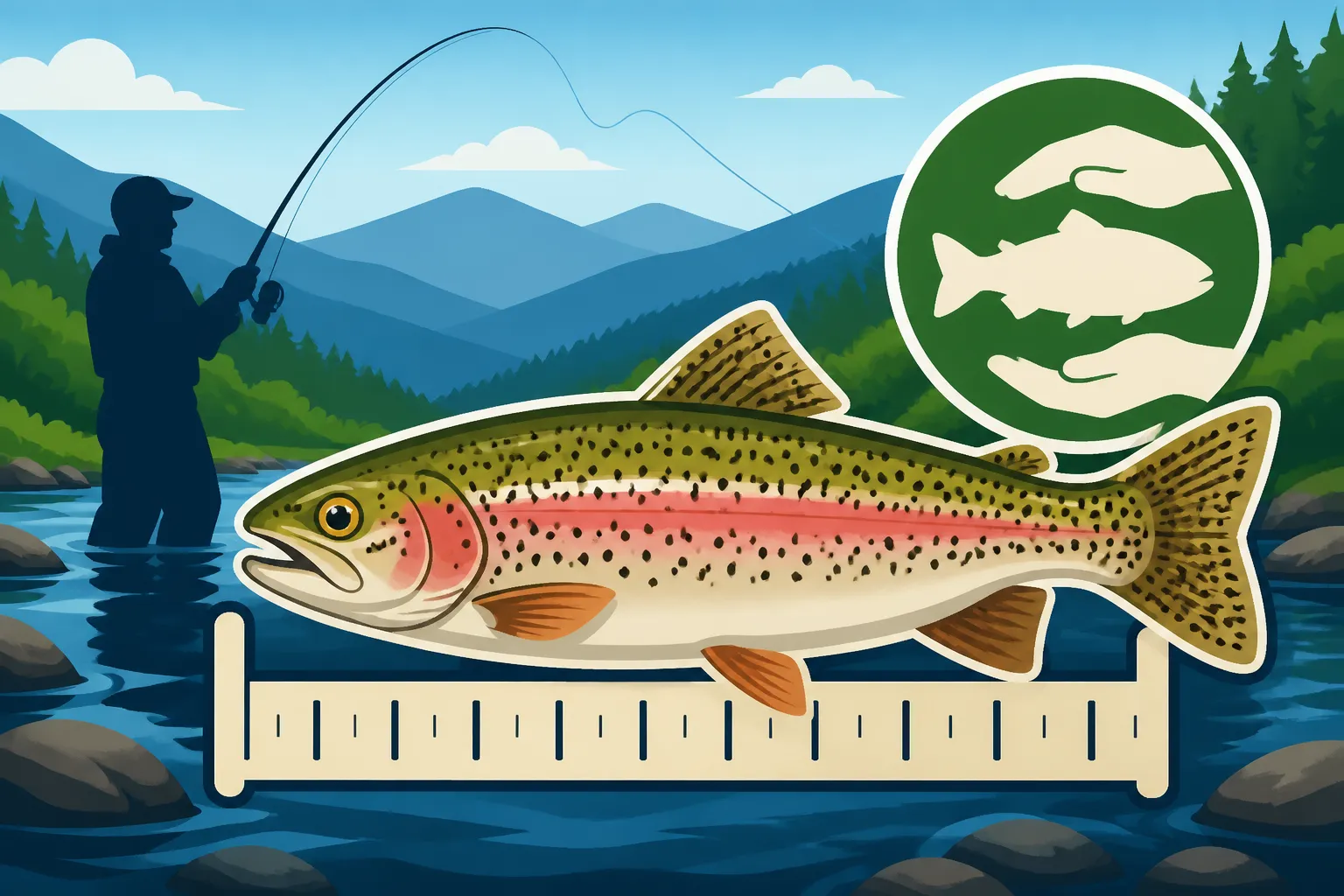
- Measuring Device: A small, flexible measuring tape or a specialized fish measuring board is indispensable. Don't eyeball it; a few inches can be the difference between a legal fish and a fine. Many anglers keep one handy, sometimes even attached to a vest or tackle box. You can find excellent, durable options on platforms like Amazon.
- Appropriate Tackle: For wilder, regulated streams, lighter rods and reels (e.g., ultralight spinning gear or a 3-5 weight fly rod) are often preferred. The goal is usually presentation over brute force.
- Nets: A rubber-coated, knotless landing net is a must for catch-and-release. It minimizes damage to the fish’s slime coat, fins, and scales. Again, Amazon offers a wide selection.
- Forceps/Pliers: Essential for quickly and gently removing hooks, especially if you’re using single, barbless hooks as often recommended in these sensitive areas.
- Waders and Boots: Many of these streams require wading to access the best spots, so good quality waders and wading boots with felt or rubber soles for traction are vital.
Remember, the emphasis is on being stealthy, making accurate casts, and protecting the fish you catch.
Checking Current Regulations Before You Go
I cannot stress this enough: always, always check the absolute latest fishing regulations before you head out. Regulations can change seasonally, and there might be emergency closures or updates that aren't widely advertised.
- Georgia DNR Website: This is your authoritative source. Bookmark their fishing regulations page and consult it before every trip.
- Official Fishing Guide: Pick up a physical copy of the Georgia Fishing Regulations Guide, often available at sporting goods stores, bait shops, and some DNR offices.
- WMA-Specific Rules: Some WMAs might have additional signage or handouts at their entrances detailing specific rules for that area.
Not knowing the rules is rarely an acceptable excuse. Ignoring them can lead to significant Penalties for Fishing Without a License in Georgia or for violating creel and size limits, which can include hefty fines, confiscation of gear, and loss of fishing privileges. It's simply not worth the risk. Always confirm that you have your current Georgia Fishing License Requirements in order, too, and any necessary endorsements like a Mountain Trout License Add-On in Georgia if you're fishing designated trout waters.
Best Practices for Catch and Release in Sensitive Areas
Since many areas in the Blue Ridge WMA have strict size limits or catch-and-release seasons, mastering proper catch-and-release techniques is not just good sportsmanship, it’s a necessity for preserving the fishery.
- Minimize Fight Time: Use appropriate tackle that can land the fish quickly without completely exhausting it.
- Handle with Care: Wet your hands before touching the fish to protect its delicate slime coat. Avoid squeezing or putting fingers in its gills.
- Keep it Wet: Try to keep the fish in the water as much as possible, especially during hook removal and photos. A quick snapshot is fine, but extended air exposure is detrimental.
- Quick Hook Removal: Use forceps or needle-nose pliers to remove hooks gently and quickly. Consider using barbless hooks, which make release much easier and less damaging.
- Revive Properly: If the fish seems sluggish, hold it gently upright in the water, facing upstream, until it can swim away under its own power. Don't just toss it back.
Practicing these techniques ensures that the fish you release have the best possible chance of survival, contributing to the health and abundance of trout in these special waters.
Comparing Blue Ridge WMA Limits to Other Georgia Waters
To truly appreciate the specific regulations in the Blue Ridge WMA, it helps to put them into context by comparing them to the general trout fishing rules across Georgia. This comparison really highlights just how unique and protective these WMA regulations are.
General State Trout Regulations vs. WMA Specifics
Most of Georgia's trout waters fall under what are considered "general regulations." These are typically less restrictive than the specific rules found in places like Noontootla Creek.
Here's a quick comparison to illustrate the difference:
| Regulation Aspect | General Trout Waters in Georgia | Noontootla Creek (Blue Ridge WMA) |
|---|---|---|
| Daily Creel Limit | 8 trout (no more than 5 brown or rainbow trout, only 2 brook trout) | Nov 1 – May 14: 0 (Catch & Release Only) |
| May 15 – Oct 31: 1 trout (any species) | ||
| Minimum Size Limit | None for most general waters | Nov 1 – May 14: None (Catch & Release Only) |
| May 15 – Oct 31: 16 inches for Brown & Rainbow; 18 inches for Brook | ||
| Terminal Tackle | Artificial lures and natural bait allowed | Artificial lures with single hooks only |
As you can clearly see, the regulations on Noontootla Creek within the Blue Ridge WMA are significantly more restrictive, particularly regarding size and creel limits, and even the type of tackle you can use. This table shows just how different they are from the Daily Creel Limits for Trout in Georgia that apply to most other streams. It's these kinds of stark differences that underscore the importance of checking local rules.
Understanding Delayed Harvest Streams and Their Rules
Another special category of trout water that often exists within or near WMAs, and is sometimes confused with strict size limit areas, are "Delayed Harvest" streams. While also highly regulated, their rules are different from the year-round trophy management on Noontootla Creek.
Georgia's Delayed Harvest Trout Streams in Georgia operate on a seasonal cycle:
- November 1 to May 14: These streams are strictly catch-and-release only, and only artificial lures with single hooks are permitted. During this period, they provide an incredible opportunity for high-numbers catch-and-release fishing, as they are heavily stocked with trout.
- May 15 to October 31: The rules revert to general trout regulations, meaning you can keep fish up to the statewide creel limit, and all legal baits and lures are allowed.
So, while both Delayed Harvest streams and special regulation areas like Noontootla Creek offer catch-and-release opportunities during certain times, the specific reasons and duration differ. Delayed Harvest is about providing a specific seasonal experience, while areas like Noontootla are often managed for larger, wilder fish year-round through very tight size and creel limits. Understanding these distinctions is key to a rewarding and legal fishing trip in Georgia's diverse trout waters. Keep an eye on the Georgia Trout Stocking Schedule for these streams, as it can influence when and where you decide to fish!
Disclaimer
Please remember that fishing regulations, including size and creel limits, can change. While this guide aims to provide accurate and up-to-date information regarding the Blue Ridge WMA trout size limits, it is your responsibility to consult the most current Georgia Department of Natural Resources (DNR) fishing regulations before embarking on any fishing trip. Always verify the rules for the specific body of water you intend to fish.