Saltwater fishing permit rules on the Georgia coast
Navigating the rules and regulations for fishing in Georgia can sometimes feel like trying to untangle a particularly stubborn fishing line, especially when it comes to saltwater. Many folks wonder if they need a special permit to cast a line in the coastal waters, even if they already have a regular fishing license. It's a common point of confusion, but don't you worry! This comprehensive guide will clear up all the mystery surrounding Georgia's saltwater fishing permit rules, ensuring you're fully prepared and compliant for your next coastal adventure.
Understanding Georgia's Saltwater Information Permit (SIP)
Let's start by demystifying the Georgia Saltwater Information Permit (SIP). This isn't just a bureaucratic hurdle; it's a vital tool for conservation and management, and understanding its role is key to being a responsible angler on the coast.
What Exactly is the SIP and Why Do You Need It?
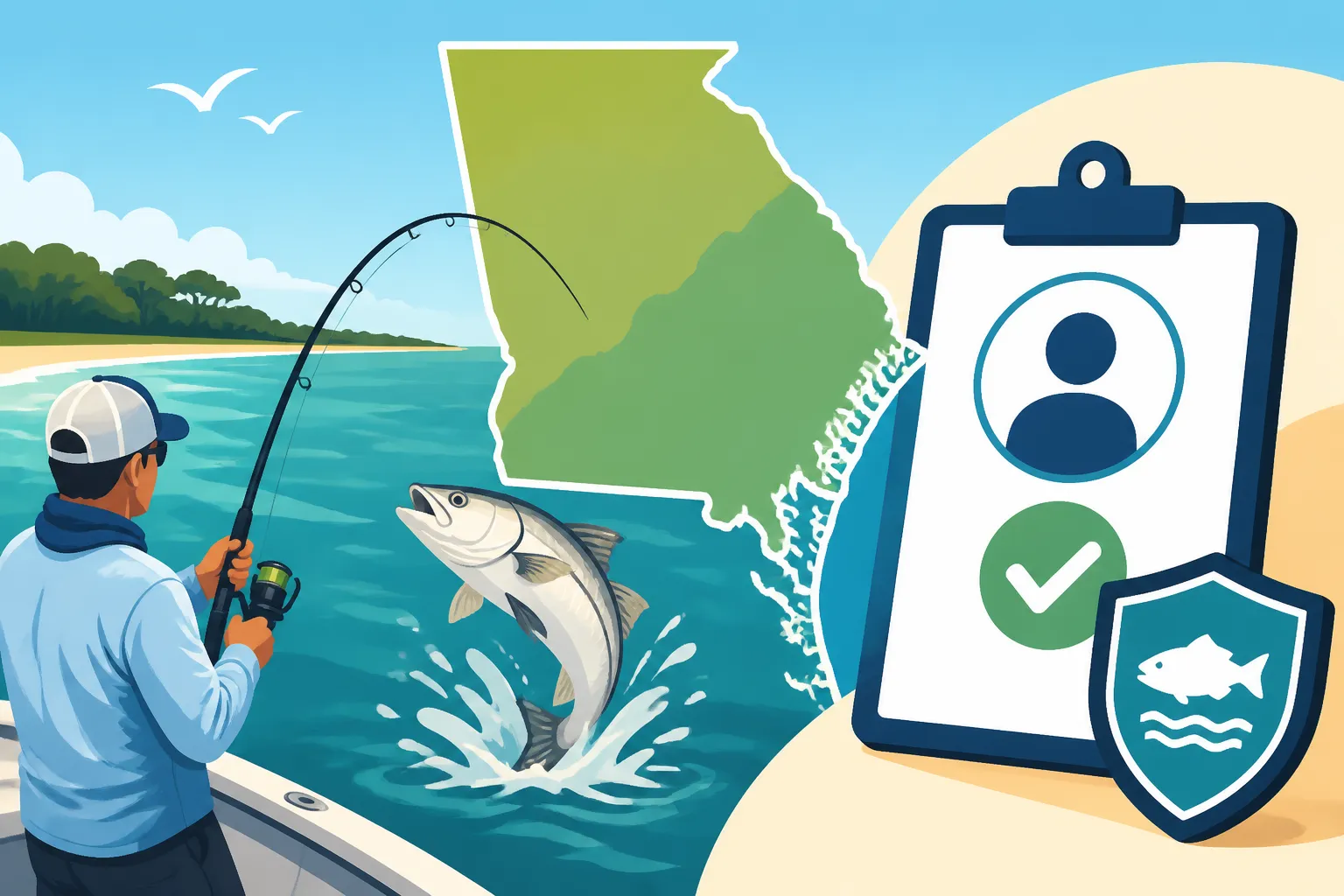
The Georgia Saltwater Information Permit, or SIP, is a special, free permit that is required for anyone fishing in Georgia's saltwater (tidal) areas. Think of it as an important data-collection tool for the Georgia Department of Natural Resources (DNR). While it doesn't cost a dime, it's absolutely mandatory. The data collected from these permits helps the state monitor fishing effort, track angler participation, and ultimately, make informed decisions about managing Georgia's valuable marine resources. It’s all about ensuring sustainable fishing for generations to come. Without accurate information on who is fishing and where, it's much harder to set appropriate size and creel limits or plan habitat restoration projects. This makes the SIP a cornerstone of overall Georgia Fishing Regulations Explained.
Who Needs a SIP and Who is Exempt?
The rules around who needs a SIP are pretty straightforward, but there are a few nuances to be aware of. Generally, if you're 16 years of age or older and plan to fish in Georgia's saltwater, you need a SIP. This applies to both Georgia residents and non-residents alike. It's an additional requirement, so even if you already have a general Georgia Fishing License Guide, you'll still need this specific permit for the coast.
However, there are some important exemptions:
- Kids Under 16: Just like with general fishing licenses, anglers under the age of 16 are typically exempt from needing a SIP. This aligns with the state's efforts to encourage young people to get out and fish, making it easier for families to enjoy the coast together. For more on this, check out Do Kids Need a Fishing License in Georgia?.
- Charter Passengers: If you're fishing on a licensed Georgia saltwater charter boat, you are generally covered by the vessel's permit and do not need to obtain an individual SIP. The charter captain takes care of the necessary licensing for everyone on board, allowing you to focus on the fishing!
- Saltwater Exemptions: Certain individuals who are exempt from needing a general fishing license (such as those fishing on property they own or family property, or those who qualify for a free senior lifetime license under specific conditions) may also be exempt from the SIP, but it’s always best to double-check with the Georgia DNR directly if you fall into one of these unique categories.
How the SIP Differs from a Regular Fishing License
This is where a lot of confusion lies: understanding that the SIP is in addition to your regular fishing license, not a replacement. You cannot simply have a SIP and go saltwater fishing without a valid Georgia fishing license. The SIP is an informational permit specifically for saltwater, while your fishing license grants you the general privilege to fish in the state's waters (both fresh and saltwater).
Think of it this way: your standard Georgia fishing license is your entry ticket to fish anywhere in the state. The SIP is like a special wristband you get for free once you're inside, specifically for the saltwater section of the park. You need both to be fully compliant. For a deeper dive into this distinction, read up on the Saltwater permit vs regular fishing license in Georgia. Whether you're a Georgia resident or an out-of-state visitor, the process for getting your general license is covered in guides like How to Get a Fishing License in Georgia.
Getting Your Georgia Saltwater Information Permit
The good news is that obtaining your SIP is incredibly easy and, as we've mentioned, completely free! The Georgia DNR has made the process as smooth as possible, encouraging everyone to comply.
The Simple Steps to Apply Online
The easiest and quickest way to get your SIP is online through the Georgia Department of Natural Resources (DNR) licensing website. Here's a step-by-step breakdown of how it usually works:
- Visit the Georgia DNR Licensing Portal: Head to the official Georgia Wildlife Resources Division (WRD) website. Look for the "Licenses & Permits" section.
- Log In or Create an Account: If you already have a Georgia fishing or hunting license, you'll likely have an existing account. Just log in with your customer ID and password. If you're new to the Georgia licensing system, you'll need to create a new customer profile. This involves providing some basic personal information like your name, address, and date of birth.
- Navigate to Saltwater Information Permit: Once logged in, you'll typically find an option to "Purchase Licenses/Permits" or "Add Permits." Look specifically for the "Saltwater Information Permit" or "SIP." It's usually clearly marked as a free item.
- Add to Cart and Checkout: Select the SIP and add it to your shopping cart. Even though it costs $0, you'll still need to go through a "checkout" process to finalize the transaction. Don't worry, no credit card information will be required.
- Confirm and Print/Save: After completing the checkout, you'll receive a confirmation. You'll usually have the option to print a copy of your permit directly from the website. It's also a good idea to save a digital copy to your phone or email. This online method is also how you can typically get your other licenses, as explained in How to Buy a Fishing License Online in Georgia.
Other Ways to Obtain Your Permit
While the online method is the most convenient, it's not the only way to get your SIP. The Georgia DNR understands that not everyone has easy access to a computer or prefers to handle things in person.
- By Phone: You can often call the Georgia DNR customer service line to obtain your SIP. Their friendly representatives can assist you over the phone, guide you through the process, and help ensure you're compliant.
- At a License Agent: Many sporting goods stores, bait shops, and some general stores across Georgia are official license agents. You can walk into one of these locations, and they can process your SIP for you. While it's free, they might charge a small transaction fee if you're also purchasing other licenses or items. To find a location near you, search for Georgia License Agents Near You.
What to Do Once You Have Your Permit
Once you've successfully obtained your SIP, the most crucial step is to ensure you have proof of it when you're out fishing. Just like with your regular fishing license, you need to be able to present it to a game warden or law enforcement officer if requested.
- Carry Physical Proof: If you printed your permit, keep that physical copy with you. A small laminated card works great for durability.
- Digital Proof on Your Phone: Many anglers opt to save a digital copy (a PDF or screenshot) on their smartphone. This is perfectly acceptable, but make sure your phone is charged!
- Know Your Customer ID: Even if you don't have a physical or digital copy on hand, knowing your Georgia DNR customer ID number can often allow a game warden to look up your license and permit status on their system. It's always a good backup.
Common Questions and Misconceptions About the SIP
Let's tackle some of those lingering doubts and common misunderstandings about the Georgia Saltwater Information Permit.
Addressing the "Is it Really Free?" Question
Yes, it really is free. This isn't a trick or a hidden fee. The Georgia DNR intentionally made the SIP free to eliminate any financial barrier to participation and to maximize compliance. The primary goal, as mentioned, is data collection for effective fisheries management. If there were a cost associated, fewer people would get it, and the data would be incomplete. So, when you hear about Georgia's Free Saltwater Fishing Permit, rest assured, it's genuinely free. Your participation helps maintain the health of Georgia’s coastal fisheries.
When and Where the SIP is Required
Understanding the boundaries of "saltwater" or "tidal waters" in Georgia is important. The SIP is required whenever you are fishing in any water that is influenced by the tide, which includes sounds, estuaries, tidal rivers, and the open ocean along Georgia's coast.
This applies whether you're:
- Shore Fishing: Casting lines from a beach, jetty, pier, or dock in tidal waters.
- Boat Fishing: Fishing from any type of vessel (kayak, jon boat, center console, etc.) in coastal waters.
- Crabbing or Shrimping: If you are actively participating in recreational crabbing or shrimping in tidal waters with traps or nets, a SIP is also required in conjunction with any other necessary licenses.
It's also important to note that the SIP is specific to Georgia's coastal waters. If you're fishing purely in freshwater lakes or rivers upstream from any tidal influence, the SIP is not needed. This is where your regular Georgia Freshwater Fishing Rules come into play. Always be aware of whether the water you are in is tidal or freshwater.
Consequences of Not Having a Valid SIP
Ignoring the SIP requirement, even though it's free, can lead to unnecessary trouble. Just like fishing without a valid general license, fishing in Georgia's saltwater without a current SIP can result in penalties. Game wardens regularly patrol coastal areas, and they will check for both a valid fishing license and the SIP.
While the exact penalty can vary depending on the discretion of the officer and the specific circumstances, you could face:
- A Fine: This is the most common consequence, and it can certainly put a damper on your fishing trip.
- Confiscation of Gear: In some cases, repeated offenses or severe violations could lead to the confiscation of fishing gear.
- Court Appearance: More serious infractions might require a court appearance.
It's simply not worth the risk, especially for something that costs nothing and takes mere minutes to obtain. Stay informed about all regulations, including the potential Penalties for Fishing Without a License in Georgia, to ensure your trips are always enjoyable and worry-free.
Maximizing Your Georgia Coastal Fishing Experience
Getting your SIP is just one step in preparing for an amazing fishing trip on the Georgia coast. There's so much more to explore, from understanding other regulations to picking the right gear and finding the best spots.
Combining Your SIP with Other Coastal Regulations
Remember, the SIP is one piece of a larger puzzle. When you're fishing Georgia's coast, you'll also need to be mindful of:
- Georgia Fishing Licenses: As discussed, your basic fishing license is essential. Depending on if you're a resident or non-resident, the costs and options vary. Guides like Georgia Resident Fishing License Cost or Nonresident Fishing License Prices in Georgia can help you choose the right one.
- Fish Size and Creel Limits: Every species you might encounter in saltwater (like red drum, spotted seatrout, flounder, etc.) has specific minimum size requirements and daily catch limits. These are crucial for conservation and must be followed. Make sure you're up to date on Georgia Fish Size and Creel Limits before you go.
- Gear Restrictions: Certain types of gear or methods might be restricted in specific areas or for certain species. Always check the latest regulations.
Essential Gear for Georgia Coastal Fishing
Having the right gear makes all the difference for a successful and enjoyable day on the water. While the specific setup will depend on what you're targeting, here are some essentials:
- Rods and Reels: For general inshore fishing on the Georgia coast, a medium-light to medium-heavy spinning rod (7-8 feet) paired with a 2500-4000 series spinning reel is a versatile choice. You can find excellent options on platforms like Amazon, from brands like Penn or Daiwa, that strike a great balance between quality and affordability.
- Line: Braided line (15-30 lb test) is popular for its sensitivity and strength, often with a fluorocarbon leader (20-40 lb test) for abrasion resistance and stealth.
- Baits and Lures: Live shrimp, mud minnows, and cut bait are fantastic for many species. Artificial lures like soft plastic paddletails, jerkbaits, and topwater plugs (e.g., from brands like Z-Man or MirrOlure, often available through Amazon) can be incredibly effective for redfish and trout.
- Tackle Box Essentials: Hooks (various sizes), sinkers, swivels, a pair of pliers for hook removal, a good pair of fishing scissors, and a measuring tape are must-haves. Keep a small first-aid kit, too, because hooks and sharp fins happen!
- Cooler: For keeping your catch fresh, and your drinks cold! You can find durable coolers on Amazon that are perfect for a day on the boat or the beach.
- Sun Protection: The coastal sun can be intense. A wide-brimmed hat, polarized sunglasses (check out brands like Costa or Oakley on Amazon), and plenty of sunscreen are absolutely non-negotiable.
Top Spots for Saltwater Fishing Along Georgia's Coast
Georgia boasts a stunning coastline with diverse fishing opportunities. From sandy beaches to intricate marsh systems, there's a spot for every angler.
- Tybee Island: Just outside Savannah, Tybee offers beach fishing, pier fishing (Tybee Pier and Pavilion), and access to tidal creeks and channels. It's a fantastic spot for redfish, drum, and spotted seatrout.
- The Golden Isles (St. Simons Island, Jekyll Island, Brunswick): This area is a true gem for inshore and nearshore fishing. The vast marsh estuaries here are prime habitat for redfish, flounder, and trout. You can fish from the many public docks, or launch a boat or kayak to explore the creeks. Our Golden Isles Coastal Fishing Spots Guide is packed with more details.
- St. Marys and Cumberland Island: Down near the Florida border, St. Marys offers excellent access to the St. Marys River and the waters around Cumberland Island, known for robust redfish and seatrout populations.
- Public Fishing Piers: Georgia has several accessible public fishing piers, offering great opportunities for anglers without a boat. These are fantastic spots to relax and catch a variety of species.
No matter where you choose to go, getting out on the Georgia coast is an unforgettable experience. With your SIP in hand and a good understanding of the regulations, you're all set for success! And if you're looking for even more ideas, our guide to the Best Fishing Spots in Georgia covers the entire state, including some coastal favorites.
Saltwater Information Permit (SIP) Requirements Summary
To make things super clear, here's a quick overview of the Georgia Saltwater Information Permit (SIP) requirements:
| Requirement | Details |
|---|---|
| Purpose | Data collection for fisheries management and conservation efforts in Georgia's saltwater (tidal) environments. |
| Cost | FREE (no charge to obtain). |
| Eligibility | Required for all anglers 16 years of age or older, both residents and non-residents, who intend to fish in Georgia's saltwater. |
| Exemptions | Anglers under 16 years old; individuals fishing on a licensed Georgia saltwater charter boat. Some other specific license exemptions may apply (verify with DNR). |
| Coverage | Applies to all tidal waters, including sounds, estuaries, tidal rivers, and the Atlantic Ocean along the Georgia coast. Required for shore fishing, boat fishing, crabbing, and shrimping (recreational) in these areas. |
| Relationship to | Required in addition to a valid Georgia freshwater/saltwater fishing license. The SIP does NOT replace your general fishing license. |
| How to Obtain | Online via the Georgia DNR licensing portal (most convenient); by phone; in-person at authorized Georgia license agents. |
| Proof Required | Must carry proof (physical printout or digital copy on smartphone) while fishing and be able to present it upon request from a game warden. |
| Consequences of Not Having | Fines and potential other penalties. It's illegal to fish in Georgia's tidal waters without a valid SIP (and general fishing license) if you are required to have one. |
Disclaimer
The information provided in this guide is for general informational purposes only and is subject to change. While we strive to offer the most current and accurate advice, fishing regulations, license requirements, and legal specifics can be updated by the Georgia Department of Natural Resources (DNR) at any time. It is always the angler's responsibility to consult the official Georgia DNR website or contact them directly for the most up-to-date and authoritative information before engaging in any fishing activities. Compliance with all state and local laws is essential for a safe and legal fishing experience.