Do Kids Need a Fishing License in Georgia?
It’s a scenario many of us have faced: you’re planning a family fishing trip, dreaming of sunny days by the lake or river, and then a nagging question pops into your head. Your child is so excited, but do they actually need their own fishing license in Georgia? This question often brings a moment of confusion and a quick scramble for answers. Rest assured, this guide is here to clear up all the nuances surrounding youth fishing licenses in our beautiful state, ensuring your family outings are all about catching fish, not trouble.
The Age-Old Question: When Do Georgia Kids Need a Fishing License?
Let's tackle the biggest hurdle first, because nobody wants to accidentally break a regulation, especially when it involves getting the little ones out on the water. The good news is that Georgia is quite welcoming to its youngest anglers, but there are some critical age cutoffs and special situations you need to be aware of. It's not always as straightforward as you might think, particularly if you're venturing into different types of waters.
The General Rule: Under 16s are Exempt
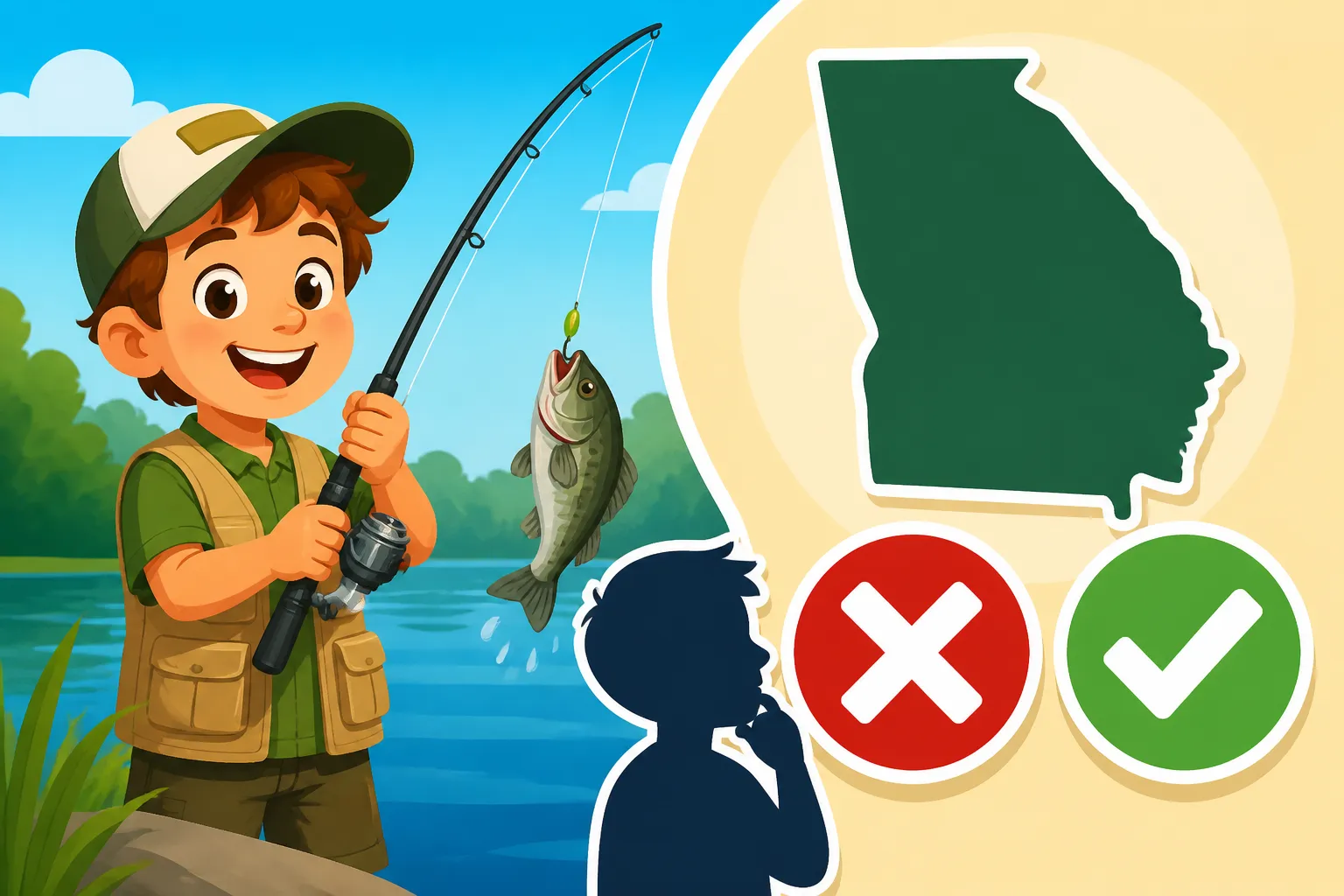
For most casual fishing trips in Georgia, whether you're heading to a local pond, a state park lake, or casting a line in a major reservoir like Lake Lanier, the rule is pretty simple and designed to encourage youth participation. If your child is under the age of 16, they generally do not need a fishing license. This applies to both residents and non-residents, which is a fantastic benefit for families visiting from out of state. You can breathe a sigh of relief knowing that your 10-year-old doesn't need to go through the licensing process. This exemption makes fishing incredibly accessible for youngsters, removing a barrier that might otherwise discourage families from introducing their kids to the sport. It means more focus on teaching them how to cast, identify different fish, and simply enjoy the outdoors together.
However, while this "under 16" rule is a wonderful baseline, it’s crucial to remember that it applies to the basic fishing license. There can be exceptions for certain specific types of fishing, which we'll dive into next. Always double-check the specifics if you’re planning a specialized trip.
What About Non-Resident Children?
This is where things sometimes get a little fuzzy for folks. You might assume that if a child is a non-resident, the rules would change, perhaps requiring a special permit or a non-resident youth license. But, in Georgia, the "under 16" exemption holds true for non-resident children as well. So, if your grandkids are visiting from Florida or Alabama, or you're on a family vacation from Ohio, and your child is under 16, they can fish without a Georgia fishing license. This parity is a huge win for tourism and makes Georgia an even more attractive destination for family fishing trips. It simplifies planning immensely for out-of-state visitors, allowing them to focus on finding the best spots and catching fish, rather than navigating complex licensing requirements for their children.
It’s important to note that while the child themselves doesn't need a license, any accompanying adult who is 16 or older and actively participating in fishing (e.g., holding a rod, casting, baiting hooks for themselves) will need a valid Georgia fishing license. You can find more details on nonresident fishing license prices in Georgia by checking out our guide. The child's exemption doesn't extend to the adults supervising them, so make sure your own paperwork is in order!
Catching a Trout: Any Special Add-ons?
Now, here’s where a little extra attention is required, especially if your family is heading to the beautiful streams of North Georgia to chase rainbow, brown, or even native brook trout. While the "under 16" rule still grants kids exemption from the basic fishing license, there's a specific add-on permit that comes into play for trout fishing in designated trout waters: the Mountain Trout License.
The great news is, children under 16 are also exempt from needing this special Mountain Trout License. That means your young angler can fish for trout in those picturesque mountain streams without any additional permits, as long as they meet the age requirement. This is fantastic because trout fishing can be an incredible experience for kids, teaching them patience and finesse in some of Georgia’s most scenic environments. However, just like with the basic license, the adult accompanying them will need their own Mountain Trout License if they are 16 or older. Don't forget to check out our comprehensive guide on Georgia Trout Fishing License Requirements to ensure you're fully prepared.
There are specific regulations regarding Georgia trout stream size limits by creek and daily creel limits for trout in Georgia, so always check the current Georgia fishing regulations explained before you go. These rules apply to everyone, regardless of age or license status, to ensure sustainable fishing practices.
Understanding Georgia's Youth Fishing Exemptions
While the primary exemption for children under 16 is a wonderful benefit, it's part of a larger framework designed to promote conservation and ethical angling from a young age. Understanding these exemptions fully, and the responsibilities that come with them, helps ensure everyone has a safe and legal fishing experience. It’s not just about what kids don't need, but also about what they should know and do.
The Importance of Adult Supervision
The exemption for children under 16 comes with an implicit understanding: these young anglers are almost always accompanied by a responsible adult. This adult serves as a guide, teacher, and, crucially, a licensee if they are participating in fishing themselves. It's a fantastic opportunity for parents, grandparents, or guardians to bond with children, pass on knowledge, and instill a love for the outdoors. This direct supervision is vital not only for safety, particularly around water and sharp hooks, but also for teaching good sportsmanship and conservation practices. Showing a child how to properly handle a fish for release, for example, is a fundamental lesson that lasts a lifetime.
Moreover, if the supervising adult is actively fishing, they must possess a valid Georgia fishing license. This is a common point of confusion. Many parents think if their child is fishing without a license, they can also fish without one as long as they're "just helping the kid." That's not the case. If you're holding a rod, casting, or reeling in fish, you need your own license. Think of it this way: your license covers your activity, and the child's age covers theirs. So, if you need to know how to get a fishing license in Georgia, start there!
Exploring Georgia's Free Fishing Days
Georgia offers several free fishing days throughout the year, which are absolutely fantastic opportunities for everyone to hit the water without needing a license – and yes, this includes adults! These days are typically tied to national holidays or specific events, like National Fishing and Boating Week in June. They're explicitly designed to encourage more people to try fishing, making it incredibly accessible for families, beginners, or those who just want a casual day out without the commitment of purchasing a full license.
For kids under 16, these days are essentially business as usual since they're already exempt from licensing requirements. However, for those aged 16 and older, including parents and guardians, these free fishing days are a golden opportunity to fish alongside their children without needing to purchase a Georgia resident fishing license cost or a nonresident fishing license. It's an excellent way to introduce the entire family to the joys of angling. Be sure to check the Georgia Department of Natural Resources (DNR) website for the exact dates each year, as they can vary. Mark them on your calendar and plan a family outing!
The Free Saltwater Information Permit (Even for Kids)
Georgia's coastal waters offer a completely different fishing experience, from targeting redfish in the marshes to casting for speckled trout near the estuaries. If your family fishing adventure takes you to the coast, there’s another important consideration: the Georgia Saltwater Information Permit. Now, before you panic and think this negates the "under 16" rule, hear me out.
The good news is, this permit is free. And guess what? Even though it’s free, it’s technically required for anyone, including children, who fishes in Georgia's saltwaters. This isn't a license in the traditional sense, but rather a way for the state to gather crucial data on angler participation and catch rates, which helps immensely with fisheries management and conservation efforts.
So, while your child under 16 still doesn't need a paid fishing license to fish in saltwater, they (or you, on their behalf) should register for this free permit. It's a quick and painless process, often done online through the Georgia Wildlife Resources Division website. It's a small step that makes a big difference in ensuring the health of our coastal fisheries for generations to come. You can learn more about the Georgia Saltwater Information Permit explained in detail.
Here's a quick summary table for clarity:
| Angler Age | Resident Fishing License | Non-Resident Fishing License | Mountain Trout License (Designated Waters) | Saltwater Information Permit (Coastal Waters) |
|---|---|---|---|---|
| Under 16 | Not Required | Not Required | Not Required | Required (Free) |
| 16 and Over | Required | Required | Required (if trout fishing) | Required (Free) |
Why These Rules Matter: Promoting Conservation and Family Fun
These regulations, particularly the exemptions for young anglers, aren’t just arbitrary government rules. They are thoughtfully designed to strike a balance between encouraging participation, especially among youth, and ensuring the long-term health of Georgia’s aquatic ecosystems. It’s about more than just what a child needs to carry; it’s about what we, as a community, are investing in for the future of fishing.
Teaching Responsible Angling Early On
By making it easy for kids to get involved in fishing, Georgia is subtly fostering a generation of responsible anglers. When children are out on the water, they learn firsthand about the environment, the life cycles of fish, and the importance of regulations like Georgia fish size and creel limits. This hands-on experience is invaluable. They learn that fishing isn't just about catching, but also about understanding and respecting the natural world. Teaching them about proper catch-and-release techniques, or why certain fish need to be handled with care, lays the groundwork for ethical practices.
For example, when you're fishing for bluegill – one of the easiest fish for kids to catch – you can teach them how to gently remove the hook and release smaller fish to grow larger. This kind of interaction instills a sense of stewardship that goes far beyond the fishing trip itself. These early lessons are crucial for shaping future conservationists and ensuring that Georgia’s fishing legacy continues to thrive.
Funding Conservation Efforts
While kids under 16 might not directly contribute through license fees, the system still supports conservation. The licenses purchased by adults, who are often bringing these children along, directly fund the Georgia Department of Natural Resources (DNR) efforts. This includes fish stocking programs, habitat restoration, law enforcement, and educational initiatives. So, every time an adult buys their Georgia fishing license guide, they're helping ensure there are healthy fish populations and accessible fishing spots for everyone, including the next generation.
This interconnectedness is vital. Without the revenue generated from adult licenses, many of the programs that benefit youth fishing (like maintaining public fishing areas or stocking ponds) simply wouldn't exist. It's a cycle of support where today's licensed anglers are investing in tomorrow's fishing opportunities.
Avoiding Penalties: Ignorance Isn't Bliss
Even with the exemptions for children, understanding the full scope of Georgia fishing regulations is critical to avoid accidental penalties. Imagine being on a lake with your kids, enjoying the day, only to be approached by a game warden because you, the adult, didn't realize you needed a license for yourself. Or, if you’re fishing a trout stream without the proper Mountain Trout License for yourself. These situations can quickly turn a fun family outing into a stressful and costly experience.
The penalties for fishing without a license in Georgia can range from fines to more severe consequences, depending on the infraction. It's much simpler and less stressful to ensure all adults present who are fishing have their current licenses. If you're ever in doubt about what ID do you need to buy a fishing license, or what specific Georgia freshwater fishing rules apply to your chosen spot, a quick check of the Georgia DNR website or a call to a local ranger station can save a lot of headaches. It's all about being prepared, so you can focus on the fun parts of fishing with your kids.
Practical Advice for Fishing with Young Anglers
Getting kids hooked on fishing is one of life's great pleasures, but it takes a little planning and a lot of patience. When you're out there with youngsters, the goal isn't always about catching the biggest fish or filling a cooler; often, it's simply about creating positive memories and fostering a love for the outdoors. With the licensing questions out of the way, let’s talk about making that experience as smooth and enjoyable as possible.
Simple Gear for Little Hands
When you’re outfitting a child for fishing, simplicity is key. A bulky, complicated reel or a super long rod can quickly lead to frustration. Look for a lightweight, easy-to-use setup. Spin-cast reels (often called "push-button" reels) are perfect for beginners. They're intuitive, prevent tangles, and allow kids to feel successful quickly. You can find excellent, durable kid-sized fishing rods and reel combos on platforms like Amazon, many of which come pre-spooled with line. Brands like Zebco and Ugly Stik make fantastic, affordable options that can withstand the inevitable bumps and drops of a child's fishing adventure.
Consider a shorter rod, perhaps 4 to 5 feet, which is much easier for smaller hands to manage and cast. Simple bobber setups with a small hook and a piece of worm or corn are often all you need. The excitement of seeing that bobber dip is universal, and catching panfish like bluegill or small catfish provides instant gratification. Don't overcomplicate it with fancy lures or complex rigs; keep it fun and manageable for them.
Keeping it Fun: Short Trips and Easy Catches
Remember, a child's attention span can be shorter than an adult's. Plan shorter fishing trips initially, perhaps just an hour or two. It’s better to have a successful, fun short trip than a long, frustrating one that ends with them losing interest. Choose locations where bites are likely, even if it's just small bream. Public fishing areas and many state parks in Georgia are excellent choices because they are often stocked and have accessible bank fishing spots, perfect for Best Fishing Spots for Kids and Families in Georgia.
Bring snacks, drinks, and maybe even a small toy or book for when their attention drifts. Celebrate every nibble, every cast, and every small fish caught. Make it about the experience – the sounds of nature, the excitement of the unknown, and the joy of spending time together. Sometimes, the best part of the trip is just skipping rocks or observing wildlife while waiting for a bite. This approach aligns perfectly with kid-friendly fishing techniques that prioritize engagement and enjoyment over trophy catches.
Safety First: Life Jackets and Sun Protection
Safety is paramount, especially when introducing children to water activities. Even if your child is a strong swimmer, a properly fitted U.S. Coast Guard-approved life jacket is a non-negotiable item when fishing from a boat, kayak, or even near fast-moving water. Georgia law requires children under 13 to wear a life jacket on moving vessels, but it's a good practice for all kids, all the time, when near water. You can find comfortable and reliable life jackets for all ages on Amazon, often in bright colors that make kids visible.
Beyond flotation, don't forget sun protection. Georgia summers can be brutal, and even on cloudy days, UV rays are present. Wide-brimmed hats, sunglasses, and plenty of broad-spectrum sunscreen are essential. Lightweight, long-sleeved shirts can also provide excellent protection. Keep kids hydrated with plenty of water. A small first-aid kit, easily available at any general store or online from Amazon, is also a smart addition to your fishing gear for minor cuts or scrapes that can happen with hooks or fish fins.
Special Events and Opportunities for Youth Fishing
Georgia is truly a fantastic state for encouraging young anglers. Beyond the general exemptions, there are numerous programs, events, and designated areas specifically designed to make fishing accessible and enjoyable for children. These opportunities are fantastic ways to introduce kids to fishing in a supportive and educational environment, often with experienced mentors on hand.
Public Fishing Areas Designed for Families
The Georgia Department of Natural Resources (DNR) maintains an impressive network of Public Fishing Areas (PFAs) across the state. Many of these PFAs are specifically designed with families and youth in mind, offering easy bank access, fishing piers, and often well-stocked ponds teeming with species like bream, catfish, and even largemouth bass. These spots are perfect for beginners, as the likelihood of catching a fish is generally higher, providing that all-important instant gratification for kids.
Some PFAs even have specific kids-only ponds or designated areas where younger anglers can learn and fish safely. These managed areas are usually very clean, well-maintained, and offer facilities like restrooms and picnic areas, making them ideal for a family day out. They provide a controlled and safe environment where children can learn about fishing without the overwhelming vastness of larger reservoirs.
Kid-Focused Fishing Rodeos
Throughout the spring and summer, communities, state parks, and fishing clubs across Georgia host "fishing rodeos" specifically for children. These events are often free or very low-cost and are fantastic for introducing kids to the sport. Ponds are typically heavily stocked with catfish or bream right before the event, ensuring that nearly every child catches a fish. Prizes are often awarded, not just for the biggest catch, but also for participation, smallest fish, or even the most unique catch (like a turtle!).
These rodeos are more than just fishing events; they're community gatherings focused on fun, education, and promoting outdoor recreation. Volunteers are usually on hand to help kids with baiting hooks, casting, and identifying their catches. It's a supportive, exciting atmosphere where kids can truly fall in love with fishing. Keep an eye on local park and recreation department websites or the Georgia DNR event calendar for a fishing rodeo near you!
Educational Programs by Georgia DNR
The Georgia DNR’s Wildlife Resources Division offers various educational programs aimed at fostering a love for the outdoors and conservation in children. These programs often include fishing clinics, workshops on fish identification, and lessons on aquatic ecology. They are designed to be engaging and interactive, providing kids with valuable knowledge and skills that go beyond simply catching a fish.
For example, many state parks host Junior Ranger programs that incorporate fishing as part of their activities. These programs emphasize ethical angling, safety, and environmental stewardship, all while making learning fun. Participating in these programs can give children a deeper appreciation for Georgia’s diverse fish species and the importance of preserving our natural resources. It’s an excellent way to turn a casual interest into a lifelong passion.
Disclaimer
Please remember that fishing regulations, including those concerning licenses and permits, can change. While every effort has been made to provide accurate and up-to-date information, it is always your responsibility to consult the most current regulations published by the Georgia Department of Natural Resources (DNR) or its Wildlife Resources Division before heading out on your fishing trip. This guide is for informational purposes only and should not be considered legal advice.