Boat Trailer and Ramp Tips for Georgia Lakes
There's nothing quite like the feeling of anticipation as you approach a Georgia boat ramp, ready to hit the water for a day of fishing. But for many anglers, that excitement can quickly turn to anxiety, frustration, or even embarrassment when navigating a busy ramp or dealing with a finicky trailer. This guide is here to transform your ramp experiences from nerve-wracking to smooth sailing, helping you master the art of launching and retrieving your boat with confidence on any of Georgia's beautiful lakes and rivers.
Understanding Your Boat Trailer: The Foundation of a Smooth Launch
Before you even think about backing down a ramp, it’s crucial to understand the workhorse beneath your boat: the trailer. A well-maintained and properly matched trailer isn't just a convenience; it's a critical safety component that can make or break your entire fishing trip. Ignoring it is like trying to drive your truck with flat tires – you might get somewhere, but it won't be fun or safe.
Trailer Maintenance Essentials Before You Go
Think of your boat trailer as an extension of your vehicle; it needs just as much, if not more, attention. One of the biggest culprits for roadside breakdowns is neglected wheel bearings. These little guys take a beating, especially when dunked in and out of water. If you've ever seen someone stranded on the shoulder of I-75 with smoke billowing from a trailer wheel, chances are it was a seized bearing. Regular greasing, checking for play, and knowing when to replace them can save you a huge headache and potentially a ruined vacation. It’s not a difficult job to learn, and there are plenty of resources out there to guide you through it.
Then there are the tires. Just like your tow vehicle, trailer tires need to be properly inflated, have good tread, and be free of cracks or bulges. Over time, trailer tires, especially if they sit for long periods, can dry rot even if they have plenty of tread. Always carry a spare tire that's actually in good condition, along with a jack and lug wrench that fit your trailer. Imagine you’re heading to Lake Seminole for a weekend bass tournament, and you get a flat tire in a remote area – having the right tools and a usable spare isn’t just smart, it’s essential. Don't forget to check your lug nuts for proper tightness before every long haul.
Finally, your lights and wiring. Nothing ruins a pre-dawn launch or a late-night retrieval faster than discovering your trailer lights aren't working. Corroded connections, frayed wires, and burnt-out bulbs are incredibly common, especially with trailers that spend a lot of time in and out of the water. Always do a quick walk-around and test all your lights – running lights, brake lights, and turn signals – before you leave home. A simple light tester or even just having a buddy confirm can prevent a costly citation or, worse, an accident on the road.
Matching Your Trailer to Your Boat and Vehicle
It might seem obvious, but making sure your trailer is correctly matched to your boat's size and weight, and your vehicle's towing capacity, is paramount. Every trailer has a Gross Vehicle Weight Rating (GVWR), which is the maximum loaded weight it can safely carry. You need to ensure your boat, plus all your gear, plus the trailer's own weight, does not exceed this rating. Overloading a trailer puts undue stress on everything – the frame, axles, tires, and your tow vehicle – creating a dangerous situation on the road.
Beyond overall weight, consider tongue weight. This is the downward force exerted by the trailer's tongue on the hitch ball of your tow vehicle. Ideally, this should be about 10-15% of the total trailer weight. Too little tongue weight can cause your trailer to sway dangerously at highway speeds, making your setup feel squirrelly and unstable. Too much, and it can overload your vehicle’s rear suspension and significantly impact steering and braking. Proper boat placement on the bunks and shifting heavy gear can help you achieve the correct balance.
Lastly, ensure your hitch and hitch ball are correctly rated for your trailer's weight and that they match. A 2-inch ball might fit into a 2-inch coupler, but if that ball is rated for a much lighter load than your boat and trailer, you're setting yourself up for failure. Also, always use safety chains that are crossed under the tongue and attached securely to your tow vehicle. And speaking of vehicles, know your tow vehicle's limits. Just because a truck can pull a boat off a ramp doesn't mean it can safely tow it 200 miles down the highway. Some larger bass boats or offshore rigs require heavy-duty trucks with specific towing packages. You can often find great trailers and accessories at stores like Bass Pro Shops or online through Amazon.
Mastering the Boat Ramp: Techniques for a Stress-Free Experience
The boat ramp is often the most anxiety-inducing part of a fishing trip, especially on a busy Saturday morning at popular spots like Lake Hartwell or Clarks Hill. However, with a little preparation and practice, you can transform this potential nightmare into a smooth, efficient process that keeps both your blood pressure and fellow anglers happy.
Pre-Launch and Pre-Retrieval Prep: Your Efficiency Checklist
The golden rule of boat ramp etiquette is simple: do your prep work away from the ramp. This cannot be stressed enough. There's nothing more frustrating than pulling up to a crowded ramp and seeing someone blocking it while they unstrap their boat, load all their tackle, or try to remember where they put their drain plug. Before you even get close to the launching lanes, find a designated staging area or a less-trafficked parking spot.
Here’s a quick pre-launch checklist:
- Remove all tie-downs and the transom saver. These are essential for highway travel but will prevent your boat from launching.
- Load all your gear, tackle, coolers, and rods. Get everything organized in the boat.
- Put in the drain plug. This is a classic rookie mistake! You don't want to find out you forgot it when your boat is already in the water and starting to sink.
- Remove the boat cover. If you’re like me, you’ve probably forgotten this one a time or two!
- Attach bow and stern lines. Have these ready to grab and hold the boat once it floats free.
- Lower your engine or trolling motor. Make sure it’s ready to go.
- Test your engine. A quick fire-up (with muffs on, if out of water) can confirm it's ready.
For retrieval, the checklist is similar but in reverse: get everything ready to load before you back down. Have your tie-downs and transom saver accessible. Make sure your vehicle is in the right gear, and your trailer is aligned. This thoughtful preparation is key to Georgia Boat Ramp Etiquette for Busy Weekends and will earn you silent nods of approval from experienced anglers.
Executing the Launch and Retrieval with Confidence
Now for the main event: backing up and getting the boat into the water. This is where many new boaters, and even some seasoned ones, feel the most pressure. The key to backing up a trailer is making small, deliberate adjustments. Forget what you think you know about car steering; with a trailer, turning the wheel to the left makes the rear of the trailer go right, and vice versa. It's counter-intuitive at first.
My advice? Practice, practice, practice! Find an empty parking lot and set up some cones or markers. Get comfortable with how your vehicle and trailer respond to small steering inputs. Use your mirrors constantly, and if you have a spotter, establish clear hand signals beforehand. Remember, it’s not a race. Take your time, and don’t be afraid to pull forward and readjust if you get off track. Trying to correct a major angle while backing will only make things worse.
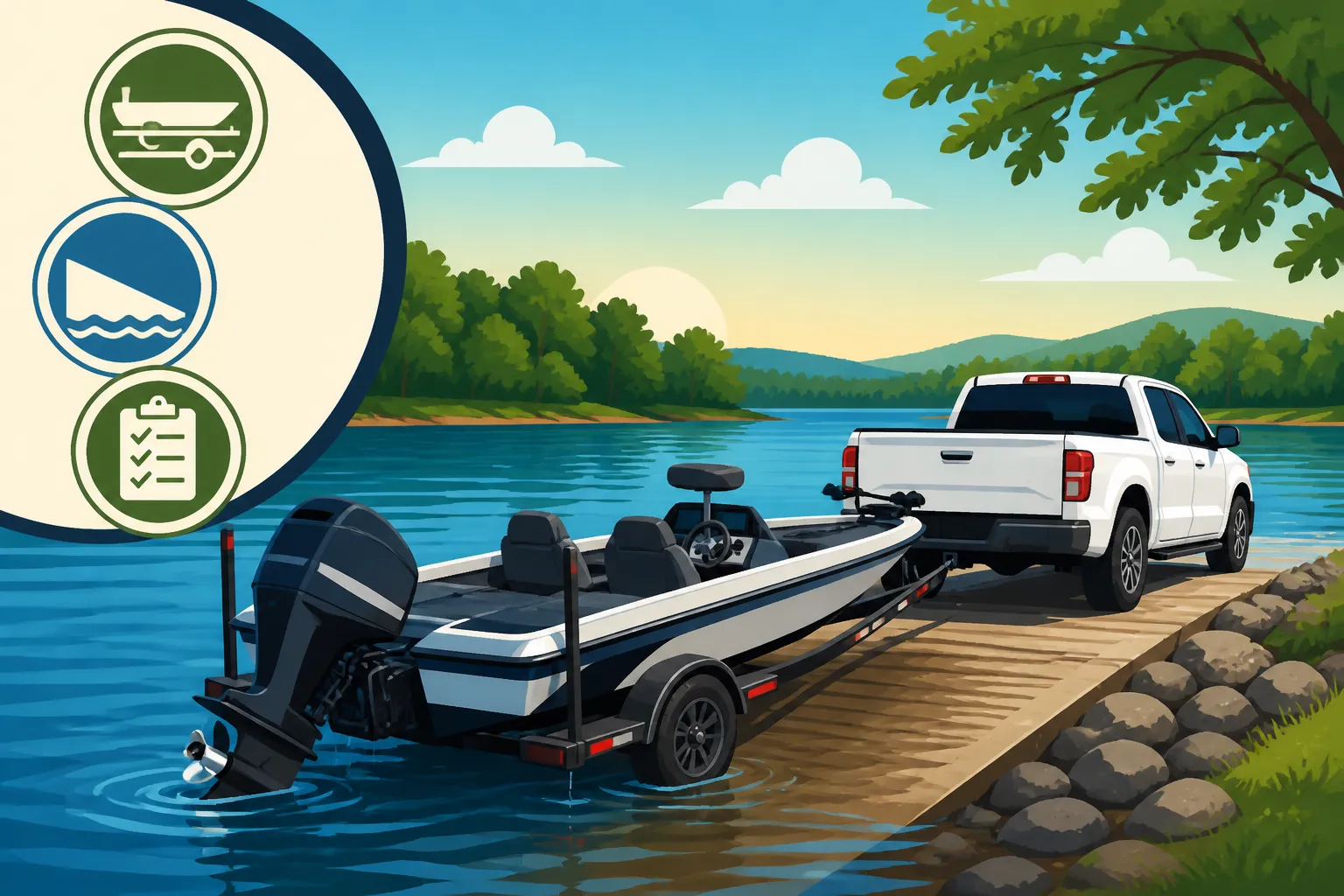
When it's time to launch, back the trailer down the ramp until enough of the boat is submerged for it to float freely. This depth can vary depending on your boat's hull design and the ramp's slope. Once it's floating, unhook the bow strap and use your bow line to guide the boat away from the trailer. For retrieval, back the trailer deep enough so the boat can easily power onto the bunks or be winched on. A common mistake is backing too deep, which can cause the boat to float over the bunks. A little power from the outboard (if safe and allowed) can help center the boat. Once the boat is securely on the trailer, pull slowly and steadily up the ramp, making sure the boat stays centered. Secure the bow strap immediately at the top of the ramp, and then pull into the staging area to finish securing all other straps and the transom saver.
Navigating Common Challenges at Georgia Ramps
Georgia's lakes and rivers are incredible for fishing, but their boat ramps can present some unique challenges. From crowded weekends to slippery conditions, knowing how to anticipate and overcome these hurdles can save you a lot of grief and ensure your time on the water is truly enjoyable.
Dealing with Crowds, Etiquette, and Impatient Anglers
There's no sugarcoating it: weekend mornings and holiday weekends at popular spots like Lake Lanier or Lake Oconee can be a zoo. The biggest challenge here isn't necessarily the ramp itself, but the human element. Impatient anglers, new boaters, and folks who haven't done their prep work can create bottlenecks and tension. The key is to remember that everyone wants to get on the water, and a little patience and courtesy go a long way.
To avoid the worst of the crowds, consider launching at off-peak times. Early weekdays or later in the afternoon can be significantly less busy. If you must launch during prime time, plan to arrive extra early. Having your pre-launch checklist done and being efficient will help you move through quickly. If someone is struggling, offer a hand, but don't take over unless asked. Clear communication with your boat partner, using agreed-upon hand signals, also speeds things up. Remember, we're all out there to enjoy Georgia Fishing!
A simple table can illustrate common ramp frustrations and their solutions:
| Ramp Frustration | Common Scenario | Solution Strategy |
|---|---|---|
| Long Lines | Saturday morning at a popular reservoir like Lake Lanier | Arrive early/late, use weekdays, or find less-trafficked ramps. |
| Impatient Boaters | Someone honking or yelling while you're backing | Stick to your pace, stay calm, and ensure your prep is done beforehand. |
| Slippery Ramp Surface | Green algae or mud on a steep ramp | Engage 4WD (if available), go slow, inspect ramp before backing. |
| Forgotten Drain Plug | Boat quickly taking on water after launch | Double-check your pre-launch checklist away from the ramp. |
| Boat Drifting Away | Wind/current pushing boat after unhooking | Have bow/stern lines ready, a strong boat partner, or an anchor (if safe). |
Tackling Tricky Ramp Conditions
Not all ramps are created equal. Georgia offers a huge variety of waterways, from the massive reservoirs like Walter F. George Reservoir to the winding, smaller rivers. You'll encounter everything from perfectly paved, gently sloped ramps to steep, cracked, and algae-covered concrete. Steep ramps, common on deeper lakes like Lake Burton, require a vehicle with good traction, and often four-wheel drive is a must. Engaging 4WD before you back down can prevent a lot of slipping and spinning, especially when retrieving a heavy boat.
Slippery surfaces are a major hazard. Algae can grow on submerged concrete, making it treacherous for both vehicles and people. Walk the ramp if you're unsure of its condition, and always move slowly and deliberately. Low water levels, unfortunately, are a reality on some Georgia lakes, exposing the end of the ramp or submerged debris. Always scout the ramp beforehand, either by walking it (if safe) or observing other boaters. Backing too far in shallow conditions can cause prop damage, get your vehicle stuck, or even drop your trailer off the end of the concrete, which is a real nightmare to recover. If a ramp looks questionable due to low water, it's often better to seek an alternative. Some of the most remote ramps in North Georgia might even be gravel or dirt.
For coastal ramps, like those near the Golden Isles, tides and currents introduce another layer of complexity. Timing your launch and retrieval with the tide can be crucial, as shallow water at low tide can make some ramps unusable. Strong currents can also make it difficult to control your boat once it's off the trailer. Always be aware of the predicted tides and the direction of the current, and adjust your approach accordingly. Having extra-long dock lines on hand can be a lifesaver.
Essential Gear for Safe and Easy Trailering
Having the right gear isn't just about convenience; it's about safety, efficiency, and protecting your investment. Just like you wouldn't head out on the water without your fishing rods, you shouldn't hit the road or ramp without some fundamental trailer and boat accessories.
Trailer Accessories You Can't Live Without
Beyond the basic maintenance tools, a few key trailer accessories can truly elevate your experience. A spare tire, jack, and lug wrench were mentioned before, but they deserve repeating. Having these can prevent you from being stranded on the side of a highway for hours. Many trailer spare tires are not the same size as your vehicle's, so make sure you have the correct spare for the trailer. You can find excellent options for these essentials at stores like Bass Pro Shops or online at Amazon, often in compact kits designed for trailers.
High-quality tie-downs and a bow strap are non-negotiable. These secure your boat to the trailer during transport, preventing shifting or even separation from the trailer – a truly catastrophic scenario. Always use both a bow strap (or safety chain from the bow eye to the trailer frame) and two stern tie-downs. Some larger boats also benefit from side straps to prevent lateral movement. Consider investing in retractable tie-downs for convenience; they make securing your boat much faster.
Wheel chocks are simple but effective tools, especially if you're parking on an incline at the ramp or in your driveway. They prevent your trailer from rolling accidentally. For added security, particularly if you store your boat and trailer outdoors, a hitch lock and wheel lock can deter theft. Your boat and trailer represent a significant investment, and protecting them from opportunists is just smart planning.
On-Boat Safety and Emergency Preparedness
While not directly trailer-related, having essential safety gear on your boat is critical for any outing on Georgia's waters. Safety Gear Checklist for a Day on Lake Lanier or any other body of water should always include Coast Guard-approved life jackets for everyone on board, readily accessible. For children under 13, Georgia law requires them to wear a life jacket while the boat is underway. Beyond life jackets, a working fire extinguisher, a sound-producing device (like a horn or whistle), and proper navigation lights (if operating at night or in low visibility) are often legally required and always good practice.
A basic first-aid kit stocked with bandages, antiseptic wipes, pain relievers, and any personal medications is invaluable for minor cuts, scrapes, or unexpected headaches. Having some basic tools like a multi-tool, pliers, and a screwdriver can help with minor mechanical issues or quick repairs on the water. Finally, a set of sturdy dock lines and a few fenders can protect your boat's hull when docking at a crowded ramp or tying up to a courtesy dock. A small anchor and rope can also be surprisingly useful for holding position at a ramp if you're waiting for your tow vehicle.
Maintaining Your Trailer and Boat for Longevity
Taking care of your trailer and boat after each trip is just as important as preparing for it. This routine post-trip maintenance can significantly extend the life of your equipment, prevent costly repairs, and ensure everything is ready for your next adventure on the water.
Post-Trip Care for Your Trailer
After a long day of fishing, it's easy to want to just unhitch the trailer and head inside. However, a few minutes of post-trip care for your trailer can prevent a lot of headaches down the line. If you've been in saltwater, or even in particularly murky freshwater, flushing your trailer's bearings (if equipped with a flushing system) and brakes is paramount. Saltwater is incredibly corrosive, and rinsing it off immediately can prevent rust and extend the life of components. Even freshwater can contain sediments that can cause wear.
After flushing, take a moment to wash down your entire trailer. A simple hose-down can remove dirt, grime, and any algae spores that hitched a ride. While you're at it, do a quick visual inspection. Check for any loose wires, worn spots on bunks or rollers, or signs of rust beginning to form. Addressing small issues proactively can prevent them from becoming major problems.
If your boat and trailer will be sitting for an extended period, especially during the off-season, consider how you store your tires. Leaving them sitting flat on pavement for months can cause flat spots and premature wear. Jacking the trailer up and placing it on jack stands can relieve pressure on the tires, or at the very least, periodically moving the trailer a few feet can change the contact point. Protecting tires from direct sunlight with covers can also extend their life by preventing UV degradation.
Long-Term Boat and Trailer Storage Tips
When the seasons change or if you know your boat will be out of commission for a while, proper long-term storage is crucial. This often involves winterizing your engine and other systems to protect them from freezing temperatures, especially in North Georgia. This typically includes stabilizing fuel, draining water from the engine block, and checking fluids. Skipping this step can lead to cracked engine blocks or damaged water pumps, which are incredibly expensive fixes.
Secure storage for your boat and trailer is also a major consideration. Whether you store it in your driveway, a storage facility, or a covered shed, ensure it's protected from the elements and potential theft. Investing in a good-quality boat cover will keep leaves, debris, and UV rays from damaging your boat's interior and gel coat. Georgia Boat Registration Requirements Explained also highlights the importance of keeping your registration current, even if the boat isn't in constant use.
Before the start of each new fishing season, perform a comprehensive seasonal check. This involves going through all the maintenance points mentioned earlier: bearings, tires, lights, hitch, and overall structural integrity. Test your engine, check all your safety gear, and ensure your boat's systems (like livewells and bilge pumps) are functioning correctly. A thorough spring tune-up means you'll be ready to hit the water running, without unexpected delays or mechanical issues cutting into your valuable fishing time.
Disclaimer
This article is for general informational purposes only and does not constitute professional advice. Laws, prices and regulations vary by location and change over time. Consult a qualified professional for guidance on your specific situation.