Georgia’s Biggest Largemouth Bass Catches on Record
Oh, the thrill of chasing a lunker! There's nothing quite like the dream of hooking into a truly massive largemouth bass, the kind that makes your reel scream and your heart pound. For many of us, Georgia isn't just a place to fish; it's hallowed ground, home to one of the most legendary fish ever caught. This guide isn't just about a historical catch; it’s about understanding the legacy, the potential, and the pursuit of those colossal bass that still swim in our waters.
The Unforgettable Georgia State Record Largemouth Bass
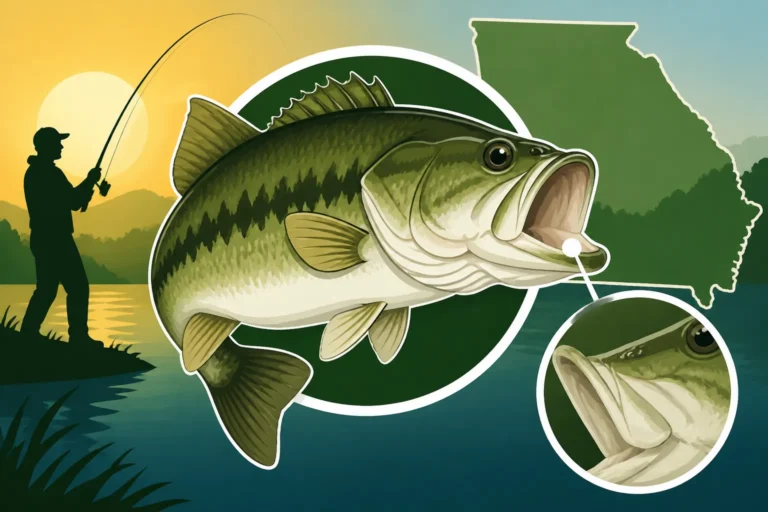
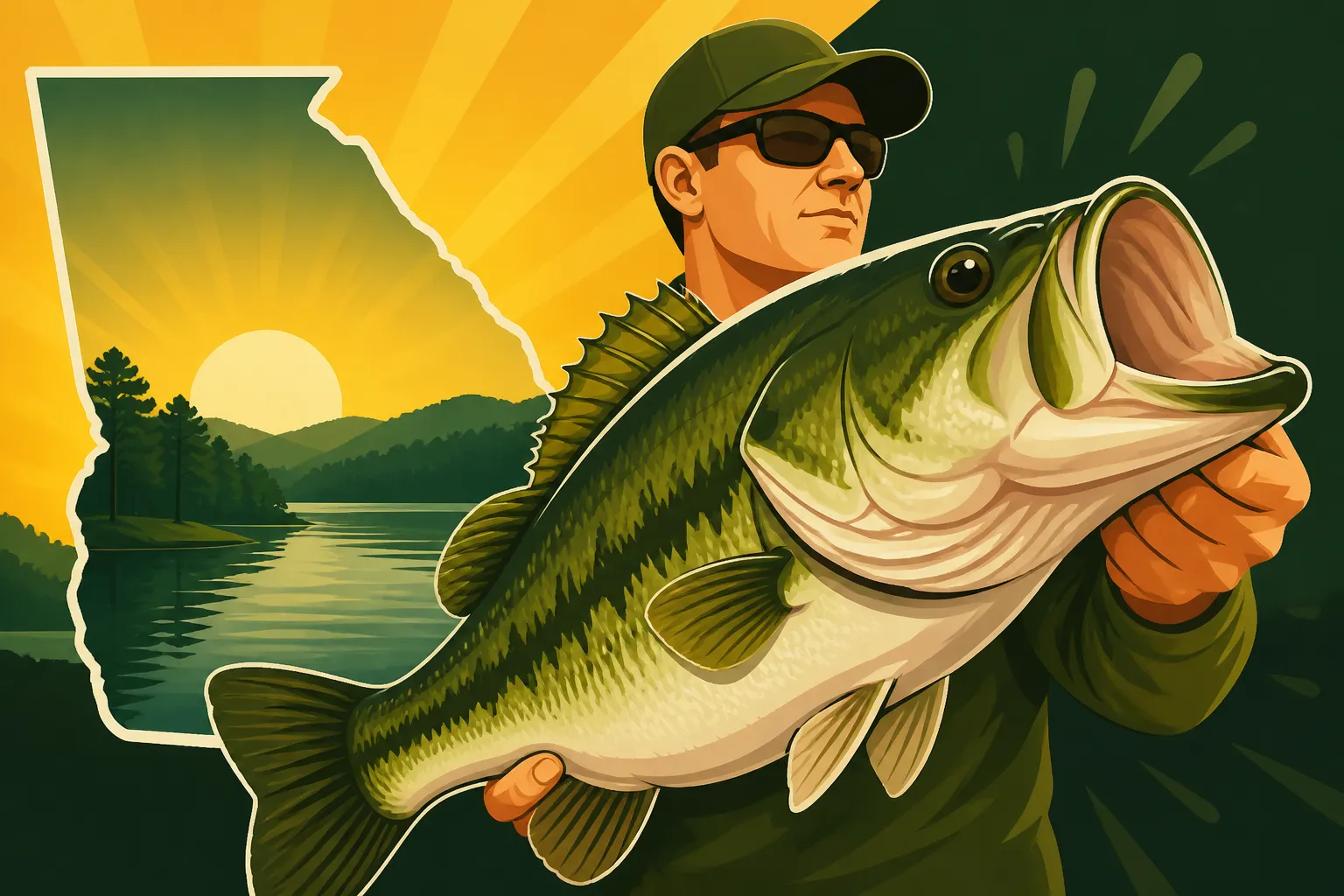
Let's just get this out of the way right upfront: when you talk about Georgia's biggest largemouth bass catches on record, there's one name that dominates the conversation, one fish that set a standard that stood for decades, and frankly, still does for many anglers around the world. We're talking, of course, about George Perry's world-record largemouth bass.
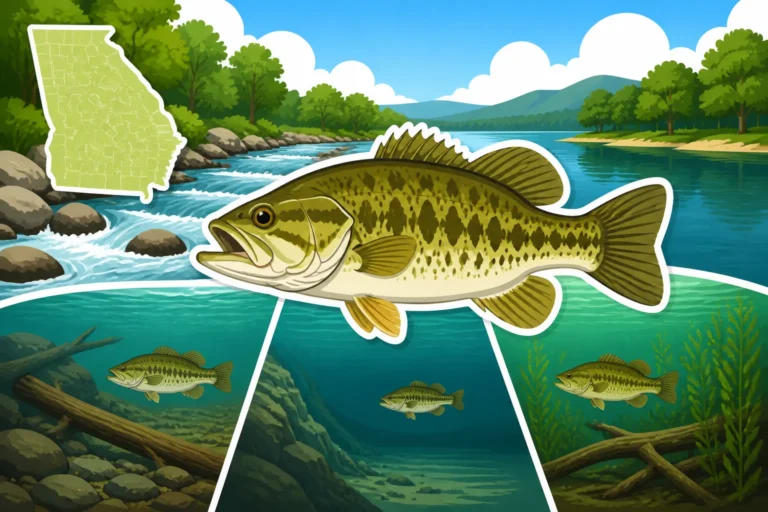
Imagine this: it's June 2, 1932, a warm, muggy day, probably not unlike many we still have in early summer here in Georgia. George W. Perry, a farmer from McRae, was fishing in Montgomery Lake, a oxbow lake off the Ocmulgee River in what was then Telfair County. He wasn't using fancy electronics or high-tech gear. He was using a simple rod and reel, with a Creek Chub Fintail Shiner lure. And he hooked into a fish that would make history. This wasn't just a big fish; this was the fish, weighing an astonishing 22 pounds, 4 ounces. This record stood as the undisputed world record for largemouth bass for an incredible 77 years, until a tie in Japan. For many, it's still the gold standard, the fish that launched a thousand dreams for anglers everywhere.
It's truly a story that resonates deeply with Georgia anglers. That a fish of that magnitude could come from our relatively humble waters, a small oxbow lake, speaks volumes about the potential that still exists here. It tells us that sometimes, the biggest fish aren't found in the most famous or heavily pressured spots, but in those quiet, overlooked corners where a monster can grow old and wise. The legend of Perry's fish is more than just a statistic; it's a testament to the wildness and opportunity still present in Georgia's diverse waterways. If you want to dive deeper into this incredible catch, you can find more details in The 1932 Georgia Record Largemouth Bass: 22 Pounds 4 Ounces.
Beyond the Record: Other Monster Largemouths in Georgia
While George Perry's fish holds that mythical status, Georgia's waters have consistently produced other truly massive largemouth bass. Even if they don't quite reach the 22-pound mark, there are plenty of double-digit bass caught every year that make anglers' careers. These aren't just flukes; they're a testament to the rich habitat and management practices in place across our state.
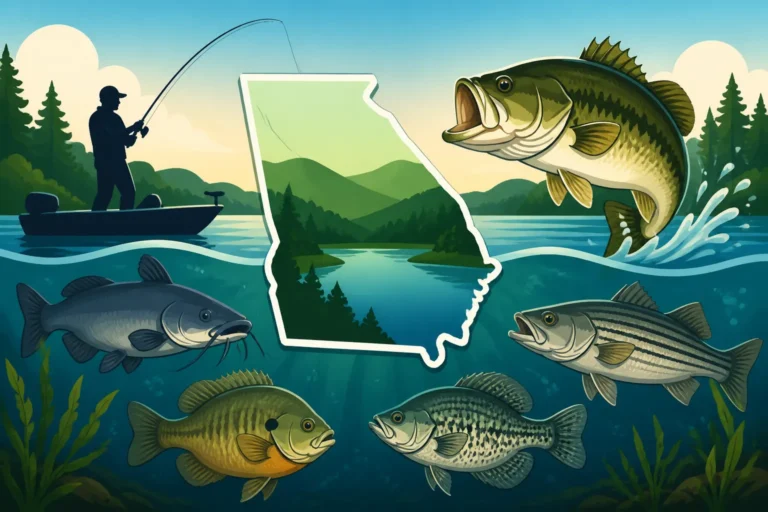
Our reservoirs, like Lake Lanier, Lake Oconee, and Clarks Hill Lake, are particularly renowned for growing big bass. These large bodies of water offer a perfect combination of deep structure, abundant baitfish (like threadfin and gizzard shad), and plenty of cover for bass to ambush their prey and grow to impressive sizes. It’s not uncommon to hear tales of bass in the 10-to-15-pound range, especially during the spring spawn when these giants move into shallower water, making them more accessible to anglers. These are the fish that fuel tournaments and inspire countless fishing trips.
Think about the sheer size and depth of some of these lakes. A fish has all the room in the world to forage and mature without constant pressure. The changing depths, submerged timber, old roadbeds, and vast coves offer endless hiding spots. It's in these complex environments that a bass can achieve its full genetic potential, provided it has a good food source and isn't caught too often. Understanding Largemouth Bass Size and Growth in Georgia Lakes can give you a better appreciation for just how old and wily a 10+ pound bass must be.
The table below highlights some of Georgia's premier lakes known for producing trophy largemouth bass, along with typical sizes you might encounter when you hit the water:
| Lake Name | Primary Fish Species | Notable Features for Big Bass | Typical Trophy Size Range (lbs) |
|---|---|---|---|
| Lake Lanier | Largemouth, Spotted, Striped | Deep clear water, abundant bait, extensive timber, rocky points | 8-15+ |
| Lake Oconee | Largemouth, Hybrid Striper | Power generation influence, abundant cover, warm water outlets | 7-12+ |
| Clarks Hill Lake | Largemouth, Striper, Crappie | Vast shallow areas, standing timber, creek channels | 8-14+ |
| Lake Seminole | Largemouth, Crappie, Catfish | Hydrilla, lily pads, shallow flats, river channels | 9-16+ |
| West Point Lake | Largemouth, Spotted, Catfish | River channels, submerged humps, rocky banks | 7-11+ |
It's important to remember that while these lakes can produce giants, consistent big bass fishing often requires a deep understanding of bass behavior and seasonal patterns.
Hunting Your Own Trophy: Strategies for Georgia's Giant Bass
So, you're not just dreaming about Perry's record; you want to chase your own personal best, a true trophy largemouth right here in Georgia. That's the spirit! Catching a double-digit bass is a monumental achievement, and it often requires a different approach than just targeting numbers of smaller fish. It's about patience, persistence, and often, specialized tactics.
First, you need to be fishing in the right places at the right time. As we mentioned, lakes like Lanier, Oconee, and Seminole are prime candidates. Focus on areas known for larger fish, often around deeper structure, dense cover, or major creek and river channels. The spring pre-spawn and spawn periods are arguably the best times, as big females move shallower to prepare for bedding. This is when they are at their heaviest and most aggressive. Learning about Spring Bass Fishing Patterns on Georgia's Reservoirs can give you a significant edge.
When it comes to gear, you generally need to size up. Forget the ultralight tackle; you'll want a heavy-action rod paired with a robust baitcasting reel capable of handling heavy line and powerful fish. Many trophy hunters opt for braided line with a fluorocarbon leader for sensitivity and abrasion resistance. When it comes to lures, big bass often want a big meal. Large swimbaits, both hard and soft, are extremely effective for mimicking the large baitfish these giants feed on. Oversized jigs, especially those fished slowly around structure, can also entice a monster. Don't overlook large crankbaits that dive to significant depths or even live bait, like big shiners or gizzard shad, if regulations permit. Many anglers find great success exploring options from retailers like Amazon for specialized trophy bass gear, from heavy-duty rods to specific large-profile lures. You can check out Best Rods and Reels for Georgia Largemouth Bass for more detailed recommendations.
Finally, you need to embrace the grind. Trophy bass fishing isn't about constant action; it's about making a few perfect casts in key areas and waiting for that one explosive bite. Spend time studying contour maps, identifying structure, and understanding How Water Temperature Affects Fish Behavior and current influence where the biggest bass will position themselves. Dedicate entire outings to throwing big baits, knowing you might only get a handful of bites, but one of them could be the fish of a lifetime. The satisfaction of finally landing that giant, after hours of methodical fishing, is unparalleled.
Preserving the Legacy: Catch, Release, and Record Verification
Catching a potential record-breaking bass is an incredible experience, but it also comes with a responsibility to the resource and the sport. For the vast majority of trophy bass, especially those that aren't quite state records, catch and release is highly encouraged. These large, mature fish are invaluable spawners, contributing significantly to the genetic health and future populations of our bass fisheries. Handling them carefully, minimizing their time out of water, and ensuring a proper release means another angler might get to enjoy that same thrill someday, or that fish might contribute to many more generations.
If you believe you've caught a potential state or world record, there's a specific process to follow to ensure your catch is properly documented and verified. The Georgia Department of Natural Resources (DNR) maintains official records and guidelines for submitting a potential record fish. This usually involves:
- Immediate Weighing: The fish must be weighed on a certified scale, usually at a local tackle shop, marina, or grocery store that has one. The scale must be inspected and certified by the Department of Agriculture.
- Witnesses: Have multiple witnesses present during the weighing and measuring.
- Measurements: Accurately measure the fish's length and girth.
- Photos: Take clear, well-lit photographs of the fish, especially with a measuring device.
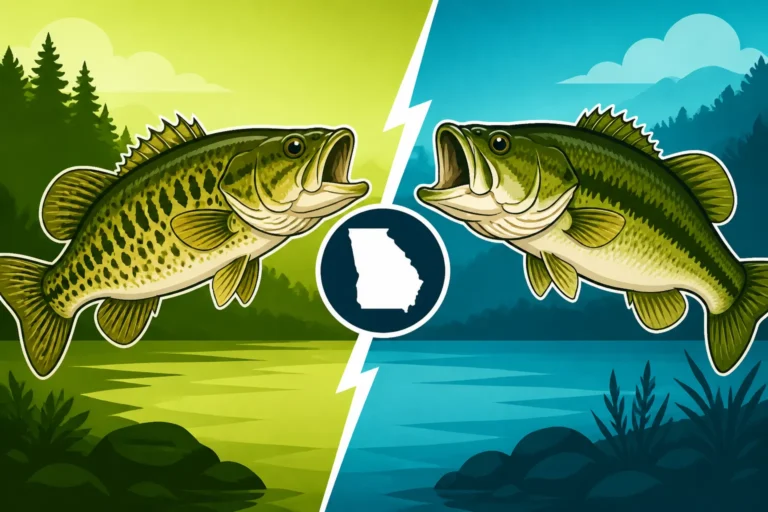
- Species Verification: The species must be positively identified. Sometimes, a potential record needs to be examined by a fisheries biologist, especially if there's any doubt between a largemouth, spotted, or shoal bass. You can learn more about How to Identify a Largemouth Bass to be prepared.
- Formal Application: Submit an official application to the Georgia DNR, providing all details, photos, and witness statements.
It's a rigorous process, but it's essential to uphold the integrity of fishing records. While the focus is often on the biggest fish, adhering to all Georgia Fish Size and Creel Limits is crucial for sustainable fishing practices across the board. Whether you're chasing the next world record or just a personal best, respecting the fish and the rules ensures Georgia's waters remain vibrant for generations of anglers to come. Stocking up on essential tools like a reliable measuring tape and a good camera, often found on Amazon, can make a big difference when that moment arrives.
Disclaimer
This article is for general informational purposes only and does not constitute professional advice. Laws, prices and regulations vary by location and change over time. Consult a qualified professional for guidance on your specific situation.