Best Retrieve Speed for a Crankbait
Oh, the crankbait conundrum! We've all been there, standing on the shore or out on the boat, throwing out that beautiful crankbait and wondering if we're reeling it in too fast, too slow, or just right. It’s a common frustration, especially with all the variables Georgia waters throw at us. This guide is dedicated to demystifying the art of crankbait retrieve speed, helping you land more fish by understanding how to present your lure perfectly in any condition.
Understanding Crankbait Dynamics and Fish Behavior
Before we even talk about how fast to crank, it's vital to understand what makes a crankbait tick and, more importantly, what makes a fish bite. It’s not just about getting the lure wet; it's about mimicking natural prey in a way that triggers a predatory strike.
How Crankbaits Work Underwater
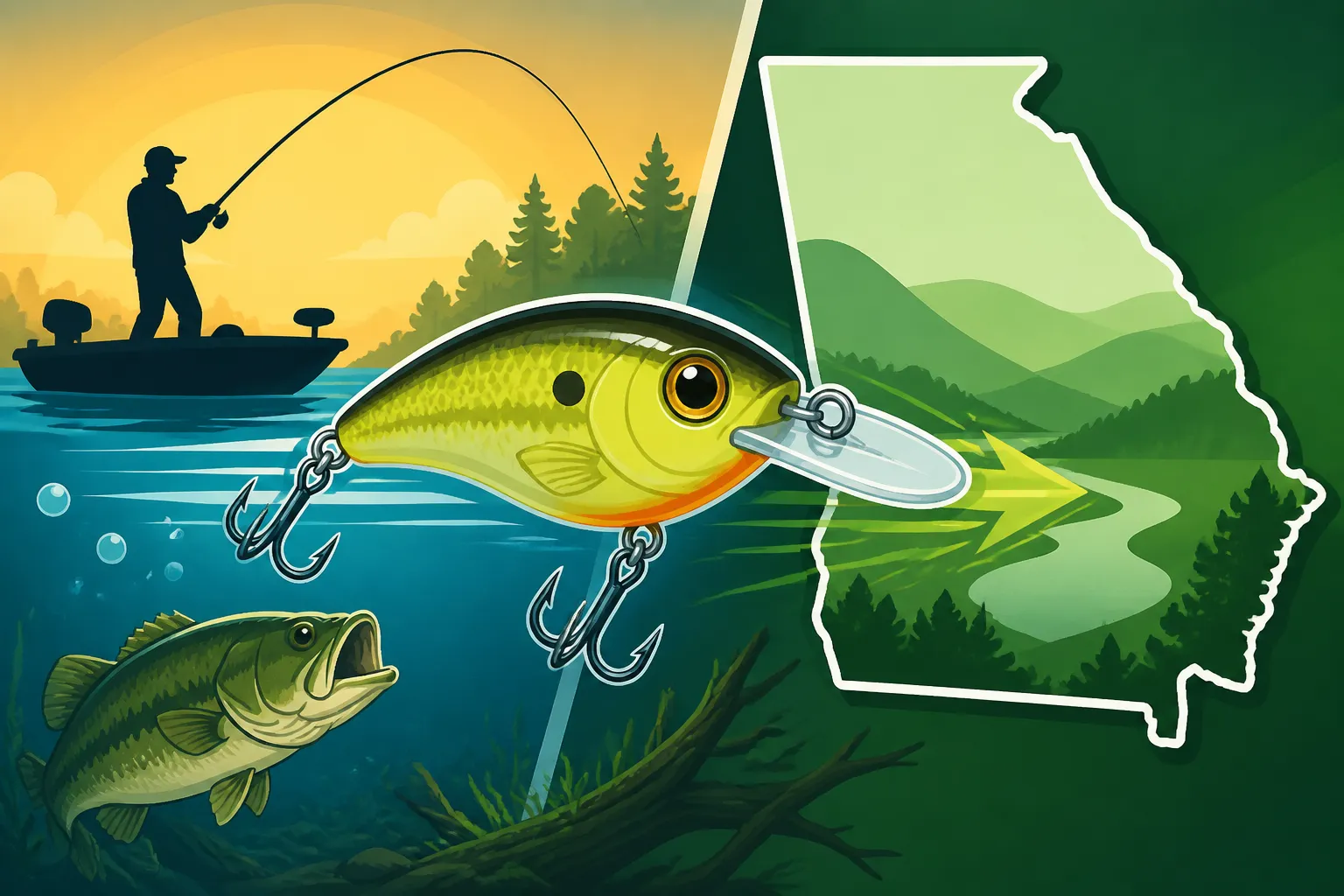
Crankbaits are incredibly versatile lures, and their effectiveness largely comes down to their design. Each crankbait has a distinct bill, or "lip," that dictates its diving depth and action. A short, wide bill often means a shallower dive and a wider, more erratic wobble, while a longer, narrower bill allows for deeper dives and a tighter wiggle. This bill acts like a rudder, digging into the water and forcing the lure downwards as you retrieve it.
The retrieve speed directly impacts how vigorously that bill works. A faster retrieve makes the crankbait dive deeper and wobble more intensely, displacing more water and creating a stronger vibration. Conversely, a slower retrieve means a shallower dive and a more subtle action. Understanding these mechanics is your first step to mastering the retrieve. You can feel this action through your rod tip—that distinct vibration tells you the lure is working as intended. If you stop feeling it, your retrieve might be too slow for that particular bait to achieve its intended action.
The Influence of Water Temperature and Clarity
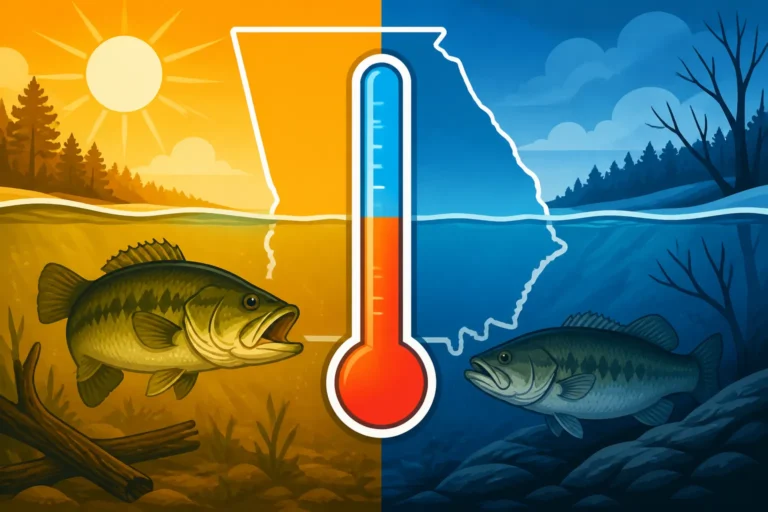
These environmental factors are absolute game-changers when it comes to fish behavior and, consequently, your retrieve speed. Fish are cold-blooded creatures, meaning their metabolism is directly tied to water temperature. In colder waters, their metabolism slows down, making them less active and less likely to chase down a fast-moving meal. Think about how you feel on a cold day – sluggish, right? Fish are no different. This is often when a slower, more deliberate retrieve shines.
On the flip side, warmer water usually means higher metabolism and more active fish. They're more willing to exert energy to chase prey, which opens the door for faster, more aggressive retrieves. Water clarity also plays a significant role. In clear water, fish have more time to inspect your lure. A slower retrieve might allow them too much time to decide it's fake. Conversely, a faster retrieve can trigger a reaction strike before they can scrutinize it. In murky or stained water, where visibility is low, fish rely more on vibration and scent. A faster, harder-wobbling crankbait might be necessary to create enough disturbance for them to locate it, or sometimes, an ultra-slow approach allows them to home in on the subtle vibrations. Understanding How Water Temperature Affects Fish Behavior is crucial for year-round success.
Forage Base and Predatory Instincts
Ultimately, your goal is to make your crankbait look like an easy meal. This means paying attention to the local forage. Are the baitfish in Georgia's lakes and rivers darting around frantically, or are they slowly meandering? Are they injured and struggling? Your retrieve speed should ideally mimic these natural movements. When baitfish are fleeing from a predator, they move quickly. When they're injured or stressed, their movements are erratic and often slow.
Fish are opportunistic predators. They're wired to strike at anything that appears vulnerable or easy to catch. A crankbait retrieved with varying speeds—a quick burst followed by a pause, or a sudden deflection off a submerged log—can perfectly imitate a panicked or injured baitfish, triggering that innate predatory instinct. Think of it as telling a story with your lure; the retrieve speed is the pacing of that story, building suspense until the fish can't resist taking a bite.
Mastering the Art of Retrieve Speed
Now that we've covered the "why," let's dive into the "how." There isn't a single "best" retrieve speed for a crankbait, as it's highly dependent on the conditions and the fish you're targeting. Instead, think of it as a spectrum of techniques, each with its own time and place.
The "Slow Roll" for Cooler Waters
When the water temperature dips, particularly during late fall, winter, and early spring, fish activity slows considerably. This is when the slow roll becomes your best friend. Instead of burning your bait back to the boat, you're essentially just reeling fast enough to make the crankbait wobble and maintain its dive depth, but no faster. Imagine a baitfish lazily cruising along, or one that's a bit sluggish from the cold. That's the vibe you're going for.
This technique is especially effective for species like largemouth bass and spotted bass when they're hunkered down in deeper water or tight to cover. It allows them more time to react and commit to the strike without feeling like they have to expend too much energy. A common scenario for a slow roll might be targeting sluggish bass on Lake Lanier in January, working a deep-diving crankbait along a bluff wall or a submerged point. You'll want a steady, almost monotonous retrieve, letting the lure's natural action do most of the work.
The "Medium Grind" for Active Fish
This is arguably the most versatile retrieve speed and often where many anglers start. A medium grind is a consistent, moderate retrieve that makes your crankbait run at its optimal depth and action without being overly aggressive or sluggish. It's fantastic when fish are moderately active, perhaps during stable weather conditions, or when they're feeding on baitfish that are moving at a regular pace.
The medium grind is excellent for covering water and locating active fish. It presents a realistic, healthy baitfish imitation that many species, including our beloved Georgia bass, find hard to resist. This retrieve works well across many of Georgia's lakes, from Lake Oconee to West Point Lake, when the fish aren't too hot or too cold, so to speak. It's a great "search bait" retrieve, allowing you to quickly determine if fish are in the area and willing to chase. If you're unsure where to start, begin with a medium grind and adjust from there.
The "Burn and Pause" for Reaction Strikes
When the water warms up and fish are highly active, or when you're trying to trigger a reaction strike from a less aggressive fish, the burn and pause retrieve can be incredibly effective. This involves reeling your crankbait in quickly, sometimes as fast as your reel can go, for a few seconds, then suddenly pausing for a moment, letting the bait float up or suspend, before burning it again.
This erratic action perfectly mimics a panicked baitfish fleeing a predator, only to get disoriented or injured, and then try to escape again. The sudden stop often triggers an immediate, aggressive strike because the fish feels like its meal is getting away or becoming vulnerable. This technique is particularly potent in the warmer months on lakes like Clarks Hill Lake or Lake Hartwell, especially around schooling fish or when targeting striped bass. It's all about creating chaos and taking advantage of a fish's instinct to capitalize on an easy opportunity.
The "Stop and Go" and "Deflection" Techniques
These two techniques add even more nuance to your crankbait retrieves. The "stop and go" is a variation of the burn and pause, but often with less extreme speed changes. It's about varying your retrieve from slow to medium, then pausing briefly, then resuming. It gives the bait a more natural, lifelike swimming pattern that can entice finicky fish. Think of it as a less aggressive, more subtle version of the burn and pause.
"Deflection" is a technique where you intentionally make your crankbait collide with underwater structure like rocks, stumps, or laydowns. The moment the lure hits an obstacle, it will suddenly kick off to the side, mimicking a baitfish darting to escape danger. Immediately after the deflection, pause your retrieve for a split second, then continue. Many, many strikes occur right at that moment the crankbait bounces off something. This technique is deadly in areas with plenty of cover, like the timbered areas of Lake Seminole or around rocky banks on the Chattahoochee River. It's a fantastic way to trigger strikes from fish that are otherwise unwilling to chase an open-water lure.
Matching Retrieve Speed to Specific Georgia Fish Species and Seasons
Georgia offers a rich diversity of fishing opportunities, and understanding how retrieve speed plays into targeting different species across various seasons will significantly boost your success.
Largemouth and Spotted Bass
These are the bread and butter for many Georgia anglers, and their seasonal patterns heavily influence the best retrieve speed for your crankbaits.
- Pre-Spawn (Late Winter/Early Spring): As water temperatures rise into the 50s and low 60s, bass start moving towards shallower spawning grounds. During this time, they're often looking for a substantial meal to build energy. A medium-slow to medium retrieve, with occasional pauses, works well with lipless crankbaits or medium-diving crankbaits as you work flats and secondary points. They're active but not yet in full chase mode. Read more about Spring Bass Fishing Patterns on Georgia's Reservoirs.
- Spawn (Spring): While bass are typically focused on reproduction and not feeding aggressively during the actual spawn, a slow-rolling square bill crankbait can still elicit a reaction strike from a territorial fish guarding a nest.
- Post-Spawn (Late Spring/Early Summer): Bass can be somewhat lethargic right after the spawn, but they quickly recover and move to deeper cover or structure. A medium grind, perhaps with a short pause, works well as they recover and begin feeding more actively.
- Summer: This is when Georgia's lakes heat up, and bass can be found deep during the day, moving shallower at dawn and dusk. For deeper fish, a slow to medium retrieve with a deep-diving crankbait is effective, ensuring it stays in the strike zone. For active, shallow fish, especially around sunrise or sunset, a faster retrieve or a burn and pause with a square bill or medium diver can trigger aggressive strikes.
- Fall: As water temperatures cool and baitfish school up, bass go on a feeding frenzy. This is prime time for a medium to fast retrieve with lipless crankbaits or medium divers, imitating baitfish chasing shad. The burn and pause can also be deadly. Check out Fall Bass Fishing Patterns on Georgia's Lakes.
- Winter: Fish are generally sluggish. The slow roll is king. Deep-diving crankbaits retrieved agonizingly slowly along channel swings, deep points, and humps can trick lethargic bass into biting.
Striped Bass and Hybrid Stripers
These powerful open-water predators are known for their aggressive feeding habits, but retrieve speed is still critical.
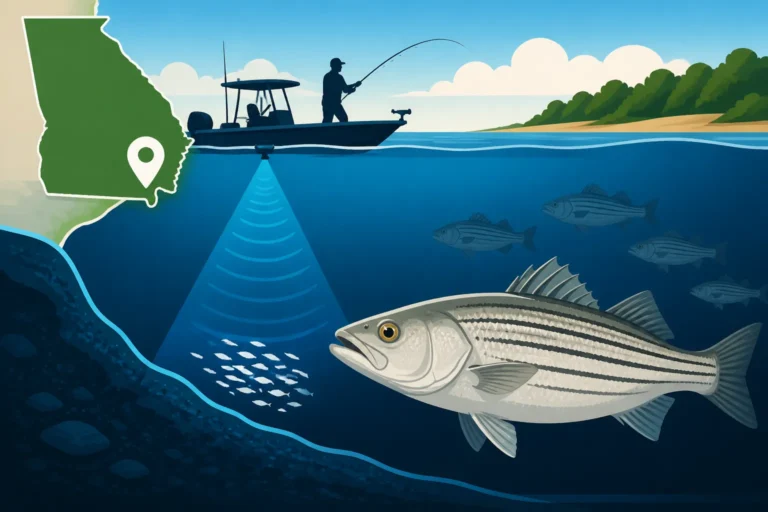
- Open Water Schooling: When you locate schooling stripers or hybrids on your fish finder, often in places like Lake Lanier or Lake Oconee, a fast retrieve is usually the ticket. These fish are chasing bait and will readily hit a crankbait burned through the school. The burn and pause can also be very effective, mimicking a fleeing baitfish.
- Suspended Fish: If stripers are suspended deeper, a deep-diving crankbait presented with a medium-fast retrieve, possibly incorporating a "long pause" where the lure slowly floats or suspends, can entice them. Many anglers find success trolling crankbaits for these species, where boat speed effectively dictates the lure's retrieve. Knowing the Best Time of Year for Striped Bass Fishing in Georgia will help you capitalize on their activity.
Crappie and Panfish
While not typically associated with large crankbaits, smaller crankbaits are incredibly effective for crappie and even larger panfish like bluegill and shellcrackers.
- Crappie: In early spring, when crappie move shallow to spawn, small crankbaits (think Bobby Garland Itty Bitty Cranks) can be slow-rolled or retrieved with a gentle stop-and-go. During other seasons, particularly when crappie are suspended around brush piles or timber, a very slow, steady retrieve, just enough to get the bait wiggling, is often best. These fish are more subtle feeders, so finesse is key.
- Panfish: For larger bluegill or redbreast sunfish, micro crankbaits are excellent. A super slow retrieve, mimicking a small insect or minnow, often works best, especially in smaller ponds or slow-moving rivers.
Practical Tips and Gear Considerations
Having the right retrieve speed is part of the equation, but your gear also plays a crucial role in executing those retrieves effectively.
The Role of Rod, Reel, and Line
Your setup significantly impacts your ability to control retrieve speed and feel your lure's action.
- Rods: For most crankbait fishing, a medium-heavy or medium-action rod made of fiberglass or a composite blend is ideal. The softer tip of these rods allows the fish to engulf the bait without feeling immediate resistance, which can lead to more hookups. It also provides a little give, preventing the trebles from pulling out during aggressive head shakes. A rod like the St. Croix Mojo Bass Glass or a Dobyns Kaden Series can be found on Amazon and are fantastic for throwing crankbaits.
- Reels: A baitcasting reel with a gear ratio between 5.1:1 and 6.4:1 is often preferred for crankbaiting. These lower gear ratios provide more torque, making it easier to retrieve large, deep-diving crankbaits, and they naturally encourage a slower, more consistent retrieve. Higher gear ratios (7.1:1 and up) are great for quickly burning a lure or taking up slack, but they can make it harder to maintain a consistently slow retrieve. Consider the Best Baitcasting Reel for Bass Fishing for specific recommendations.
- Line: Monofilament line is often favored for crankbait fishing due to its stretch. This stretch acts as a shock absorber, helping to keep fish pinned on the small treble hooks and preventing them from tearing out. Fluorocarbon line is also popular for its low stretch and sensitivity, allowing you to feel subtle bites and deflections, though its lack of stretch can sometimes be a disadvantage with trebles. If you're looking for Best Rod and Reel Combo for Largemouth Bass in Georgia, line type is a key consideration.
Reading Your Lure and Water
The best anglers are constantly receiving feedback from their environment and their gear.
- Rod Tip Feedback: Pay attention to your rod tip. You should feel a consistent vibration when your crankbait is working properly. If that vibration stops or changes, it could mean your lure is fouled, has picked up debris, or you're reeling too slow for it to achieve its action. Learning to distinguish these nuances comes with experience.
- Water Observation: Look at the water itself. Are there baitfish flickering on the surface? Are birds diving? Are fish breaking? These are all clues about fish activity levels and what kind of retrieve might be most effective. Observe water clarity and try to estimate the temperature if you don't have a thermometer. This information helps you make informed decisions about your retrieve.
Experimentation is Key
Here's the truth: there is no single "best" retrieve speed that works every single time. Fishing is an ever-changing puzzle, and what worked yesterday might not work today. The most successful anglers are those who are willing to experiment and adapt.
Start with a retrieve you feel confident in (like the medium grind), but don't be afraid to change it up. Try a few casts with a slow roll, then switch to a burn and pause. Vary the length of your pauses. Experiment with deflecting off different types of cover. Keep a mental note (or even a physical one) of what worked and under what conditions. Sometimes, the smallest adjustment in retrieve speed or cadence can be the difference between an empty livewell and a banner day on the water. Don't be afraid to try different lures from companies like Rapala or Strike King, readily available on Amazon, to see how different profiles and actions respond to various retrieve speeds.
Crankbait Retrieve Speed Guide
| Retrieve Speed | Description | Best Conditions | Target Species (Georgia) | Key Benefit |
|---|---|---|---|---|
| Slow Roll | Reeling just fast enough to make the lure wobble, a steady, subtle retrieve. | Cold water (below 55°F), post-frontal conditions, lethargic fish, deep-water structure. | Largemouth Bass, Spotted Bass, Crappie | Mimics sluggish/injured bait, allows long inspection. |
| Medium Grind | Consistent, moderate retrieve, optimal lure action. | Stable weather, moderately active fish, covering water, "search bait" approach. | Largemouth Bass, Spotted Bass, Striped Bass | Versatile, natural baitfish imitation. |
| Burn and Pause | Fast retrieve for a few seconds, sudden complete stop, then repeat. | Warm water, aggressive fish, schooling fish, triggering reaction strikes. | Largemouth Bass, Spotted Bass, Striped Bass | Mimics panicked baitfish, triggers aggressive strikes. |
| Stop and Go | Varying retrieve from slow to medium, with short, intermittent pauses. | Finicky fish, clearer water, slightly less aggressive than burn and pause, more natural erratic movement. | Largemouth Bass, Spotted Bass, Crappie | Mimics injured or confused bait, less aggressive reaction. |
| Deflection | Intentional collision with structure, followed by a momentary pause. | Areas with abundant cover (rocks, stumps, timber), targeting fish hiding in ambush points. | Largemouth Bass, Spotted Bass | Triggers aggressive strikes on the rebound. |
This table provides a good starting point, but remember, the most important tool you have is your own observation and willingness to experiment out on the water.
Disclaimer
The information provided in this guide is for general informational purposes only and is not intended as professional advice. Fishing regulations, conditions, and fish behavior can vary greatly. Always consult the official Georgia Department of Natural Resources (DNR) guidelines for the most current fishing regulations, license requirements, and safety information before heading out on the water. Fishing inherently carries risks; always prioritize safety and use appropriate gear and techniques.