Remote Wilderness Fishing Spots in North Georgia
You know that feeling, right? That deep, gnawing desire to just… disappear. To trade the incessant hum of everyday life and the elbow-to-elbow crowds of popular fishing spots for the pure, unadulterated symphony of nature. Well, my friend, you've come to the right place. This isn't about finding a quiet cove on Lake Lanier; it’s about venturing into the true wilds of North Georgia to discover those pristine, remote wilderness fishing spots where the fish are wild, and the only competition is your own inner peace. This guide will walk you through everything you need to know to make those dreams of secluded angling a reality.
The Irresistible Call of Seclusion and Untamed Waters
There’s a unique magic that draws us to the wilderness, especially when it comes to fishing. It’s more than just catching fish; it’s about the entire experience – the journey, the challenge, and the profound sense of connection to a world untouched. North Georgia offers incredible opportunities for this kind of adventure, if you know where to look and are willing to put in the effort.
Escaping the Crowds and Noise
Let's be real: a day of fishing can quickly lose its charm when you’re constantly dodging jet skis, listening to booming boat radios, or casting over lines from a dozen other anglers. The most popular spots, while often productive, can feel more like a theme park than a tranquil escape. In North Georgia’s remote wilderness areas, that frustration melts away. Here, the only sounds you’ll hear are the rustling leaves, the rush of a mountain stream, and maybe the call of a distant hawk. It’s a chance to truly unplug, recharge, and immerse yourself in the natural world without interruption. Imagine the sheer bliss of having an entire stretch of crystal-clear stream all to yourself, with no one else in sight. That’s the promise of wilderness fishing.
Untouched Waters, Untamed Fish
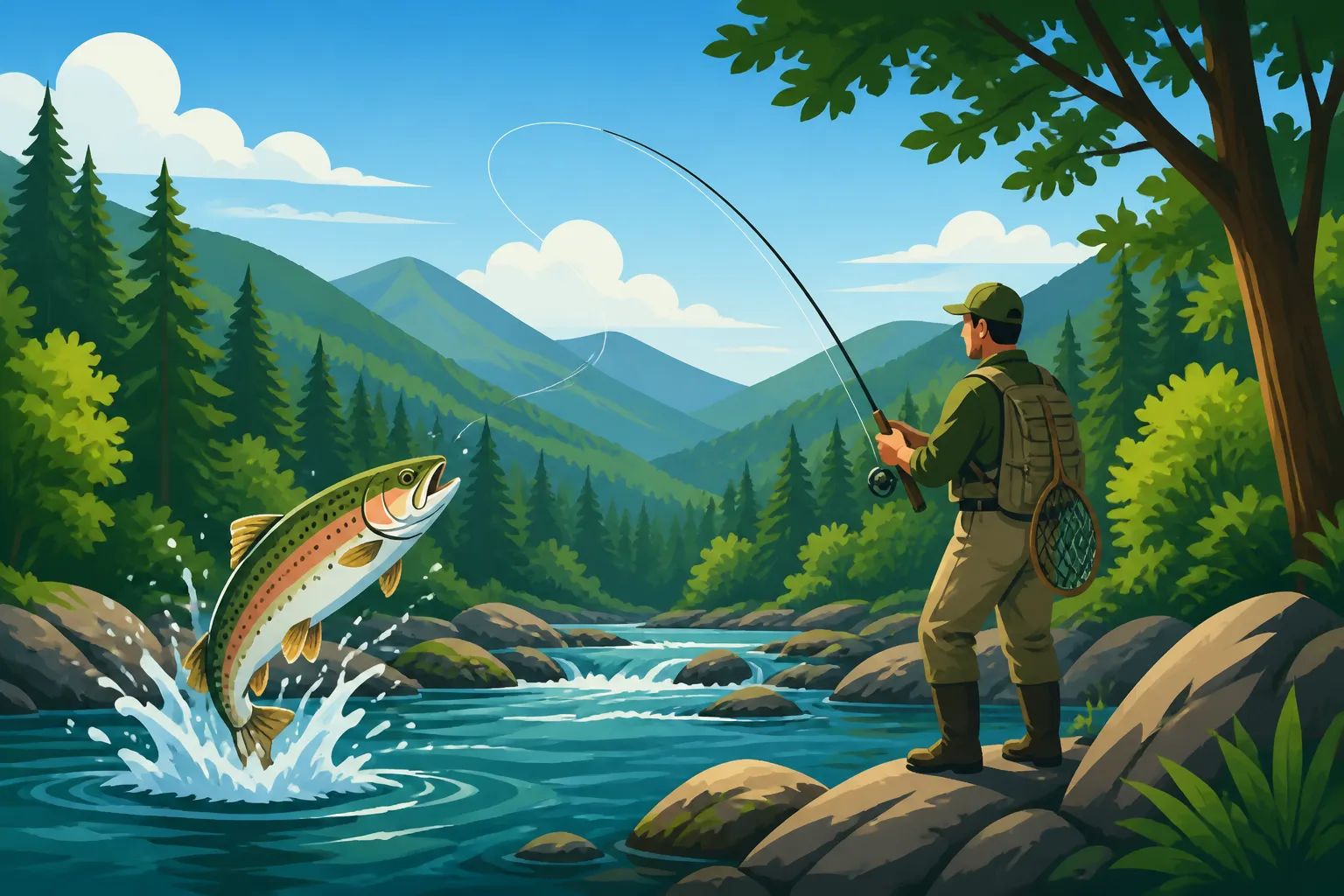
One of the biggest payoffs of seeking out remote fishing spots is the quality of the fishing itself. When waters are hard to reach, they naturally see less pressure from anglers. This often translates to healthier fish populations, less wary fish, and sometimes, even larger fish that haven't been caught and released multiple times. You're more likely to encounter wild, native species that thrive in these pristine environments, particularly brook trout, which are Georgia's only native trout species. These fish are typically feistier and put up a more spirited fight, making every catch feel like a true victory earned through effort and skill. The thrill of hooking a genuinely wild trout in its natural habitat, far from any hatchery truck, is an experience that stays with you long after the day is done.
The Challenge and Reward of the Journey
Let's be honest, getting to these remote spots isn't always easy. It often involves long hikes, navigating challenging terrain, and carrying all your gear on your back. There might be stream crossings, steep ascents, and overgrown trails. But that's precisely part of the appeal for many of us. The effort involved in reaching these secluded havens enhances the reward. There’s a profound sense of accomplishment when you finally arrive at that perfect, hidden pool, knowing that you've earned every cast. It turns a simple fishing trip into a true adventure, pushing your limits and building memories that are far more vivid than a casual outing at a roadside lake. The deeper you go, the more pristine the surroundings, and the more satisfying the fishing.
Navigating the North Georgia Backcountry for Anglers
Embarking on a wilderness fishing trip isn't something you just "wing." It requires careful planning, the right gear, and a healthy respect for the wild. The North Georgia mountains, while beautiful, can be unforgiving if you're unprepared.
Essential Gear for Remote Trips
When you're miles from the nearest road, your gear isn't just about comfort; it's about safety and survival. Think lightweight, multi-functional, and absolutely reliable.
- Durable Backpack: A comfortable, properly fitted backpack (around 30-50 liters, depending on trip length) is crucial. Brands like Osprey, Gregory, or Deuter offer excellent options that distribute weight well. This will carry your fishing gear, water, food, and emergency supplies.
- Sturdy Hiking Boots: Waterproof, broken-in hiking boots with good ankle support are non-negotiable. You'll be traversing uneven terrain, possibly crossing streams, and durability is key. Consider bringing quick-drying camp shoes or sandals for river crossings if you're doing a multi-day trip.
- Navigation Tools: Don’t rely solely on your phone! A physical map (e.g., from the US Forest Service or a National Geographic Trails Illustrated map) and a compass are essential. Even better, bring a handheld GPS device or a robust GPS app with downloaded offline maps (like Gaia GPS or AllTrails) as a backup. Always know how to use them.
- Water Filtration System: You cannot carry enough water for long wilderness trips. A reliable water filter (Sawyer Squeeze, Katadyn BeFree) or purification tablets are absolute must-haves to safely drink from streams and springs.
- First Aid Kit: A comprehensive first aid kit is critical. Include bandages, antiseptic wipes, pain relievers, blister treatment, any personal medications, and a snakebite kit (though prevention is best).
- Emergency Shelter/Fire Starter: Even if you're planning a day trip, a lightweight emergency blanket or tarp can be a lifesaver. Waterproof matches, a lighter, and a fire steel ensure you can start a fire if needed.
- Layers of Clothing: Mountain weather can change in an instant. Dress in layers with moisture-wicking synthetics or wool. Avoid cotton, which loses its insulating properties when wet. A good waterproof and windproof outer shell is vital.
- Fishing-Specific Gear: For trout, think a lightweight pack rod (2-4 wt fly rod or ultralight spinning rod), a small assortment of appropriate flies or micro-spinners, extra line, nippers, and forceps for hook removal. A small net can be helpful for handling fish gently.
| Gear Category | Essential Items | Notes |
|---|---|---|
| Navigation | Topographic Map, Compass, GPS Device/App (offline) | Learn how to use them before you go; cell service is nonexistent in many remote areas. |
| Hydration | Water Filter/Purification Tablets, Water Bottle/Bladder | Never rely on carrying enough water; plan to filter. |
| Safety & Survival | Comprehensive First Aid Kit, Emergency Shelter/Blanket, Fire Starter, Whistle, Headlamp | Prepare for unexpected overnight stays or injuries. |
| Clothing | Layered System (base, mid, outer), Rain Gear, Warm Hat | Avoid cotton. Quick-drying fabrics are best. |
| Footwear | Sturdy, Waterproof Hiking Boots, Extra Socks | Blisters can ruin a trip. Ensure boots are broken in. |
| Fishing Specifics | Lightweight Rod/Reel, Small Tackle Box, Forceps, Net, Waders (optional) | Keep it light! Only bring what you truly need. |
| Food | High-energy snacks, Dehydrated meals (if overnight) | Pack enough calories for the exertion. |
Planning Your Expedition
A successful and safe wilderness trip begins long before you hit the trail. Thorough planning is your best friend.
- Research, Research, Research: Identify your target area and specific streams. Look for trail maps, current conditions, and recent reports. The U.S. Forest Service website is a fantastic resource. Websites like Georgia's Delayed Harvest Trout Streams Explained can give you ideas for less pressured areas, even if not true wilderness.
- Check Weather Forecasts: Mountain weather is notoriously unpredictable. Look at forecasts for higher elevations and plan accordingly. Be aware of potential thunderstorms, flash floods, or sudden temperature drops.
- Inform Someone of Your Plans: This is critical. Share your detailed itinerary – where you're going, your planned route, when you expect to return, and who to contact if you don't check in. A trusted friend or family member should have this information.
- Physical Preparation: Remote trips involve strenuous activity. Make sure you're physically fit enough for the planned mileage and elevation changes.
- Permits and Regulations: Double-check if any special permits are required for the specific wilderness area you're visiting. Always adhere to state fishing license requirements, which you can learn more about in the Georgia Fishing License Guide, and remember that you might need a special Georgia Trout Fishing License Requirements add-on for trout waters.
Leave No Trace Principles
When you venture into these fragile wilderness ecosystems, it’s our collective responsibility to protect them. Practicing Leave No Trace principles ensures that these remote spots remain pristine for generations to come.
- Plan Ahead and Prepare: As discussed above, this prevents many problems.
- Travel and Camp on Durable Surfaces: Stick to existing trails, even if they're muddy. When off-trail, walk on rock, gravel, dry grasses, or snow.
- Dispose of Waste Properly: Pack it in, pack it out – everything, including food scraps and fishing line. Human waste should be buried 6-8 inches deep and at least 200 feet from water sources.
- Leave What You Find: Don’t take rocks, plants, or artifacts. Leave the natural environment as you found it.
- Minimize Campfire Impacts: Use established fire rings where allowed, or consider a small, contained fire. Better yet, use a stove for cooking. Ensure fires are completely out before leaving.
- Respect Wildlife: Observe from a distance. Never feed animals. Store food securely to prevent wildlife access.
- Be Considerate of Other Visitors: While unlikely in truly remote spots, remember that others are seeking solitude too. Keep voices down and avoid loud noises.
Prime Remote Fishing Regions and Their Treasures
North Georgia is blessed with incredible mountain ranges and vast forest lands, offering numerous opportunities for those willing to explore. Some areas stand out as true wilderness experiences.
The Cohutta Wilderness
The Cohutta Wilderness, straddling the Georgia-Tennessee border, is the largest wilderness area in Georgia, encompassing nearly 40,000 acres. It's a true gem for anglers seeking solitude and wild trout. Here, roads are non-existent, and motorized vehicles are prohibited, meaning access is solely by foot. The deep valleys and rugged mountains make for challenging but incredibly rewarding fishing.
- Jacks River: This is perhaps the most famous and sought-after remote trout fishery in Georgia. The Jacks River flows through the heart of the Cohutta Wilderness and is known for its incredible population of wild brown and rainbow trout. Accessing the river typically involves long, strenuous hikes, often requiring multiple river crossings (sometimes up to 40 in a single day!). Popular access points include Dally Gap or the Beech Bottom Trailhead. Be prepared for wet feet and a full-day commitment. The river features deep pools, riffles, and rocky runs, providing diverse habitat for trout. Fly fishing with nymphs, dry flies, and small streamers is incredibly effective here, but ultralight spin gear with small spinners can also produce.
- Conasauga River: Also flowing through the Cohutta Wilderness, the Conasauga offers similar wilderness fishing experiences. It’s known for holding both wild brown and rainbow trout, and in its upper reaches, you might even find native brook trout. Access is similarly challenging, often via trails like the Conasauga River Trail or the Grassy Mountain Tower Road area, requiring significant hiking. The Conasauga often has clearer water than the Jacks, making stealth even more important. The solitude found on these waters is unparalleled, making the strenuous journey well worth the effort for dedicated anglers.
Raven Cliffs Wilderness & Tesnatee Gap
East of the Cohutta, closer to Helen, you'll find the Raven Cliffs Wilderness. While smaller, it offers equally rugged terrain and pristine headwater streams that are perfect for chasing native brook trout.
- Dukes Creek (Upper Reaches): While sections of Dukes Creek near the road are well-known, its upper, more remote reaches within the Raven Cliffs Wilderness offer a different experience. These sections are challenging to access, often requiring bushwhacking or long hikes on less-maintained trails. Here, the brook trout thrive in the cold, oxygen-rich waters. These fish are typically smaller but vibrant and aggressive, making for exciting encounters on light tackle.
- Tesnatee Creek: Flowing near Tesnatee Gap, this creek and its tributaries offer excellent opportunities for native brook trout and wild rainbow trout in its more remote sections. Access often involves hiking off the Appalachian Trail or other lesser-known paths. These streams are typically smaller and require a stealthy approach and precise casting in tight quarters. The surrounding forest is dense and beautiful, adding to the feeling of true wilderness. For specific guidance on these types of areas, you might even consider booking a local guide through platforms like FishingBooker, who can navigate these challenging terrains safely and effectively.
Chattahoochee National Forest Remote Sections
Beyond the designated wilderness areas, the vastness of the Chattahoochee National Forest holds countless remote treasures. Many of the headwaters of well-known trout streams, like the Chattahoochee River itself, become truly wild and secluded as you venture far from any public access points.
- Upper Chattahoochee Headwaters Tributaries: While the main stem of the Chattahoochee below Buford Dam is popular, its tiny headwater tributaries high in the mountains (often requiring several miles of hiking or even bushwhacking to reach) are home to wild rainbow and brook trout. These are small, intimate streams where a 2-weight fly rod or an ultralight spinning rod with micro-lures shines. Look for feeder creeks in areas without roads, often accessible only by extended hikes on Forest Service trails. The Chattahoochee River Headwaters Trout Fishing guide can provide a good starting point for understanding this region, but remember to look for the most isolated sections.
- Lesser-Known Tributaries of Larger Rivers: Rivers like the Toccoa River have sections that become quite remote once you hike a few miles upstream or downstream from popular put-ins. While the main Toccoa is known, its smaller, unnamed tributaries, often cascading down steep slopes, harbor populations of wild trout. These spots are often discovered through diligent map study and a willingness to explore. The Toccoa River Trout Fishing in Georgia article might highlight some general areas, but the truly remote spots are often found by going off the beaten path mentioned there.
Targeting Fish in Remote North Georgia Waters
Fishing in the wilderness requires a different approach than casting from a boat on a large reservoir. Stealth, precision, and a deep understanding of fish behavior in pristine environments are key.
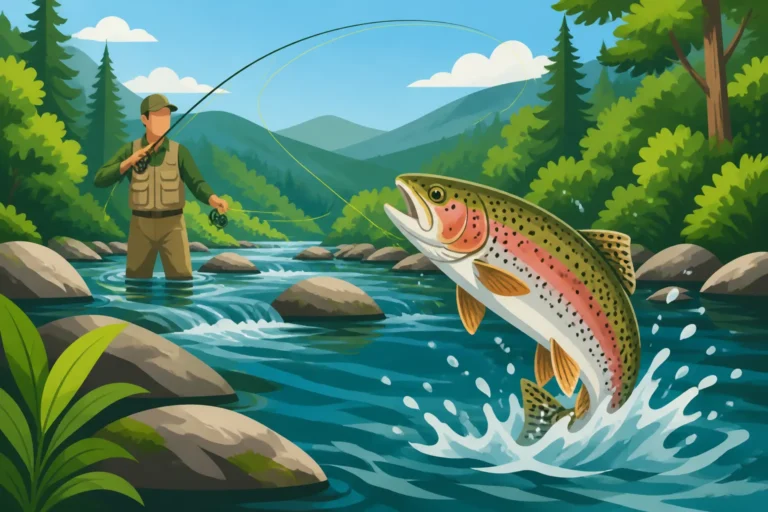
Wild Trout Tactics
Wild trout, especially native brook trout, are incredibly wary. They live in crystal-clear water and are easily spooked. Your approach needs to be calculated and quiet.
- Light Tackle is Key: For fly fishing, a 2- to 4-weight rod is perfect for these small streams, allowing for delicate presentations. For spin fishing, an ultralight rod and reel with 2-4 lb test line are ideal. You want something that allows you to feel the slightest nibble and casts small lures accurately.
- Stealth and Presentation: Approach the water cautiously. Stay low, use bankside cover, and avoid making vibrations. Your first cast into a promising pool is often your best chance. Focus on accurate casts that land softly, especially with dry flies.
- Reading the Water: Look for prime holding spots: the edges of current seams, behind large rocks, under fallen logs, in deep pools, and at the head and tail of riffles. Trout will often position themselves in areas that offer both food delivery and cover from predators.
- Fly Selection: For fly anglers, general attractor patterns like Parachute Adams, Elk Hair Caddis, or small Stimulators work well for dry fly fishing. Nymphs like Hare's Ear, Pheasant Tail, and Prince Nymphs in sizes 14-20 are excellent sub-surface choices. Small streamers can also entice larger browns.
- Spin Lure Selection: For spin anglers, tiny inline spinners (Mepps, Panther Martin, Rooster Tail) in sizes 0-1, small spoons, or micro jigs (1/32 to 1/16 oz) are effective. Think natural colors like silver, gold, black, or brown. How to Fish for Trout in a Mountain Stream and Spin Fishing Techniques for Trout offer more detailed advice on these methods.
Smallmouth Bass in Remote River Stretches
While trout often get the spotlight in North Georgia's remote streams, some of the larger, less accessible river sections can hold fantastic smallmouth bass populations. These are often in sections of rivers like the Flint River or sections of the Etowah River that are difficult to reach by vehicle.
- Targeting Habitat: Smallmouth prefer cooler, clear water with rocky bottoms, current, and structure. Look for eddies, submerged boulders, current breaks, and logjams. They're often found in slightly larger, deeper pools than trout.
- Lure Choices: Smallmouth are aggressive. Spinnerbaits (1/4 to 3/8 oz), small crankbaits (especially those mimicking crawfish), tubes, and jigs are excellent choices. Topwater lures like poppers or walk-the-dog baits can be incredibly exciting in low light conditions.
- Fly Fishing for Smallmouth: For fly anglers, large poppers, Clouser Minnows, and crayfish patterns can be very effective. A 6-8 weight fly rod is generally appropriate for smallmouth.
- Covering Water: Unlike trout, which might be concentrated in specific pools, smallmouth will often spread out. Cover a lot of water, casting to every piece of promising structure.
Panfish in Hidden Ponds
While less common, some remote areas might have small, overlooked ponds or beaver flows that are teeming with panfish like bluegill and crappie. These are rarely stocked and offer a unique, simple fishing experience.
- Simple Setup: A basic spinning rod or even a cane pole with a small hook, a bit of bobber, and some live bait (worms, crickets) is all you need.
- Targeting Structure: Panfish love structure. Cast near submerged timber, lily pads, or overhanging vegetation.
- Great for Solitude: These tiny ponds offer ultimate solitude and are perfect for a relaxed afternoon, especially if you're on a multi-day hike and want a break from trout fishing.
Permits, Regulations, and Conservation for Remote Anglers
Even in the deepest wilderness, state and federal regulations apply. Knowing and respecting these rules is paramount for both legal compliance and the long-term health of these precious fisheries.
Understanding Georgia's Fishing Licenses and Trout Stamps
Before you even step foot on a trail, you need to ensure you're properly licensed. It's a fundamental part of responsible angling in Georgia.
- Basic Georgia Fishing License: Every angler aged 16 or older needs a valid Georgia fishing license. These can be purchased online through the Georgia Department of Natural Resources (DNR) website, by phone, or from authorized license agents like bait shops or sporting goods stores. To get a detailed understanding of the different options, check out the Georgia Fishing License Guide.
- Mountain Trout License Add-on: If you're specifically targeting trout in designated trout waters, you'll need a separate Mountain Trout License (often called a "trout stamp") in addition to your basic fishing license. Most of the remote streams in North Georgia that hold wild trout fall under this category. This add-on is crucial and often overlooked by anglers unfamiliar with Georgia's specific regulations. For a full breakdown of these requirements, including costs and eligibility, refer to Georgia Trout Fishing License Requirements.
- Non-Resident Licenses: If you're visiting Georgia from out of state, you'll need to purchase a non-resident fishing license. These are typically more expensive than resident licenses, but various short-term options are available to suit different trip lengths.
Special Wilderness Area Regulations
Wilderness areas often have stricter regulations than general state waters, primarily to protect the sensitive ecosystems and wild fish populations.
- Catch-and-Release: Many remote wilderness streams, especially those with native brook trout, are designated as catch-and-release only. This means all fish caught must be immediately and carefully released. Always check specific regulations for the stream you plan to fish. For instance, sections of the Jacks and Conasauga rivers within the Cohutta Wilderness often have these restrictions.
- Artificial Lures Only/Single Hook: To minimize harm to released fish, many wilderness trout streams also stipulate "artificial lures only" and "single hook" restrictions. This means no live bait, and if your lure comes with treble hooks, you must replace them with single hooks. This dramatically increases the fish's survival rate upon release. Understanding these rules is critical, as penalties for non-compliance can be steep. You can find more detailed information on specific stream regulations in the Georgia Fishing Regulations Explained guide.
- Daily Creel and Size Limits: For streams where keeping fish is allowed, there will be daily creel limits (the number of fish you can keep) and often minimum or slot size limits. These vary by species and specific water body. Always verify the current regulations before you go.
Protecting Georgia's Wilderness Fisheries
Conservation is a partnership, and as wilderness anglers, we are on the front lines of protecting these special places.
- Responsible Angling Practices: Beyond regulations, practice ethical angling. Use appropriate tackle to minimize stress on fish, handle fish gently with wet hands, and revive them properly before release. Avoid over-fishing any one spot.
- Support Conservation Efforts: Organizations like Trout Unlimited or the Georgia Wildlife Resources Division actively work to protect and restore these valuable habitats. Consider supporting their efforts through volunteering or donations.
- Report Violations: If you witness illegal fishing activity or environmental damage in these remote areas, report it to the Georgia DNR. Protecting these spots is a community effort.
When to Embark on Your Wilderness Fishing Adventure
Timing is everything, especially when planning a trip to remote North Georgia. Weather, water levels, and fish activity can all dramatically impact your experience.
Best Seasons for Remote Trout Fishing
North Georgia's mountains offer distinct seasons, each with its own challenges and rewards for the wilderness angler.
- Spring (March-May): This is often considered prime time. Water levels are typically good due to snowmelt and spring rains, temperatures are mild, and trout are active, feeding heavily after the colder months. Hatches of insects are becoming more prevalent, offering excellent dry fly opportunities. The lush green scenery is also breathtaking. However, spring also brings unpredictable weather and potentially higher, swifter water.
- Fall (September-November): Another fantastic season, arguably the best for many. The vibrant fall foliage provides stunning backdrops, temperatures are cool and pleasant, and water levels are usually stable. Brown trout become particularly active as they prepare for their spawn. Fishing pressure tends to decrease after the summer crowds disperse. Best Months to Fish Georgia's Mountain Streams will often highlight spring and fall as top choices.
- Summer (June-August): Summer can be challenging for remote trout fishing. Lower water levels mean warmer water temperatures (stressful for trout) and fish that are easily spooked. You'll need to focus on early mornings, late evenings, or higher elevation streams where water stays cooler. The dense canopy in remote areas can offer some shade, but be prepared for heat and humidity.
- Winter (December-February): Winter wilderness fishing is for the truly dedicated. Access can be difficult due to icy roads or snow-covered trails. Water temperatures are cold, and trout activity slows down. However, on milder days, deep pools can hold sluggish but catchable fish, and the solitude is absolute. Just be prepared for extreme cold and potential hazards.
Weather Considerations and Safety
The mountains are beautiful but powerful. Weather can shift rapidly, and being miles from help means vigilance is crucial.
- Sudden Thunderstorms: North Georgia is prone to pop-up thunderstorms, especially in spring and summer. These can bring heavy rain, lightning, and rapidly rising water levels. Always keep an eye on the sky and have a plan for seeking shelter.
- Flash Floods: Heavy rains, even miles away, can quickly turn a peaceful stream into a raging torrent. Never camp directly on a floodplain and always be aware of the potential for rising water, especially in narrow gorges.
- Temperature Swings: A sunny morning can turn into a chilly, rainy afternoon. Pack layers to adapt to changing conditions and prevent hypothermia, even in warmer months.
- Hypothermia: This is a real danger, even in temperatures above freezing, especially if you get wet. Dress in non-cotton layers, carry rain gear, and know the symptoms.
Planning Around Trout Stocking Schedules (or lack thereof)
It's important to understand that truly remote wilderness streams are generally not part of Georgia's trout stocking program. These are wild fisheries sustained by natural reproduction.
- Wild Fish Focus: When you're heading deep into the Cohutta or similar wilderness areas, you're targeting naturally reproducing populations of rainbow, brown, and brook trout. This means you won't benefit from recent stocking events, but the fish you catch are genuine wild specimens.
- Stocking for Accessible Waters: Stocking schedules, which you can find details on in Georgia's Trout Stocking Schedule Explained, primarily apply to more accessible, designated trout streams that receive regular infusions of hatchery-raised fish to boost angler success. If your goal is wild fish, you actually want to avoid areas influenced heavily by stocking and seek out those untouched tributaries.
- Delayed Harvest Streams: Some less remote, but still excellent, areas operate under a "Delayed Harvest" program (like those detailed in Georgia's Delayed Harvest Trout Streams Explained). These streams are heavily stocked but operate under strict catch-and-release rules for a significant portion of the year, providing a fantastic fishing experience without the crowds found on traditional stocked waters. While not true wilderness, they offer a similar focus on responsible catch-and-release.
Heading into North Georgia's remote wilderness for fishing is an experience unlike any other. It’s a challenge, an escape, and a profound connection to nature. With proper planning, respect for the environment, and a spirit of adventure, you'll unlock fishing memories that will last a lifetime.
Disclaimer
The information provided in this guide is for general informational purposes only and does not constitute professional advice. Wilderness activities inherently involve risks, and conditions in remote areas can change rapidly. Always exercise caution, prepare thoroughly, and prioritize your safety. Consult with local authorities, obtain necessary permits, and inform others of your plans before embarking on any wilderness trip. The author and publisher are not responsible for any incidents or accidents that may occur from following this information.