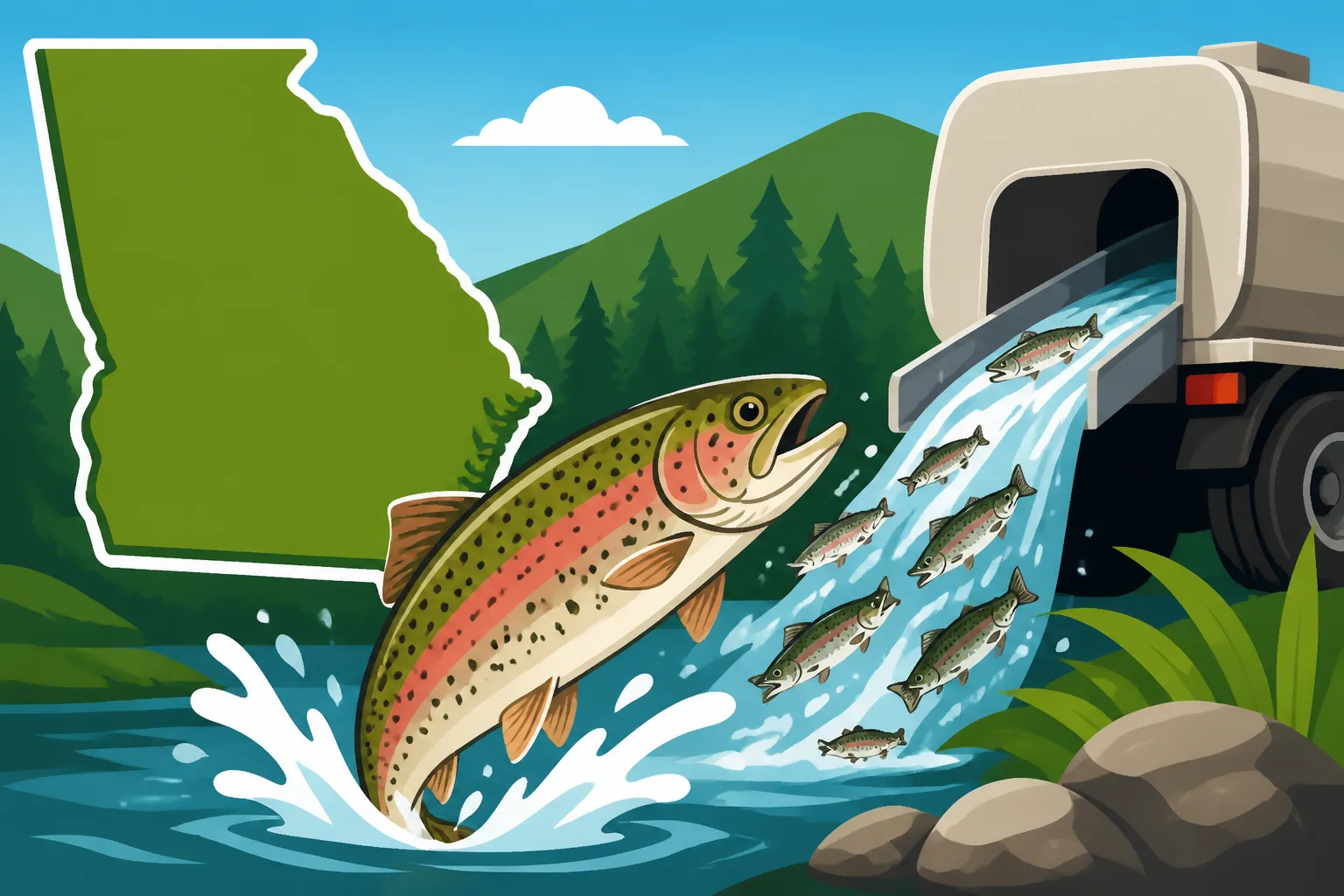
Weekly trout stocking months in Georgia
It can be incredibly frustrating to plan a trout fishing trip, only to arrive at your favorite stream and find out it hasn't been stocked in a while. We've all been there, staring at an empty stream, wondering when the Georgia Department of Natural Resources (DNR) will bless us with a fresh batch of feisty trout. Understanding the weekly trout stocking months in Georgia is key to maximizing your chances of a successful and enjoyable outing, and this guide is here to shed some light on the subject so you can hit the water at just the right time.
The Peak Season for Weekly Trout Stocking in Georgia
When it comes to weekly trout stocking in Georgia, spring and early summer are undoubtedly the golden months. Think of it as the prime-time show for eager anglers. Typically, from March through June, the Georgia DNR kicks into high gear, making regular, often weekly, deliveries of hatchery-raised trout to designated streams across the state. This period sees the most consistent and frequent stocking activity because conditions are generally ideal, and angler pressure is at its peak.
During these bustling months, you can expect the majority of Georgia's accessible trout streams to receive fresh stockings. These aren't just a few fish; we're talking thousands upon thousands of rainbow and brown trout being introduced into rivers and creeks, ready to put up a good fight. The mild temperatures of spring mean the water is cool enough for trout to thrive after being transported from the hatcheries, and the lower chances of extreme heat minimize stress on the fish. As the season progresses into early summer, weekly stocking efforts continue, particularly in the higher elevation streams of North Georgia where water temperatures remain cooler, offering a brief reprieve from the rising heat further south. This consistent effort ensures that both resident and visiting anglers have ample opportunities to experience the thrill of trout fishing.
The sheer volume of fish stocked weekly during this peak period caters to the massive demand from Georgia’s passionate angling community. Families, seasoned fly fishers, and beginners alike flock to these waters, making the weekly infusion of trout essential to sustain a vibrant fishery. If you're looking for the absolute best window to find recently stocked fish, keeping an eye on the calendar for these spring and early summer months is your best bet. You can often find a detailed breakdown of the stocking plans on the official Georgia DNR website under the "Georgia Trout Stocking Schedule" section.
Why Weekly Stocking is Crucial During These Months
You might wonder why the DNR goes to such extensive lengths to stock trout weekly during these specific months. It's not just about pleasing anglers; it's a strategic management effort driven by several key factors unique to Georgia's trout program. First and foremost, Georgia's trout fishery, especially outside of the handful of wild trout streams, is heavily reliant on "put-and-take" stocking. This means fish are stocked to be caught relatively quickly, rather than establishing a self-sustaining wild population in most locations.
The primary reason for weekly stocking from March to June is the immense angler pressure. With pleasant weather, school holidays, and general outdoor enthusiasm, more people are out fishing for trout. If stocking wasn't frequent, these streams would be fished out incredibly fast, leading to widespread disappointment and a sharp decline in participation. Weekly stockings ensure that there's a continuous supply of fish, providing a rewarding experience for everyone, from the experienced fly caster trying out new patterns purchased from retailers like Amazon to the child casting their first worm. This constant replenishment is a cornerstone of the DNR's strategy to maintain high recreational value in these accessible waters, making trout fishing a popular pastime across the state.
Furthermore, water conditions play a significant role. Spring and early summer typically offer the sweet spot for trout survival post-stocking. The water is generally cool, well-oxygenated, and stream flows are often robust enough to disperse the fish throughout the designated stretches. As we delve into the warmer parts of summer, weekly stocking becomes less feasible in many lower-elevation streams because rising water temperatures can become lethal for trout. In higher-elevation streams, cooler microclimates allow for extended stocking, but even these eventually face temperature challenges. Understanding these environmental dynamics helps explain why the weekly pace can't be maintained year-round, underscoring the importance of making the most of those prime spring and early summer opportunities. It's a delicate balance the DNR must maintain to offer a quality experience while being mindful of fish welfare and resource allocation under the broader "Georgia Freshwater Fishing Rules."
Understanding the Nuances of the Stocking Program
While spring and early summer are the peak for weekly trout stocking, it’s important to understand that not all trout streams in Georgia receive weekly fish, nor do all stockings happen with the same frequency. The Georgia DNR operates a nuanced program designed to cater to different types of fisheries and angler preferences. For instance, while many general regulation streams might see weekly stockings, others, particularly those in more remote areas or with lower angler pressure, might be stocked bi-weekly or less frequently.
Then there are the "Delayed Harvest Trout Streams in Georgia," which operate under a completely different set of rules. These special sections of streams, such as the Amicalola Creek or the Chattahoochee River's tailwater below Buford Dam, are stocked heavily in the fall and winter months and designated as "catch-and-release only" during that period. This allows fish to grow larger and provides a unique challenge for anglers looking for a different kind of trout experience. The "catch-and-keep" season for these streams usually opens in the spring, at which point regular stocking might resume for a short period before warmer temperatures dictate a return to catch-and-release regulations or a halt in stocking. Therefore, if you're planning a trip, it's crucial to distinguish between general regulation streams and these special management areas, as their stocking schedules and fishing rules will vary significantly. Anglers should always check the "Daily Creel Limits for Trout in Georgia" as they can change based on the specific stream and regulation type.
Environmental factors like heavy rainfall, drought, or unexpected heat waves can also throw a wrench into the best-laid stocking plans. High water from storms can make streams unsafe for stocking crews and can disperse fish too widely, while low water levels and warm temperatures can make stocking detrimental to the fish. The DNR prioritizes the health and survival of the stocked fish, so they will adjust schedules as needed. This is why always checking the most current information directly from the DNR is paramount. Anglers will also need to ensure they have their "Georgia Trout Fishing License Requirements" met, which often includes a "Mountain Trout License Add-On in Georgia" if fishing in designated trout waters.
Maximizing Your Chances on Weekly Stocked Waters
Okay, so you know when the weekly stocking mostly happens. Now, how do you make the most of it? Timing is, as they say, everything. Your best bet for catching freshly stocked trout is to plan your trip as close as possible to the stocking day. The fish are often disoriented and hungry when they're first introduced to a new environment, making them more susceptible to a variety of baits and lures.
While experienced anglers might chase wild trout with intricate fly patterns, newly stocked trout are typically less picky. PowerBait, corn, salmon eggs, or even small worms are often incredibly effective, especially when fished under a bobber or with a simple bottom rig. For those who prefer artificials, small inline spinners (like those from Panther Martin or Mepps), tiny spoons, or micro-jigs can also be deadly. It's always a good idea to have a variety on hand; a quick search on Amazon for "Best Bait for Stocked Trout" can give you some great ideas to fill your tackle box before you head out. These fish are looking for an easy meal, and familiar, colorful offerings often do the trick.
Beyond bait, consider the location. Stocking trucks usually access streams at popular bridges, public access points, and designated parking areas. If you arrive shortly after a stocking, focusing your efforts near these points can be productive, as the fish haven't had much time to disperse throughout the stream. As the days pass, they'll spread out, become warier, and revert to more natural feeding behaviors. Remember, while the thrill of catching fish is fantastic, practicing responsible catch-and-release, especially if you've already reached your creel limit or are targeting specific sizes, helps ensure a healthy fishery for all. Always check the current regulations and ensure you have all necessary licenses ready, perhaps by learning how to Print a Georgia Fishing License After Buying It Online. Knowing which streams are considered the "Best Trout Streams in Georgia" and then checking their specific stocking status will put you in the best position for a productive and enjoyable outing.
| Season | Primary Stocking Months (Approx.) | Typical Frequency During Peak | Notes |
|---|---|---|---|
| Spring | March, April, May | Weekly | Highest frequency due to ideal temps, high water levels, and peak angler demand. |
| Early Summer | June, early July | Weekly (tapering) | Continues while water temperatures remain suitable, primarily in cooler North Georgia mountain streams. |
| Late Summer | Mid-July, August, September | Minimal or Stops | Stocking generally halts in many areas due to dangerously high water temperatures, impacting trout survival. |
| Fall | October, November | Varies (some bi-weekly) | Focus shifts, including stocking of Delayed Harvest streams for "catch-and-release only" season, and some general streams. |
| Winter | December, January, February | Minimal/No regular stocking | Primary focus on supporting "Delayed Harvest" catch-and-release fisheries, general stocking is rare. |
Disclaimer
Please remember that fishing regulations, stocking schedules, and local conditions can change. Always consult the official Georgia Department of Natural Resources (DNR) website or contact them directly for the most current and accurate information before planning your fishing trip. This guide is for informational purposes only and should not be considered a substitute for official regulations.