Best Public Fishing Piers on Lake Lanier
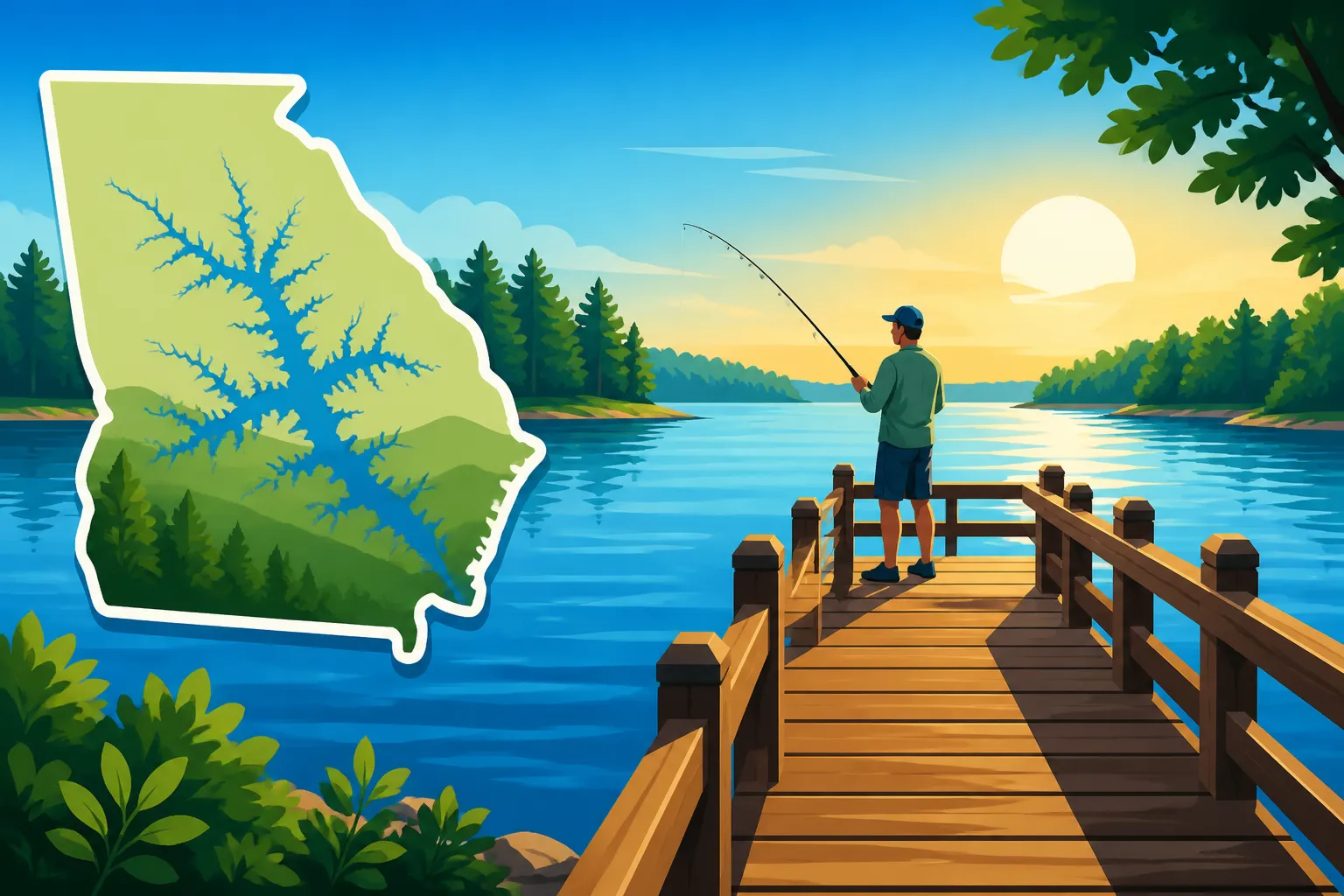
Lake Lanier is a massive body of water, and for many anglers, especially those without a boat, it can feel incredibly intimidating to access. The sheer size, the deep coves, and the endless shoreline can make finding a good spot to simply cast a line feel like a monumental task. That's why public fishing piers are an absolute game-changer, offering accessible, safe, and productive platforms for you to enjoy the incredible fishing opportunities this renowned Georgia lake has to offer. This guide will walk you through the very best public fishing piers on Lake Lanier, giving you the lowdown on what to expect, how to fish them, and how to make the most of your shoreline angling adventure.
The Undeniable Appeal of Public Fishing Piers on Lake Lanier
Let's be real, not everyone has a fancy bass boat or even a kayak ready to launch at a moment's notice. For families, beginners, those with mobility challenges, or simply anglers looking for a convenient, no-fuss outing, the open water of Lake Lanier can be a bit overwhelming. This is where the beauty of a well-maintained public fishing pier truly shines. They bridge the gap between wanting to fish and having the means to do so effectively.
Accessibility for Every Angler
One of the biggest advantages of public piers is their inherent accessibility. Many are designed with paved paths, ample parking, and even handicap-accessible features, ensuring that fishing is a recreational activity truly open to everyone. Imagine the joy of being able to push a stroller right up to a railing, or for someone using a wheelchair to have full, unhindered access to prime fishing waters. These piers often extend out over deeper water or into productive coves that would otherwise be unreachable without a boat, putting you right where the fish are without the hassle. It's about leveling the playing field and ensuring that the thrill of a tug on the line isn't exclusive to those with specialized equipment.
Furthermore, these spots are fantastic for teaching youngsters the ropes. There’s typically plenty of space for multiple lines, less worry about casting into overhead snags (compared to tangled bankside brush), and often other families around, creating a friendly, supportive atmosphere. If you're wondering, "Do Kids Need a Fishing License in Georgia?", it's a great opportunity to introduce them to the sport in a straightforward way, as Georgia has specific age requirements.
Safety, Convenience, and Community
Public piers aren't just about access; they're also about convenience and safety. These designated areas are usually well-lit, regularly maintained, and often located within public parks that offer restrooms, picnic areas, and sometimes even playgrounds. This means you can plan a full day out with the family, combining fishing with other leisurely activities. You won't be bushwhacking through dense foliage or worrying about private property lines. It's a structured, safe environment where you can focus on the fishing itself.
There's also a wonderful sense of community that often develops on public piers. You'll find anglers sharing tips, showing off their catches, and enjoying the shared experience of the outdoors. It's a great place to pick up local knowledge, learn new techniques, or simply enjoy a friendly chat. You might even discover a new favorite bait from a seasoned local. Plus, for those looking to explore more of Lake Lanier’s potential, platforms like FishingBooker can connect you with experienced local guides who can further enhance your fishing adventures, whether from a boat or exploring other shorelines.
A Unique Vantage Point on a Vast Lake
Lake Lanier is famously huge, encompassing nearly 700 miles of shoreline. From the bank, your view and casting range can be quite limited. Piers, however, extend you out over the water, providing a completely different perspective and allowing you to reach depths and cover that are inaccessible from the immediate shoreline. This extended reach can put you over submerged brush piles, deeper channels, or drop-offs where bigger fish often lurk. It’s like having a miniature, stationary boat, giving you the advantage of deeper water access without needing a hull or a motor. This unique vantage point can significantly increase your chances of hooking into something substantial, offering an experience distinct from traditional bank fishing.
Top Public Fishing Piers on Lake Lanier
Now, let’s get down to the brass tacks: where exactly can you find these fantastic fishing piers on Lake Lanier? While the entire lake offers numerous shoreline access points, a few locations stand out for their dedicated public fishing piers, offering excellent opportunities for various species.
Don Carter State Park Fishing Pier
Located on the northern end of Lake Lanier near Gainesville, Don Carter State Park is a jewel among Georgia's state parks, and its fishing pier is truly a highlight. This park is relatively new, opened in 2013, and was meticulously planned with anglers in mind. The pier here is impressive – it's a long, sturdy structure that stretches significantly out into the water, providing access to deeper channels and productive areas where crappie, bass, and even catfish congregate.
The pier at Don Carter is known for its excellent design, often featuring benches and good lighting for those early morning or late evening excursions. The surrounding park also boasts boat ramps, hiking trails, and even cabins for overnight stays, making it a perfect spot for a multi-day fishing trip or a full family outing. It's regularly maintained, ensuring a clean and safe environment. Anglers here often report success with crappie, especially during cooler months when they school up, and various species of bass can be found lurking around the pier's structure. Remember to check the "Georgia Fishing Regulations Explained" to ensure you're compliant with all local rules.
To maximize your chances, consider fishing near the pilings, as these provide excellent cover for baitfish and, consequently, predatory species. Using small jigs tipped with minnows or soft plastics can be incredibly effective for crappie, while spinnerbaits or Texas-rigged worms might entice a hungry largemouth. This area is also a good place to look for other panfish, making it a great spot for beginners and kids.
Van Pugh Park South Fishing Pier
Venturing closer to the central part of Lake Lanier, Van Pugh Park South, managed by the U.S. Army Corps of Engineers, offers another fantastic public fishing pier experience. This park is a popular spot for recreation and boating, but its dedicated fishing pier provides a serene and productive escape for anglers. The pier here is also well-constructed, offering ample space and a good reach into the lake's waters.
Van Pugh Park South is situated in a particularly fertile arm of Lake Lanier, known for its healthy populations of bass, crappie, and sunfish. During the spring, when fish are moving into shallower waters for spawning, this pier can be incredibly productive for targeting various species. In the warmer months, deeper sections around the pier can hold catfish and even some schooling hybrid striped bass. The surrounding park amenities, including picnic tables and restrooms, add to the convenience, allowing for a comfortable day of fishing.
When fishing at Van Pugh South, pay attention to any submerged structures or vegetation you can spot from the pier, as these are natural magnets for fish. Varying your retrieve with crankbaits or soft plastics can often trigger bites from bass, while a simple bobber and live worm setup can yield excellent results for bluegill and other panfish. If you're targeting striped bass, especially the hybrid variety, try live bait like shiners or gizzard shad, or large artificial lures. You might even find local guides on FishingBooker who specialize in these areas and can offer specific insights. For more ideas on how to target different fish, check out our guide on "Best Fishing Spots for Bass Fishing on Lake Lanier" and "Best Crappie Fishing Spots on Lake Lanier".
Strategies and Tips for Successful Pier Fishing on Lake Lanier
Fishing from a pier on a large body of water like Lake Lanier requires a slightly different approach than traditional boat fishing or even bank fishing. With the right strategies and a bit of local know-how, you can have a truly rewarding experience.
Gear Up Smartly for Pier Success
You don't need a boatload of gear to be successful on a pier, but having the right essentials makes all the difference. A medium-action spinning rod and reel combo (7-foot range) is incredibly versatile, allowing for good casting distance and enough power to handle most of the fish you'll encounter. For line, 8-12 lb monofilament or fluorocarbon is a good all-around choice, or you could opt for braided line with a fluorocarbon leader for added sensitivity and strength.
When it comes to bait and lures, think variety. Small jigs (1/16 oz to 1/8 oz) in various colors (chartreuse, white, black/blue) are a must-have for crappie and other panfish. Soft plastic grubs, tubes, and small swimbaits can also be incredibly effective. For bass, consider spinnerbaits, crankbaits, and Texas-rigged worms. Live bait, like minnows, worms, and even crickets, are often king for a wide array of species, especially when fished under a bobber or on a simple Carolina rig for bottom feeders like catfish. A small tackle box, a pair of pliers for hook removal, a stringer or small cooler for your keepers, and a comfortable chair are also highly recommended. Don't forget your fishing license! You can find out more in our "Georgia Fishing License Guide".
Timing and Techniques for Different Species
The time of day and year can dramatically impact your success. Early mornings and late evenings are almost always prime fishing times on Lake Lanier, especially during warmer months, as fish tend to be more active and closer to the surface. Overcast days can also extend these feeding windows. During the spring, focus on areas where fish might be staging for the spawn, often in shallower areas around the pier. In the summer, fish will often move deeper during the day, so heavier rigs or bottom fishing techniques become more effective.
For crappie, vertical jigging alongside the pier pilings or casting out and slowly retrieving small jigs or minnows under a bobber can be very productive. Bass will often hide near any cover available, so casting parallel to the pier or targeting any visible structure is key. Use lures that mimic baitfish or crawfish. For catfish, a good old-fashioned bottom rig with cut bait, chicken livers, or dough balls can yield excellent results, especially after dusk. Remember that "How Water Temperature Affects Fish Behavior" plays a huge role in what fish are active and where they'll be. Consider checking the latest "Georgia Trout Stocking Schedule" if you're venturing to other areas and targeting trout, but for Lanier's piers, focus on warmwater species.
Respecting the Resource and Fellow Anglers
Public piers are shared spaces, and good etiquette goes a long way. Always be mindful of other anglers around you, especially when casting. Give people space, avoid loud noises, and keep your fishing area clean. Pack out everything you pack in, including any discarded fishing line or bait containers. This not only keeps the pier enjoyable for everyone but also protects the wildlife.
It's also crucial to respect the fish you catch. If you plan to release a fish, handle it carefully and return it to the water quickly. Knowing "Georgia Fish Size and Creel Limits" is not just a good idea, it's the law. Be aware of any special regulations for specific species or areas on Lake Lanier. By practicing responsible angling, you contribute to the health of the fishery and ensure that these fantastic public piers remain productive and enjoyable for generations to come.
Disclaimer
The information provided in this guide is for general informational purposes only. Fishing conditions, regulations, and park amenities can change. Always consult the Georgia Department of Natural Resources (DNR) website for the most current fishing regulations, license requirements, and park information before planning your trip. Practice safe boating and fishing habits at all times.